plastic vacuum packaging bag
CN → US| HS编码 | 关税税率 | 原产国 | 目的国 | 文档 |
|---|---|---|---|---|
| 4819400040 | 35.0% | CN | US | 官方文档 |
| 4202920809 | 42.0% | CN | US | 官方文档 |
| 3923210011 | 38.0% | CN | US | 官方文档 |
| 3923210030 | 38.0% | CN | US | 官方文档 |
| 4819502000 | 35.0% | CN | US | 官方文档 |
商品图片

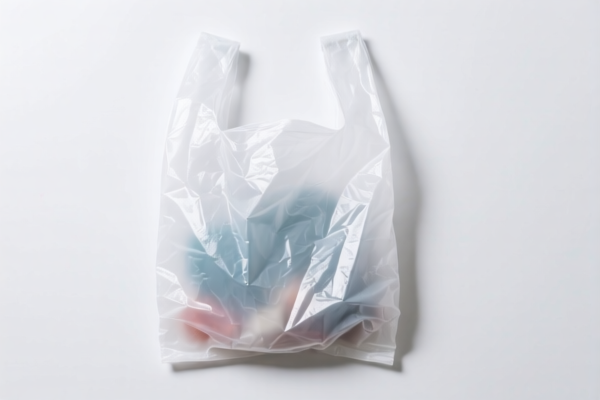

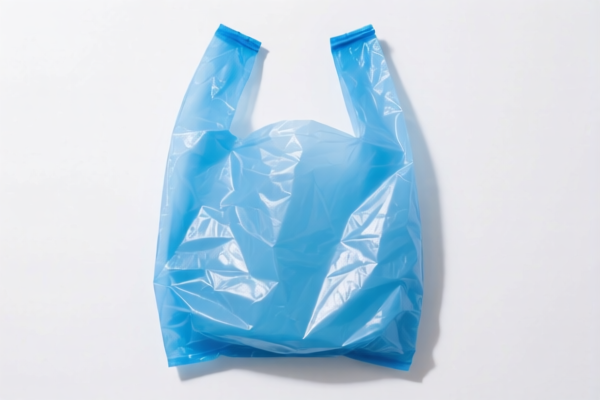
AI分析
🌭 Plastic Vacuum Packaging Bag (Vacuum Sealer Bags)
🌐 HS Code Reference & Customs Clearance Guide | 2026 Latest Tariff Analysis | Professional-Level Clearance Strategy
📌 Part 1: Product Definition and Classification: Do You Really Understand "Vacuum Bags"?
Plastic vacuum packaging bags are essential tools in food preservation, medical storage, and industrial logistics. They are designed to remove air from the package to extend shelf life and prevent contamination. In international trade, classification depends heavily on material composition (paper vs. plastic vs. composite) and specific use (food vs. general).
⚠️ Key Distinction Points:
- If the bag is made of paper or paperboard (even with plastic coating) → Classified under Heading 4819;
- If the bag is made of plastics (PE, PP, Nylon, composite films) → Classified under Heading 3923 or 4202;
- Note: "Vacuum" functionality alone does not define the HS code; the material is the primary determinant.
📦 Part 2: HS Code Classification Details (2026 Latest Tariff Authority对照)
| HS Code | Product Description | Applicable Scenario | Material Type |
|---|---|---|---|
4819.40.00.40 |
Sacks and bags, of paper, paperboard, cellulose wadding or webs of cellulose fibers | Paper-based vacuum bags, kraft paper bags with plastic lining | Paper/Composite |
4202.92.08.09 |
Articles of apparel and clothing accessories, of plastic sheet | Non-woven plastic bags, flexible containers not elsewhere specified | Plastic Sheet (Non-woven) |
3923.21.00.11 |
Sacks and bags, for the conveyance or packing of goods, of polymers of ethylene | Standard PE (Polyethylene) vacuum bags, common food storage bags | Polyethylene (Plastic) |
3923.21.00.30 |
Other sacks and bags, for the conveyance or packing of goods, of polymers of ethylene | Multi-layer laminate bags, high-barrier vacuum pouches, metallized PE | Polyethylene/Composite |
4819.50.20.00 |
Other sacks and bags, of paper, paperboard, cellulose wadding or webs of cellulose fibers | Paper-film laminate bags, food-grade paper vacuum bags | Paper/Film Composite |
🔍 Key Reminder:
- If the bag is primarily plastic (even if multi-layer), it usually falls under 3923 or 4202;
- If the bag has a significant paper component (e.g., kraft paper with thin plastic layer), it may fall under 4819;
- Do not confuse "vacuum bag" with "vacuum cleaner bag" (which is different). These codes are for packaging.
💰 Part 3: 2026 Latest Tariff Rate Breakdown (Including Surcharge, Policy Surcharge)
✅ Applicable Country: United States (US)
✅ Country of Origin: China (CN)
✅ Effective Time: From November 10, 2025 (including subsequent imports)
🎯 1. 4819.40.00.40 & 4819.50.20.00 —— Paper-Based or Paper-Composite Vacuum Bags
| Item | Content |
|---|---|
| Base Tariff | 0% (ad valorem) |
| USITC Surcharge | +25% (under Section 301) |
| IEEPA Surcharge | +10% (针对中国产品, effective from Nov 10, 2025) |
| Total Tariff | 35% |
| Tax Calculation | CIF Value × 35% |
| De Minimis Eligibility | ❌ Not Eligible (deny_de_minimis) |
| Legal Basis Path | IEEPA:9903.01.25 → IEEPA:9903.01.24 → USITC:4819.40.00.40/4819.50.20.00 → FOOTNOTE:9903.88.01 |
📌 Explanation:
- "USITC Surcharge 25%" is from the Section 301 trade remedy;
- "IEEPA 10%" is the additional tariff on Chinese products;
- Combined 35%, which is a high tariff, must be factored into cost calculations!
🎯 2. 3923.21.00.11 & 3923.21.00.30 —— Plastic (Polyethylene) Vacuum Bags
| Item | Content |
|---|---|
| Base Tariff | 3% (ad valorem) |
| USITC Surcharge | +25% |
| IEEPA Surcharge | +10% |
| Total Tariff | 38% |
| Tax Calculation | CIF Value × 38% |
| De Minimis Eligibility | ❌ Not Eligible (deny_de_minimis) |
| Legal Basis Path | IEEPA:9901.25 → IEEPA:9903.01.24 → USITC:3923.21.00.11/30 → FOOTNOTE:9903.88.01 |
📌 Note:
- Standard PE bags (3923.21.00.11) have a 3% base tariff;
- Multi-layer or high-barrier PE bags (3923.21.00.30) also have a 3% base tariff;
- Both suffer the same 38% total tariff due to surcharges.
🎯 3. 4202.92.08.09 —— Plastic Sheet Bags (Non-Woven/Flexible)
| Item | Content |
|---|---|
| Base Tariff | 7% (ad valorem) |
| USITC Surcharge | +25% |
| IEEPA Surcharge | +10% |
| Total Tariff | 42% |
| Tax Calculation | CIF Value × 42% |
| De Minimis Eligibility | ❌ Not Eligible (deny_de_minimis) |
| Legal Basis Path | IEEPA:9901.25 → IEEPA:9903.01.24 → USITC:4202.92.08.09 → FOOTNOTE:9903.88.01 |
📌 Warning:
- This code applies to bags made of plastic sheet that do not fit other plastic packaging categories;
- Highest total tariff at 42%, avoid this classification if possible by correctly classifying under3923or4819.
🛠️ Part 4: Customs Clearance Practical Advice (Pitfall Avoidance Guide)
✅ 1. Required Documentation Checklist (All Mandatory)
| Document | Must Provide | Explanation |
|---|---|---|
| ✅ Product Specification Sheet | ✔️ | Material composition (e.g., 60% PE, 40% Nylon), thickness, dimensions |
| ✅ Material Safety Data Sheet (MSDS) | ✔️ | Especially for food-contact bags, ensure FDA compliance |
| ✅ Product Photos (Clear Labeling) | ✔️ | Show texture, layers, and any "Vacuum" branding |
| ✅ FDA Compliance Certificate | ✔️ | Mandatory for food packaging materials in the US |
| ✅ Commercial Invoice | ✔️ | Clearly state "Plastic Vacuum Packaging Bag" and material |
| ✅ Packing List | ✔️ | Detail roll length, weight, and package quantity |
| ✅ Country of Origin Certificate | ✔️ | If not China, may qualify for lower tariffs |
✅ 2. Declaration Tips (Key Mnemonic)
🔥 "Material is King, Paper vs. Plastic, Base Rate Matters!"
| Scenario | Correct Declaration | Wrong Practice |
|---|---|---|
| Standard PE Vacuum Bag | 3923.21.00.11 |
Misdeclare as 4202 → 42% tariff |
| Paper-Based Vacuum Bag | 4819.40.00.40 |
Misdeclare as 3923 → 35% vs 38% (small diff, but risk) |
| Multi-Layer Laminated Bag | 3923.21.00.30 |
Declare as 4819 if paper is minor → Classification error |
| Non-Woven Plastic Bag | 4202.92.08.09 |
Use only if no other plastic code fits → 42% tariff |
✅ 3. Special Cases Handling
| Scenario | Handling Advice |
|---|---|
| OEM Custom Bags | Provide design files and material specs to avoid "generic" classification issues |
| Food-Grade Bags | Must provide FDA 21 CFR 177.1520 compliance; otherwise, customs may detain |
| Metallized Bags | Still classified under 3923.21.00.30 if plastic is main material; do not misclassify as metal |
| Recycled Plastic Bags | May require additional EPA documentation; ensure recycled content is declared |
🌍 Part 5: Global Market Comparison (2026 Latest)
| Country/Region | Recommended HS Code | Tariff | Certification Requirements | Notes |
|---|---|---|---|---|
| 🇺🇸 USA | 3923.21.00.11 / 4819.40.00.40 |
35%~38% (China Origin) | FDA + RoHS | 38% is standard for plastic |
| 🇨🇳 China | 3923.21.00.11 |
5%~7% | CCC (if applicable) | No surcharge |
| 🇪🇺 EU | 3923.21.00 |
0%~2% | CE + REACH | No surcharge |
| 🇦🇺 Australia | 3923.21.00 |
5% | RCM | No surcharge |
| 🇯🇵 Japan | 3923.21.00 |
0%~3% | PSE | No surcharge |
📌 Conclusion:
- USA imposes the highest tariffs due to Section 301 and IEEPA surcharges;
- European and Asian markets are much more favorable for Chinese-origin packaging bags;
- Consider supply chain diversification (e.g., Vietnam, Thailand) to avoid US surcharges.
📌 Part 6: Common Mistakes & Pitfall Guide (Blood and Tears Lessons)
❌ Mistake 1: Declaring plastic bags as "Paper Bags" to save on base rate
👉 Consequence: If customs inspect and find plastic content >50%, reclassification + penalty;
❌ Mistake 2: Using "Vacuum Bag" without specifying material
👉 Consequence: Customs may assign highest rate code (4202 → 42%);
❌ Mistake 3: Ignoring FDA requirements for food-contact bags
👉 Consequence: Shipment detained at US port until compliance proof is provided;
❌ Mistake 4: Misclassifying multi-layer bags as single-material
👉 Consequence: Discrepancy in material declaration → Audit risk;
✅ Correct Practice:
"Food Grade Vacuum Packaging Bag, 60% Polyethylene/40% Nylon, Clear, 30x40cm, Roll, 100pcs/box, FDA Compliant, Made in China"
🎯 Part 7: Conclusion: Professional Declaration, Save Time and Money!
🎯 Remember the Mnemonic:
🔹 "Paper 35%, Plastic 38%, Sheet 42%, FDA is Key!"
🔹 "Material determines code, tariff varies by 5-7%, declare correctly, save thousands!"
📌 Pro Tip:
If your bags are originally from Vietnam, Mexico, Thailand, or Malaysia, you may apply for IEEPA exemption, reducing tariffs to 0%~5%;
Recommend applying for Advance Ruling before shipment to avoid clearance risks.
📣 Take Action Now:
📞 Contact a professional customs broker + Provide product specs + Apply for HS Code Advance Ruling
🚀 Let your vacuum bags pass smoothly, export efficiently, and boost profits!
✨ Professional clearance starts with precise classification!
💼 Every cent of your cost deserves precise calculation!
用户评价
关于 HS 编码归类
协调制度(HS)是由世界海关组织(WCO)制定的国际贸易商品分类标准。全球 200 多个国家采用 HS 系统作为海关关税、贸易统计和进出口监管的基础。
每个 HS 编码遵循以下层级结构:
- 章(2 位)——商品大类(例如:第 84 章:机器和机械设备)
- 品目(4 位)——章内的更具体分类
- 子目(6 位)——国际通用细分,所有 WCO 成员国统一使用
- 本国细分(8-10 位)——各国自行扩展的细分编码,如美国 HTSUS 10 位编码
正确的 HS 编码归类对于顺利通关、准确缴纳关税和遵守贸易法规至关重要。错误归类可能导致海关延误、多缴关税或罚款。
从CN进口到US时,适用的关税税率可能包括:
- 最惠国(MFN)税率——适用于 WTO 成员国的标准关税税率
- 普通税率——适用于无贸易协定国家
- 贸易救济关税——附加关税,如 301 条款(反倾销)、232 条款(国家安全)或反补贴税
本页内容仅供参考。如需正式归类,请咨询当地海关或持牌报关代理。