plastic wall moisture proof material textile
CN → US| HS编码 | 关税税率 | 原产国 | 目的国 | 文档 |
|---|---|---|---|---|
| 6307909891 | 24.5% | CN | US | 官方文档 |
| 5903102090 | 35.0% | CN | US | 官方文档 |
| 6307908500 | 23.3% | CN | US | 官方文档 |
| 5903102010 | 35.0% | CN | US | 官方文档 |
| 5903102500 | 42.5% | CN | US | 官方文档 |
商品图片


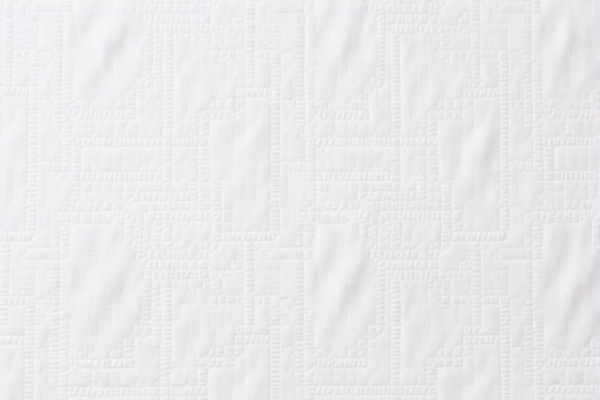
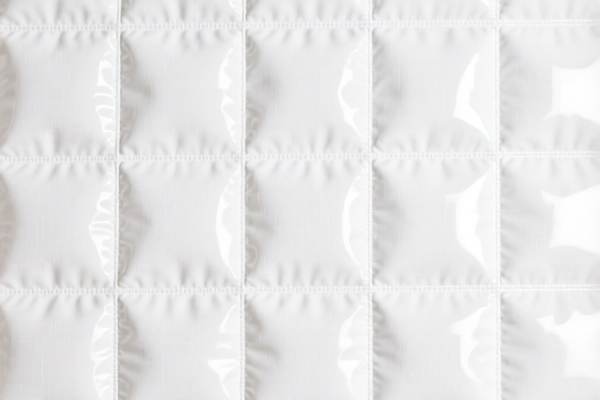
AI分析
🧱 Plastic Wall Moisture-Proof Material (Textile Composite)
[HS Code Classification & Duty Breakdown for 2026]
🌐 HS Code Reference & Customs Clearance Guide | 2026 Latest Tariff Analysis | Professional Compliance Strategy
📌 1. Product Definition & Classification: Do You Understand "Textile-Based Plastic Wall Materials"?
"Plastic wall moisture-proof material textile" refers to building materials used for wall insulation, soundproofing, or moisture protection that combine textile fabrics with plastic components (such as PVC, PE, or other polymers).
In international trade, these materials are typically classified into two main categories: 1. Impregnated/Coated/Laminated Textile Fabrics: Where the textile is the primary structure, and plastic is added for waterproofing or durability. 2. Other Made-Up Articles: If the material is cut, shaped, or processed into a specific final form (like insulation boards or acoustic panels) that no longer resembles a simple fabric.
⚠️ Key Distinction Point:
- If the product is essentially a fabric sheet coated or laminated with plastic (even if used for walls) → It usually falls under Chapter 59 (Impregnated Textiles).
- If the product is a composite construction material (e.g., rigid panels, pre-cut acoustic tiles) that doesn't fit neatly into Chapter 59 → It often falls under Chapter 63 (Other Made-Up Textile Articles) or as a general "Other" category.
📦 2. HS Code Classification Details (2026 Latest Tariff Authority Comparison)
Based on the provided data, here are the five most relevant HS Codes for this product type, with explanations for why each applies:
| HS Code | Product Description | Why This Classification? | Total Tax Rate |
|---|---|---|---|
6307.90.98.91 |
Other made-up articles; plastic wall soundproofing material | Classified as "Other made-up articles" because the material is likely pre-cut or shaped for specific wall applications. It is treated as a textile composite with plastic components but not as raw fabric. | 24.5% |
5903.10.20.90 |
Textile fabric impregnated/coated/laminated with plastics | Classified under Chapter 59 because the core material is a textile fabric that has been impregnated, coated, or laminated with plastic (likely PVC or similar) to make it moisture-proof. | 35.0% |
6307.90.85.00 |
Other made-up articles; fallback category based on material & use | A catch-all category under Chapter 63. Used when the specific use (wall decoration/soundproofing) and material (textile+plastic) don't fit more specific headings. It matches material composition and application. | 23.3% |
5903.10.20.10 |
Textile fabric impregnated/coated with plastics (No material conflict) | Another entry under Chapter 59, specifically for impregnated/coated textile fabrics. It emphasizes the manufacturing process (coating/impregnation) without material conflicts, focusing on the textile substrate. | 35.0% |
5903.10.25.00 |
Plastic-textile supporting wall decoration; PVC-based | Classified under Chapter 59 with a focus on Polyvinyl Chloride (PVC) material. This is the most specific if the plastic component is confirmed to be PVC. | 42.5% |
🔍 Key Insight:
- Chapter 59 Codes (5903...) apply if the product is primarily a fabric that has been plastic-coated/laminated. These tend to have higher total taxes (35%–42.5%) due to specific surcharges.
- Chapter 63 Codes (6307...) apply if the product is considered a finished made-up article (like a wall panel or acoustic tile). These generally have lower total taxes (23.3%–24.5%).
💰 3. 2026 Latest Tariff Rate Breakdown (Detailed Duty Components)
✅ Applicable Country: USA
✅ Origin: China (CN)
✅ Effective Date: 2025/2026
🎯 1. 6307.90.98.91 – Other Made-Up Articles (Soundproof/Insulation Focus)
| Item | Details |
|---|---|
| Base Duty | 7.0% |
| Section 301 Surcharge | 7.5% |
| Section 122 Surcharge | 10.0% |
| Total Tax Rate | 24.5% |
| Tax Calculation | CIF Value × 24.5% |
| De Minimis Exemption | ❌ Not Eligible (Subject to high duties) |
📌 Explanation:
- This classification is favorable for final form products (e.g., pre-cut acoustic panels).
- The total duty is significantly lower than Chapter 59 alternatives.
🎯 2. 5903.10.20.90 & 5903.10.20.10 – Impregnated/Coated Textile Fabrics
| Item | Details |
|---|---|
| Base Duty | 0.0% |
| Section 301 Surcharge | 25.0% |
| Section 122 Surcharge | 10.0% |
| Total Tax Rate | 35.0% |
| Tax Calculation | CIF Value × 35.0% |
| De Minimis Exemption | ❌ Not Eligible |
📌 Explanation:
- Even though the base duty is 0%, the Section 301 surcharge of 25% drastically increases the cost.
- This applies if the product is shipped as rolls of fabric or large sheets where the textile nature is dominant.
🎯 3. 6307.90.85.00 – Fallback Category (Other Made-Up Articles)
| Item | Details |
|---|---|
| Base Duty | 5.8% |
| Section 301 Surcharge | 7.5% |
| Section 122 Surcharge | 10.0% |
| Total Tax Rate | 23.3% |
| Tax Calculation | CIF Value × 23.3% |
| De Minimis Exemption | ❌ Not Eligible |
📌 Explanation:
- This is often the lowest tax option if the product can be justified as a general "other made-up textile article."
- Suitable if the product is a composite wall panel that doesn't strictly fit "impregnated fabric" definitions.
🎯 4. 5903.10.25.00 – PVC-Based Plastic-Textile Wall Material
| Item | Details |
|---|---|
| Base Duty | 7.5% |
| Section 301 Surcharge | 25.0% |
| Section 122 Surcharge | 10.0% |
| Total Tax Rate | 42.5% |
| Tax Calculation | CIF Value × 42.5% |
| De Minimis Exemption | ❌ Not Eligible |
📌 Explanation:
- This is the highest tax option.
- It applies only if the plastic component is confirmed to be PVC (Polyvinyl Chloride).
- Avoid this classification if possible, unless the product is explicitly PVC-coated fabric.
🛠️ 4. Customs Clearance Practical Advice (Pitfall Avoidance Guide)
✅ 1. Preparation Checklist (Non-Negotiable)
| Document | Required? | Notes |
|---|---|---|
| ✅ Product Specification Sheet | ✔️ | Must detail: Material composition (% textile vs. % plastic), thickness, dimensions, usage (wall insulation/soundproofing). |
| ✅ Material Test Report | ✔️ | Certify plastic type (PVC, PE, etc.) and textile fiber content. Crucial for distinguishing between Chapter 59 and 63. |
| ✅ Product Photos | ✔️ | Show texture, cross-section (if possible), and final application (installed on wall). |
| ✅ Commercial Invoice | ✔️ | Describe as "Textile-Based Plastic Wall Insulation Panel" or "Plastic-Coated Textile Roll" depending on classification. |
| ✅ Packing List | ✔️ | Clearly state if products are rolled (fabric) or cut/panelized (made-up article). |
✅ 2. Declaration Strategy (Key Principles)
🔥 “Form Dictates Code: Rolled vs. Cut, Tax Varies!”
| Scenario | Correct Declaration | Incorrect Declaration | Result |
|---|---|---|---|
| Sold as Rolls/Fabric | 5903.10.20.90 or 5903.10.20.10 |
Describe as "Wall Panel" | Misclassification → Risk of penalty |
| Sold as Cut Panels/Tiles | 6307.90.98.91 or 6307.90.85.00 |
Describe as "Fabric Roll" | May lead to higher tax (35%) if misclassified as fabric |
| PVC-Containing Material | 5903.10.25.00 (if strictly PVC fabric) |
Hide plastic type | Higher duty (42.5%) if PVC is detected |
| Composite Wall Insulation | 6307.90.98.91 |
Describe as "Construction Material" (non-textile) | Risk of rejection if textile content is high |
✅ 3. Special Handling Tips
| Situation | Recommendation |
|---|---|
| Low-Value Shipments (< $800) | ❌ No De Minimis Exemption – These goods are subject to full duties regardless of value due to Section 301/122. |
| Mixed Shipment | Separate textiles from rigid panels. Textiles → Chapter 59. Panels → Chapter 63. |
| OEM Custom Wall Panels | Provide end-user drawings. If panels are custom-cut for a specific wall, emphasize "Made-Up Article" status to use 6307 codes. |
| PVC Content | If PVC is <50%, argue for general plastic-coated textile (5903.10.20) instead of specific PVC code (5903.10.25) to save tax. |
🌍 5. Global Market Comparison (2026 Update)
| Country/Region | Recommended HS Code | Est. Duty (China Origin) | Certification | Notes |
|---|---|---|---|---|
| 🇺🇸 USA | 6307.90.98.91 (if panels) |
24.5% | None specific | Lowest duty option for made-up articles. Avoid Chapter 59 if possible. |
| 🇺🇸 USA | 5903.10.20.90 (if fabric) |
35.0% | None specific | Higher duty due to Section 301. |
| 🇨🇳 China | 6307.90.98.91 |
~10-15% | RoHS | Lower import duties, but focus on domestic market. |
| 🇪🇺 EU | 6307.90.98.91 |
6-10% | CE, REACH | No Section 301 surcharges. Generally more favorable than US. |
📌 Conclusion:
- USA imposes high duties due to Section 301 and 122.
- Chapter 63 (6307...) is significantly cheaper than Chapter 59 (5903...) for this product type.
- Structure your shipment: If possible, sell as pre-cut panels (Chapter 63) rather than fabric rolls (Chapter 59) to save ~10-19% in duty.
📌 6. Common Errors & Pitfalls (Lessons Learned)
❌ Error 1: Declaring pre-cut wall panels as "Textile Fabric"
👉 Result: Customs may reclassify to 5903.10.20.90 → Tax jumps from 24.5% to 35.0%.
❌ Error 2: Failing to disclose plastic content
👉 Result: If PVC is found but declared as "general plastic," you might face 5903.10.25.00 → Tax jumps to 42.5%.
❌ Error 3: Assuming De Minimis Exemption Applies
👉 Result: Shipments under $800 are still taxed due to Section 301/122. Do not rely on de minimis.
✅ Best Practice:
Clearly define whether the product is a "Fabric Roll" (Chapter 59) or a "Made-Up Article/Panel" (Chapter 63).
For wall insulation/soundproofing, Chapter 63 is often more advantageous for U.S. imports.
🎯 7. Final Recommendation: Cost Optimization Strategy
🎯 Action Plan:
1. Confirm Product Form: Is it sold as rolls (fabric) or cut panels (made-up)?
2. If Panels: Use 6307.90.98.91 (24.5%) or 6307.90.85.00 (23.3%).
3. If Fabric Rolls: Use 5903.10.20.90 (35.0%). Avoid 5903.10.25.00 unless PVC is dominant.
4. Document Thoroughly: Provide material composition reports to support "made-up article" classification if applicable.
5. Plan for Duties: Budget for 23.3%–35.0% total duty for U.S. imports.
📞 Pro Tip:
Request an Advance Ruling (Ruling Letter) from U.S. Customs (CBP) for your specific product design. This locks in the HS Code and duty rate, preventing future disputes and unexpected costs.
✨ Professional Customs Clearance Starts with Accurate Classification!
💼 Save up to 19% in duty by choosing the right Chapter (63 vs. 59)!
用户评价
关于 HS 编码归类
协调制度(HS)是由世界海关组织(WCO)制定的国际贸易商品分类标准。全球 200 多个国家采用 HS 系统作为海关关税、贸易统计和进出口监管的基础。
每个 HS 编码遵循以下层级结构:
- 章(2 位)——商品大类(例如:第 84 章:机器和机械设备)
- 品目(4 位)——章内的更具体分类
- 子目(6 位)——国际通用细分,所有 WCO 成员国统一使用
- 本国细分(8-10 位)——各国自行扩展的细分编码,如美国 HTSUS 10 位编码
正确的 HS 编码归类对于顺利通关、准确缴纳关税和遵守贸易法规至关重要。错误归类可能导致海关延误、多缴关税或罚款。
从CN进口到US时,适用的关税税率可能包括:
- 最惠国(MFN)税率——适用于 WTO 成员国的标准关税税率
- 普通税率——适用于无贸易协定国家
- 贸易救济关税——附加关税,如 301 条款(反倾销)、232 条款(国家安全)或反补贴税
本页内容仅供参考。如需正式归类,请咨询当地海关或持牌报关代理。