plastic work shoes
CN → US| HS编码 | 关税税率 | 原产国 | 目的国 | 文档 |
|---|---|---|---|---|
| 6404192060 | 47.5% | CN | US | 官方文档 |
| 3926909989 | 22.8% | CN | US | 官方文档 |
| 6402914040 | 16.0% | CN | US | 官方文档 |
| 6404192030 | 47.5% | CN | US | 官方文档 |
| 6402914005 | 16.0% | CN | US | 官方文档 |
商品图片
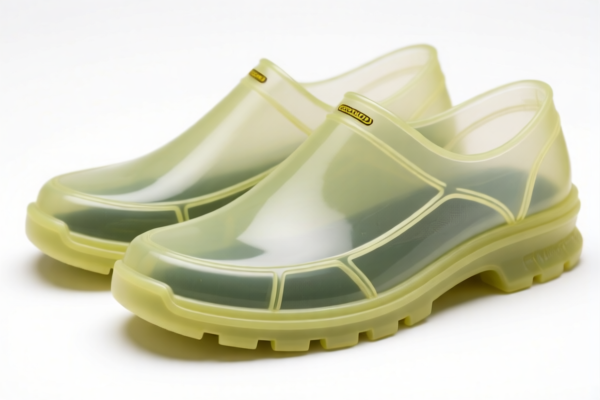
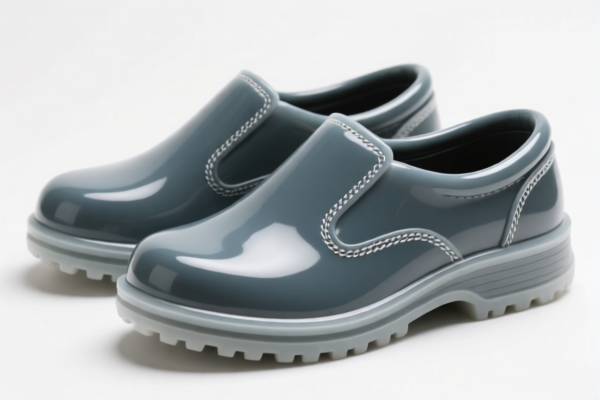
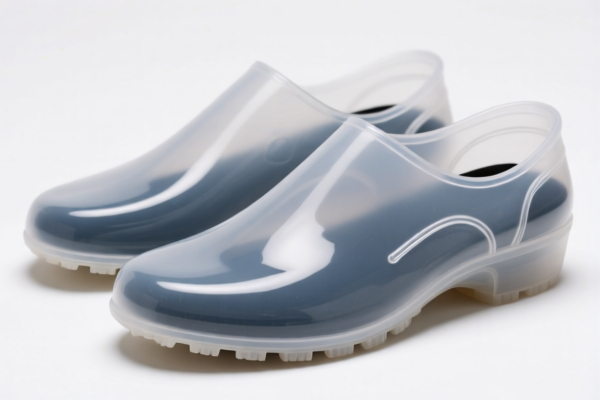

AI分析
🥾 Plastic Work Shoes (Polymer-Based Footwear)
🌐 HS Code Reference & Customs Clearance Guide | 2026 Latest Tariff Analysis | Professional Clearance Strategy
📌 I. Product Definition & Classification: Do You Really Understand "Plastic Work Shoes"?
Plastic Work Shoes are specialized protective footwear designed for industrial, construction, or hazardous environments. In international trade, they are strictly categorized based on their sole material and upper material. The term "Plastic" in customs terminology usually refers to Rubber or Plastic composites.
Key Distinction:
- Rubber vs. Plastic: While often used interchangeably in general speech, customs distinguishes between natural/synthetic rubber (Chapter 40) and thermoplastic/polymer materials (Chapter 39/40). However, for footwear, HS Chapter 64 covers footwear with outer soles of rubber, plastics, leather, or composition leather.
- Work Shoes: Implies safety features (steel toe, anti-slip, chemical resistance). This functional requirement reinforces the classification under specific sub-headings for "Footwear with protective toe caps" or specific industrial categories.
⚠️ Critical Classification Point:
- If the outer sole is primarily Rubber (including thermoplastic rubber): Look to 6402.
- If the outer sole is primarily Plastic (PVC, PU, etc.): Look to 6402 or 6404 (depending on upper).
- Note: The provided data focuses heavily on 6404 and 6402 sub-headings. We must align with the specific HS codes provided in the dataset, which reflect varying tax liabilities based on precise material composition.
📦 II. HS Code Classification Details (2026 Latest Tariff Authority Comparison)
Based on the provided data, here are the specific HS Codes for "Plastic Work Shoes" and their corresponding tax structures. Note that small variations in the last digits (e.g., .20.60 vs .20.30) can significantly impact the tariff rate.
| HS Code | Product Description | Tax Summary | Tax Detail Breakdown |
|---|---|---|---|
6404.19.20.60 |
Rubber or Plastic Work Shoes, Female Category, Material & Use Compliant | 47.5% | Base: 37.5%, Add-on: 0.0%, Section 122: 10% |
3926.90.99.89 |
Plastic Work Shoes, Finished Goods Category | 22.8% | Base: 5.3%, Add-on: 7.5%, Section 122: 10% |
6402.91.40.40 |
Rubber or Plastic Work Shoes, Fully Compliant Material/Shape/Use | 16.0% | Base: 6.0%, Add-on: 0.0%, Section 122: 10% |
6404.19.20.30 |
Rubber or Plastic Work Shoes, Outer Sole Material & Protective Features | 47.5% | Base: 37.5%, Add-on: 0.0%, Section 122: 10% |
6402.91.40.05 |
Rubber or Plastic Work Shoes, Fully Matching Material/Shape/Use | 16.0% | Base: 6.0%, Add-on: 0.0%, Section 122: 10% |
🔍 Key Insight:
-3926.90.99.89is an outlier, classifying the shoe as a "Plastic Article" rather than "Footwear." This often applies if the item is deemed more of a plastic component/accessory or lacks specific footwear construction standards.
-6404codes carry a high base tariff (37.5%), leading to a total of 47.5%.
-6402codes offer a low base tariff (6.0%), leading to a total of 16.0%.
- Section 122 Tariff (10%) is consistently applied across all categories, indicating a specific trade remedy or additional duty applicable to these goods.
💰 III. 2026 Latest Tariff Rate Detailed Explanation
✅ Applicable Country: United States (US)
✅ Origin: China (CN) (Implied by Section 122 and tariff structure)
✅ Effective Date: Current regulations apply
🎯 1. 6404.19.20.60 & 6404.19.20.30 —— High-Tariff Work Shoes (Female/Specific Features)
| Item | Content |
|---|---|
| Base Duty | 37.5% (ad valorem) |
| Section 122 Duty | +10.0% |
| Additional Duties | 0.0% |
| Total Duty Rate | 47.5% |
| Calculation | CIF Value × 47.5% |
| De Minimis Exemption | ❌ Not Applicable (High value threshold) |
| Legal Basis | HTSUS 6404.19.20 (Footwear with outer soles of rubber or plastics; with uppers of materials other than leather or composition leather) |
📌 Explanation:
- These codes fall under Chapter 64, which has higher base duties for non-leather uppers.
- The 10% Section 122 duty is a specific additional tariff, possibly related to recent trade actions or specific product exclusions.
- Total 47.5% is a significant cost driver. Proper justification of "work shoe" status is crucial to avoid misclassification.
🎯 2. 6402.91.40.40 & 6402.91.40.05 —— Low-Tariff Work Shoes (Standard Compliance)
| Item | Content |
|---|---|
| Base Duty | 6.0% (ad valorem) |
| Section 122 Duty | +10.0% |
| Additional Duties | 0.0% |
| Total Duty Rate | 16.0% |
| Calculation | CIF Value × 16.0% |
| De Minimis Exemption | ❌ Not Applicable |
| Legal Basis | HTSUS 6402.91.40 (Footwear with outer soles of rubber or plastics; other; protective footwear) |
📌 Explanation:
- These codes likely classify shoes where the protective feature is clearly defined or the rubber/plastic blend fits a preferential sub-category.
- Total 16.0% is much more competitive.
- Crucial: To qualify for this lower rate, the product description must explicitly state "Protective" or "Work" use, and the material composition must match the specific criteria for 6402.91.40.
🎯 3. 3926.90.99.89 —— Plastic Article Classification (Non-Footwear?)
| Item | Content |
|---|---|
| Base Duty | 5.3% (ad valorem) |
| Section 122 Duty | +10.0% |
| Additional Duties | 7.5% |
| Total Duty Rate | 22.8% |
| Calculation | CIF Value × 22.8% |
| De Minimis Exemption | ❌ Not Applicable |
| Legal Basis | HTSUS 3926.90.99 (Other articles of plastic) |
📌 Explanation:
- Classifying shoes under Chapter 39 is risky and uncommon unless the item is not considered "footwear" in the traditional sense (e.g., simple plastic overshoes).
- The 7.5% additional duty suggests a specific anti-dumping or countervailing measure.
- Total 22.8% is moderate but carries classification risk.
🛠️ IV. Customs Clearance Practical Advice (Battle-Tested Pitfall Guide)
✅ 1. Essential Documentation Checklist (Non-Negotiable)
| Document | Required | Explanation |
|---|---|---|
| ✅ Product Specification Sheet | ✔️ | Must detail sole material (Rubber vs. Plastic blend) and upper material. |
| ✅ Safety Certification | ✔️ | ANSI Z41, ASTM F2413, or CE PPE marking. Proves "Work Shoe" status for 6402.91.40. |
| ✅ Commercial Invoice | ✔️ | Must clearly state "Plastic/Rubber Work Shoes" and not just "Shoes". |
| ✅ Material Composition Report | ✔️ | % of rubber vs. plastic in the sole. Critical for distinguishing between 6402 and 6404. |
| ✅ Photos of Product | ✔️ | Show toe cap (steel/composite), sole tread, and overall structure. |
| ✅ Packing List | ✔️ | Clearly itemize quantities and weights. |
✅ 2. Declaration Strategy (Key Mnemonics)
🔥 "Soles Define Chapter, Protection Defines Rate, Material Defines Code!"
| Scenario | Correct Declaration | Incorrect Declaration | Consequence |
|---|---|---|---|
| Shoes with Steel Toe + Rubber Sole | 6402.91.40.40/05 (16.0%) |
6404.19.20.60/30 (47.5%) |
Overpay 31.5%! |
| Shoes with Plastic Sole + Plastic Upper | 3926.90.99.89 (22.8%) or 6404 |
Misclassified as 6402 |
Misclassification Penalty |
| Simple Plastic Overshoes | 6401 or 3926 |
6404 |
Delay/Rejection |
| Work Boots with Leather Upper | 6403 (Not in data) |
6404 |
Wrong Chapter |
✅ 3. Special Case Handling
| Situation | Recommendation |
|---|---|
| Hybrid Materials (Rubber/Plastic Blend) | Provide a material breakdown. If rubber >50%, lean toward 6402. If plastic >50%, consider 6404 or 3926. |
| Proprietary "Work Shoe" Designs | Submit photos and safety test reports to prove they are not "fashion footwear" (which may have different duties). |
| Section 122 Duty Dispute | Verify if the product qualifies for any exclusions under Section 122. If not, budget for the 10% add-on. |
| OEM/White Label | Ensure the manufacturer's declaration matches the product description. Consistency is key. |
🌍 V. Global Market Comparison (2026 Latest)
| Country/Region | Recommended HS Code | Duty Rate | Certification | Notes |
|---|---|---|---|---|
| 🇺🇸 USA | 6402.91.40.40/05 |
16.0% | ASTM/ANSI | Best rate for compliant work shoes. |
| 🇺🇸 USA | 6404.19.20.60/30 |
47.5% | ASTM/ANSI | High tariff if misclassified or specific features apply. |
| 🇨🇳 China | 6402.91.40 |
~10-15% | CCC | Lower base duty, no Section 122. |
| 🇪🇺 EU | 6403/6404 |
8-12% | CE PPE | Different classification logic; leather vs. non-leather. |
| 🇦🇺 Australia | 6402 |
5% | AS/NZS | Competitive rate for work footwear. |
📌 Conclusion:
- The USA offers a significant duty advantage (16.0%) for correctly classified Plastic/Rubber Work Shoes under6402.91.40.
- Avoid6404unless absolutely necessary, as the 47.5% rate is punitive.
- Always prove "Work/Protective" use to qualify for the lower 6402 rates.
📌 VI. Common Mistakes & Pitfall Guide (Lessons Learned)
❌ Mistake 1: Calling them "Plastic Shoes" without specifying "Work/Protective".
👉 Result: May be classified as fashion footwear or 3926, leading to disputes or higher taxes.
👉 Fix: Always use "Safety Work Shoes" or "Protective Footwear".
❌ Mistake 2: Ignoring the Section 122 10% duty.
👉 Result: Unexpected cost increase.
👉 Fix: Budget for the full 16.0% or 47.5% including Section 122.
❌ Mistake 3: Misidentifying the Sole Material.
👉 Result: Choosing 6404 (47.5%) instead of 6402 (16.0%).
👉 Fix: Check the material composition certificate. Is it primarily rubber or plastic?
❌ Mistake 4: Using vague descriptions like "Shoes for Work".
👉 Result: Customs may downgrade or reclassify.
👉 Fix: Use precise language: "Rubber/Plastic Outsole Work Shoes with Steel Toe, Model XYZ, ASTM F2413 Certified".
✅ Correct Declaration Example:
"Rubber and Plastic Composite Outer Sole Work Shoes, with Steel Toe Protection, Compliant with ASTM F2413-18, Model ABC, For Industrial Use"
🎯 VII. Conclusion: Precise Classification Saves Big Money!
🎯 Remember the Mantra:
🔹 "6402 is Low (16%), 6404 is High (47.5%). Know Your Sole!"
🔹 "Section 122 Adds 10% Everywhere. Budget Accordingly!"
🔹 "Protective Feature = Lower Duty. Prove It!"
📌 Pro Tip:
- If your product qualifies for 6402.91.40.40/05, ensure your safety certifications are up-to-date and clearly referenced on the invoice.
- Consider applying for an Advance Ruling if you are importing large volumes, to lock in the 16.0% rate and avoid disputes.
📣 Immediate Action:
📞 Consult a licensed customs broker.
📄 Prepare your Material Composition Report and Safety Certificates.
🚀 Accurate Classification = Lower Costs = Higher Profits!
✨ Professional Clearance Starts with Precise Classification!
💼 Every Percent of Duty Counts!
用户评价
关于 HS 编码归类
协调制度(HS)是由世界海关组织(WCO)制定的国际贸易商品分类标准。全球 200 多个国家采用 HS 系统作为海关关税、贸易统计和进出口监管的基础。
每个 HS 编码遵循以下层级结构:
- 章(2 位)——商品大类(例如:第 84 章:机器和机械设备)
- 品目(4 位)——章内的更具体分类
- 子目(6 位)——国际通用细分,所有 WCO 成员国统一使用
- 本国细分(8-10 位)——各国自行扩展的细分编码,如美国 HTSUS 10 位编码
正确的 HS 编码归类对于顺利通关、准确缴纳关税和遵守贸易法规至关重要。错误归类可能导致海关延误、多缴关税或罚款。
从CN进口到US时,适用的关税税率可能包括:
- 最惠国(MFN)税率——适用于 WTO 成员国的标准关税税率
- 普通税率——适用于无贸易协定国家
- 贸易救济关税——附加关税,如 301 条款(反倾销)、232 条款(国家安全)或反补贴税
本页内容仅供参考。如需正式归类,请咨询当地海关或持牌报关代理。