plate
CN → US| HS编码 | 关税税率 | 原产国 | 目的国 | 文档 |
|---|---|---|---|---|
| 6912003510 | 19.8% | CN | US | 官方文档 |
| 6911103710 | 25.5% | CN | US | 官方文档 |
| 6911103510 | 43.5% | CN | US | 官方文档 |
| 6907401051 | 45.0% | CN | US | 官方文档 |
| 6907409051 | 43.5% | CN | US | 官方文档 |
商品图片
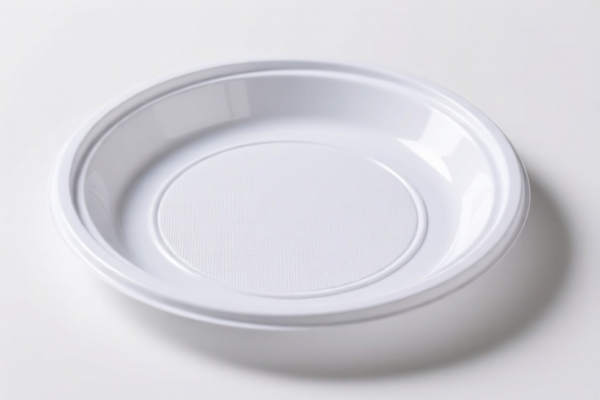
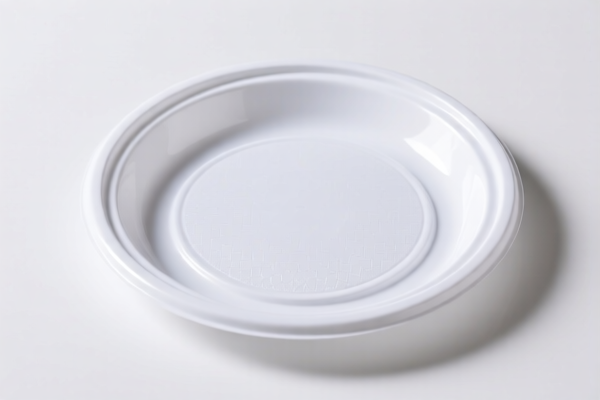
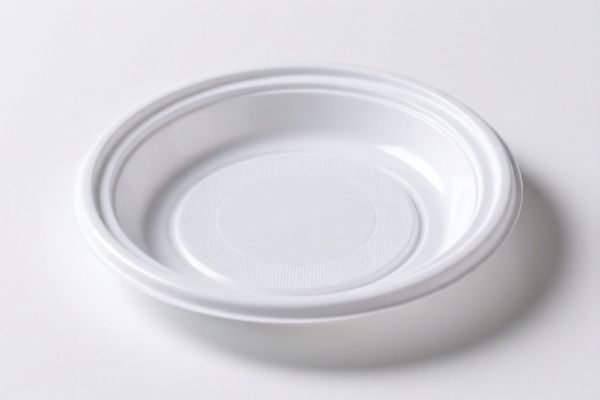
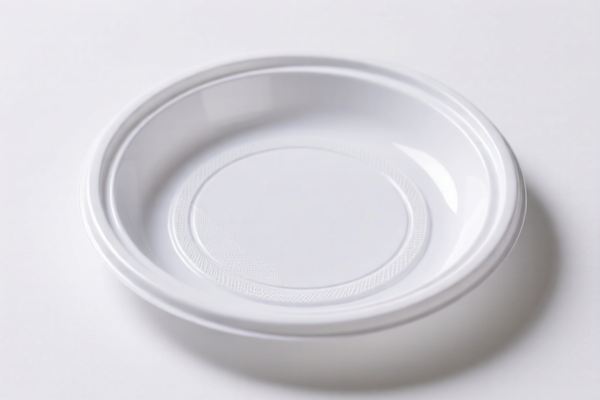
AI分析
🍽️ Plates (Ceramic Dinnerware)
🌐 HS Code Reference & Customs Clearance Guide | 2026 Latest Tariff Analysis | Strategic Classification for Ceramic Tableware
📌 I. Product Definition & Classification: What Exactly Are "Plates"?
In international trade, "plates" generally refer to ceramic tableware used for dining. The classification depends heavily on the precision of the material description (Porcelain vs. Other Ceramic), physical dimensions, and intended use.
There are two main paths for classification: 1. Heading 6912: Broad category for "Tableware and kitchenware of ceramic other than porcelain." 2. Heading 6911: Specific category for "Tableware and kitchenware of porcelain."
⚠️ Critical Distinction:
- If the product is strictly Porcelain (high-fired, white, translucent) AND fits size limits (max dim ≤ 27.9 cm) → 6911 series.
- If the product is Non-Porcelain Ceramic (earthenware, stoneware) OR fails specific size/shape constraints of 6911 → 6912 series.
- If the product lacks clear "tableware" proof (e.g., decorative tiles interpreted as plates) → 6907 series (Decorative/Construction ceramics).
📦 II. HS Code Classification Details (2026 Latest Tariff Authority Match)
| HS Code | Product Description | Matching Logic (Based on Input Data) | Total Tax Rate |
|---|---|---|---|
6912.00.35.10 |
Ceramic Plates (Non-Porcelain) | Match: Material is Ceramic (general); Form is Plate. Fits description for plates of specific dimensions under non-porcelain heading. | 19.8% |
6911.10.37.10 |
Porcelain Plates (Small/Medium) | Match: Material is Porcelain; Form is Plate; Size constraint met (max dim ≤ 27.9 cm). High-quality white ceramic fit. | 25.5% |
6911.10.35.10 |
Porcelain Tableware | Match: Material is Porcelain; Form is Plate; Purpose is Tableware/Kitchenware. Explicitly fits "Tableware & Kitchen Utensils" requirement. | 43.5% |
6907.40.10.51 |
Decorative Ceramic Items | Match: Material is Ceramic; Form inferred as Decorative/Other (due to lack of specific glaze/size details). Classified under "Other Ceramic Ware." | 45.0% |
6907.40.90.51 |
Other Ceramic Faceware/Ware | Match: Material is Ceramic; Form is Ceramic Surface/Ware; Not restricted by specific size limits. Classified under "Other" category. | 43.5% |
🔍 Key Insight:
- 6912 and 6911 are the standard choices for dining plates.
- 6907 is a fallback if the item is ambiguous (e.g., wall plates, decorative tiles sold as plates) or lacks clear "tableware" evidence.
- Tax Disparity: The difference between6912(19.8%) and6907(45.0%) is massive. Precise description is vital.
💰 III. 2026 Latest Tariff Rate Breakdown (Including Surtaxes & Policy Add-ons)
✅ Applicable Country: United States (US)
✅ Origin: China (CN)
✅ Effective Time: From November 10, 2025 (including subsequent imports)
🎯 1. 6912.00.35.10 —— Ceramic Plates (Non-Porcelain)
Best for: Earthenware, Stoneware, or standard ceramic plates not meeting strict porcelain/size specs.
| Item | Details |
|---|---|
| Base Tariff | 9.8% |
| Section 301 Surtax | 7.5% |
| Section 122 Tariff | 10% |
| Total Tax Rate | 19.8% |
| Tax Calculation | CIF Value × 19.8% |
| De Minimis Eligibility | ❌ No (High duty threshold excludes small packages from exemption) |
| Legal Basis Path | USITC:6912.00.35.10 → Section 301:7.5% → Section 122:10% |
📌 Explanation:
- This is the most cost-effective option if the material is certified as non-porcelain or size exceeds the strict 27.9 cm limit for 6911.
- Note: If you misclassify Porcelain as "Ceramic" to save tax, customs may reclassify it, leading to penalties.
🎯 2. 6911.10.37.10 —— Porcelain Plates (Size ≤ 27.9 cm)
Best for: High-quality white porcelain plates, dinner plates, under 27.9 cm max dimension.
| Item | Details |
|---|---|
| Base Tariff | 8.0% |
| Section 301 Surtax | 7.5% |
| Section 122 Tariff | 10% |
| Total Tax Rate | 25.5% |
| Tax Calculation | CIF Value × 25.5% |
| De Minimis Eligibility | ❌ No |
| Legal Basis Path | USITC:6911.10.37.10 → Section 301:7.5% → Section 122:10% |
📌 Explanation:
- Strategic Fit: If your product is true porcelain AND small enough, this is a valid classification.
- Risk: The base rate (8.0%) is slightly lower than 6912 (9.8%), but the total is higher due to the same surtaxes. The main driver is the material definition.
🎯 3. 6911.10.35.10 —— Porcelain Tableware
Best for: Explicitly marketed as "Tableware/Kitchen Utensils," high-quality porcelain.
| Item | Details |
|---|---|
| Base Tariff | 26.0% |
| Section 301 Surtax | 7.5% |
| Section 122 Tariff | 10% |
| Total Tax Rate | 43.5% |
| Tax Calculation | CIF Value × 43.5% |
| De Minimis Eligibility | ❌ No |
| Legal Basis Path | USITC:6911.10.35.10 → Section 301:7.5% → Section 122:10% |
📌 Explanation:
- High Risk/High Cost: The base tariff jumps to 26.0%. This subheading is often reserved for specific "tableware" definitions that trigger higher duty rates under certain interpretations.
- Avoid if possible unless your product strictly requires this specific "tableware" label for other regulatory reasons.
🎯 4. 6907.40.10.51 & 6907.40.90.51 —— Decorative/Other Ceramic Ware
Best for: Ambiguous products, decorative wall plates, or items lacking clear "tableware" evidence.
| Item | Details |
|---|---|
| Base Tariff | 10.0% (.51) / 8.5% (.51) |
| Section 301 Surtax | 25.0% |
| Section 122 Tariff | 10% |
| Total Tax Rate | 45.0% (.51) / 43.5% (.51) |
| Tax Calculation | CIF Value × 45.0% |
| De Minimis Eligibility | ❌ No |
| Legal Basis Path | USITC:6907.40.10.51 → Section 301:25% → Section 122:10% |
📌 Explanation:
- The "Section 301 25%" Trap: These codes carry a 25% Section 301 surtax (instead of 7.5%). This is a punitive rate for broader ceramic categories.
- Why so high?: Customs applies the maximum surtax to "other" ceramic products not explicitly protected or classified under standard tableware.
- Warning: Do NOT use these codes for standard dining plates unless you are certain they are "decorative" and not for eating. Misclassification here can lead to 45% tax + penalties if caught.
🛠️ IV. Customs Clearance Practical Advice (Real-World Pitfall Guide)
✅ 1. Required Documentation Checklist (Non-Negotiable)
| Document | Required? | Purpose |
|---|---|---|
| ✅ Product Specification Sheet | ✔️ | Must clearly state: Material (Porcelain vs. Earthenware), Dimensions (L/W/H), Use (Tableware vs. Decorative). |
| ✅ High-Resolution Photos | ✔️ | Show front, back, bottom (for stamp/mark), and usage context. |
| ✅ Commercial Invoice | ✔️ | Describe as "Ceramic Dinner Plate, 10-inch, Porcelain, for Household Use." Avoid generic "Plates." |
| ✅ Material Test Report | ✔️ | If claiming "Porcelain" (for 6911) to avoid higher 6907 rates, a lab test proving translucency/porcelain nature is recommended. |
| ✅ Packing List | ✔️ | Ensure item count matches invoice. |
✅ 2. Declaration Strategy (Key Mantras)
🔥 “Material Defines Code, Size Filters Group, Usage Confirms Duty!”
| Scenario | Correct HS Code | Incorrect Code | Consequence |
|---|---|---|---|
| Standard white porcelain dinner plate (≤27.9 cm) | 6911.10.37.10 (25.5%) |
6907.40.10.51 (45.0%) |
Overpaying 20% tax! |
| Stoneware/Ecru ceramic plate (non-porcelain) | 6912.00.35.10 (19.8%) |
6907.40.10.51 (45.0%) |
Overpaying 25% tax! |
| Decorative wall plate (not for eating) | 6907.40.10.51 (45.0%) |
6912.00.35.10 (19.8%) |
Under-declaration risk! If used for eating, customs will reclassify + penalty. |
| Large serving platter (>27.9 cm) | 6911.10.35.10 (43.5%) or 6912 |
6911.10.37.10 (25.5%) |
Rejection! Size exceeds limit for the 27.9 cm subheading. |
📌 Critical Tip:
- Porcelain vs. Ceramic: "Porcelain" is a subset of "Ceramic." If you sell porcelain, you can use 6911. If you sell earthenware, you must use 6912.
- Size Matters: For 6911, the 27.9 cm limit is strict. If your plate is 28 cm, it cannot use the 27.9 cm subheading (.37.10) and may fall to a higher duty category or general 6911.
✅ 3. Special Cases Handling
| Case | Recommendation |
|---|---|
| Set of Plates (e.g., 12-piece set) | Declare the set as a whole. If the primary character is porcelain plates, use 6911. Do not split into individual items. |
| Chinaware vs. Earthenware | Ensure invoice specifies "Porcelain" or "Chinaware" if claiming 6911. "Ceramic" alone usually defaults to 6912 or 6907. |
| Decorative vs. Tableware | If a plate is "artistic" but sold for dining, use Tableware codes (6911/6912). If sold as art/decor, use 6907. Consistency is key. |
🌍 V. Global Market Customs Comparison (2026)
| Country/Region | Recommended HS Code | Tariff (China Origin) | Key Requirement | Notes |
|---|---|---|---|---|
| 🇺🇸 USA | 6912.00.35.10 |
19.8% | Section 301 (7.5%) + Section 122 (10%) | Lowest duty for standard ceramic. |
| 🇺🇸 USA | 6911.10.37.10 |
25.5% | Section 301 (7.5%) + Section 122 (10%) | For Porcelain. Slightly higher base rate. |
| 🇨🇳 China | 6912.00.35.10 |
~9.8% | None | No surtaxes. |
| 🇪🇺 EU | 6912.00.35.10 |
12% | None | Standard import duty. |
| 🇬🇧 UK | 6912.00.35.10 |
12% | None | Post-Brexit rates similar to EU. |
📌 Conclusion:
- USA is the most complex due to Section 301 and Section 122.
- Section 122 (10%) is a recent addition for certain ceramics/tableware. Ensure your declaration captures this to avoid surprise audits.
- Avoid 6907 unless necessary, as the 25% Section 301 surtax makes it 2x more expensive than standard tableware codes.
📌 VI. Common Mistakes & Pitfall Guide (Blood & Tears Lessons)
❌ Mistake 1: Calling all ceramics "Porcelain" to look fancy.
👉 Result: If customs tests and finds it's earthenware, you face penalties + back duties.
❌ Mistake 2: Ignoring the 27.9 cm size limit for 6911.10.37.10.
👉 Result: A 28 cm plate declared under the 27.9 cm code will be reclassified, causing delays and potential fines.
❌ Mistake 3: Using 6907 for regular dinner plates.
👉 Result: Paying 45% tax instead of 19.8%. Losing 25% margin!
❌ Mistake 4: Omitting "Tableware" in the description.
👉 Result: Customs may view it as "Decorative" (6907) and apply the higher surtax.
✅ Correct Approach:
"Porcelain Dinner Plate, 10.5 inch, White, for Household Tableware Use, Model XYZ"
→ Leads to6911.10.37.10(25.5%) or6912(19.8%) depending on exact material cert.
🎯 VII. Conclusion: Precision Saves Profit!
🎯 Remember Mantra:
🔹 “Porcelain + Small = 6911 (25.5%)”
🔹 “Ceramic + Any = 6912 (19.8%)”
🔹 “Decorative/Unclear = 6907 (45%) → AVOID!”
🔹 “Check Size ≤ 27.9cm for 6911.10.37.10!”
📌 Pro Tip:
If your plates are high-value porcelain, the 25.5% tax is still far better than the 45% trap.
For bulk/stoneware, stick to 6912.00.35.10 at 19.8% to maximize margins.
Always include a Material Certificate to prove Porcelain vs. Ceramic if using 6911.
📣 Immediate Action:
📞 Review your current BOM (Bill of Materials).
📏 Measure your largest plate.
📝 Update Invoice Description to: "Ceramic/Porcelain Plate, Tableware Use, [Size] inch."
🚀 Clear customs smoothly, avoid 45% tax traps, and boost your profit!
✨ Professional Classification Starts Here!
💼 Every Percent of Tax Saved is Pure Profit!
用户评价
关于 HS 编码归类
协调制度(HS)是由世界海关组织(WCO)制定的国际贸易商品分类标准。全球 200 多个国家采用 HS 系统作为海关关税、贸易统计和进出口监管的基础。
每个 HS 编码遵循以下层级结构:
- 章(2 位)——商品大类(例如:第 84 章:机器和机械设备)
- 品目(4 位)——章内的更具体分类
- 子目(6 位)——国际通用细分,所有 WCO 成员国统一使用
- 本国细分(8-10 位)——各国自行扩展的细分编码,如美国 HTSUS 10 位编码
正确的 HS 编码归类对于顺利通关、准确缴纳关税和遵守贸易法规至关重要。错误归类可能导致海关延误、多缴关税或罚款。
从CN进口到US时,适用的关税税率可能包括:
- 最惠国(MFN)税率——适用于 WTO 成员国的标准关税税率
- 普通税率——适用于无贸易协定国家
- 贸易救济关税——附加关税,如 301 条款(反倾销)、232 条款(国家安全)或反补贴税
本页内容仅供参考。如需正式归类,请咨询当地海关或持牌报关代理。