plush slippers
CN → US| HS编码 | 关税税率 | 原产国 | 目的国 | 文档 |
|---|---|---|---|---|
| 6404193020 | 22.5% | CN | US | 官方文档 |
| 6402993110 | 16.0% | CN | US | 官方文档 |
| 6405209015 | 22.5% | CN | US | 官方文档 |
| 6405909060 | 22.5% | CN | US | 官方文档 |
| 6402994920 | 55.0% | CN | US | 官方文档 |
商品图片
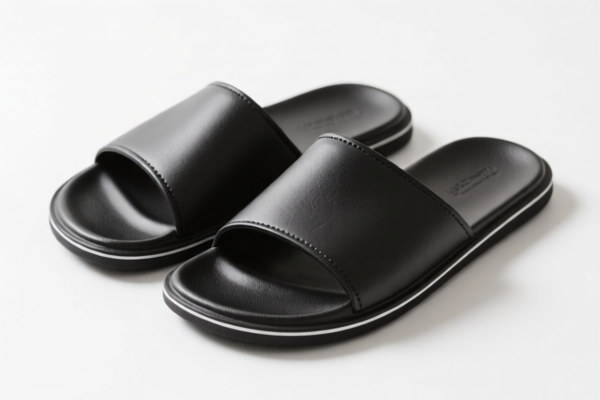
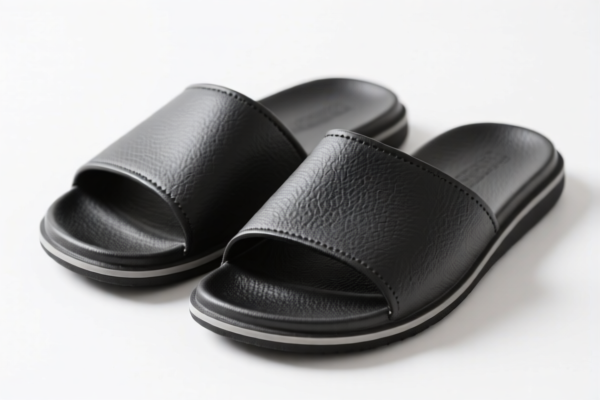
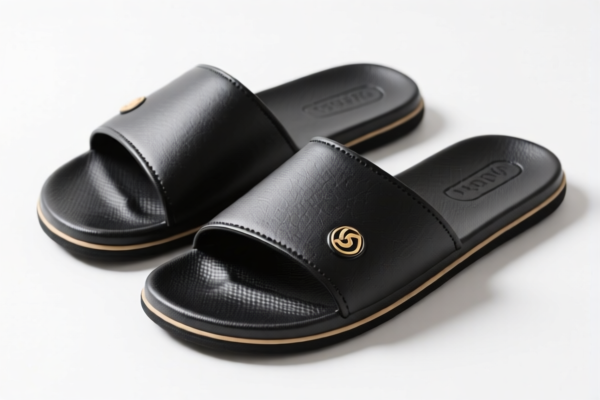
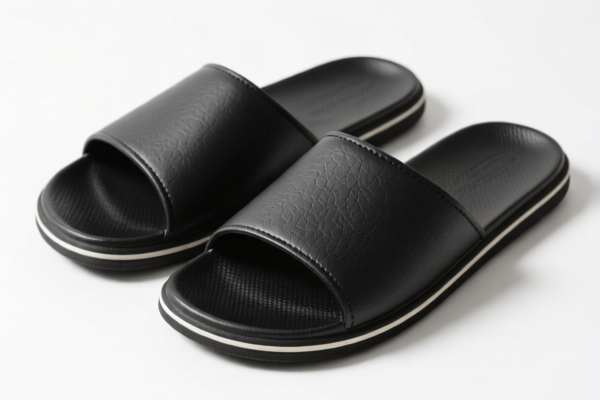
AI分析
🧸 Plush Slippers: The Ultimate Guide to HS Classification & US Customs Clearance (2026)
🌐 HS Code Reference & Clearance Strategy | 2026 Tariff Breakdown | Professional Logistics Insight
📌 Section I: Product Definition & The "Plush" Nuance
Plush Slippers are soft, comfortable, warm footwear designed for indoor use, typically featuring a fuzzy, velvet-like, or knitted fabric upper (the "plush" part) and a flexible sole made of rubber, plastic, or textile.
In the eyes of US Customs (CBP), the classification hinges on material composition and sole structure, not just the name "slippers." They generally fall into two distinct categories:
- Textile Upper with Non-Rubber/Plastic Sole (or Mixed): Often grouped under footwear made of textile materials.
- All-Rubber/Plastic Construction (Imitating Plush): Even if the top looks fuzzy, if the structure is molded rubber/plastic, it falls under "Other footwear of rubber or plastic."
- Textile Upper + Rubber/Plastic Sole: The most common "Plush Slipper" (e.g., Terry cloth top, rubber bottom) creates a specific "Slippers" category under Textile.
⚠️ Critical Distinction:
- If the upper is Textile (Knitted/Woven) and the sole is Textile → 6405.20.90.15
- If the upper is Textile but the sole is Rubber/Plastic → 6404.19.30.20 (or 6404.19.30.10 depending on specific weave)
- If the entire shoe (Upper + Sole) is Rubber/Plastic (even if textured to look like plush) → 6402.99.31.10 or 6402.99.49.20
- If the classification is Non-Specific/Other (often "Other footwear") → 6405.90.90.60
📦 Section II: HS Code Classification Matrix (2026 Data)
Based on the specific import data provided, here is the exact breakdown for Plush Slippers. Note the massive tariff difference between standard rubber/plastic soles vs. "Special Trade" rubber/plastic slippers.
| HS Code | Product Description & Inference | Material Logic | Total Tax (2026) |
|---|---|---|---|
| 6404.19.30.20 | Textile Slippers with Textile/Rubber or Plastic Sole Common "House Slippers" with a fuzzy top and rubber bottom. |
Upper: Textile Sole: Rubber/Plastic |
22.5% |
| 6402.99.31.10 | Indoor Slippers (Rubber/Plastic) Slippers where the entire structure is molded rubber or plastic, even if "fuzzy" texture exists. |
Upper: Rubber/Plastic Sole: Rubber/Plastic |
16.0% |
| 6405.20.90.15 | House Slippers (Textile Upper) Pure textile construction or textile upper with textile sole. |
Upper: Textile Sole: Textile |
22.5% |
| 6405.90.90.60 | Other Non-Baby Footwear (Slippers) Slippers not fitting specific textile or rubber definitions; general "Other" category. |
Mixed/Other | 22.5% |
| 6402.99.49.20 | Indoor Slippers (Special Trade/High Tariff) Rubber/Plastic slippers subject to specific USITC sections and "122 Clause". |
Upper: Rubber/Plastic Sole: Rubber/Plastic |
55.0% |
💰 Section III: 2026 Tariff Rate Deep Dive & Policy Details
✅ Market: United States (US)
✅ Origin: China (CN)
✅ Key Policy: "Section 301" & "122 Clause" (Section 232/301 adjustments)
🎯 1. Standard Taxable Slippers (Rates: 16.0% - 22.5%)
Applicable Codes: 6404.19.30.20, 6405.20.90.15, 6405.90.90.60, 6402.99.31.10
| Tax Component | Details |
|---|---|
| Base Tariff | 6.0% to 12.5% (Depending on specific subheading: Rubber vs. Textile) |
| Additional Tax | 0.0% (Most standard categories have no Section 301 surcharge unless specified) |
| "122 Clause" Tax | +10.0% (Specific surcharge applicable to most Chinese footwear) |
| Total Effective Rate | 16.0% (For Rubber/Plastic Indoor) 22.5% (For Textile/Other) |
📌 Explanation:
- Base Tariff: The standard MFN (Most Favored Nation) rate applied to footwear.
- "122 Clause": This refers to a specific section of the US Trade Representative's action (often linked to Section 301 retaliation or specific product lists) adding a flat 10% on top of the base for Chinese-origin footwear.
- Why the difference?6402.99.31.10(16.0%) has a lower base (6%) than textile slippers (12.5%), but both incur the 10% surcharge.
🚨 2. High-Tariff "Special" Slippers (Rate: 55.0%)
Applicable Code: 6402.99.49.20
| Tax Component | Details |
|---|---|
| Base Tariff | 37.5% (Extremely high base rate for specific rubber/plastic footwear) |
| Additional Tax | +7.5% (Section 301 / Specific Anti-Dumping or Retaliation Surcharge) |
| "122 Clause" Tax | +10.0% |
| Total Effective Rate | 55.0% |
⚠️ CRITICAL WARNING:
This code (6402.99.49.20) triggers the highest possible tax burden for slippers. - Why? This classification often applies to Rubber/Plastic slippers that are subject to specific USITC "Footnote 9903" sections or are deemed "unusual" in their construction (e.g., specific molded types). - Risk: If you misclassify a "fuzzy" rubber slipper as a standard textile slipper (22.5%) when it actually falls under6402.99.49.20, you face 32.5% more in taxes, severe penalties, and potential cargo seizure.
🛠️ Section IV: Customs Clearance Strategy & Actionable Advice
✅ 1. Product Material Verification (The "Plush" Trap)
Before shipping, you must physically verify the material composition. "Plush" usually refers to the upper fabric (velvet, faux fur, terry cloth).
* Scenario A: Fuzzy Top + Rubber/Plastic Sole → Likely 6404.19.30.20 (22.5%).
* Scenario B: Fuzzy Top + Textile Sole (e.g., felt bottom) → Likely 6405.20.90.15 (22.5%).
* Scenario C: Entirely Molded Rubber/Plastic (even if textured to look soft) → DANGER ZONE. Must check if it fits 6402.99.49.20 (55%) or 6402.99.31.10 (16%).
Pro Tip: If the shoe is 100% molded rubber/plastic, do not declare it as "Textile Slippers" just because it feels soft. The law looks at the primary material, not the tactile feel.
✅ 2. Documentation Checklist
To ensure smooth clearance under these specific codes:
* Detailed Material Breakdown: Clearly state "Upper: 100% Polyester Faux Fur", "Sole: EVA Rubber".
* Product Photos: Show the sole texture. If the sole looks molded/plastic, prepare for the 16% or 55% rate.
* Factory Declaration: A letter from the factory certifying the exact material composition is crucial for 6402 codes.
* Sample Submission: If CBP flags the shipment, having a pre-approved sample can speed up release.
✅ 3. Avoiding the 55% Trap (6402.99.49.20)
- Re-evaluate Design: If your product is a molded rubber slipper, consider if it can be modified to include a textile upper that clearly separates it from the "Other Rubber" category, or verify if it strictly fits the lower tax bracket
6402.99.31.10. - Country of Origin: Ensure the "Made in China" label is accurate. If it is a third-country manufacturing (e.g., Vietnam), the 10% "122 Clause" and specific 301 duties might be waived, lowering the 55% to a much lower rate.
✅ 4. Cost Calculation Example (for Plush Slippers valued at $10,000)
| Scenario | HS Code | Tax Rate | Tax Amount | Net Cost (Landed) |
|---|---|---|---|---|
| Standard Plush (Textile Upper, Rubber Sole) | 6404.19.30.20 |
22.5% | $2,250 | $12,250 |
| Safe Rubber (Molded Rubber, Specific Type) | 6402.99.31.10 |
16.0% | $1,600 | $11,600 |
| High Risk (Molded Rubber, Specific Type) | 6402.99.49.20 |
55.0% | $5,500 | $15,500 |
| Textile Only (Textile Upper, Textile Sole) | 6405.20.90.15 |
22.5% | $2,250 | $12,250 |
💡 Observation: A $4,500 difference between the 16% and 55% rates on a $10k shipment can destroy profit margins. Classification precision is the most critical step.
📌 Section V: Common Errors & "Don'ts"
❌ Error 1: "It looks like plush, so it must be textile."
* Reality: If the sole is rubber/plastic and the upper is molded plastic (textured), it falls under 6402. Do not guess.
* Consequence: You pay 16% but should have paid 55% (or vice versa, leading to penalties).
❌ Error 2: Ignoring the "122 Clause" (10% surcharge). * Reality: Almost all Chinese footwear imports face this 10% surcharge. * Consequence: Budgeting only for Base Tariff leads to cash flow issues at the port.
❌ Error 3: Mixing "Baby Slippers" with "Adult Plush Slippers".
* Reality: 6405 codes often have different rates for "Infant/Baby" vs "Non-Baby".
* Consequence: If you declare adult slippers as "Infant" to get a lower rate, you face fraud charges.
🚀 Final Verdict & Next Steps
Plush Slippers are a high-risk classification category due to the 39% gap between the best-case scenario (16%) and the worst-case scenario (55%).
- Step 1: Verify the sole material. Is it Rubber/Plastic or Textile?
- Step 2: If Rubber/Plastic, check the upper material. Is it truly textile or molded plastic?
- Step 3: If it is Molded Rubber/Plastic, apply the 55% risk buffer (
6402.99.49.20) unless you have strong evidence for the 16% rate (6402.99.31.10). - Step 4: Consult a Customs Broker for a Binding Ruling (Advance Ruling) before shipping the first container.
🎯 Golden Rule: "When in doubt, classify conservatively to avoid 55% penalties. A 22.5% tax is a cost; a 55% tax is a business killer."
✨ Smart Logistics, Smart Profits.
💼 Get the HS Code right, and your plush slippers will fly through customs.
用户评价
关于 HS 编码归类
协调制度(HS)是由世界海关组织(WCO)制定的国际贸易商品分类标准。全球 200 多个国家采用 HS 系统作为海关关税、贸易统计和进出口监管的基础。
每个 HS 编码遵循以下层级结构:
- 章(2 位)——商品大类(例如:第 84 章:机器和机械设备)
- 品目(4 位)——章内的更具体分类
- 子目(6 位)——国际通用细分,所有 WCO 成员国统一使用
- 本国细分(8-10 位)——各国自行扩展的细分编码,如美国 HTSUS 10 位编码
正确的 HS 编码归类对于顺利通关、准确缴纳关税和遵守贸易法规至关重要。错误归类可能导致海关延误、多缴关税或罚款。
从CN进口到US时,适用的关税税率可能包括:
- 最惠国(MFN)税率——适用于 WTO 成员国的标准关税税率
- 普通税率——适用于无贸易协定国家
- 贸易救济关税——附加关税,如 301 条款(反倾销)、232 条款(国家安全)或反补贴税
本页内容仅供参考。如需正式归类,请咨询当地海关或持牌报关代理。