plush toys
CN → US| HS编码 | 关税税率 | 原产国 | 目的国 | 文档 |
|---|---|---|---|---|
| 6307907500 | 14.3% | CN | US | 官方文档 |
| 6307909891 | 24.5% | CN | US | 官方文档 |
| 9503000073 | 10.0% | CN | US | 官方文档 |
| 9503000071 | 10.0% | CN | US | 官方文档 |
| 3926400090 | 15.3% | CN | US | 官方文档 |
商品图片
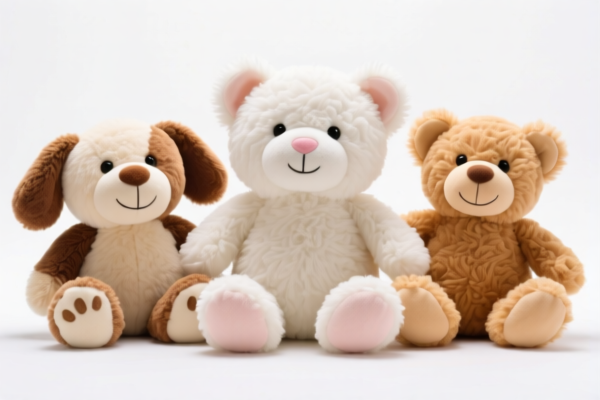
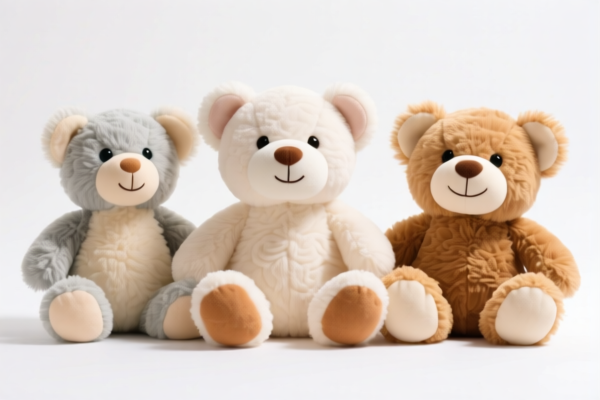
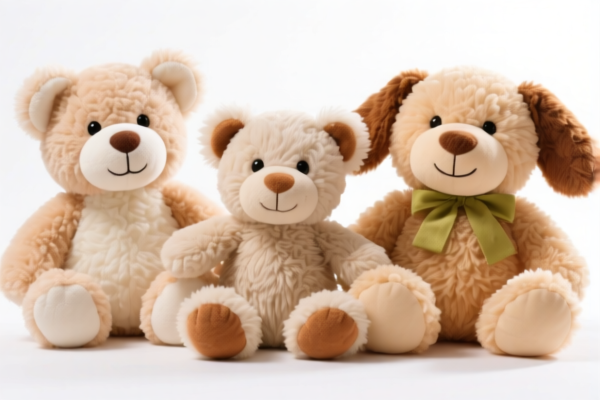
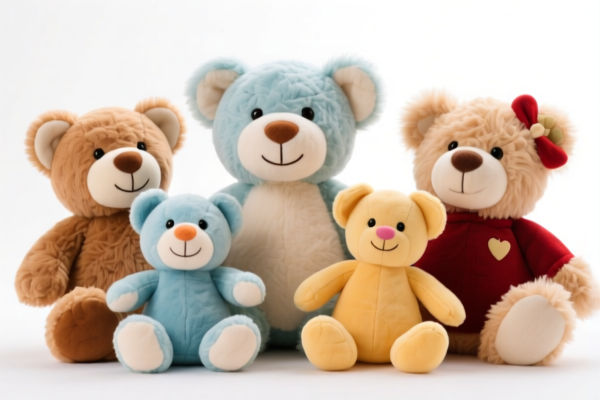
AI分析
🧸 Plush Toys (毛绒玩具)
🌐 HS Code Reference & Customs Clearance Guide | 2026 Latest Tariff Analysis | Strategic Import Strategy for US Markets
📌 I. Product Definition & Classification: What Exactly Are "Plush Toys"?
Plush toys, often referred to as stuffed animals or soft toys, are textile-based products filled with soft materials (such as polyester fiber, foam, or plastic pellets). In international trade, their classification depends heavily on material composition, primary use (toy vs. decoration), and manufacturing process.
Under US Customs regulations, plush toys are primarily classified under two main chapters: * Chapter 95 (Toys, Games, and Sports Equipment): Specifically heading 9503.00 ("Tricycles, scooters, pedal cars and similar wheeled toys; dolls' carriages; dolls; other toys; reduced-size ('scale') models and similar recreational models, working or not; puzzles of all kinds; parts and accessories of their own"). This is the most common and favorable classification for standard plush toys. * Chapter 63 (Other Made Up Textile Articles): Specifically heading 6307.90 ("Other made up articles, including dress patterns"). This category applies if the item is considered more of a "textile good" than a "toy" (e.g., certain decorative plush figures or items lacking standard toy characteristics).
⚠️ Critical Distinction:
- If the item is designed for play by children, is small in size, and has typical toy features (eyes, limbs, cute appearance) → HS Code 9503.xxxxxxxx
- If the item is primarily for decoration, is large/odd-shaped, or lacks standard toy attributes → HS Code 6307.xxxxxxxx
- If the toy is made of plastic parts (e.g., plastic body with fabric ears) or is an "animatronic" plush → HS Code 3926.40.00.90 (Plastic articles)
📦 II. HS Code Classification Details (2026 Latest Tariff Authority)
Based on the provided data, here are the specific HS Codes and their corresponding tax structures for Plush Toys imported into the United States from China.
| HS Code | Product Description | Material/Usage | Tax Status |
|---|---|---|---|
9503.00.00.73 |
Plush toys for play, made of plush/fabric | Primary Use: Toy Material: Plush/Fabric |
✅ Best Option Total Tax: 10.0% |
9503.00.00.71 |
Plush toys for play, stuffed/填充类 | Primary Use: Toy Material: Plush (Stuffed) |
✅ Best Option Total Tax: 10.0% |
6307.90.75.00 |
Plush toys, textile material, pet toys or ordinary finished toys | Alternative Use Material: Textile |
⚠️ Moderate Total Tax: 14.3% |
3926.40.00.90 |
Plush dolls/figures, decorative/doll use, plastic or other materials | Material: Plastic/Other Usage: Decoration/Doll |
⚠️ Moderate Total Tax: 15.3% |
6307.90.98.91 |
Other made-up textile products, fiber/plush material | Non-Toy Classification Material: Fiber/Plush |
❌ Highest Risk Total Tax: 24.5% |
🔍 Key Takeaway:
- HS Code 9503 is the gold standard for plush toys. It offers the lowest tax burden (10%).
- Misclassifying a standard plush toy as a general textile product (6307.90.98.91) results in a 14.5% tax increase (from 10% to 24.5%).
- Items with significant plastic components (e.g., plastic eyes, mechanical parts) might fall under3926.40.00.90.
💰 III. 2026 Latest Tariff Rate Breakdown (Including Additional Taxes)
✅ Applicable Country: United States (US)
✅ Country of Origin: China (CN)
✅ Effective Date: Current rates include Section 301 and Section 122 tariffs.
🎯 1. 9503.00.00.73 & 9503.00.00.71 —— Plush Toys (Toy Classification)
| Item | Content |
|---|---|
| Base Duty Rate | 0.0% (Ad Valorem) |
| Section 301 Surcharge | 0.0% |
| Section 122 Surcharge | +10.0% (Specific to China-origin goods under current executive orders) |
| Total Effective Rate | 10.0% |
| Calculation Method | CIF Value × 10% |
| De Minimis Eligibility | ✅ Yes (If value ≤ $800, eligible for de minimis exemption under Section 321, but subject to scrutiny) |
| Legal Basis | HTSUS:9503.00.00 → Section 122 Authority |
📌 Explanation:
- Base Duty: 0%. The US has a low base duty for toys from China to maintain competitive retail prices.
- Section 122 Tariff: A 10% surcharge applies specifically to Chinese-origin goods under current trade policies.
- Total Cost: Only 10% of the CIF value. This is the most cost-effective classification for plush toys.
🎯 2. 6307.90.75.00 —— Textile-Based Plush Toys (Pet/General)
| Item | Content |
|---|---|
| Base Duty Rate | 4.3% |
| Section 301 Surcharge | 0.0% |
| Section 122 Surcharge | +10.0% |
| Total Effective Rate | 14.3% |
| Calculation Method | CIF Value × 14.3% |
| De Minimis Eligibility | ⚠️ Conditional (Subject to textile quota rules if applicable) |
📌 Explanation:
- Higher base duty (4.3%) reflects the textile nature of the product.
- Total tax is 4.3% higher than the toy classification.
🎯 3. 3926.40.00.90 —— Plastic/Composite Plush Dolls
| Item | Content |
|---|---|
| Base Duty Rate | 5.3% |
| Section 301 Surcharge | 0.0% |
| Section 122 Surcharge | +10.0% |
| Total Effective Rate | 15.3% |
| Calculation Method | CIF Value × 15.3% |
📌 Explanation:
- Applies if the plush toy is largely made of plastic or has plastic components that define its character.
🎯 4. 6307.90.98.91 —— Other Made-Up Textile Articles
| Item | Content |
|---|---|
| Base Duty Rate | 7.0% |
| Section 301 Surcharge | +7.5% |
| Section 122 Surcharge | +10.0% |
| Total Effective Rate | 24.5% |
| Calculation Method | CIF Value × 24.5% |
| De Minimis Eligibility | ❌ No (High risk of audit if under $800) |
📌 Explanation:
- Highest Tax Bracket. Avoid this classification for standard plush toys.
- Includes Section 301 surcharge (7.5%) which does not apply to toy codes.
- Only used if the item is not considered a toy (e.g., a large plush cushion for home decor).
🛠️ IV. Customs Clearance Practical Advice (Pitfall Avoidance Guide)
✅ 1. Documentation Checklist (Mandatory)
| Document | Required | Explanation |
|---|---|---|
| ✅ Product Description | ✔️ | Must clearly state: "Plush Toy," "Stuffed Animal," "For Children's Play." Avoid vague terms like "Decorative Figure." |
| ✅ Material Composition | ✔️ | List % of fabric, stuffing, and any plastic parts. Example: "100% Polyester Plush, Polyester Fiber Stuffing." |
| ✅ Age Grading | ✔️ | Include "Not for children under 3 years" if small parts are present (choking hazard). |
| ✅ CPSC Certification | ✔️ | For the US market, a Children’s Product Certificate (CPC) is mandatory. Provide test reports from CPSC-accepted labs. |
| ✅ Commercial Invoice | ✔️ | Must match the HS Code declared. If declaring 9503, do not list "Textile Goods." |
| ✅ Packing List | ✔️ | Detail quantity, weight, and dimensions. |
✅ 2. Classification Strategy (Key Rules)
🔥 “Play First, Toy Code; Decor Second, Textile Code”
| Scenario | Recommended HS Code | Why? |
|---|---|---|
| Standard Stuffed Animal (Bear, Bunny, etc.) | 9503.00.00.71 or .73 |
Clearly for play; low tax (10%). |
| Plush Doll (Human-like, collectible) | 9503.00.00.73 |
Still considered a toy/doll. |
| Pet Toy (Plush bone, chew toy) | 6307.90.75.00 |
Not for children; classified as textile/pet accessory. |
| Large Plush Pillow/Throw | 6307.90.98.91 |
Not for play; classified as home textile. High Tax. |
| Plastic Body with Fabric Clothes | 3926.40.00.90 |
Plastic is the essential character. |
✅ 3. Special Situations
| Situation | Handling Advice |
|---|---|
| De Minimis (Section 321) | For shipments < $800, HS Code 9503 may enter duty-free. However, US Customs is tightening scrutiny on plush toys from China due to labor and safety concerns. Ensure full compliance with CPSC rules. |
| Section 122 Tariff | The 10% surcharge is non-negotiable for Chinese-origin goods. Factor this into your pricing model. |
| Antidumping/Countervailing Duties | While not currently applied to plush toys, monitor for new trade remedies. |
| Eco-Friendly Labels | If marketing as "Eco-Friendly," ensure materials are non-toxic and meet CPSIA standards. False claims can lead to penalties. |
🌍 V. Global Market Comparison (2026 Latest)
| Country/Region | Recommended HS Code | Duty Rate | Certification Requirements | Notes |
|---|---|---|---|---|
| 🇺🇸 United States | 9503.00.00.71/.73 |
10.0% | CPSC, CPSIA, ASTM F963 | 10% Section 122 tariff applies. CPC required. |
| 🇨🇳 China | 9503.00.00.71/.73 |
0% - 5% | CCC (if applicable) | Low import duty for domestic sales. |
| 🇪🇺 European Union | 9503.00.10 |
4.9% | CE, EN71, REACH | No Section 301/122 equivalents. |
| 🇬🇧 United Kingdom | 9503.00.10 |
4.9% | UKCA, EN71 | Post-Brexit rules apply. |
| 🇯🇵 Japan | 9503.00.10 |
4.6% | ST Mark, PSE (if electrical) | Low duty, strict safety standards. |
| 🇦🇺 Australia | 9503.00.10 |
5.0% | G Mark, AS/NZS | Moderate duty, high safety standards. |
📌 Conclusion:
- The US market is the most complex due to the 10% Section 122 surcharge and strict CPSC enforcement.
- EU and Japan offer more straightforward clearance with no additional punitive tariffs, but require rigorous safety testing (EN71, ST Mark).
- China domestic sales have the lowest barrier, but quality standards are rising.
📌 VI. Common Mistakes & Pitfall Guide (Lessons Learned)
❌ Mistake 1: Classifying a standard plush toy as 6307.90.98.91 (Textile Product)
👉 Consequence: Pay 24.5% tax instead of 10%. Overpay 14.5% on every unit!
❌ Mistake 2: Declaring "Plush Toy" but failing to provide CPSC/CPC documentation
👉 Consequence: Seizure of goods, fines, and potential ban from US market. Customs and Border Protection (CBP) strictly enforces toy safety.
❌ Mistake 3: Mixing "Pet Toys" and "Children's Toys" in one shipment without proper segregation
👉 Consequence: If a pet toy is declared as a children's toy, it may be rejected for safety reasons (small parts, non-toxic standards). Separate shipments or clear labeling is required.
❌ Mistake 4: Ignoring Section 122 Tariff in cost calculations
👉 Consequence: Profit margin erosion. A 10% hidden tax can wipe out low-margin plush toy sales.
✅ Correct Approach:
"Plush Toy, Stuffed Rabbit, Polyester Fabric, Polyester Fiber Stuffing, For Children 3+ Years, CPSC Certified, CPC Provided, Made in China."
🎯 VII. Conclusion: Strategic Sourcing & Clearance for Profitability
🎯 Key Takeaways:
🔹 Always Use HS Code 9503 for plush toys intended for play. It saves you 14.5% in taxes compared to textile codes.
🔹 Budget for 10% Section 122 Tariff in your US import costs.
🔹 CPSC Compliance is Non-Negotiable. No CPC, No Entry.
🔹 De Minimis is Risky. While $800 shipments may be duty-free, the risk of audit is high. Plan for full compliance.
📌 Pro Tip:
If you are sourcing from Vietnam, Mexico, or Thailand, you may avoid the Section 122 Tariff (10%) and potentially qualify for USMCA or FTA benefits.
Consider supply chain diversification to reduce tariff exposure.
📣 Immediate Action Items:
📞 Consult a Customs Broker for pre-classification ruling if your product is unique.
📋 Ensure CPSC Certification is obtained before production.
💰 Recalculate Landed Cost including the 10% Section 122 tariff.
🚀 Optimize Packaging to reduce volume weight and shipping costs.
✨ Precision Classification Saves Money!
💼 Every Percent Counts in the Plush Toy Industry!
用户评价
关于 HS 编码归类
协调制度(HS)是由世界海关组织(WCO)制定的国际贸易商品分类标准。全球 200 多个国家采用 HS 系统作为海关关税、贸易统计和进出口监管的基础。
每个 HS 编码遵循以下层级结构:
- 章(2 位)——商品大类(例如:第 84 章:机器和机械设备)
- 品目(4 位)——章内的更具体分类
- 子目(6 位)——国际通用细分,所有 WCO 成员国统一使用
- 本国细分(8-10 位)——各国自行扩展的细分编码,如美国 HTSUS 10 位编码
正确的 HS 编码归类对于顺利通关、准确缴纳关税和遵守贸易法规至关重要。错误归类可能导致海关延误、多缴关税或罚款。
从CN进口到US时,适用的关税税率可能包括:
- 最惠国(MFN)税率——适用于 WTO 成员国的标准关税税率
- 普通税率——适用于无贸易协定国家
- 贸易救济关税——附加关税,如 301 条款(反倾销)、232 条款(国家安全)或反补贴税
本页内容仅供参考。如需正式归类,请咨询当地海关或持牌报关代理。