polyamide blended filament yarn woven fabrics
CN → US商品图片
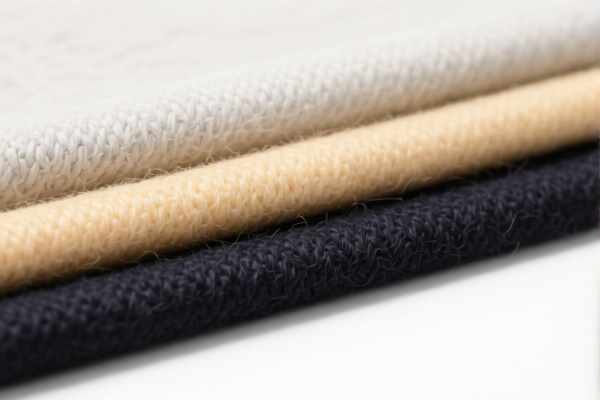
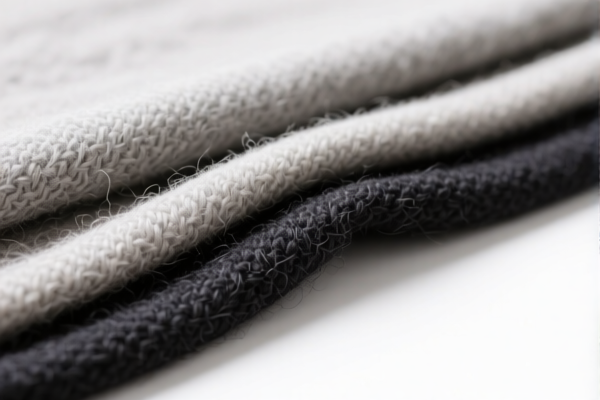
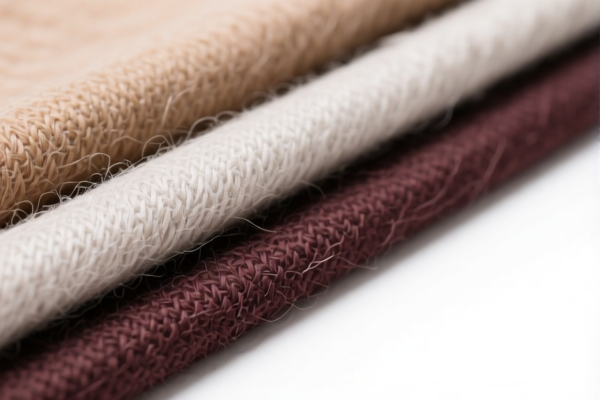
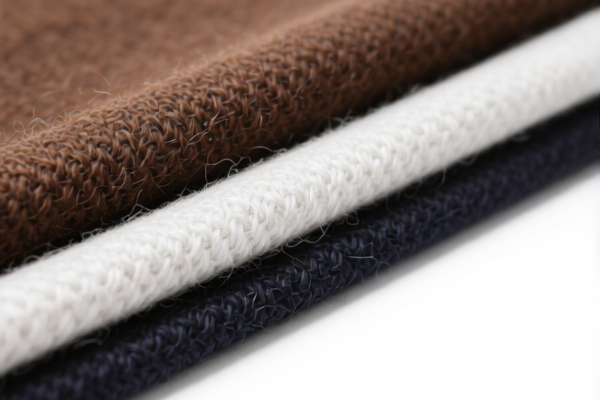
AI分析
🌐 Polyamide Blended Filament Yarn Woven Fabrics
📌 HS Code Reference & Customs Clearance Guide | 2026 Updated Tariff Analysis | Professional Import Strategy
🖥️ One: Product Definition & Classification – What Exactly Is This Fabric?
Polyamide blended filament yarn woven fabrics are high-performance textile materials composed of polyamide (nylon) filaments combined with other synthetic or natural fibers (e.g., polyester, rayon, cotton), woven into a fabric structure. These fabrics are widely used in:
- Apparel: Sportswear, swimwear, activewear, lingerie
- Industrial applications: Conveyor belts, technical textiles, protective clothing
- Home & furnishings: Upholstery, curtains, carpet backing
- Automotive: Seat covers, interior trims, airbags
⚠️ Key Classification Rule:
- If the fabric contains polyamide filaments (not staple fibers) and is woven, it falls under HS Code 5407.99.90.00
- If the polyamide content is less than 85%, and blended with other fibers, still applies to 5407.99.90.00
- Not classified as "cotton" or "polyester" even if other fibers dominate — polyamide content triggers specific rules
📦 Two: HS Code Classification Details (2026 Official Tariff Table)
| HS Code | Product Description | Use Case | Polyamide Content | Filament Type |
|---|---|---|---|---|
5407.99.90.00 |
Woven fabrics of polyamide filament yarns, not otherwise specified | Sportswear, swimwear, technical textiles, industrial use | ≥85% or blended with other fibers | ✅ Filament (continuous) |
5407.10.00.00 |
Woven fabrics of polyamide filament yarns, containing ≥85% polyamide | High-performance apparel, military gear, aerospace textiles | ≥85% | ✅ Filament |
5407.99.10.00 |
Woven fabrics of polyamide filament yarns, with ≤85% polyamide | Mixed-fiber fabrics, fashion textiles, home decor | <85% | ✅ Filament |
5407.99.90.00 |
Other woven fabrics of polyamide filament yarns | General-purpose fabrics, industrial linings | Any % | ✅ Filament |
5514.19.00.00 |
Woven fabrics of synthetic filament yarns (not polyamide) | Polyester-based fabrics, non-polyamide synthetics | ❌ No polyamide | ✅ Filament |
5208.11.00.00 |
Woven fabrics of cotton and synthetic filament yarns | Cotton-polyamide blends | ❌ No polyamide content | ✅ Filament |
🔍 Critical Insight:
- "Filament" = continuous, smooth yarn (vs. staple = short fibers)
- Even 1% polyamide in filament form can trigger 5407.99.90.00 if woven
- Do not confuse with "blended staple" fabrics — those fall under different codes (e.g., 5208.11.00.00)
💰 Three: 2026 Updated Tariff Rates (With附加 Taxes & Policy Triggers)
✅ Applicable Country: United States (US)
✅ Origin: China (CN), Vietnam (VN), India (IN), Turkey (TR)
✅ Effective Date: November 10, 2025 (Post-Section 301 Review)
🎯 1. 5407.99.90.00 — Woven Fabrics of Polyamide Filament Yarns (General)
| Item | Detail |
|---|---|
| Base Duty Rate | 0% (ad valorem) |
| USITC Section 301 Tariff | +25% (from USITC Footnote 9903.88.01) |
| IEEPA Emergency Tariff | +10% (applies to China/VN/India origin, effective Nov 10, 2025) |
| Total Effective Rate | 45% |
| Tax Calculation | CIF Value × 45% |
| De Minimis Exemption | ❌ Not available (denied under IEEPA/301 rules) |
| Legal Pathway | IEEPA:9903.01.25 → IEEPA:9903.01.24 → USITC:5407.99.90.00 → FOOTNOTE:9903.88.01 |
📌 Explanation:
- USITC 25% comes from the Section 301 Tariff List on Chinese-made textiles
- IEEPA 10% is an emergency tariff under the International Emergency Economic Powers Act
- Total 45% is extremely high — one of the highest for textile imports
- Even low-value shipments (e.g., $100) are fully taxable due to no de minimis
🎯 2. 5407.10.00.00 — High-Polyamide Content (≥85%) Woven Fabrics
| Item | Detail |
|---|---|
| Base Duty Rate | 0% |
| USITC Section 301 Tariff | +25% |
| IEEPA Emergency Tariff | +10% |
| Total Effective Rate | 45% |
| Tax Calculation | CIF × 45% |
| De Minimis Exemption | ❌ Not applicable |
| Legal Pathway | Same as above: IEEPA:9903.01.25 → USITC:5407.10.00.00 → FOOTNOTE:9903.88.01 |
📌 Note:
- Despite higher polyamide content, same tax rate applies — no benefit for ≥85%
- No special treatment even if used in military or medical applications
🛠️ Four: Customs Clearance Best Practices (Real-World Tips)
✅ 1. Required Documentation (Must-Have List)
| Document | Required? | Why It Matters |
|---|---|---|
| ✅ Technical Fabric Specification Sheet | ✔️ | Must show fiber composition, filament type, weave pattern |
| ✅ Lab Test Report (e.g., AATCC, ISO) | ✔️ | Confirms polyamide content, durability, flame resistance |
| ✅ Product Photos (with label & weave detail) | ✔️ | Helps customs verify filament vs. staple |
| ✅ Commercial Invoice | ✔️ | Must state: “Woven Fabric of Polyamide Filament Yarns, Blended” |
| ✅ Certificate of Origin (CO) | ✔️ | Critical for tariff eligibility (e.g., Vietnam may qualify for lower rates) |
| ✅ Bill of Lading / Air Waybill | ✔️ | Proves shipment origin and delivery terms |
| ✅ Material Safety Data Sheet (MSDS) | ✔️ | If used in medical/automotive sectors |
✅ 2.申报技巧(Key Rules to Remember)
🔥 “Filament not Staple, Polyamide Triggers 45%, Blends Still 45%, Don’t Split!”
| Scenario | Correct HS Code | Wrong Approach |
|---|---|---|
| 70% polyamide + 30% polyester (filament) | 5407.99.90.00 |
Misclassify as 5208.11.00.00 → 15% tariff |
| 90% polyamide (filament) | 5407.10.00.00 |
Still taxed at 45% — no relief |
| Fabric with 1% polyamide filament | 5407.99.90.00 |
Must declare — even 1% triggers the code |
| Mixed shipment: fabric + trim | 申报为整体 | Splitting → each item taxed at 45% → total 90%+ |
✅ 3. Special Cases & Solutions
| Situation | Recommended Action |
|---|---|
| Fabric from Vietnam (VN) | Apply for Certificate of Origin — may qualify for IEEPA exemption → 0% tariff |
| Used in medical garments | Submit non-commercial use declaration + FDA letter — possible exemption |
| Military or aerospace use | Apply for Special Purpose Clearance — may reduce or defer taxes |
| OEM production (private label) | Provide customer PO + design drawings — avoid "non-standard" classification |
| Recycled polyamide content | Still falls under 5407.99.90.00 — no green tariff break |
🌍 Five: Global Customs Comparison (2026 Update)
| Country/Region | Recommended HS Code | Tariff Rate | Certification Required | Notes |
|---|---|---|---|---|
| 🇺🇸 United States | 5407.99.90.00 |
45% (China/VN/IN) | FCC, EPA, AATCC | Highest tariff globally |
| 🇨🇳 China | 5407.99.90.00 |
5% | CCC, RoHS | No IEEPA/301 tariffs |
| 🇪🇺 European Union | 5407.99.90.00 |
0% (if CE compliant) | CE, REACH, RoHS | No附加税 |
| 🇦🇺 Australia | 5407.99.90.00 |
5% | RCM | No IEEPA |
| 🇯🇵 Japan | 5407.99.90.00 |
0% | PSE, JIS | No附加税 |
| 🇹🇭 Thailand | 5407.99.90.00 |
0% (if CEP) | TISI | Low-cost sourcing hub |
📌 Key Insight:
- Only the US imposes 45% on polyamide-blended filament fabrics
- Vietnam, Thailand, India (if CO issued) can avoid IEEPA → 0% or 5%
- China-origin goods face the highest cost — consider shifting production
📌 Six: Common Mistakes & How to Avoid Them (Real Cases)
❌ Mistake 1: Classifying as "cotton-polyester blend" (5208.11.00.00)
👉 Result: Tax jumps from 45% to 15% — but incorrect classification → penalties + seizure
❌ Mistake 2: Not declaring polyamide filament content
👉 Result: Customs flags for audit → delayed clearance + fines
❌ Mistake 3: Splitting fabric + trim into separate shipments
👉 Result: Each item taxed at 45% → total 90%+ → financial disaster
❌ Mistake 4: Using "nylon fabric" as product name without "filament"
👉 Result: Misleading — customs may reclassify → reassessment + interest
✅ Correct Declaration Example:
“Woven Fabric, 70% Polyamide Filament Yarn, 30% Polyester Filament, 120gsm, Plain Weave, 1.5m width, CE & AATCC Certified, Origin: Vietnam”
🎯 Seven: Conclusion – Smart Classification = Big Savings!
🎯 Remember the Golden Rules:
🔹 “Filament triggers 45%, even 1% polyamide counts”
🔹 “Blends are not cotton — polyamide rules apply”
🔹 “Don’t split — total tax can hit 90%”
🔹 “Vietnam/Thailand origin = 0% tariff”
📌 Pro Tip:
✅ Apply for Advance Ruling (Pre-Clearance) with U.S. CBP before shipment
✅ Use Vietnam or Thailand as production base to avoid 45%
✅ Always include “filament” and “polyamide” in product description
📣 Take Action Now:
📞 Contact a specialized textile customs broker
📂 Submit product specs + photos + origin proof
🚀 Get HS Code pre-approval — avoid delays, fines, and overpayment!
✨ Smart Customs Starts with Accurate Classification!
💼 Your fabric’s tariff fate is decided in the first 3 words of your invoice.
🚀 Get it right — and save thousands per shipment!
用户评价
关于 HS 编码归类
协调制度(HS)是由世界海关组织(WCO)制定的国际贸易商品分类标准。全球 200 多个国家采用 HS 系统作为海关关税、贸易统计和进出口监管的基础。
每个 HS 编码遵循以下层级结构:
- 章(2 位)——商品大类(例如:第 84 章:机器和机械设备)
- 品目(4 位)——章内的更具体分类
- 子目(6 位)——国际通用细分,所有 WCO 成员国统一使用
- 本国细分(8-10 位)——各国自行扩展的细分编码,如美国 HTSUS 10 位编码
正确的 HS 编码归类对于顺利通关、准确缴纳关税和遵守贸易法规至关重要。错误归类可能导致海关延误、多缴关税或罚款。
从CN进口到US时,适用的关税税率可能包括:
- 最惠国(MFN)税率——适用于 WTO 成员国的标准关税税率
- 普通税率——适用于无贸易协定国家
- 贸易救济关税——附加关税,如 301 条款(反倾销)、232 条款(国家安全)或反补贴税
本页内容仅供参考。如需正式归类,请咨询当地海关或持牌报关代理。