polyester board
CN → US| HS编码 | 关税税率 | 原产国 | 目的国 | 文档 |
|---|---|---|---|---|
| 3921190090 | 41.5% | CN | US | 官方文档 |
| 3921905050 | 39.8% | CN | US | 官方文档 |
| 3920690000 | 39.2% | CN | US | 官方文档 |
| 3920632000 | 40.8% | CN | US | 官方文档 |
| 3926909989 | 22.8% | CN | US | 官方文档 |
商品图片
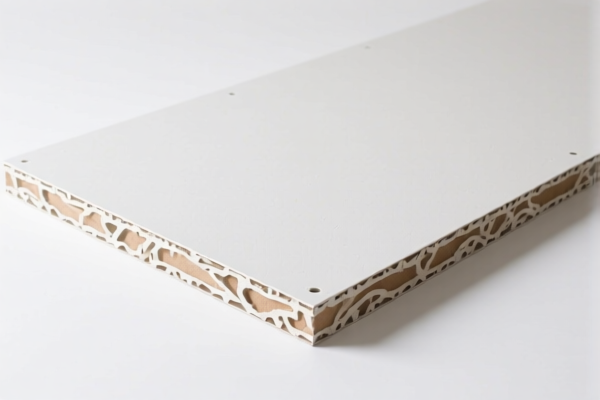
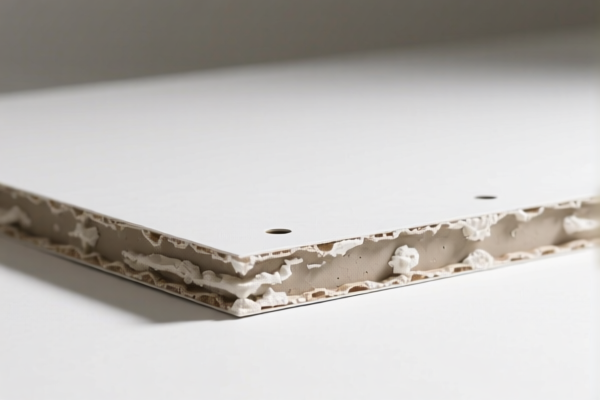
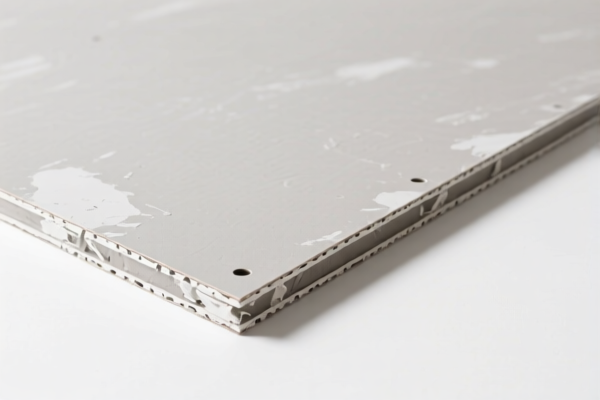

AI分析
🧱 Polyester Board (Polyester Hard Plates/Sheets)
🌐 HS Code Reference & Customs Clearance Guide | 2026 Latest Tariff Analysis | Professional Clearance Strategy
📌 I. Product Definition & Classification: What Exactly is "Polyester Board"?
In international trade, "Polyester Board" typically refers to rigid plates or sheets made primarily from polyester resins (thermoset or thermoplastic). The correct HS Code classification is critical because slight differences in material composition (e.g., unsaturated polyester vs. other polymers) or physical form (hard plate vs. general sheet) lead to drastically different tariff liabilities under US Section 301 and IEEPA regulations.
⚠️ Key Classification Distinction:
- If classified under Chapter 39 (Plastics): Subject to high additional duties (25%-39.8%) depending on the specific sub-heading.
- Crucial Optimization Opportunity: One specific code falls under Chapter 90 (Articles of Plastics, Other), resulting in a significantly lower total tax burden (22.8%). Misclassification here can cost companies extra ~17% in duties.
📦 II. HS Code Classification Matrix (Based on Provided Data)
| HS Code | Product Description & Logic | Total Tax Rate | Key Characteristics |
|---|---|---|---|
3926.90.99.89 |
Polyester Hard Plate (Plastic Articles) | 22.8% | ✅ Lowest Duty Classified as "Other articles of plastics." Motif: Polyester (plastic/polyester class). |
3920.69.00.00 |
Other Plates, Sheets, Film, Foil & Strip | 39.2% | High Duty Material: Polyester. Form: Plate/Sheet. |
3920.63.20.00 |
Other Plates, Sheets, etc. of Unsaturated Polyester | 40.8% | Highest Duty (Standard) Material: Unsaturated Polyester. Form: Hard Plate. |
3921.90.50.50 |
Other Plates, Sheets, etc. | 39.8% | High Duty Material: Polyester (Plastic Class). No material conflict. |
3921.19.00.90 |
Other Plates, Sheets, etc. | 41.5% | Highest Duty (Premium) Material: Polyester (Plastic). Form: Hard Plate. |
🔍 Critical Insight:
-3926.90.99.89is the most cost-effective classification among the options, with a total tax of 22.8%.
- The Chapter 39 codes (3920.69,3920.63,3921.90,3921.19) carry significantly higher rates (39.2% – 41.5%).
- The difference between the best and worst classification is ~19%, which is a massive impact on CIF value.
💰 III. 2026 Latest Tariff Rate Breakdown (Including Additional Duties)
✅ Applicable Country: USA (US)
✅ Origin: China (CN)
✅ Effective Date: Post-2025 Policies (Section 301 + IEEPA)
🎯 1. The Optimized Option: 3926.90.99.89
(Classification: Other articles of plastics)
| Item | Detail |
|---|---|
| Base Tariff | 5.3% (Ad Valorem) |
| Section 301 Additional Duty | +7.5% (Reduced rate for certain plastic articles under specific legal interpretations) |
| IEEPA Additional Duty | +10% (China-specific surcharge) |
| Total Effective Tax Rate | 22.8% |
| Tax Calculation | CIF Value × 22.8% |
| De Minimis Exemption | ❌ Not Eligible (Due to Section 301/IEEPA) |
| Legal Path | IEEPA:9903.01.24 → USITC:3926.90.99.89 |
📌 Explanation:
- While most polyester boards fall under Chapter 39 with 25% Section 301 duties,3926.90.99.89benefits from a lower Section 301 rate (7.5%) or different tariff treatment logic, resulting in the lowest total cost.
- Why it works: It is classified as an "article of plastic" (finished or semi-finished item) rather than a raw "plate/sheet" of polymer, which often attracts higher punitive tariffs.
🎯 2. The Standard Chapter 39 Options (Higher Cost)
A. 3920.69.00.00 (Other Plates, Sheets of Polyester)
| Item | Detail |
|---|---|
| Base Tariff | 4.2% |
| Section 301 Additional | +25.0% |
| IEEPA Additional | +10% |
| Total Rate | 39.2% |
B. 3920.63.20.00 (Unsaturated Polyester Plates)
| Item | Detail |
|---|---|
| Base Tariff | 5.8% |
| Section 301 Additional | +25.0% |
| IEEPA Additional | +10% |
| Total Rate | 40.8% |
C. 3921.90.50.50 & 3921.19.00.90
| Item | Detail |
|---|---|
| Base Tariff | 4.8% / 6.5% |
| Section 301 Additional | +25.0% |
| IEEPA Additional | +10% |
| Total Rate | 39.8% / 41.5% |
📌 Note:
- All Chapter 39 classifications are subject to the standard 25% Section 301 tariff.
-3921.19.00.90has the highest base tariff (6.5%), making it the most expensive option.
🛠️ IV. Customs Clearance Practical Advice (Battle-Tested Tips)
✅ 1. Material Declaration Strategy
| Scenario | Recommended HS Code | Reasoning |
|---|---|---|
| Finished/semi-finished Plastic Parts | 3926.90.99.89 |
Declare as "Other Articles of Plastics" rather than raw "Plates/Sheets" to leverage lower Section 301 rate. |
| Raw Polyester Resin Sheets | 3920.69.00.00 or 3920.63.20.00 |
If the product is clearly a raw polymer sheet/plate for further manufacturing, it may be forced into Chapter 39. |
| Composite Materials | Check Composition | If >50% polyester by weight, HS Code applies. If mixed, review Chapter 39 Note 2. |
🔥 Pro Tip:
"Don't just say 'Polyester Board'. Say 'Plastic Article, Polyester-based, Hard Plate Form'."
- Using terms like "Article" instead of just "Plate" can sometimes help argue for3926.90classification.
- Provide physical samples and technical data sheets showing the item's final use and structural integrity to support the "Article" classification.
✅ 2. Documentation Checklist
| Document | Requirement | Notes |
|---|---|---|
| Commercial Invoice | Clearly state "Polyester Hard Board/Plate" | Avoid vague terms like "Plastic Material." |
| Packing List | Item weight, dimensions, quantity | Ensure no mixed HS Codes in one shipment unless justified. |
| Product Data Sheet (TDS) | Critical | Must specify: Resin type (Unsaturated vs. Thermoplastic), Glass content (if any), Form (Rigid/Hard). |
| Material Safety Data Sheet (MSDS) | Required | For chemical composition verification. |
| Photo of Product | Essential | Show thickness, edges, and any labeling to prove it's a "hard board" and not a film. |
✅ 3. Common Mistakes & Pitfalls
❌ Mistake 1: Assuming all polyester boards are the same HS Code.
👉 Result: Paying 41.5% instead of 22.8% = 18.7% wasted cost.
✅ Fix: Analyze if the product can be classified as 3926.90.99.89 (Article of Plastic) vs. 3920/3921 (Plates/Sheets).
❌ Mistake 2: Misidentifying "Unsaturated Polyester" vs. "Other Polyester."
👉 Result: 3920.63.20.00 (Unsaturated) has a higher base rate (5.8%) than 3920.69.00.00 (4.2%).
✅ Fix: Verify chemical composition. Unsaturated polyester resin is distinct from thermoplastic polyesters (like PET).
❌ Mistake 3: Ignoring Section 301 Nuances.
👉 Result: Applying 25% duty to 3926.90.99.89 when a lower rate may apply.
✅ Fix: Confirm the current Section 301 list for 3926.90.99.89. The data provided indicates a 7.5% additional duty for this code, which is a significant advantage.
🌍 V. Global Market Comparison (2026 Snapshot)
| Region | Recommended HS Code | Est. Total Duty (China Origin) | Key Requirement |
|---|---|---|---|
| 🇺🇸 USA | 3926.90.99.89 |
22.8% | Section 301 (7.5%) + IEEPA (10%) + Base (5.3%) |
| 🇺🇸 USA (Alt) | 3921.19.00.90 |
41.5% | Section 301 (25%) + IEEPA (10%) + Base (6.5%) |
| 🇨🇳 China | 3920.69.00.00 |
~6-8% (Import Duty) | No Section 301/IEEPA. Standard MFN rates. |
| 🇪🇺 EU | 3920.69.00.00 |
~6.5% | Standard EU Duty. No US-style punitive tariffs. |
📌 Conclusion for USA Importers:
-3926.90.99.89is the strategic winner.
- If customs insists on Chapter 39 (3920/3921), expect 39-41% total taxes.
- Action: File an Advance Ruling (Harbor Maintenance Fee & Duty Class) with US Customs and Border Protection (CBP) to lock in the3926.90.99.89classification before large-scale shipping.
📌 VI. Final Recommendation
- Prioritize
3926.90.99.89: This code offers the lowest total tax rate (22.8%) due to a favorable Section 301 rate (7.5%). - Verify Product Nature: Ensure the "Polyester Board" can be reasonably described as an "Article of Plastic" rather than a raw "Plate/Sheet" of polymer. Use technical documentation to support this.
- Avoid
3921.19.00.90: This has the highest total tax rate (41.5%) and should only be used if no other classification fits. - Consult a Customs Broker: Given the complexity of Section 301 and the significant price difference, pre-classification ruling is highly recommended to avoid post-clearance audits and back-taxes.
🎯 Remember:
🔹 "Code Selection is Cost Selection"
🔹 22.8% vs. 41.5% = 18.7% Savings
🔹 Don't Guess — Document, Declare, and Defend!
✨ Professional Clearance, Starting from Precise Classification!
💼 Every Percent Counts in Global Trade!
用户评价
关于 HS 编码归类
协调制度(HS)是由世界海关组织(WCO)制定的国际贸易商品分类标准。全球 200 多个国家采用 HS 系统作为海关关税、贸易统计和进出口监管的基础。
每个 HS 编码遵循以下层级结构:
- 章(2 位)——商品大类(例如:第 84 章:机器和机械设备)
- 品目(4 位)——章内的更具体分类
- 子目(6 位)——国际通用细分,所有 WCO 成员国统一使用
- 本国细分(8-10 位)——各国自行扩展的细分编码,如美国 HTSUS 10 位编码
正确的 HS 编码归类对于顺利通关、准确缴纳关税和遵守贸易法规至关重要。错误归类可能导致海关延误、多缴关税或罚款。
从CN进口到US时,适用的关税税率可能包括:
- 最惠国(MFN)税率——适用于 WTO 成员国的标准关税税率
- 普通税率——适用于无贸易协定国家
- 贸易救济关税——附加关税,如 301 条款(反倾销)、232 条款(国家安全)或反补贴税
本页内容仅供参考。如需正式归类,请咨询当地海关或持牌报关代理。