polyester picnic lunch bag
CN → US| HS编码 | 关税税率 | 原产国 | 目的国 | 文档 |
|---|---|---|---|---|
| 3923290000 | 38.0% | CN | US | 官方文档 |
| 3926903300 | 16.5% | CN | US | 官方文档 |
| 3926901000 | 20.9% | CN | US | 官方文档 |
| 4202920809 | 42.0% | CN | US | 官方文档 |
| 4202920807 | 42.0% | CN | US | 官方文档 |
商品图片
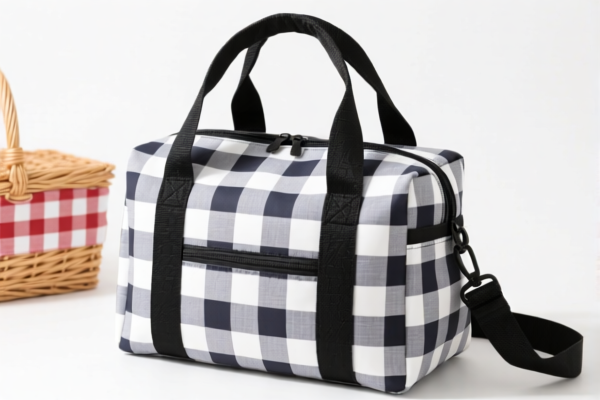
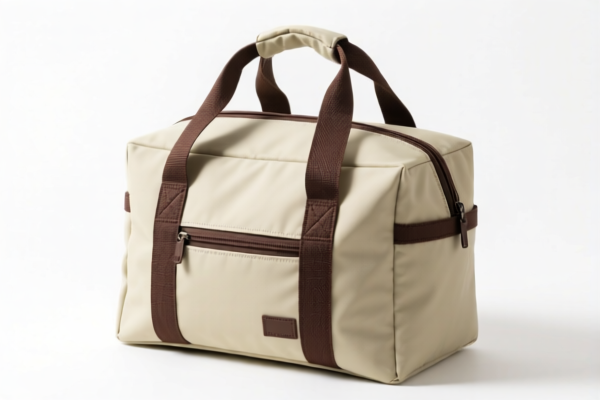
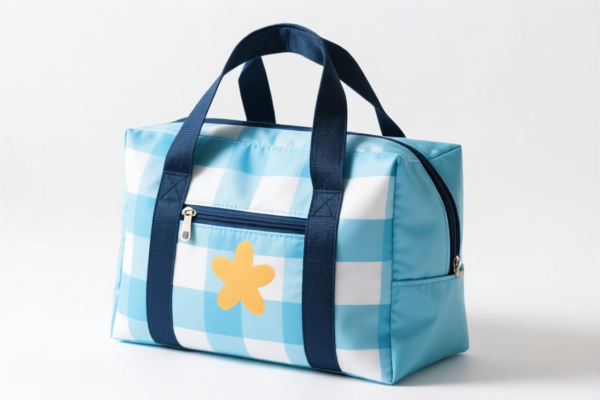
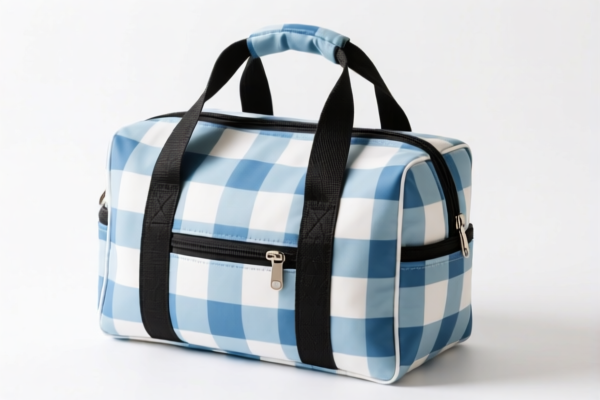
AI分析
👜 Polyester Picnic Lunch Bag (Portable Food Bags)
🌐 HS Code Reference & Customs Clearance Guide | 2026 Latest Tariff Analysis | Professional Entry Strategy
📌 I. Product Definition & Classification: Do You Truly Understand the "Polyester Lunch Bag"?
The Polyester Picnic Lunch Bag is a portable container designed for storing and transporting food and beverages. In international trade, its classification is critical because it sits at the intersection of plastics and textiles/apparel accessories. The correct HS Code depends on whether it is viewed primarily as a plastic packaging item or a textile/leather-like accessory.
⚠️ Key Distinction Points:
- If the bag is essentially a plastic pouch/sack (even if polyester material, used for food packaging): → 3923.29.00.00
- If it is an insulated bag made of man-made fibers (polyester) with lining/insulation: → 4202.92.08.xx
- If it is a general plastic article not fitting other specific plastic categories: → 3926.90.xx.00
📦 II. HS Code Classification Details (2026 Latest Tariff Authority Comparison)
Based on the provided data, here are the five potential HS Codes for "Polyester Portable Food Bags" and their corresponding tax implications.
| HS Code | Product Description & Logic | Tax Rate (Total) | Tax Breakdown |
|---|---|---|---|
| 3923.29.00.00 | Plastic Sacks and Bags: Classified as plastic sacks/sacs for food. Polyester is often treated as a plastic polymer in this context. | 38.0% | Base: 3.0% + Section 301: 25.0% + Section 122: 10% |
| 3926.90.33.00 | Other Plastic Articles: Classified as "other" plastic manufactured items not specified elsewhere. | 16.5% | Base: 6.5% + Section 301: 0.0% + Section 122: 10% |
| 3926.90.10.00 | Polyester Plastic Articles: Specifically for plastic articles made of polyester. | 20.9% | Base: 3.4% + Section 301: 7.5% + Section 122: 10% |
| 4202.92.08.09 | Insulated Food/Drink Bags (Other Material): Classified as insulated bags made of other materials (e.g., composite textiles with plastic lining). | 42.0% | Base: 7.0% + Section 301: 25.0% + Section 122: 10% |
| 4202.92.08.07 | Insulated Food/Drink Bags (Man-Made Fiber): Specifically insulated bags made of synthetic fabrics (polyester). | 42.0% | Base: 7.0% + Section 301: 25.0% + Section 122: 10% |
🔍 Critical Insight:
- Cost Advantage:3926.90.33.00offers the lowest total tariff at 16.5%.
- High Cost Risk:4202.92.08.07/09and3923.29.00.00carry high Section 301 tariffs (25%), pushing total rates to 38-42%.
- Ambiguity: The choice between Chapter 39 (Plastics) and Chapter 42 (Articles of Leather/Travel Goods) depends on the bag’s construction. If it has significant insulation and textile structure, Customs may prefer Chapter 42. If it is a simple pouch, Chapter 39 is more likely.
💰 III. 2026 Latest Tariff Rate Details (Including Surcharges & Policy Add-ons)
✅ Applicable Country: United States (US)
✅ Origin: China (CN)
✅ Effective Date: November 10, 2025 (and subsequent imports)
🎯 1. 3923.29.00.00 —— Plastic Sacks and Bags
| Item | Content |
|---|---|
| Base Tariff | 3.0% (ad valorem) |
| USITC Additional Tariff | +25% (Section 301) |
| IEEPA Additional Tariff | +10% (Section 122, targeting China/HK products) |
| Total Tariff | 38.0% |
| Tax Calculation | CIF Value × 38% |
| De Minimis Exemption | ❌ Not Eligible (deny_de_minimis) |
| Legal Basis Path | IEEPA:9903.01.25 → Section 301: 3923.29.00.00 → FOOTNOTE:9903.88.01 |
📌 Explanation:
- This code treats the polyester bag as a standard plastic packaging item.
- The 25% Section 301 tariff is applied because most polyester plastics are subject to US trade remedies.
- High Cost: Nearly 40% tax significantly impacts profit margins.
🎯 2. 3926.90.33.00 —— Other Plastic Articles (Lowest Tax Strategy)
| Item | Content |
|---|---|
| Base Tariff | 6.5% |
| USITC Additional Tariff | 0.0% (Exempt from Section 301 surcharge for this specific subheading) |
| IEEPA Additional Tariff | +10% (Section 122) |
| Total Tariff | 16.5% |
| Tax Calculation | CIF Value × 16.5% |
| De Minimis Exemption | ❌ Not Eligible |
| Legal Basis Path | IEEPA:9901.25 → Section 301 Exemption → USITC:3926.90.33.00 |
📌 Note:
- This is the most cost-effective option among the plastic classifications.
- It classifies the bag as a general plastic article, avoiding the high Section 301 rate.
- Strategy: If your product can be legitimately classified as "other plastic articles" (e.g., simple non-insulated pouches), this is the optimal HS Code.
🎯 3. 3926.90.10.00 —— Polyester Plastic Articles
| Item | Content |
|---|---|
| Base Tariff | 3.4% |
| USITC Additional Tariff | +7.5% (Partial Section 301 application) |
| IEEPA Additional Tariff | +10% (Section 122) |
| Total Tariff | 20.9% |
| Tax Calculation | CIF Value × 20.9% |
| De Minimis Exemption | ❌ Not Eligible |
| Legal Basis Path | IEEPA:9901.25 → Section 301 Partial → USITC:3926.90.10.00 |
📌 Note:
- Specific to polyester-based plastic items.
- Lower base rate (3.4%) but higher Section 301 surcharge (7.5%) compared to3926.90.33.00.
- Total cost is slightly higher than3926.90.33.00due to the added surcharge.
🎯 4. 4202.92.08.09 & 4202.92.08.07 —— Insulated Food/Drink Bags
| Item | Content |
|---|---|
| Base Tariff | 7.0% |
| USITC Additional Tariff | +25% (Full Section 301) |
| IEEPA Additional Tariff | +10% (Section 122) |
| Total Tariff | 42.0% |
| Tax Calculation | CIF Value × 42% |
| De Minimis Exemption | ❌ Not Eligible |
| Legal Basis Path | IEEPA:9903.01.25 → Section 301: 4202.92.08.xx |
📌 Explanation:
- These codes apply to insulated bags (often with foil lining, thick padding, or zippers typical of lunchboxes).
- Highest Tax Burden: 42% is the most expensive option.
- Risk: If you claim this code but the bag lacks insulation, Customs may reclassify it, leading to penalties.
🛠️ IV. Customs Clearance Practical Advice (Battle-Tested Pitfall Guide)
✅ 1. Preparation Checklist (Mandatory)
| Material | Required? | Explanation |
|---|---|---|
| ✅ Product Specification Sheet | ✔️ | Must detail dimensions, material composition (e.g., "100% Polyester Outer, Aluminum Foil Lining"), and insulation type. |
| ✅ Product Photos | ✔️ | Clear images of the bag’s interior (lining), exterior, and any insulation layers. |
| ✅ Commercial Invoice | ✔️ | Describe as "Polyester Food Storage Bag" or "Insulated Lunch Bag" consistently with HS Code. |
| ✅ Packing List | ✔️ | Indicate if bags are sold individually or in sets. |
| ✅ Material Safety Data Sheet (MSDS) | ⚠️ Optional | If the bag contains chemical coatings or adhesives, Customs may request MSDS. |
✅ 2. Declaration Strategy (Key Mantra)
🔥 "Check Insulation, Check Lining, Choose Chapter 39 or 42, Avoid 42% Trap!"
| Scenario | Recommended HS Code | Why? |
|---|---|---|
| Simple Pouch (No insulation, thin polyester) | 3923.29.00.00 or 3926.90.33.00 |
Fits "plastic sack" or "other plastic article". Lower tax. |
| Insulated Bag (Thick, foil-lined, zipped) | 4202.92.08.07 |
Fits "article of textiles, insulated". High tax but accurate. |
| Hybrid (Polyester outer, plastic inner) | Consult Broker | Risk of reclassification. 3926.90.33.00 may be argued if plastic lining dominates. |
| Bag with Handles/Straps | 4202.92.08.07 |
Presence of structured handles often pushes classification to Chapter 42 (Travel Goods). |
✅ 3. Special Handling Tips
| Situation | Recommendation |
|---|---|
| OEM Custom Bags | Provide design drawings showing material layers. If the outer fabric is polyester but the functional layer is plastic, argue for Chapter 39. |
| "Lunch Bag" vs. "Food Bag" | Avoid vague terms. Use "Polyester Food Storage Pouch" for Chapter 39; use "Insulated Lunch Box" for Chapter 42. |
| De Minimis Loophole (Section 321) | ❌ Not Available: All listed codes have deny_de_minimis. Shipments under $800 will still be taxed if declared under these codes. |
| Section 122 Impact | Remember: All codes above include a 10% Section 122 tariff. This is a new/additional levy on many Chinese goods. Factor this into pricing. |
🌍 V. Global Market Comparison (2026 Latest)
| Country/Region | Recommended HS Code | Est. Tariff (China Origin) | Notes |
|---|---|---|---|
| 🇺🇸 USA | 3926.90.33.00 |
16.5% | Best rate for plastic articles. Avoid 4202 if possible (42%). |
| 🇨🇳 China | 3923.29.00.00 |
~3-6% | Low import duties into China, but this guide is for US Exports. |
| 🇪🇺 EU | 4202.92.00 |
~4-12% | EU uses 8-digit codes differently. No Section 301/122 equivalent. |
| 🇨🇦 Canada | 4202.92.00 |
~5-10% | USMCA may apply if originating in NA. |
📌 Conclusion:
- US Market is Hardest: High Section 301 and Section 122 tariffs make classification critical.
- Optimization: Try to classify under3926.90.33.00(16.5%) if the product structure allows.
- Risk: Misclassifying an insulated bag as a simple plastic sack to save tax can lead to seizure, fines, and back-taxes.
📌 VI. Common Mistakes & Pitfall Guide (Lessons from Blood & Tears)
❌ Mistake 1: Declaring an insulated bag as 3923.29.00.00
👉 Consequence: Customs may reclassify to 4202.92.08.07 (42% tax) → Back-taxes + Penalties!
❌ Mistake 2: Ignoring Section 122 (10%) in cost calculations
👉 Consequence: Profit margin erosion. Many brokers forget this new levy.
❌ Mistake 3: Using "Lunch Box" for a soft bag
👉 Consequence: "Lunch Box" often implies rigid plastic/metal (3924 or 7323). Soft bags should use 3923 or 4202.
✅ Correct Practice:
"Soft-sided Insulated Lunch Bag, 100% Polyester Outer, Aluminum Foil Inner, Zip Closure, No Wheels" →
4202.92.08.07
"Simple Polyester Food Storage Pouch, No Insulation, Zippered" →3926.90.33.00(Argue for lower tax)
🎯 VII. Conclusion: Professional Declaration, Save Costs, Ensure Smooth Clearance!
🎯 Remember the Mantra:
🔹 "Insulated = Chapter 42 (42% Tax); Simple Pouch = Chapter 39 (16-38% Tax)."
🔹 "Section 122 is 10% Extra; Don’t forget it in your margin calculation."
🔹 "Best Rate =3926.90.33.00(16.5%), but only if product fits!"
📌 Pro Tip:
- If your bags are simple pouches without heavy insulation, insist on
3926.90.33.00during pre-clearance.- For insulated bags, accept
4202.92.08.07but ensure the description matches (e.g., mention "insulated" clearly).- Apply for a Binding Ruling if shipping large volumes to lock in the HS Code and avoid audits.
📣 Immediate Action:
📞 Contact your customs broker before shipment.
📤 Send product photos and material specs.
🚀 Optimize your HS Code to save up to 25% in tariffs!
✨ Professional Customs Clearance Starts with Accurate Classification!
💼 Every Percent Saved is Pure Profit!
用户评价
关于 HS 编码归类
协调制度(HS)是由世界海关组织(WCO)制定的国际贸易商品分类标准。全球 200 多个国家采用 HS 系统作为海关关税、贸易统计和进出口监管的基础。
每个 HS 编码遵循以下层级结构:
- 章(2 位)——商品大类(例如:第 84 章:机器和机械设备)
- 品目(4 位)——章内的更具体分类
- 子目(6 位)——国际通用细分,所有 WCO 成员国统一使用
- 本国细分(8-10 位)——各国自行扩展的细分编码,如美国 HTSUS 10 位编码
正确的 HS 编码归类对于顺利通关、准确缴纳关税和遵守贸易法规至关重要。错误归类可能导致海关延误、多缴关税或罚款。
从CN进口到US时,适用的关税税率可能包括:
- 最惠国(MFN)税率——适用于 WTO 成员国的标准关税税率
- 普通税率——适用于无贸易协定国家
- 贸易救济关税——附加关税,如 301 条款(反倾销)、232 条款(国家安全)或反补贴税
本页内容仅供参考。如需正式归类,请咨询当地海关或持牌报关代理。