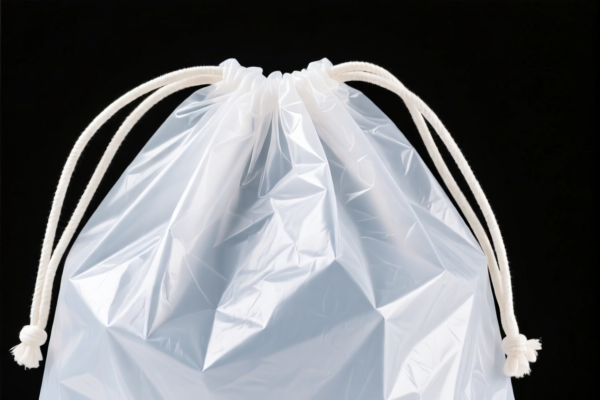
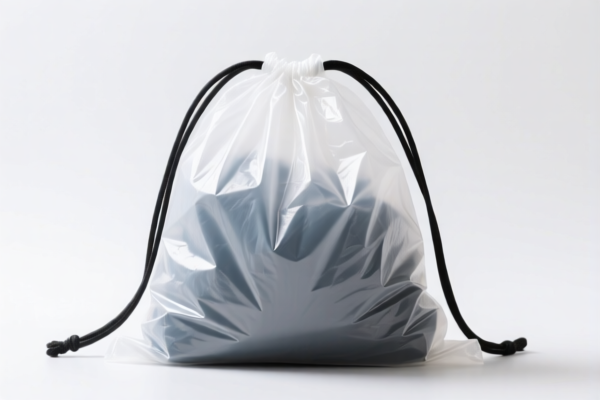
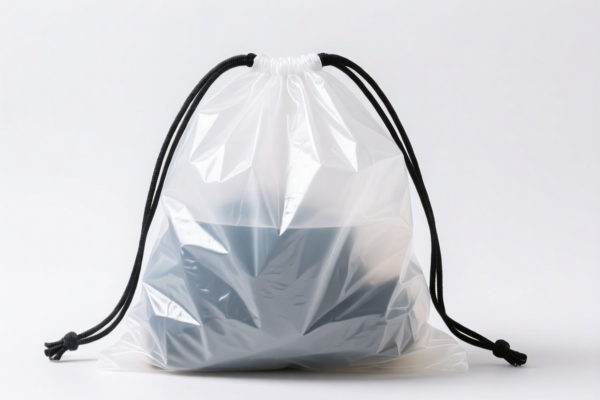
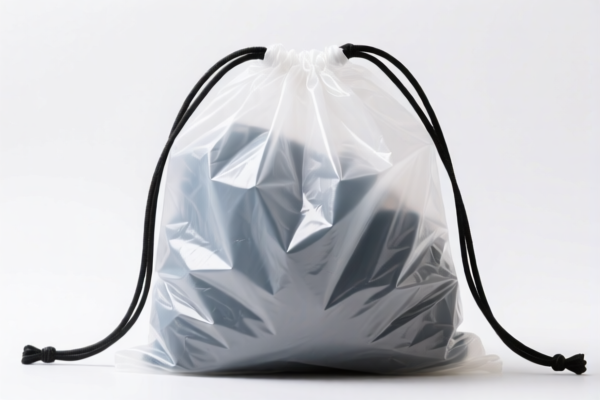
polyethylene bag with drawstring
CN → US| HS编码 | 关税税率 | 原产国 | 目的国 | 文档 |
|---|---|---|---|---|
| 3923210085 | 38.0% | CN | US | 官方文档 |
| 3923210095 | 38.0% | CN | US | 官方文档 |
| 3923210011 | 38.0% | CN | US | 官方文档 |
| 3923210080 | 38.0% | CN | US | 官方文档 |
| 6305390000 | 25.9% | CN | US | 官方文档 |
商品图片
AI分析
🛍️ Polyethylene Bag with Drawstring (带抽绳聚乙烯袋)
🌐 HS Code Reference & Customs Clearance Guide | 2026 Latest Tariff Analysis | Professional Customs Strategy
📌 Part I: Product Definition & Classification: Do You Really Know "Polyethylene Bag"?
A Polyethylene Bag with Drawstring is a flexible packaging item made primarily of polyethylene (plastic) featuring a drawstring closure mechanism. In international trade, classification depends heavily on the material composition and the specific form/feature of the bag.
Key Distinction Points:
- Material is Key: If the bag is made of Polyethylene (PE), it falls under Chapter 39 (Plastics). If it is made of Fabric/Textile, it falls under Chapter 63 (Other made-up textile articles).
- Feature Specificity: Some HS codes specifically list "bags with drawstring" (e.g., 3923.21.00.85), while others are catch-all categories for "other bags" (e.g., 3923.21.00.95).
- Misclassification Risk: Declaring a fabric bag as plastic (or vice versa) leads to significant duty differences and potential customs penalties.
📦 Part II: HS Code Classification Details (2026 Latest Tariff Reference)
Below is the detailed breakdown of HS Codes and tax rates for Polyethylene Bags with Drawstring based on the provided data.
| HS Code | Product Description & Classification Logic | Total Tax Rate | Tax Breakdown |
|---|---|---|---|
| 3923.21.00.85 | Polyethylene Bag with Drawstring Material: Polyethylene. Form: Bag with drawstring. Logic: Fits the specific classification explanation for drawstring bags. |
38.0% | Base: 3.0% Add-on: 25.0% Section 301/122: 10% |
| 3923.21.00.95 | Other Polyethylene Bags Material: Polyethylene. Form: Bag (not specifically listed as drawstring in this subheading). Logic: Falls under "Other" for plastic sacks/bags. |
38.0% | Base: 3.0% Add-on: 25.0% Section 301/122: 10% |
| 3923.21.00.11 | Polyethylene Bags Material: Polyethylene. Form: Bag. Logic: Meets material and basic form requirements for this specific subheading. |
38.0% | Base: 3.0% Add-on: 25.0% Section 301/122: 10% |
| 3923.21.00.80 | Polyethylene Bags Material: Polyethylene. Form: Bag. Logic: Fully complies with material and usage requirements in this classification. |
38.0% | Base: 3.0% Add-on: 25.0% Section 301/122: 10% |
| 6305.39.00.00 | Fabric Drawstring Bag Material: Fabric/Textile. Form: Bag. Logic: Classified under "Made-up sacks and bags, of man-made textile materials." |
25.9% | Base: 8.4% Add-on: 7.5% Section 301/122: 10% |
| 6305.90.00.00 | Fabric Bags (Other) Material: Textile. Form: Bag. Logic: For textile bags used for packaging/storing goods, not specifically listed elsewhere. |
23.7% | Base: 6.2% Add-on: 7.5% Section 301/122: 10% |
🔍 Important Note on "Polyethylene" vs. "Fabric":
- If your product is truly Polyethylene (Plastic), it MUST be classified under 3923.2x.xxxx.
- If your product is Fabric (e.g., Cotton, Polyester Blend), it MUST be classified under 6305.xxxx.
- Do not mix these categories. Declaring a fabric bag as 3923 or a plastic bag as 6305 is considered misdeclaration.
💰 Part III: 2026 Latest Tariff Rate Details (Including Add-on Taxes)
✅ Applicable Country: United States (US)
✅ Origin: China (CN)
✅ Effective Time: As per current trade policies (Section 301/122)
🎯 1. Plastic Bags (HS Codes: 3923.21.00.11, .80, .85, .95)
| Item | Details |
|---|---|
| Base Duty Rate | 3.0% |
| USITC Add-on Duty | +25.0% (Section 301) |
| Section 122/Other Add-on | +10.0% |
| Total Tax Rate | 38.0% |
| Calculation Method | CIF Value × 38.0% |
| De Minimis Exemption? | ❌ No (Not eligible for de minimis exemption for China-origin goods under current rules). |
📌 Explanation:
- The 38% total duty is high and includes both the standard tariff and significant trade remedy tariffs.
- All four plastic HS codes listed (...11,...80,...85,...95) have the same tax rate. The choice of code should be based on the precise product description and regulatory compliance, not tax avoidance, as the rate is identical.
- 3923.21.00.85 is the most specific code for "bags with drawstring" made of plastics, which is generally preferred by customs if the drawstring feature is prominent.
🎯 2. Fabric/Textile Bags (HS Codes: 6305.39.00.00, 6305.90.00.00)
| Item | Details |
|---|---|
| Base Duty Rate | 8.4% (for 6305.39) / 6.2% (for 6305.90) |
| USITC Add-on Duty | +7.5% |
| Section 122/Other Add-on | +10.0% |
| Total Tax Rate | 25.9% (for 6305.39) / 23.7% (for 6305.90) |
| Calculation Method | CIF Value × Rate |
| De Minimis Exemption? | ❌ No (Same restrictions apply for China-origin textile bags). |
📌 Explanation:
- If your "polyethylene bag" is actually a fabric bag (e.g., a drawstring backpack made of non-woven fabric or cloth), these lower rates apply.
- 6305.39.00.00 is specifically for "man-made fiber" bags, which is a common category for non-woven drawstring bags.
- 6305.90.00.00 is a catch-all for other textile bags.
🛠️ Part IV: Customs Clearance Practical Advice
✅ 1. Documentation Checklist (Essential for Clearance)
| Document | Required? | Notes |
|---|---|---|
| Product Specifications | ✅ Yes | Must clearly state Material (e.g., "100% Polyethylene" vs. "100% Cotton") and Closure Type ("Drawstring"). |
| Product Photos | ✅ Yes | Clear images showing the bag, the drawstring, and any labels. |
| Commercial Invoice | ✅ Yes | Must match the HS Code description. Use terms like "Polyethylene Drawstring Bag" or "Fabric Drawstring Bag" accurately. |
| Packing List | ✅ Yes | Include weight, dimensions, and quantity. |
| Material Certificate | ✅ Recommended | If claiming Fabric (6305), provide proof of textile material to avoid being reclassified as plastic (3923) which might have different regulatory scrutiny. |
✅ 2. Classification Strategy (Key Tips)
🔥 "Material First, Form Second!"
| Scenario | Recommended HS Code | Why? |
|---|---|---|
| Plastic Bag with Drawstring | 3923.21.00.85 | Most specific code for "bags with drawstring" made of plastics. Reduces ambiguity. |
| Plastic Bag (Generic) | 3923.21.00.95 | If the drawstring is not the defining feature or if customs prefers broader categories. |
| Fabric/Non-Woven Bag | 6305.39.00.00 | If made of man-made fibers (e.g., PP non-woven), this is the standard code. Lower tax than plastic! |
| Other Textile Bag | 6305.90.00.00 | For natural fibers (cotton, etc.) or mixed materials not covered in 6305.39. |
✅ 3. Common Mistakes & Pitfalls
❌ Mistake 1: Calling a Fabric Bag a "Plastic Bag" because it looks like plastic.
👉 Consequence: Customs may reclassify to 6305 (if they suspect textile) or impose penalties for misdeclaration. Also, you might miss out on the lower tax rate if it is fabric.
❌ Mistake 2: Using 3923.21.00.95 for a bag that clearly has a drawstring.
👉 Consequence: While the tax is the same, using the more specific code 3923.21.00.85 is better for compliance and clarity. Customs officers appreciate precision.
❌ Mistake 3: Ignoring the Material Composition.
👉 Consequence: If the bag is 50% PE and 50% Fabric, classification becomes complex. You must declare the primary material or seek a binding ruling.
🌍 Part V: Global Market Comparison (2026)
| Country/Region | Recommended HS Code (Plastic) | Duty Rate (China Origin) | Notes |
|---|---|---|---|
| 🇺🇸 USA | 3923.21.00.85 / .95 |
38.0% | High tariff due to Section 301. |
| 🇨🇳 China | 3923.21.00.00 |
Varies (Usually 5-10%) | Lower import duty for foreign bags. |
| 🇪🇺 EU | 3923.29.90 |
~2.7% | No Section 301 equivalent, but may have other regulations. |
| 🇬🇧 UK | 3923.29.90 |
~2.7% | Post-Brexit tariff structure. |
| 🇯🇵 Japan | 3923.29.90 |
0-10% | Varies by specific type. |
📌 Conclusion:
- USA is the most expensive market for plastic bags from China due to the 38% total duty.
- Fabric bags (6305) still face a 23.7%-25.9% duty in the USA, which is lower than plastic but still significant.
- Consider supply chain diversification (e.g., manufacturing in Vietnam or Mexico) if targeting the US market to avoid high tariffs.
📌 Part VI: FAQ & Pro Tips
Q: Can I use "De Minimis" (Section 321) for these bags?
A: ❌ No. Current US trade policy explicitly excludes China-origin goods under Section 321 de minimis exemption for many categories, including plastics and textiles. Assume full duty applies.
Q: What if the bag is biodegradable?
A: Still classified under 3923 if made of plastic. However, you must declare the composition accurately. Some jurisdictions have additional environmental fees, but the US duty rate remains 38%.
Q: How to save on costs?
A:
1. Optimize HS Code: Ensure you are using the most specific code (e.g., 3923.21.00.85) to avoid audits.
2. Material Choice: If possible, use non-woven fabric (classified under 6305) instead of pure PE plastic to benefit from the slightly lower duty rate (23.7% vs 38.0%).
3. Supply Chain: Source from non-China countries if possible to mitigate Section 301 tariffs.
🎯 Final Advice: Precision is Profit!
🎯 Remember the Golden Rule:
🔹 "Material Dictates Code, Drawstring Specifies Sub-code."
🔹 "3923 for Plastic, 6305 for Fabric. Never Mix Up!"
🔹 "38% for Plastic, ~25% for Fabric. Choose Wisely!"
✨ Professional clearance starts with accurate classification!
💼 Your bottom line depends on the details!
用户评价
关于 HS 编码归类
协调制度(HS)是由世界海关组织(WCO)制定的国际贸易商品分类标准。全球 200 多个国家采用 HS 系统作为海关关税、贸易统计和进出口监管的基础。
每个 HS 编码遵循以下层级结构:
- 章(2 位)——商品大类(例如:第 84 章:机器和机械设备)
- 品目(4 位)——章内的更具体分类
- 子目(6 位)——国际通用细分,所有 WCO 成员国统一使用
- 本国细分(8-10 位)——各国自行扩展的细分编码,如美国 HTSUS 10 位编码
正确的 HS 编码归类对于顺利通关、准确缴纳关税和遵守贸易法规至关重要。错误归类可能导致海关延误、多缴关税或罚款。
从CN进口到US时,适用的关税税率可能包括:
- 最惠国(MFN)税率——适用于 WTO 成员国的标准关税税率
- 普通税率——适用于无贸易协定国家
- 贸易救济关税——附加关税,如 301 条款(反倾销)、232 条款(国家安全)或反补贴税
本页内容仅供参考。如需正式归类,请咨询当地海关或持牌报关代理。