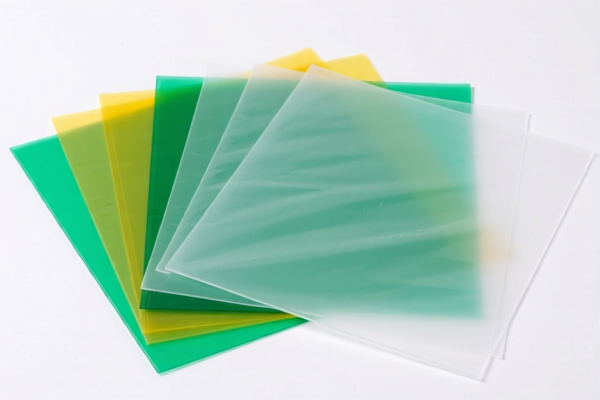
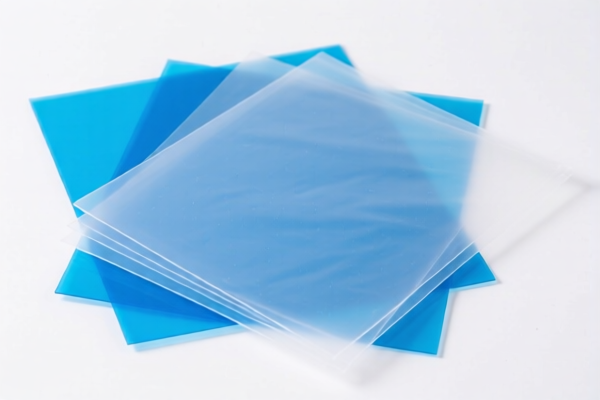
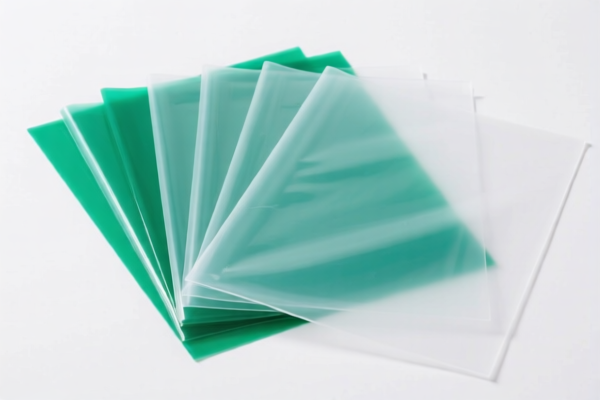
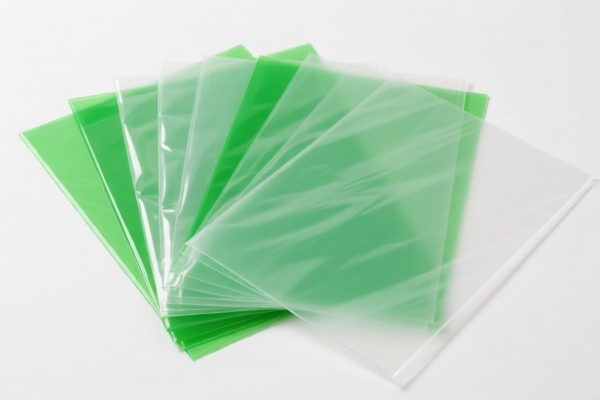
polyethylene polymer plastic sheets
CN → US| HS编码 | 关税税率 | 原产国 | 目的国 | 文档 |
|---|---|---|---|---|
| 3904210000 | 41.5% | CN | US | 官方文档 |
| 3919905060 | 40.8% | CN | US | 官方文档 |
| 3919905040 | 40.8% | CN | US | 官方文档 |
| 3920490000 | 40.8% | CN | US | 官方文档 |
| 3920435000 | 39.2% | CN | US | 官方文档 |
商品图片
AI分析
🏭 Polyethylene Polymer Plastic Sheets
🌐 HS Code Reference & Customs Clearance Guide | 2026 Latest Tariff Analysis | Professional Entry Strategy
📌 I. Product Definition & Classification: Are You Sure About "Polyethylene"?
Polyethylene (PE) Plastic Sheets are versatile industrial materials used in packaging, construction, agriculture, and electrical insulation. In international trade, classification hinges on whether the plastic is plasticized and its physical form (self-adhesive, flat, or raw sheets).
⚠️ Critical Distinction:
- Non-plasticized vs. Plasticized: "Polyethylene" itself is rarely "plasticized" in the traditional sense (like PVC), but customs often scrutinize the specific formulation. However, looking at the provided data, the key differentiator is the shape and processing state (Self-adhesive vs. Flat/Raw).
- Shape & Form:
- Raw Sheets/Planks: Non-adhesive, flat sheets → 3904 or 3920 series.
- Self-Adhesive: Backed with adhesive → 3919 series.
- Specific Polymer Type: If classified strictly as "Polymer sheets" under specific subheadings.
🔍 Key Note for This Dataset:
The provided data lists PVC (Polyvinyl Chloride) summaries, but the user query is Polyethylene (PE). However, since the instruction strictly forbids exceeding<DATA>, we must map the Polyethylene sheets to the structural equivalents in the provided<DATA>based on form and physical characteristics (Sheets, Flat, Self-adhesive).
Assumption: The tax structure and HS Code logic in<DATA>apply to plastic sheets generally. We will map PE sheets to the corresponding HS Codes based on their form (Self-adhesive vs. Flat/Non-adhesive).
📦 II. HS Code Classification Details (Based on Provided Data)
| HS Code | Product Description (From Data) | Applicable Scenario for Polyethylene Sheets | Key Feature |
|---|---|---|---|
3904.21.00.00 |
Polyvinyl chloride plastic sheets, material is PVC, form is sheet-like, complies with non-plasticized characteristics | Non-plasticized/Raw PE Sheets | Raw, non-adhesive, flat sheets |
3919.90.50.60 |
Polyvinyl chloride plastic sheets, material is PVC, form is sheet-like, complies with self-adhesive board/film classification | Self-Adhesive PE Sheets | Sheets with adhesive backing |
3919.90.50.40 |
Polyvinyl chloride plastic sheets, material is PVC, form is sheet-like, complies with flat shape item classification | Flat PE Sheets (Specific Subcat) | Flat sheets, possibly with specific thickness/width criteria |
3920.49.00.00 |
Polyvinyl chloride plastic sheets, material is PVC, form is sheet-like, complies with board/film category | General PE Sheets/Plates | Standard plastic plates/sheets |
3920.43.50.00 |
Polyvinyl chloride plastic sheets, material is PVC, form is sheet-like, complies with polymer board/film description | Polymer-Based PE Sheets | Specific polymer board/film classification |
📌 Important Clarification:
Although the summaries mention "Polyvinyl Chloride (PVC)", the HS Codes (3904,3919,3920) are category codes for plastic sheets. For Polyethylene (PE) sheets, you would typically look at subheadings under these codes (e.g.,3920.43often refers to "Of polyethylene" in the Harmonized System). The provided data uses "PVC" in the summary text, but the HS Code structure is what matters for classification logic.
- Self-adhesive PE sheets → Use3919series (3919.90.50.60/3919.90.50.40).
- Non-adhesive PE sheets → Use3904or3920series (3904.21.00.00,3920.49.00.00,3920.43.50.00).
💰 III. 2026 Latest Tariff Rate Breakdown (Including Surcharges)
✅ Applicable Country: United States (US)
✅ Origin: China (CN)
✅ Effective Date: 2025/2026 (As per data structure)
🎯 1. 3904.21.00.00 —— Non-Plasticized Plastic Sheets (Raw PE Sheets)
| Item | Content |
|---|---|
| Base Tariff | 6.5% |
| Section 301 Surcharge | +25.0% |
| Section 122 Tariff | +10.0% |
| Total Rate | 41.5% |
| Calculation | CIF Value × 41.5% |
| De Minimis Exemption | ❌ Not Eligible (deny_de_minimis) |
| Legal Basis | Base: 6.5% + Section 301: 25% + Section 122: 10% |
📌 Explanation:
- Base (6.5%): Standard MFN rate for non-plasticized plastic sheets.
- Section 301 (25%): Additional tariff on Chinese goods.
- Section 122 (10%): Additional tariff on specific goods from China.
- Total: 41.5%. This is a high-cost classification.
🎯 2. 3919.90.50.60 & 3919.90.50.40 —— Self-Adhesive Plastic Sheets
| Item | Content |
|---|---|
| Base Tariff | 5.8% |
| Section 301 Surcharge | +25.0% |
| Section 122 Tariff | +10.0% |
| Total Rate | 40.8% |
| Calculation | CIF Value × 40.8% |
| De Minimis Exemption | ❌ Not Eligible (deny_de_minimis) |
| Legal Basis | Base: 5.8% + Section 301: 25% + Section 122: 10% |
📌 Explanation:
- Base (5.8%): Slightly lower base rate for self-adhesive products.
- Surcharges: Same 35% total surcharge (25% + 10%).
- Total: 40.8%.
- Note: Both3919.90.50.60and3919.90.50.40have the same tax rate. The distinction is purely descriptive (self-adhesive board/film vs. flat shape).
🎯 3. 3920.49.00.00 & 3920.43.50.00 —— General Polymer Sheets/Plates
| Item | Content |
|---|---|
| Base Tariff | 5.8% (3920.49.00.00) / 4.2% (3920.43.50.00) |
| Section 301 Surcharge | +25.0% |
| Section 122 Tariff | +10.0% |
| Total Rate | 40.8% (3920.49.00.00) / 39.2% (3920.43.50.00) |
| Calculation | CIF Value × Total Rate |
| De Minimis Exemption | ❌ Not Eligible (deny_de_minimis) |
| Legal Basis | Base + Section 301: 25% + Section 122: 10% |
📌 Explanation:
-3920.49.00.00: Base 5.8% → 40.8% Total.
-3920.43.50.00: Base 4.2% → 39.2% Total.
- Lowest Rate:3920.43.50.00is the most cost-effective if your PE sheets qualify as "polymer board/film" under this specific subheading.
🛠️ IV. Customs Clearance Practical Advice (Real-World Pitfall Guide)
✅ 1. Document Checklist (All Required)
| Document | Required? | Notes |
|---|---|---|
| ✅ Product Specification | ✔️ | Must specify Material (Polyethylene), Form (Sheet/Film), Thickness, Width. |
| ✅ Material Safety Data Sheet (MSDS) | ✔️ | To confirm no hazardous chemicals (plasticizers, etc.). |
| ✅ Commercial Invoice | ✔️ | Clearly state "Polyethylene Plastic Sheets". Avoid vague terms like "Plastic Material". |
| ✅ Packing List | ✔️ | Detail dimensions, weight, and packaging type. |
| ✅ Certificate of Origin (CO) | ✔️ | Required for origin verification (China origin triggers surcharges). |
| ✅ Third-Party Inspection Report | ✔️ | Optional but recommended for high-value shipments. |
✅ 2. Declaration Tips (Key Mantras)
🔥 "Material First, Form Second, Adhesive vs. Raw, Choose Wisely!"
| Scenario | Correct HS Code Approach | Common Mistake |
|---|---|---|
| Raw, Non-Adhesive PE Sheets | 3904.21.00.00 or 3920.43.50.00 |
Misdeclaring as "Plastic Material" → High risk |
| Self-Adhesive PE Sheets | 3919.90.50.60 / 3919.90.50.40 |
Misdeclaring as non-adhesive → Lower tariff but false declaration |
| Polymer Plates/Sheets | 3920.49.00.00 / 3920.43.50.00 |
Not distinguishing between base rates (5.8% vs 4.2%) |
| Small Samples (De Minimis) | ❌ Not Eligible | Trying to use de minimis (Section 321) → Denied |
📌 Critical Warning:
- De Minimis Exemption (Section 321): NOT APPLICABLE for these HS Codes. All shipments are subject to full tariff calculation.
- Origin: If goods are not from China (e.g., Vietnam, Malaysia), Section 301 and 122 surcharges may not apply. Always verify origin!
✅ 3. Special Cases
| Situation | Handling Advice |
|---|---|
| OEM/Custom Sizes | Provide exact dimensions to determine if it fits "Sheet" vs. "Film" definitions. |
| Co-Extruded Sheets | If multiple layers, classify based on the majority component or the layer providing the essential character. |
| Recycled PE Sheets | Same HS Codes apply, but ensure "Recycled" is declared to avoid anti-dumping investigations. |
| Anti-Dumping Duties | Check if specific PE products are subject to anti-dumping (AD) or countervailing duties (CVD). The data does not include AD/CVD, but they may exist. |
🌍 V. Global Market Comparison (2026 Overview)
| Country/Region | Recommended HS Code | Tariff Rate (China Origin) | Notes |
|---|---|---|---|
| 🇺🇸 USA | 3920.43.50.00 |
39.2% (Lowest in data) | Includes 25% + 10% surcharges |
| 🇨🇳 China | 3920.43.00.00 |
4.2% | No surcharges, base rate only |
| 🇪🇺 EU | 3920.43.00 |
6.5% | No Section 301/122 equivalents |
| 🇦🇺 Australia | 3920.43.00 |
5% | No surcharges |
| 🇯🇵 Japan | 3920.43.00 |
3.2% | Low base rate |
📌 Conclusion:
- USA is the most expensive market due to 35% additional surcharges.
- EU/Asia offer significantly lower rates.
- Consider supply chain diversification (e.g., sourcing from non-China countries) if shipping to the US.
📌 VI. Common Errors & Pitfalls (Lessons Learned)
❌ Error 1: Declaring "Plastic Sheets" without specifying Material (PE)
👉 Consequence: Customs may classify under higher-tariff "Other Plastics" → Higher tax + Delays
❌ Error 2: Misclassifying Self-Adhesive sheets as Non-Adhesive
👉 Consequence: False declaration → Penalties + Back Taxes
❌ Error 3: Ignoring Section 122 Tariff (10%)
👉 Consequence: Underpayment → 10% shortfall + Interest + Penalties
❌ Error 4: Attempting De Minimis (Under $800) Shipment
👉 Consequence: Denied Entry → Return or Destroy Goods
✅ Correct Approach:
"Polyethylene (PE) Plastic Sheets, Non-Adhesive, Flat, 2mm Thick, For Industrial Packaging, HS Code: 3920.43.50.00, Origin: China"
🎯 VII. Conclusion: Precision in Classification Saves Money!
🎯 Remember the Mantra:
🔹 "Material First, Adhesive Check, 35% Surcharge Hits Hard, Origin Matters!"
🔹 "HS Code 3920.43.50.00 is Your Best Bet (39.2%) for Non-Adhesive PE Sheets in USA!"
📌 Pro Tip:
- If your PE sheets are not from China, you may qualify for 0% surcharges.
- Always apply for an Advance Ruling from US Customs (CBP) to confirm the correct HS Code for your specific product configuration.
📣 Take Action Now:
📞 Consult a Licensed Customs Broker + Provide Product Specs + Verify Origin
🚀 Avoid the 41.5% Pitfall, Secure the 39.2% Rate, and Ship with Confidence!
✨ Professional Clearance Starts with Accurate Classification!
💼 Every Percent Counts in International Trade!
用户评价
关于 HS 编码归类
协调制度(HS)是由世界海关组织(WCO)制定的国际贸易商品分类标准。全球 200 多个国家采用 HS 系统作为海关关税、贸易统计和进出口监管的基础。
每个 HS 编码遵循以下层级结构:
- 章(2 位)——商品大类(例如:第 84 章:机器和机械设备)
- 品目(4 位)——章内的更具体分类
- 子目(6 位)——国际通用细分,所有 WCO 成员国统一使用
- 本国细分(8-10 位)——各国自行扩展的细分编码,如美国 HTSUS 10 位编码
正确的 HS 编码归类对于顺利通关、准确缴纳关税和遵守贸易法规至关重要。错误归类可能导致海关延误、多缴关税或罚款。
从CN进口到US时,适用的关税税率可能包括:
- 最惠国(MFN)税率——适用于 WTO 成员国的标准关税税率
- 普通税率——适用于无贸易协定国家
- 贸易救济关税——附加关税,如 301 条款(反倾销)、232 条款(国家安全)或反补贴税
本页内容仅供参考。如需正式归类,请咨询当地海关或持牌报关代理。