polylactic acid resin custom raw material
CN → US| HS编码 | 关税税率 | 原产国 | 目的国 | 文档 |
|---|---|---|---|---|
| 3907700000 | 41.5% | CN | US | 官方文档 |
| 3907995050 | 41.5% | CN | US | 官方文档 |
商品图片
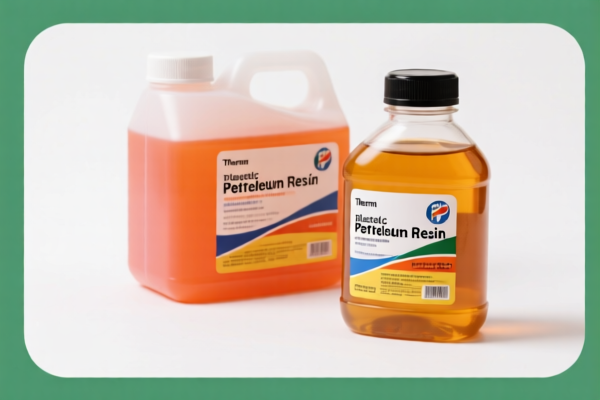
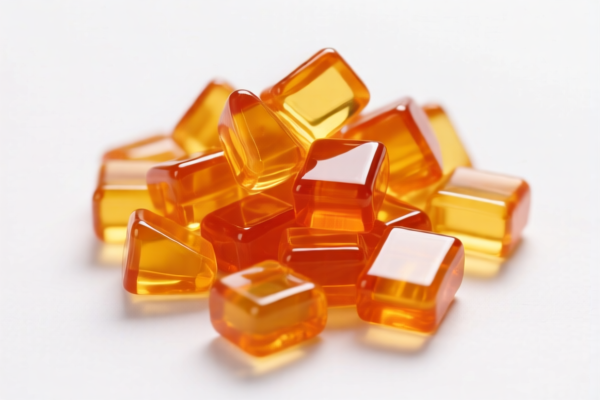
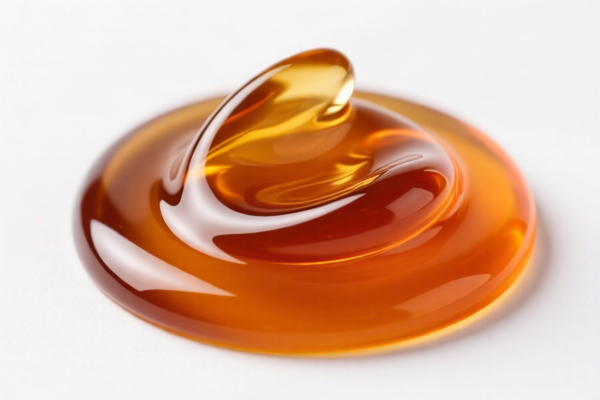
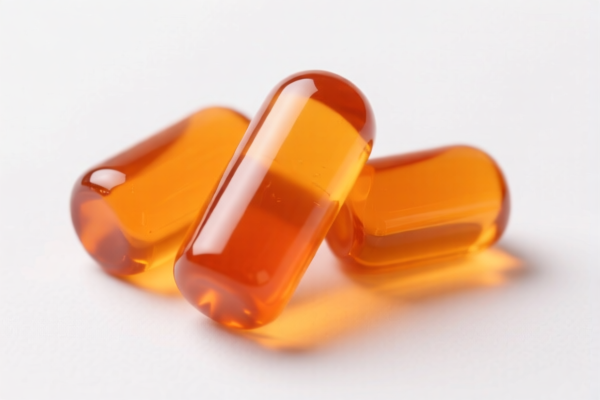
AI分析
🧪 Polylactic Acid (PLA) Resin Custom Raw Material
🌐 HS Code Reference & Customs Clearance Guide | 2026 Latest Tariff Analysis | Professional Compliance Strategy
📌 I. Product Definition & Classification: What Exactly is "PLA Resin"?
Polylactic Acid (PLA) is a biodegradable, bioactive thermoplastic aliphatic polyester derived from renewable resources, such as corn starch, tapioca roots, chips, or sugar cane. In international trade, it is classified under Chapter 39: Plastics and Articles Thereof.
Specifically, PLA falls under Heading 3907: "Polyacetals, other polyethers and epoxide resins, in primary forms; polycarbonates, alkyd resins, polyallyl esters and other polyesters, in primary forms."
⚠️ Critical Distinction:
- If the material is PLA in primary forms (granules, powder, flakes for molding), it belongs to 3907.70.00.00.
- If the material is a non-PLA polyester (e.g., PET, PBT, or other synthetic polyesters) in primary forms, it may fall under 3907.99.50.50.
- Note: The term "Custom Raw Material" implies it is in primary form (granules/powder) ready for manufacturing, NOT finished plastic articles.
📦 II. HS Code Classification Details (2026 Latest Tariff Authority)
Based on the provided data, here are the two most relevant HS Codes for raw polymer materials:
| HS Code | Product Description | Applicable Scenario | Key Classification Criteria |
|---|---|---|---|
3907.70.00.00 |
Poly(lactic acid) | Biodegradable PLA resins, corn-starch derived, in primary forms (pellets/granules) | ✅ Specifically PLA |
3907.99.50.50 |
Other polyesters: Other: Other | Non-PLA synthetic polyesters (e.g., PET, PBT, unsaturated polyesters) in primary forms | ❌ NOT PLA (Generic Polyester) |
🔍 Key Insight:
- If your raw material is truly Polylactic Acid (PLA): You MUST use3907.70.00.00. This is the specific subheading for PLA.
- If your material is a different polyester: You may use3907.99.50.50.
- Error Risk: Misdeclaring PLA as a generic polyester (3907.99) can lead to customs delays or reclassification, though the tariff rate in this specific dataset is identical. However, regulatory compliance (e.g., biodegradability certifications) may differ.
💰 III. 2026 Latest Tariff Rate Breakdown (Detailed Tax Clause Analysis)
✅ Applicable Country: United States (US)
✅ Origin: China (CN)
✅ Effective Time: Current rates as per provided data
🎯 1. 3907.70.00.00 — Polylactic Acid (PLA)
| Item | Content |
|---|---|
| Base Duty Rate | 6.5% (Ad Valorem) |
| Additional Duty (Section 301) | +25.0% (Retaliatory Tariffs on Chinese Goods) |
| Total Tax Rate | 31.5% |
| Tax Calculation | CIF Value × 31.5% |
| Exemption Status | ❌ No De Minimis Exemption (For shipments >$800) |
| Legal Basis | HTSUS 3907.70 + USITC Section 301 Footnotes |
📌 Explanation:
- The 6.5% is the standard Most Favored Nation (MFN) duty for polyesters.
- The 25% is the additional tariff imposed under Section 301 of the Trade Act of 1974 on goods originating in China.
- Total: 31.5%. This is a significant cost burden that must be factored into your pricing strategy.
🎯 2. 3907.99.50.50 — Other Polyesters
| Item | Content |
|---|---|
| Base Duty Rate | 6.5% (Ad Valorem) |
| Additional Duty (Section 301) | +25.0% (Retaliatory Tariffs on Chinese Goods) |
| Total Tax Rate | 31.5% |
| Tax Calculation | CIF Value × 31.5% |
| Exemption Status | ❌ No De Minimis Exemption |
| Legal Basis | HTSUS 3907.99 + USITC Section 301 Footnotes |
📌 Note:
- While the HS Code differs, the tariff rate is identical (31.5%).
- Therefore, the cost impact is the same, but the regulatory documentation may differ (e.g., PLA may require biodegradability claims, while generic polyester may not).
🛠️ IV. Customs Clearance Practical Advice (Avoid Pitfalls)
✅ 1. Required Documentation Checklist
| Document | Required | Purpose |
|---|---|---|
| Commercial Invoice | ✔️ | Must clearly state "Polylactic Acid (PLA)" or "Polyester Resin" and HS Code. |
| Packing List | ✔️ | Detail weight, quantity, and packaging type. |
| Product Specification Sheet | ✔️ | Include Melt Flow Index (MFI), molecular weight, and chemical composition. |
| Material Safety Data Sheet (MSDS/SDS) | ✔️ | Required for chemical transport and customs safety review. |
| Certificate of Origin (CO) | ✔️ | Essential for proving Chinese origin (to confirm applicability of Section 301). |
| Biodegradability Certification (If PLA) | ✔️ | Optional but recommended for PLA to prove its classification under 3907.70. |
✅ 2. Declaration Best Practices
🔥 “Be Specific, Avoid ‘Generic’ Terms”
| Scenario | Recommended Declaration | Risk if Incorrect |
|---|---|---|
| True PLA Resin | Polylactic Acid (PLA) Resin, Granules, Biodegradable |
Misclassification as generic polyester may raise suspicions of fraud if bio-tests are performed. |
| Non-PLA Polyester | Polyester Resin (e.g., PET), Primary Forms |
Over-classifying to 3907.70 (PLA) is incorrect and may lead to penalties. |
| Custom Blend | Polymer Blend, Primary Forms, Chemical Composition: XX% PLA, YY% Additive |
Must provide detailed composition to justify HS Code. |
✅ 3. Special Considerations for "Custom Raw Material"
- Blends/Mixtures: If the "custom" material is a blend of PLA and other polymers, determine the essential character or principal material. If PLA is the main component, it likely stays under 3907.70. If it’s a minor component, it might fall under 3907.99.
- Packaging: Ensure the material is in primary forms (granules, powders, flakes). If it is pre-formed into semi-finished products (e.g., preforms for bottles), it may fall under Chapter 39, Part II (articles), with different duties.
- Labeling: Clearly mark bags with "Made in China" to ensure proper Section 301 duty assessment. Hiding origin can lead to severe penalties.
🌍 V. Global Market Comparison (2026 Snapshot)
| Country/Region | HS Code | Base Duty | Additional Duty | Total Duty (China Origin) | Notes |
|---|---|---|---|---|---|
| 🇺🇸 United States | 3907.70 / 3907.99 |
6.5% | +25% | 31.5% | High tariff burden; Section 301 applies. |
| 🇨🇳 China (Import) | 3907.70 |
~6.5% | 0% | ~6.5% | Lower duty; focus on bio-material standards. |
| 🇪🇺 European Union | 3907.70 |
6.5% | 0% | 6.5% | No Section 301 equivalent; focus on REACH/Bio-plastic regulations. |
| 🇯🇵 Japan | 3907.70 |
5.0% | 0% | 5.0% | Generally low tariffs; focus on JIS standards. |
| 🇮🇳 India | 3907.70 |
7.5% | 0% | 7.5% | Check Anti-Dumping duties if applicable. |
📌 Conclusion:
- The US market is the most expensive due to the 25% Section 301 tariff.
- If possible, consider diversifying supply chains to countries not subject to Section 301 (e.g., Vietnam, India, Thailand) to reduce duties, though this may affect cost vs. quality.
📌 VI. Common Mistakes & Pitfalls (Lessons Learned)
❌ Mistake 1: Declaring PLA as "Plastic Granules" without specifying "PLA".
👉 Consequence: Customs may ask for chemical analysis, delaying clearance by weeks. If it turns out to be PLA, you must pay the correct duty, but the delay increases storage costs.
❌ Mistake 2: Ignoring Section 301 eligibility.
👉 Consequence: If you believe your product is excluded from Section 301 (e.g., via HSN Exclusion List), you must provide the Exclusion Number. If you don’t, you pay 31.5%. If you incorrectly claim exclusion, you face penalties and back taxes.
❌ Mistake 3: Confusing "Primary Forms" with "Finished Articles".
👉 Consequence: PLA straws or bags are not HS 3907; they are Chapter 39 articles (e.g., 3926.90). Misclassifying raw material as finished goods can lead to incorrect duty assessments.
✅ Correct Practice:
"Polylactic Acid (PLA) Resin, Biodegradable, Granules, Primary Form, Made in China, HS Code 3907.70.00.00"
🎯 VII. Conclusion: Professional Declaration for Cost Efficiency
🎯 Key Takeaways:
🔹 HS Code:
3907.70.00.00for PLA,3907.99.50.50for other polyesters.
🔹 Total Duty (US): 31.5% (6.5% Base + 25% Section 301).
🔹 Documentation: Be precise with chemical names and provide SDS/MSDS.
🔹 Strategy: Factor the 25% tariff into your pricing or explore supply chain diversification.
📌 Pro Tip:
If your PLA is sourced from a country other than China (e.g., NatureWorks USA, Total Corbion Netherlands), you may avoid the 25% Section 301 tariff, reducing the total duty to 6.5%. Always verify the Country of Origin on the production certificate.
📣 Immediate Action:
📞 Consult with your customs broker to confirm HS Code based on exact chemical composition.
📄 Request a Section 301 Exclusion if your specific PLA product is listed (rare, but possible).
📦 Ensure all shipping documents clearly state "Made in China" to avoid origin fraud allegations.
✨ Professional Customs Clearance Starts with Accurate Classification!
💼 Every Percentage Point in Duty Matters – Optimize Your Supply Chain!
用户评价
关于 HS 编码归类
协调制度(HS)是由世界海关组织(WCO)制定的国际贸易商品分类标准。全球 200 多个国家采用 HS 系统作为海关关税、贸易统计和进出口监管的基础。
每个 HS 编码遵循以下层级结构:
- 章(2 位)——商品大类(例如:第 84 章:机器和机械设备)
- 品目(4 位)——章内的更具体分类
- 子目(6 位)——国际通用细分,所有 WCO 成员国统一使用
- 本国细分(8-10 位)——各国自行扩展的细分编码,如美国 HTSUS 10 位编码
正确的 HS 编码归类对于顺利通关、准确缴纳关税和遵守贸易法规至关重要。错误归类可能导致海关延误、多缴关税或罚款。
从CN进口到US时,适用的关税税率可能包括:
- 最惠国(MFN)税率——适用于 WTO 成员国的标准关税税率
- 普通税率——适用于无贸易协定国家
- 贸易救济关税——附加关税,如 301 条款(反倾销)、232 条款(国家安全)或反补贴税
本页内容仅供参考。如需正式归类,请咨询当地海关或持牌报关代理。