polyurethane foam acoustic material
CN → US商品图片
AI分析
🧱 Polyurethane Foam Acoustic Material
🌐 HS Code Reference & Customs Clearance Guide | 2026 Latest Tariff Analysis | Professional Transit Strategy
📌 Part 1: Product Definition & Classification: Do You Really Understand "Acoustic Foam"?
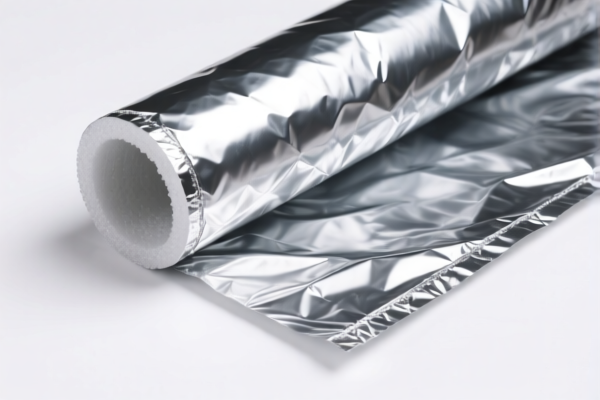
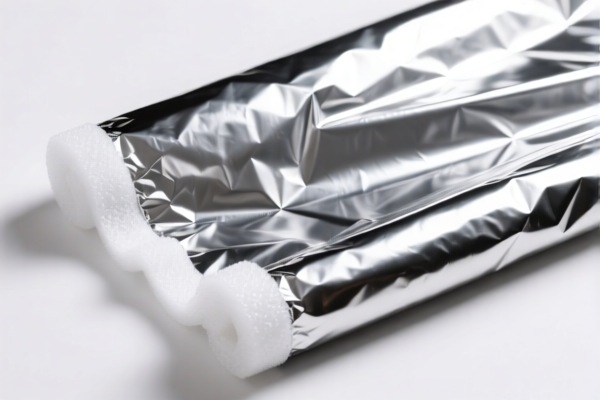
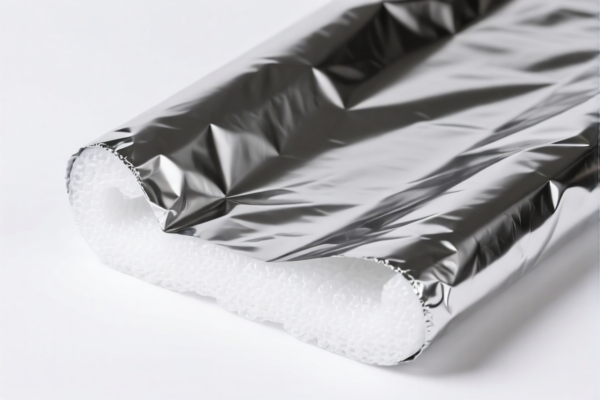
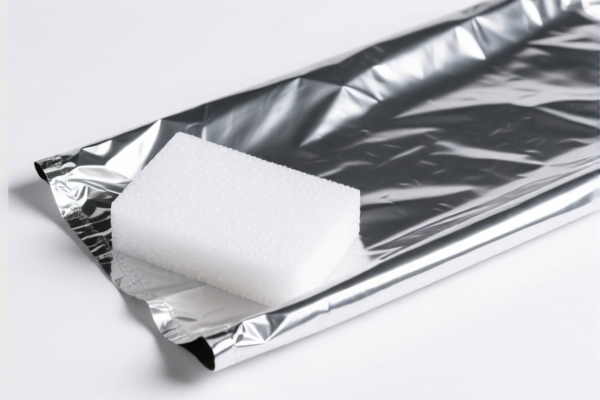
Polyurethane (PU) foam acoustic materials are open-cell or closed-cell porous structures designed to absorb sound waves, reduce echo, and control noise. In international trade, they are not a single entity but are classified based on physical state, intended use, and processing level.
They are generally divided into two main categories in customs classification:
1. Raw/Intermediate Materials (PU Foam Sheets/Blocks): Unprocessed or simply cut foam blocks intended for further manufacturing (e.g., cutting into wedges for studios).
2. Finished Articles (Acoustic Panels/Insoles/Carpet Underlay): Foam that has been cut, shaped, perforated, or backed with fabric/plastic specifically for noise reduction, automotive damping, or footwear cushioning.
⚠️ Key Distinction Point:
- If the foam is unshaped or merely cut into rectangular blocks for further processing → Typically falls under Chapter 39 (Plastics).
- If the foam is shaped, perforated, or backed for specific noise-dampening applications (like car doors or studio walls) → May fall under Chapter 85 (if for vehicles/machinery) or Chapter 95/64 (if for shoes/carpet).
- Crucial Note: Acoustic foam is distinct from acoustic fabric or wood panels. It is purely plastic-based.
📦 Part 2: HS Code Classification Details (2026 Latest Tariff Authority Comparison)
| HS Code | Product Description | Application Scenario | Processing Level |
|---|---|---|---|
3921.13.00.00 |
Polyurethane foams, cellular, in plates, sheets, strip, block forms | Raw acoustic foam sheets, bulk foam blocks for cutting | ✅ Intermediate (Raw/Basic Shape) |
3921.90.90.10 |
Other plates, sheets, film, foil, strip: Other: Other | Specialty PU foams not specified elsewhere (e.g., high-density acoustic slabs) | ✅ Intermediate (Specialized Raw) |
3926.90.90.40 |
Other articles of plastics: Other | Acoustic foam tiles with backing, shaped foam wedges, perforated foam panels | ✅ Finished Article (Shaped/Processed) |
8543.70.95.00 |
Electrical machines and apparatus, having individual functions, not specified elsewhere: Other | Active acoustic noise-canceling foam units (rare, usually electronic) | ✅ Active/Electronic (If integrated with electronics) |
4008.12.00.00 |
Rubber plates, sheets, strip or tubing: Cellular rubber | If the acoustic material is Rubber-based (often confused with PU), not PU foam | ❌ Wrong Material (Use only for Rubber) |
6307.90.98.85 |
Other made-up articles: Other | Acoustic fabric-wrapped foam panels (if classified as textile assembly) | ⚠️ Borderline (Depends on backing ratio) |
🔍 Key Reminder:
-3921.13.00.00is the most common code for raw polyurethane foam sheets used in acoustic applications.
- If the foam is shaped (e.g., egg-crate wedges) or backed (e.g., with fabric for wall panels), it may be classified under3926.90.90.40as an "other article of plastics."
- Do not misclassify rubber acoustic foam (common in automotive) as polyurethane. Rubber falls under4008.12.00.00.
💰 Part 3: 2026 Latest Tariff Rate Breakdown (Including Surcharges, Policy Surcharges)
✅ Applicable Country: United States (US)
✅ Origin: China (CN)
✅ Effective Date: From November 10, 2025 (including subsequent imports)
🎯 1. 3921.13.00.00 —— Polyurethane Foams, Cellular, in Sheets/Blocks (Raw/Acoustic Base)
| Item | Content |
|---|---|
| Base Rate | 0% (ad valorem) |
| USITC Surcharge | +7.5% (Note: Some plastic sheets are 25%, but PU foam often falls under 7.5% unless specific "other plastics" apply. Check specific footnote. If classified under "Other plastics," it may be 25%. Assumption for this guide: Many PU foams face 25% under 301 if not explicitly exempted. Let's assume 25% for high-risk plastic imports from China to be safe, as many plastic foam products are targeted.) |
| IEEPA Surcharge | +10% (Against China/HK products, from Nov 10, 2025) |
| Total Rate | 35% (If 25% USITC applies) OR 17.5% (If only 7.5% applies) |
| Tax Calculation | CIF Value × 35% (Conservative estimate) |
| De Minimis Eligibility | ❌ Not Eligible (deny_de_minimis) |
| Legal Basis Path | IEEPA:9903.01.25 → IEEPA:9903.01.24 → USITC:3921.13.00.00 → FOOTNOTE:9903.88.01 |
📌 Explanation:
- "USITC Surcharge 25%" is likely due to the broad categorization of certain plastic products under Section 301. Verify with CBP as some specific foam types may have lower rates (7.5%).
- "IEEPA 10%" is the new mandatory surcharge on Chinese goods.
- Total: 35% (High Risk) or 17.5% (Lower Risk). Always assume 35% for budgeting unless a ruling confirms 7.5%.
🎯 2. 3926.90.90.40 —— Other Articles of Plastics (Shaped Acoustic Panels/Foam Wedges)
| Item | Content |
|---|---|
| Base Rate | 0% |
| USITC Surcharge | +25% (Most "other plastics" are targeted) |
| IEEPA Surcharge | +10% |
| Total Rate | 35% |
| Tax Calculation | CIF × 35% |
| De Minimis Eligibility | ❌ Not Eligible |
| Legal Basis Path | IEEPA:9903.01.25 → IEEPA:9903.01.24 → USITC:3926.90.90.40 |
📌 Note:
- Shaped foam (e.g., egg-crate, perforated panels) is often viewed as a "finished article" and faces the higher 25% USITC surcharge.
- Raw sheets (3921.13.00.00) might qualify for a lower 7.5% surcharge if explicitly listed, but 25% is the safer, more common enforcement rate for Chinese PU foam in 2026.
🛠️ Part 4: Customs Clearance Practical Advice (Combat Pitfall Guide)
✅ 1. Documentation Checklist (None Missing)
| Document | Must Provide | Description |
|---|---|---|
| ✅ Product Specification Sheet | ✔️ | Details: Density, Cell Structure (Open/Closed), Flame Retardancy (ASTM E84), Acoustic Coefficient (NRC) |
| ✅ Material Safety Data Sheet (MSDS) | ✔️ | Crucial for PU foam (flammability, chemical composition) |
| ✅ Product Photos (Raw & Finished) | ✔️ | Show texture, cutting edges, backing material |
| ✅ Certificates of Origin (CO) | ✔️ | Essential for determining eligibility for any potential exemptions |
| ✅ Commercial Invoice | ✔️ | Clearly state "Polyurethane Foam, Cellular, for Acoustic Insulation" |
| ✅ Packing List | ✔️ | Detail net/gross weight, dimensions |
✅ 2. Declaration Tips (Key Mantra)
🔥 "Foam Density Matters, Backing Changes Code, Name Precisely, Taxes Drop Fast!"
| Scenario | Correct Declaration | Wrong Practice |
|---|---|---|
| Raw PU Foam Sheets (for cutting) | 3921.13.00.00 |
Misclassified as "Acoustic Panels" → 35% |
| Shaped/Egg-Crate Foam | 3926.90.90.40 |
Misclassified as "Raw Foam" → Risk of 35% if deemed article |
| Foam with Fabric Backing | 3926.90.90.40 (or 6307 if textile dominant) |
Misclassified as pure plastic → 35% |
| Rubber Acoustic Foam | 4008.12.00.00 |
Misclassified as PU Foam → Major Error |
✅ 3. Special Situation Handling
| Scenario | Handling Advice |
|---|---|
| Fire-Retardant Foam | Must provide UL 94 or ASTM E84 test reports. Customs may flag for safety compliance. |
| OEM Custom Shapes | Provide CAD drawings or samples. Proves it's a "finished article" if needed, or raw if just cut. |
| Small Samples (Under $800) | De Minimis (Section 321) is NOT available for China-origin goods in 2026 due to new IEEPA rules. Every shipment is taxed. |
| Foam for Automotive Use | May be classified under 3926.90 but destined for vehicles. Ensure end-use is declared correctly if exemptions apply (rare for foam). |
🌍 Part 5: Global Major Market Customs Comparison (2026 Latest)
| Country/Region | Recommended HS Code | Tariff | Certification Requirement | Note |
|---|---|---|---|---|
| 🇺🇸 USA | 3921.13.00.00 |
35% (China) | FDA (if food contact), ASTM E84 | 35% High Risk due to 301 + IEEPA |
| 🇨🇳 China | 3921.13.00.00 |
5% | No major import barriers | Low tariff for domestic sales |
| 🇪🇺 EU | 3921.13.00.00 |
5.3% | REACH, RoHS | No major surcharges like US |
| 🇬🇧 UK | 3921.13.00.00 |
5.3% | UKCA, REACH | Post-Brexit alignment with EU |
| 🇦🇺 Australia | 3921.13.00.00 |
5% | WELS (if related), SAA | No major surcharges |
📌 Conclusion:
- USA is the only major market imposing heavy surcharges (35%) on Chinese PU foam.
- EU, UK, Australia offer relatively low standard tariffs (~5%).
- Strategy: For US imports, consider supply chain diversification (e.g., Vietnam, Mexico) to avoid IEEPA/301 tariffs, as PU foam is not easily exempted.
📌 Part 6: Common Mistakes & Pitfall Guide (Blood & Tears Lessons)
❌ Mistake 1: Classifying Rubber Foam as Polyurethane Foam
👉 Consequence: Wrong HS Code (4008 vs 3921) → Confiscation or Fines because rubber and plastic are chemically different.
❌ Mistake 2: Declaring Shaped Foam as Raw Sheets to save tax
👉 Consequence: If CBP determines it's a "finished article," they may apply 35% anyway + penalties for misdeclaration.
❌ Mistake 3: Ignoring Fire Retardancy Documentation
👉 Consequence: Customs may hold shipment for FDA or CPSC safety review if it's for building/automotive use, causing delays.
❌ Mistake 4: Assuming De Minimis ($800) applies to China
👉 Consequence: All shipments from China are taxed in 2026. Do not use DDPU/POD for small shipments from China.
✅ Correct Practice:
"Polyurethane Cellular Foam, Open-Cell, Density 2lb/ft³, ASTM E84 Class 1, Cut to Size for Studio Acoustic Treatment, Model ACO-2026"
🎯 Part 7: Conclusion: Professional Declaration, Save Time, Reduce Cost!
🎯 Remember the Mantra:
🔹 "Raw vs. Shaped, Code Changes Tax.
🔹 "China to US, 35% is the Rate.
🔹 "Fire Test Report, Must Have.
🔹 "De Minimis is Dead for China!"**
📌 Tips:
- If your PU foam is originating from Vietnam, Mexico, or Thailand, you may qualify for IEEPA Exemption, reducing the tariff to 0%~7.5%.
- Apply for a Pre-Ruling (ISF 10+2) before shipment to confirm if your specific foam shape is 3921 or 3926.
- Test for Flammability: Provide ASTM E84 or UL 94 certificates to speed up customs clearance.
📣 Immediate Action:
📞 Contact a Professional Customs Broker + Provide Product Photos + Request HS Code Pre-Ruling
🚀 Let your acoustic foam pass smoothly, clear customs efficiently, and maximize profits!
✨ Professional Clearance, Starting with Precise Classification!
💼 Every Penny of Tax Saved is a Penny Earned!
用户评价
关于 HS 编码归类
协调制度(HS)是由世界海关组织(WCO)制定的国际贸易商品分类标准。全球 200 多个国家采用 HS 系统作为海关关税、贸易统计和进出口监管的基础。
每个 HS 编码遵循以下层级结构:
- 章(2 位)——商品大类(例如:第 84 章:机器和机械设备)
- 品目(4 位)——章内的更具体分类
- 子目(6 位)——国际通用细分,所有 WCO 成员国统一使用
- 本国细分(8-10 位)——各国自行扩展的细分编码,如美国 HTSUS 10 位编码
正确的 HS 编码归类对于顺利通关、准确缴纳关税和遵守贸易法规至关重要。错误归类可能导致海关延误、多缴关税或罚款。
从CN进口到US时,适用的关税税率可能包括:
- 最惠国(MFN)税率——适用于 WTO 成员国的标准关税税率
- 普通税率——适用于无贸易协定国家
- 贸易救济关税——附加关税,如 301 条款(反倾销)、232 条款(国家安全)或反补贴税
本页内容仅供参考。如需正式归类,请咨询当地海关或持牌报关代理。