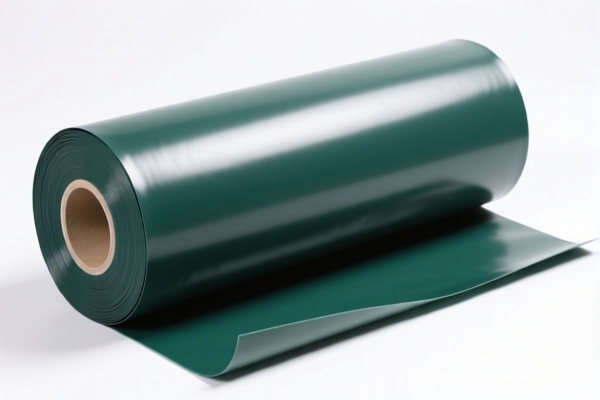
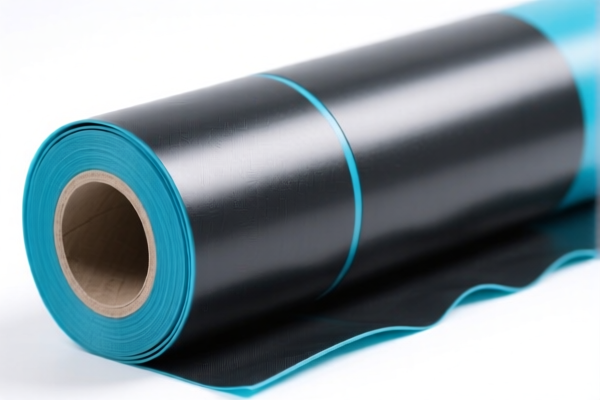
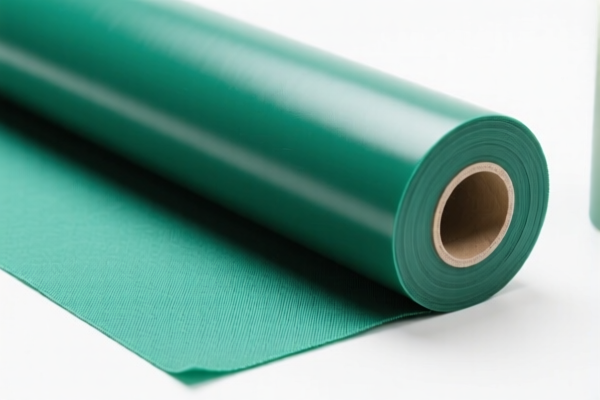
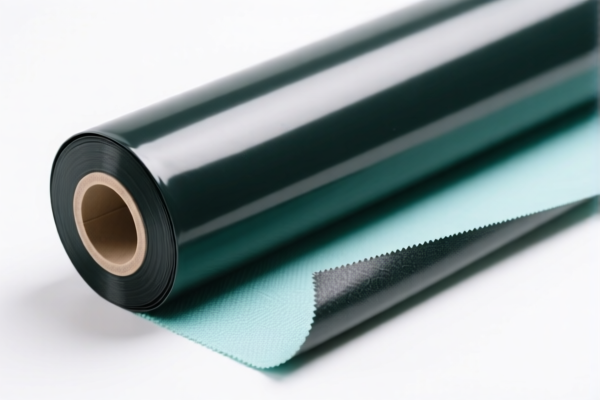
polyurethane textile composite roll
CN → US| HS编码 | 关税税率 | 原产国 | 目的国 | 文档 |
|---|---|---|---|---|
| 3921131500 | 41.5% | CN | US | 官方文档 |
| 6307909891 | 24.5% | CN | US | 官方文档 |
| 5903202000 | 35.0% | CN | US | 官方文档 |
| 5903202500 | 42.5% | CN | US | 官方文档 |
| 3921131950 | 40.3% | CN | US | 官方文档 |
商品图片
AI分析
🧵 Polyurethane Textile Composite Roll (PU Textile Composite)
🌐 HS Code Reference & Customs Clearance Guide | 2026 Latest Tariff Analysis | Professional Clearance Strategy
📌 1. Product Definition & Classification: Do You Really Understand "PU Textile Composite"?
Polyurethane (PU) Textile Composite Roll refers to materials where polyurethane is bonded with textile fabrics through lamination, impregnation, coating, or covering processes. In international trade, these materials are often used for automotive interiors, furniture upholstery, footwear, bags, and construction waterproofing.
Key Distinction Points: * Laminated/Covered Textiles (Ch. 59): If the PU acts as a coating, impregnation, or cover on a textile base (even if it changes the surface properties significantly), it is usually classified under Chapter 59. * Plastic Films/Sheets (Ch. 39): If the PU forms the primary structural layer (like a film or sheet) with the textile embedded or laminated as a secondary layer, it may be classified under Chapter 39.
⚠️ Critical Classification Logic:
- If the textile is the essential character and PU is a surface treatment/coating → HS Code 5903.xx
- If the PU plastic film/sheet is the essential character → HS Code 3921.xx
📦 2. HS Code Classification Details (Authoritative 2026 Tariff Comparison)
Based on the specific attributes of "Polyurethane Textile Composite Roll," here are the potential HS Codes and their corresponding tax implications. Note that slight variations in manufacturing process (e.g., exact impregnation vs. lamination) can shift the code.
| HS Code | Product Description | Application Scenario | Classification Logic |
|---|---|---|---|
5903.20.20.00 |
Textiles impregnated, coated, covered or laminated with polyvinyl chloride (PVC) or polyurethane (PU) | Common PU-coated fabrics, outdoor covers | ✅ High Base Tariff Risk: 0% Base + 25% Section 301 + 10% IEEPA = 35% |
5903.20.25.00 |
Other textiles impregnated, coated, covered or laminated with polyurethane (PU) | Specific PU-textile blends, high-performance composites | ✅ Higher Base Tariff: 7.5% Base + 25% Section 301 + 10% IEEPA = 42.5% |
3921.13.15.00 |
Polyurethane plates, sheets, film, foil and strip, reinforced, laminated, supported or similarly combined with other materials | PU composite films with textile support | ✅ Moderate Base Tariff: 6.5% Base + 25% Section 301 + 10% IEEPA = 41.5% |
3921.13.19.50 |
Other polyurethane plates, sheets, film, foil and strip, reinforced/laminated | General PU composite rolls not elsewhere specified | ✅ Lower Base Tariff: 5.3% Base + 25% Section 301 + 10% IEEPA = 40.3% |
6307.90.98.91 |
Other made up articles, including dress patterns | Textile composite articles not elsewhere specified (e.g., finished accessories) | ✅ Lowest Total Tax: 7.0% Base + 7.5% Section 301 + 10% IEEPA = 24.5% |
🔍 Key Reminder:
-5903.20.25.00has the highest total tax (42.5%) due to a higher base tariff (7.5%). -6307.90.98.91has the lowest total tax (24.5%), but only applies if the product is considered a "made up article" rather than a raw composite material. This requires careful definition of "made up." -3921.xxcodes fall under Chapter 39 (Plastics). If the textile is merely a backing for a PU film, this chapter may apply.
💰 3. 2026 Latest Tariff Rate Breakdown (Including Surtaxes)
✅ Applicable Country: United States (US)
✅ Origin: China (CN)
✅ Effective Date: November 10, 2025 (and onwards)
🎯 1. 5903.20.20.00 — Textiles Impregnated/Coated with PU
| Item | Detail |
|---|---|
| Base Tariff | 0.0% (ad valorem) |
| USITC Surtax (Section 301) | +25.0% |
| IEEPA Surtax | +10.0% (for China/HK products) |
| Total Rate | 35.0% |
| Tax Calculation | CIF Value × 35% |
| De Minimis Exemption? | ❌ No (deny_de_minimis) |
| Legal Basis | IEEPA:9903.01.25 → USITC:5903.20.20.00 → FOOTNOTE:9903.88.01 |
📌 Explanation:
- Base Tariff 0%: Under HTSUS 5903.20.20.00, the base duty is often 0% for certain textile composites, but the surtaxes apply heavily. - Total 35%: This is a high tax burden. Must be factored into pricing strategies.
🎯 2. 5903.20.25.00 — Other Textiles Impregnated/Coated with PU
| Item | Detail |
|---|---|
| Base Tariff | 7.5% |
| USITC Surtax (Section 301) | +25.0% |
| IEEPA Surtax | +10.0% |
| Total Rate | 42.5% |
| Tax Calculation | CIF Value × 42.5% |
| De Minimis Exemption? | ❌ No |
| Legal Basis | IEEPA:9903.01.25 → USITC:5903.20.25.00 → FOOTNOTE:9903.88.01 |
📌 Note:
- Highest Tax Rate (42.5%): Due to the higher base tariff (7.5%), this code is significantly more expensive. - Ensure your product description matches the "Other" category precisely. Misclassification here can lead to huge cost increases.
🎯 3. 3921.13.15.00 — PU Plates/Sheets Laminated with Other Materials
| Item | Detail |
|---|---|
| Base Tariff | 6.5% |
| USITC Surtax (Section 301) | +25.0% |
| IEEPA Surtax | +10.0% |
| Total Rate | 41.5% |
| Tax Calculation | CIF Value × 41.5% |
| De Minimis Exemption? | ❌ No |
| Legal Basis | IEEPA:9903.01.25 → USITC:3921.13.15.00 → FOOTNOTE:9903.88.01 |
📌 Explanation:
- Chapter 39 Classification: If the PU is considered the essential character (as a plastic sheet/film), this code applies. - Total 41.5%: Slightly lower than5903.20.25.00but still high.
🎯 4. 3921.13.19.50 — Other PU Plates/Sheets Laminated
| Item | Detail |
|---|---|
| Base Tariff | 5.3% |
| USITC Surtax (Section 301) | +25.0% |
| IEEPA Surtax | +10.0% |
| Total Rate | 40.3% |
| Tax Calculation | CIF Value × 40.3% |
| De Minimis Exemption? | ❌ No |
| Legal Basis | IEEPA:9903.01.25 → USITC:3921.13.19.50 → FOOTNOTE:9903.88.01 |
📌 Note:
- Lowest Base Tariff among Ch. 39 codes: 5.3% is relatively low compared to 6.5% or 7.5%, but the surtaxes remain fixed.
🎯 5. 6307.90.98.91 — Other Made Up Articles
| Item | Detail |
|---|---|
| Base Tariff | 7.0% |
| USITC Surtax (Section 301) | +7.5% |
| IEEPA Surtax | +10.0% |
| Total Rate | 24.5% |
| Tax Calculation | CIF Value × 24.5% |
| De Minimis Exemption? | ❌ No |
| Legal Basis | IEEPA:9901.25 → USITC:6307.90.98.91 → FOOTNOTE:9903.88.01 |
📌 Key Advantage:
- Lowest Total Tax (24.5%): This code has a significantly lower Section 301 surtax (7.5% vs 25%). - Critical Condition: The product must be a "made up article" (e.g., cut-to-size, sewn, or finished components), not just a roll of raw composite material. If customs deems it "raw material," you will be reassigned to Chapter 39/59 codes with higher taxes.
🛠️ 4. Customs Clearance Practical Advice (Avoid Pitfalls)
✅ 1. Documentation Checklist (Must-Haves)
| Document | Required | Description |
|---|---|---|
| ✅ Product Specification Sheet | ✔️ | Detailed composition: % PU, % Textile, weave type, coating weight, lamination method |
| ✅ Process Diagram | ✔️ | Explain if it's coated, impregnated, or laminated. Crucial for Ch. 39 vs. Ch. 59 classification |
| ✅ Product Photos (with Scale) | ✔️ | Show cross-section if possible to prove layering |
| ✅ Commercial Invoice | ✔️ | Clearly state "Polyurethane Textile Composite Roll" and intended use |
| ✅ Packing List | ✔️ | Indicate roll dimensions, weight, and if cut or continuous |
| ✅ Certificate of Origin (CO) | ✔️ | For China origin, expect surtaxes. If re-exported, check rules of origin |
✅ 2. Declaration Tips (Key Mnemonics)
🔥 "Coated/Impregnated → Ch. 59; Laminated/Sheet → Ch. 39; Finished Goods → Ch. 63"
| Scenario | Correct Declaration | Incorrect Approach |
|---|---|---|
| Raw Composite Roll | 5903.20.25.00 or 3921.13.15.00 |
Declare as "Finished Fabric" → Risk of Misclassification |
| Cut-to-Size/Finished Part | 6307.90.98.91 |
Declare as "Roll" → Higher Tax (42.5% vs 24.5%) |
| PU Film with Textile Backing | 3921.13.19.50 |
Declare as "Textile" → Potential audit for Base Tariff difference |
✅ 3. Special Cases
| Situation | Handling Advice |
|---|---|
| OEM Custom Orders | Provide design specs. If the product is a specific "made up article," argue for 6307.90.98.91 to save taxes. |
| Rolls vs. Sheets | If shipped in rolls but intended for cutting, ensure documentation supports "Roll" status. If already cut, use 6307.90.98.91. |
| Hybrid Materials | If the textile content is minimal, argue for Chapter 39 (Plastic). If textile is substantial, Chapter 59 (Textiles). |
| Pre-Ruling Application | Highly recommended. File an Advance Ruling Request with CBP to fix the HS Code and tax rate before shipment. |
🌍 5. Global Market Comparison (2026)
| Country/Region | Recommended HS Code | Estimated Tax | Certification | Remarks |
|---|---|---|---|---|
| 🇺🇸 US | 6307.90.98.91 |
24.5% | No special certs | Lowest Tax if "Made Up". Otherwise, 5903 or 3921 at 35-42%. |
| 🇨🇳 China | 5903.20.25.00 |
7.5% | N/A | No Section 301 or IEEPA surtaxes. |
| 🇪🇺 EU | 5903.20.20 |
0-6% | REACH, OEKO-TEX | No surtaxes. Focus on chemical compliance. |
| 🇬🇧 UK | 5903.20.20 |
0-6% | UKCA | Post-Brexit rules apply. |
| 🇦🇺 Australia | 5903.20.20 |
5% | ABE | Low base tariff, no surtaxes. |
📌 Conclusion:
- US is the only market with heavy surtaxes (301 + IEEPA). - Strategy for US: If your product can be classified as a "made up article" (6307.90.98.91), you save ~18% in taxes compared to raw composite codes. Ensure your product is indeed "made up" (finished, cut, or shaped) to qualify.
📌 6. Common Errors & Pitfalls (Lessons Learned)
❌ Error 1: Declaring a Raw Composite Roll as 6307.90.98.91
👉 Consequence: Customs may reject the "made up" claim, reclassify to 5903.20.25.00, and charge 42.5% instead of 24.5%. Plus penalties!
❌ Error 2: Using 3921.xx for a highly textile-dependent product
👉 Consequence: Customs may argue textile is essential, shifting to Chapter 59. If base tariff is higher (e.g., 7.5% vs 6.5%), you face underpayment.
❌ Error 3: Ignoring IEEPA Surtax
👉 Consequence: All these codes carry a 10% IEEPA surtax for China origin. Failing to account for this leads to budget shortfalls.
❌ Error 4: Ambiguous Product Name
👉 Consequence: "Textile Composite" is vague. Use precise terms: "PU-Coated Polyester Fabric Roll" vs. "PU Laminated Textile Sheet".
✅ Correct Approach:
"Polyurethane-Coated Polyester Fabric Roll, for Upholstery Use, Continuous Roll, 1.5m Width"
🎯 7. Conclusion: Precise Classification Saves Money!
🎯 Remember the Mantra:
🔹 "Raw Roll → Ch. 39/59 (High Tax); Finished Part → Ch. 63 (Low Tax)"
🔹 "Section 301 + IEEPA = 35-42.5%; 'Made Up' = 24.5%"
🔹 "Clarify Process: Coated (59) vs. Laminated (39)"
📌 Pro Tip:
- If your PU textile composite is cut, sewn, or finished, declare it as
6307.90.98.91to enjoy the 24.5% tax rate.- If it is a continuous roll, expect 35-42.5% tax.
- Apply for an Advance Ruling with CBP to lock in the HS Code and avoid surprises at customs.
📣 Immediate Action:
📞 Contact a licensed customs broker + Provide product samples + Request CBP Advance Ruling
🚀 Save up to 18% in taxes by choosing the right HS Code!
✨ Professional Clearance Starts with Accurate Classification!
💼 Every Cent Saved is Pure Profit!
用户评价
关于 HS 编码归类
协调制度(HS)是由世界海关组织(WCO)制定的国际贸易商品分类标准。全球 200 多个国家采用 HS 系统作为海关关税、贸易统计和进出口监管的基础。
每个 HS 编码遵循以下层级结构:
- 章(2 位)——商品大类(例如:第 84 章:机器和机械设备)
- 品目(4 位)——章内的更具体分类
- 子目(6 位)——国际通用细分,所有 WCO 成员国统一使用
- 本国细分(8-10 位)——各国自行扩展的细分编码,如美国 HTSUS 10 位编码
正确的 HS 编码归类对于顺利通关、准确缴纳关税和遵守贸易法规至关重要。错误归类可能导致海关延误、多缴关税或罚款。
从CN进口到US时,适用的关税税率可能包括:
- 最惠国(MFN)税率——适用于 WTO 成员国的标准关税税率
- 普通税率——适用于无贸易协定国家
- 贸易救济关税——附加关税,如 301 条款(反倾销)、232 条款(国家安全)或反补贴税
本页内容仅供参考。如需正式归类,请咨询当地海关或持牌报关代理。