potted plant
CN → US| HS编码 | 关税税率 | 原产国 | 目的国 | 文档 |
|---|---|---|---|---|
| 6913905000 | 23.5% | CN | US | 官方文档 |
| 6913902000 | 17.5% | CN | US | 官方文档 |
| 060200 | 0.0% | CN | US | 官方文档 |
| 392410 | 0.0% | CN | US | 官方文档 |
商品图片
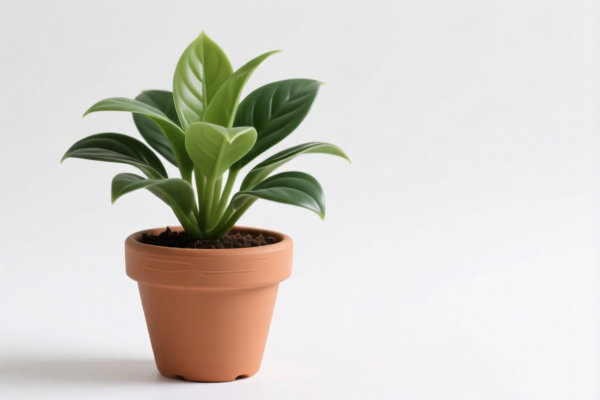
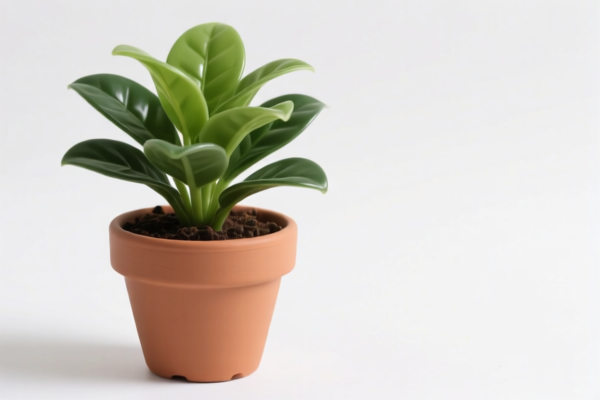
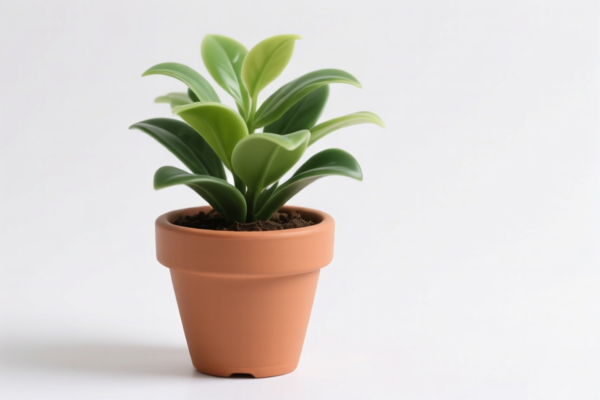
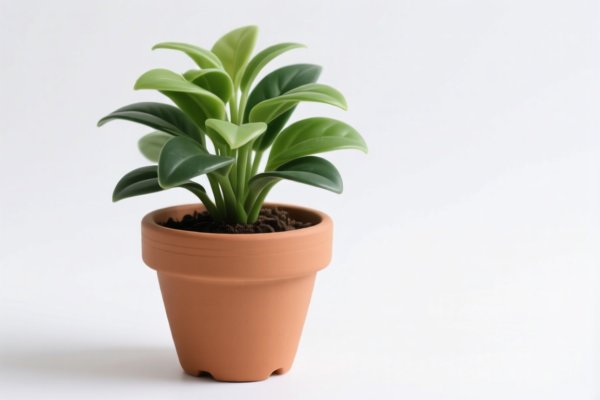
AI分析
🌿 Potted Plants & Ornamental Floriculture (Live Plants in Pots)
🌐 HS Code Reference & Customs Clearance Guide | 2026 Latest Tariff Analysis | Professional Clearance Strategy
📌 Part 1: Product Definition & Classification: What Exactly is a "Potted Plant"?
In international trade, the term "potted plant" is deceptively simple but technically complex. It does not refer to a single HS Code but rather a combination of biological entities and packaging materials. Customs authorities strictly distinguish between the living organism (the plant itself) and the container (the pot).
Key Distinction: * The Living Plant (Chapter 06): Includes the soil, roots, and the plant itself. If the plant is intended for ornamental purposes and is in growing media, it falls under 0602. * The Container (Chapter 39): If the plant is removed, or if you are importing empty plastic pots for distribution, these are classified separately under 3924.10. * Ornamental Ceramics (Chapter 69): If the "pot" is a decorative ceramic statue or figure (not primarily functional as a standard plant container, but an ornamental article), it may fall under 6913.90.50.00 or 6913.90.20.00.
⚠️ Critical Warning:
- If you ship a live plant in a plastic pot together, the plant and the pot may need to be declared separately depending on the country's specific consolidation rules, but generally, the primary commodity (the plant) drives the main tariff risk.
- Soil is a major bio-security risk. Many countries prohibit soil importation unless treated and certified.
📦 Part 2: HS Code Classification Details (2026 Latest Tariff Authority对照)
| HS Code | Product Description | Applicable Scenario | Key Identification Feature |
|---|---|---|---|
0602.00 |
Live plants in pots, including those in soil or other growing media, intended for ornamental or decorative purposes. | Actual live flowers, shrubs, trees in pots for home/garden decoration. | ✅ Contains Living Tissue + Soil/Growing Media |
3924.10 |
Plastic plant pots or containers, not elsewhere specified, used for holding potted plants, regardless of material composition. | Empty plastic pots sold separately for gardening; OR the pot component if declared separately. | ✅ Empty, Made of Plastic, No Living Plant Inside |
6913.90.50.00 |
Statuettes and other ornamental ceramic articles: Other: Other: Other | Decorative ceramic figures (e.g., garden gnomes, animal statues) that are not functional plant pots. | ✅ Ceramic, Ornamental/Statue, Non-functional |
6913.90.20.00 |
Statuettes and other ornamental ceramic articles: Other: Other: Of ceramic tile | Decorative ceramic items made of tile material for ornamentation. | ✅ Ceramic Tile, Ornamental Purpose |
🔍 Key Insight:
- Do NOT misclassify live plants as "Ceramic Pots." A live plant in a ceramic pot is still a plant (0602.00). The ceramic pot is just packaging.
- Do NOT ship live plants in uncertified soil. Most major markets (US, EU, UK) require phytosanitary certificates and often prohibit natural soil.
💰 Part 3: 2026 Latest Tariff Rate Details (Including Surcharges)
✅ Applicable Country: United States (US)
✅ Origin: China (CN)
✅ Effective Date: 2025/2026 (Current Trade Policy)
⚠️ Note: The provided data indicates "Failed to retrieve tax information" for live plants (0602.00) and plastic pots (3924.10), implying these may be subject to general MFN rates or specific agricultural restrictions, rather than the high 301/IEEPA surcharges applicable to electronics. However, Ceramic Ornamentals have clear tariffs.
🎯 1. 6913.90.50.00 —— Ornamental Ceramic Articles (Statuettes, Garden Gnomes, etc.)
| Item | Content |
|---|---|
| Base Tariff | 6.0% (ad valorem) |
| Section 301 Surcharge (China) | +7.5% |
| Total Tariff Rate | 13.5% |
| Tax Calculation | CIF Value × 13.5% |
| De Minimis Eligibility | ❌ No (High tariff risk, not eligible for $800 exemption) |
| Legal Basis | Standard HTSUS + Section 301 List 4A |
📌 Explanation:
- Decorative ceramic items (even if used as planters, if they are primarily "statuettes" or "ornamental") are subject to this rate.
- This is a stable, known tariff structure.
🎯 2. 6913.90.20.00 —— Ornamental Ceramic Articles (Of Ceramic Tile)
| Item | Content |
|---|---|
| Base Tariff | 0.0% |
| Section 301 Surcharge (China) | +7.5% |
| Total Tariff Rate | 7.5% |
| Tax Calculation | CIF Value × 7.5% |
| De Minimis Eligibility | ⚠️ Check Policy |
| Legal Basis | Standard HTSUS + Section 301 List 4A |
📌 Explanation:
- Items classified specifically as "ceramic tile" ornaments enjoy a lower base rate.
- Total Cost is Lower compared to general ceramic statuettes (7.5% vs 13.5%).
⚠️ 3. 0602.00 (Live Plants) & 3924.10 (Plastic Pots)
| Item | Content |
|---|---|
| Base Tariff | Information Unavailable in Provided Data |
| Surcharge | Information Unavailable |
| Status | Error/Retrieval Failed |
| Recommendation | Consult a customs broker immediately. Live plants often face 0% MFN but strict Phytosanitary Regulations. Plastic pots may be subject to 0-6% base rates. |
📌 Critical Note on Live Plants:
- While the tariff might be low or unknown in this dataset, the non-tariff barriers (Phytosanitary Certificates, Fumigation, Soil Ban) are extremely high.
- USDA APHIS regulations apply. Importing live plants requires an import permit.
- Do not assume "Error" means "Free." It means "Complex Regulation."
🛠️ Part 4: Customs Clearance Practical Advice (Real-World Pitfalls)
✅ 1. Documentation Checklist (Non-Negotiable)
| Document | Mandatory? | Description |
|---|---|---|
| ✅ Phytosanitary Certificate | ✔️ YES | Issued by the national plant protection organization of the exporting country. Essential for 0602.00. |
| ✅ Import Permit (USDA) | ✔️ YES | Required for most live plants into the US. |
| ✅ Commercial Invoice | ✔️ | Clearly describe items: "Live Monstera Deliciosa Plant in Plastic Pot" vs "Ceramic Garden Gnome." |
| ✅ Packing List | ✔️ | List quantity of plants, weight, and pot material. |
| ✅ Soil Declaration | ⚠️ Critical | If soil is present, declare it. If no soil (e.g., hydroponic/bare-root), declare "Soil-Free." |
| ✅ Fumigation Certificate | ✔️ | If wood packaging or natural soil is used (often banned). |
✅ 2. Classification Strategy (Key Rules)
🔥 “Plant vs. Pot: Separate or Bundle?”
| Scenario | Correct HS Code Strategy | Risk if Wrong |
|---|---|---|
| Live Plant in Plastic Pot | Declare as 0602.00 (Plant). The pot is considered incidental packaging. |
If declared as plastic pot (3924.10),海关 will reject due to missing Phytosanitary Cert. |
| Empty Plastic Pots | Declare as 3924.10. |
No bio-risk, easy clearance. |
| Ceramic Garden Statue (Not a Pot) | Declare as 6913.90.50.00 (13.5% Tariff). |
If misclassified as plant, clearance delayed by USDA. |
| Ceramic Statue Used as a Pot | Still 6913.90.50.00 if primary function is ornament. If primary function is plant containment, 0602.00 (Plant). |
Misclassification leads to tax underpayment or bio-security hold. |
✅ 3. Special Handling for Live Plants (0602.00)
- Soil Ban: Most US/EU ports reject imports with natural soil. Use sterile media (cocopeat, perlite, peat moss) instead.
- Pest Inspection: Plants are subject to physical inspection by USDA APHIS officers. Delays of 3-7 days are common.
- Seasonal Restrictions: Some plants can only be imported during specific seasons to prevent pest spread.
🌍 Part 5: Global Market Comparison (2026)
| Country/Region | Live Plant (0602.00) |
Ceramic Ornament (6913) |
Key Requirement |
|---|---|---|---|
| 🇺🇸 USA | Low/0% Tariff (but Strict Bio-Security) | 13.5% (China Origin) | USDA Permit + Phytosanitary Cert |
| 🇪🇺 EU | Low/0% Tariff | 6.5% (General) | EU Plant Health Passport |
| 🇨🇳 China | 0-10% Tariff | 0-6% Tariff | CIQ Certificate |
| 🇯🇵 Japan | 0% Tariff | 6.0% | Phytosanitary Cert + Fumigation |
📌 Conclusion:
- Ceramic Ornaments: Predictable, high tariff (13.5% for statuettes from China).
- Live Plants: Low/Zero tariff, but HIGH NON-TARIFF BARRIERS. Clearance failure rate is high without proper docs.
📌 Part 6: Common Mistakes & Pitfalls (Blood & Tears Lessons)
❌ Mistake 1: Shipping live plants with natural soil from China.
👉 Result: Shipment Rejected & Destroyed at US Port. No refund.
👉 Fix: Use sterile, packaged growing media.
❌ Mistake 2: Declaring a ceramic garden gnome as a "Live Plant" to avoid tariffs.
👉 Result: Customs audit finds no plant. Tax Evasion Charge + Fine.
👉 Fix: Classify as 6913.90.50.00.
❌ Mistake 3: Packing live plants in unventilated boxes.
👉 Result: Plants die during transit. Insurance Claim Denied if improper packing.
👉 Fix: Use ventilated packaging with moisture control.
✅ Correct Declaration Example:
"Live Ficus Lyrata Plant (Fiddle Leaf Fig), bare-root, packaged in sterile coco-peat, in plastic pot. Model: PLT-001. Phytosanitary Certificate Attached."
🎯 Part 7: Conclusion: Professional Clearance, Risk Mitigation
🎯 Remember the Golden Rules:
🔹 "Plants need Papers, Ceramics need Tariffs."
🔹 "Soil is a No-Go without Certification."
🔹 "13.5% is the cost of Ceramic Statuettes from China."
📌 Pro Tip:
For Live Plants, always engage a customs broker specializing in agricultural imports before shipping. The cost of pre-clearance consultation is negligible compared to the cost of destroyed cargo.
For Ceramic Ornaments, verify if the item is a "functional pot" or "ornamental statue." Misclassification can lead to either bio-security holds or tariff underpayment penalties.
📣 Immediate Action:
📞 Contact USDA APHIS for import permits.
📞 Contact Customs Broker for HS Code pre-ruling on ceramic items.
🚀 Ensure sterile packaging for all plant imports.
✨ Professional Clearance, From Precise Classification to Smooth Customs!
💼 Your Green Business Deserves a Clear Path to Market!
用户评价
关于 HS 编码归类
协调制度(HS)是由世界海关组织(WCO)制定的国际贸易商品分类标准。全球 200 多个国家采用 HS 系统作为海关关税、贸易统计和进出口监管的基础。
每个 HS 编码遵循以下层级结构:
- 章(2 位)——商品大类(例如:第 84 章:机器和机械设备)
- 品目(4 位)——章内的更具体分类
- 子目(6 位)——国际通用细分,所有 WCO 成员国统一使用
- 本国细分(8-10 位)——各国自行扩展的细分编码,如美国 HTSUS 10 位编码
正确的 HS 编码归类对于顺利通关、准确缴纳关税和遵守贸易法规至关重要。错误归类可能导致海关延误、多缴关税或罚款。
从CN进口到US时,适用的关税税率可能包括:
- 最惠国(MFN)税率——适用于 WTO 成员国的标准关税税率
- 普通税率——适用于无贸易协定国家
- 贸易救济关税——附加关税,如 301 条款(反倾销)、232 条款(国家安全)或反补贴税
本页内容仅供参考。如需正式归类,请咨询当地海关或持牌报关代理。