powder additive
CN → US| HS编码 | 关税税率 | 原产国 | 目的国 | 文档 |
|---|---|---|---|---|
| 3824405000 | 40.0% | CN | US | 官方文档 |
| 3824999330 | 40.0% | CN | US | 官方文档 |
| 3811115000 | 35.0% | CN | US | 官方文档 |
| 3824994900 | 41.5% | CN | US | 官方文档 |
| 3811190000 | 41.5% | CN | US | 官方文档 |
商品图片
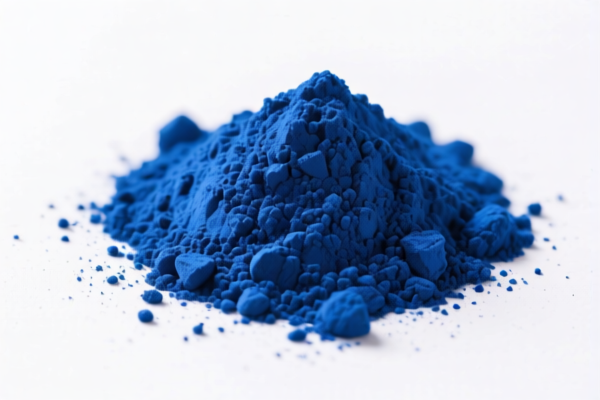


AI分析
🧪 Powder Additive (Chemical Preparations)
🌐 HS Code Reference & Customs Clearance Guide | 2026 Latest Tariff Analysis | Professional Entry Strategy for US Imports
📌 I. Product Definition & Classification: What Exactly is a "Powder Additive"?
"Powder Additive" is a generic term in the chemical industry, referring to substances added to base materials (such as plastics, fuels, or oils) to improve specific properties (stability, viscosity, octane rating, etc.). In international trade, this term is too vague and will likely trigger customs scrutiny or misclassification.
Precise classification depends entirely on the specific material composition and primary function:
- Plastic Additives (Powder): Substances like stabilizers, lubricants, or antioxidants added to plastic resins.
- Fuel Additives (Powder/Liquid): Substances added to gasoline or diesel to enhance combustion, clean engines, or prevent corrosion.
⚠️ Key Classification Point:
- If the additive is intended for plastics, it falls under Chapter 38 (Chemical Products), specifically related to Plastic additives or Other chemical products.
- If the additive is intended for fuels (gasoline/diesel), it falls under Chapter 38, specifically Fuel additives.
- Misclassification Risk: Declaring as "General Chemical Powder" without specifying use can lead to delays, re-inspection, or penalties.
📦 II. HS Code Classification Details (2026 Latest Tariff Authority Comparison)
| HS Code | Product Description | Application Scenario | Key Characteristics |
|---|---|---|---|
3824.40.50.00 |
Plastic Additive Powder Mixture | Additives for plastic manufacturing (e.g., PVC stabilizers, masterbatch powders) | Powder mixture, plastic material basis |
3824.99.93.30 |
Other Chemical Additive Powders | Generic chemical powders for industrial use, not specified elsewhere | Powder mixture, chemical additive nature |
3811.11.50.00 |
Gasoline Additive (Lead-based) | Anti-knock agents for gasoline, potentially lead compound-based | Mineral oil/gasoline additive |
3824.99.49.00 |
Gasoline Additive (Hydrocarbon Mix) | Chemical industrial preparations for fuel, hydrocarbon-based | Chemical industrial product, liquid/powder form |
3811.19.00.00 |
Fuel Additive (Miscellaneous) | Prepared fuel additives for motor fuels, liquid or powder | Prepared additive for mineral oil/gasoline |
🔍 Key Reminder:
- Plastic Additives are generally classified under 3824 (Prepared binders for foundry molds; chemical products and preparations not elsewhere specified).
- Fuel Additives are generally classified under 3811 (Anti-knock preparations, octane improvers, and other prepared additions).
- Do not confuse: A "plastic additive powder" is NOT a "fuel additive," even if both are powders. The end-use determines the HS Code.
💰 III. 2026 Latest Tariff Rate Breakdown (Including Additional Taxes, Policy Surcharges)
✅ Applicable Country: United States (US)
✅ Country of Origin: China (CN)
✅ Effective Date: November 10, 2025 (and subsequent imports)
🎯 1. 3824.40.50.00 & 3824.99.93.30 —— Plastic Additive Powders
| Item | Content |
|---|---|
| Basic Tariff Rate | 5.0% |
| Section 301 Surcharge (USITC) | +25% |
| Section 122/IEEPA Surcharge | +10% |
| Total Tariff Rate | 40.0% |
| Tax Calculation | CIF Value × 40% |
| De Minimis Eligibility | ❌ Not Eligible (High tariff rates usually exempt from de minimis relief under certain conditions, or simply not worth claiming due to high cost) |
| Legal Basis Path | USITC:3824.40.50.00 → Section 301 Footnote → IEEPA:9903.01.25 |
📌 Explanation:
- Basic Rate (5%): Standard Most Favored Nation (MFN) rate for plastic chemical preparations.
- 301 Surcharge (25%): Imposed under U.S. Trade Act Section 301 for Chinese-origin goods.
- 122/IEEPA Surcharge (10%): Additional surcharge under International Emergency Economic Powers Act for specific Chinese chemical products.
- Total Impact: A 40% effective tariff significantly impacts profit margins. Price negotiation must account for this.
🎯 2. 3811.11.50.00 —— Gasoline Additive (Lead-based/Specific)
| Item | Content |
|---|---|
| Basic Tariff Rate | 0.0% |
| Section 301 Surcharge (USITC) | +25% |
| Section 122/IEEPA Surcharge | +10% |
| Total Tariff Rate | 35.0% |
| Tax Calculation | CIF Value × 35% |
| De Minimis Eligibility | ❌ Not Eligible |
| Legal Basis Path | USITC:3811.11.50.00 → Section 301 Footnote → IEEPA:9903.01.25 |
📌 Note:
- Although the base rate is 0%, the 35% total is still substantial.
- Lead-based additives are highly regulated due to environmental concerns. Ensure compliance with EPA regulations before importing.
🎯 3. 3824.99.49.00 & 3811.19.00.00 —— Other Fuel/Chemical Additives
| Item | Content |
|---|---|
| Basic Tariff Rate | 6.5% |
| Section 301 Surcharge (USITC) | +25% |
| Section 122/IEEPA Surcharge | +10% |
| Total Tariff Rate | 41.5% |
| Tax Calculation | CIF Value × 41.5% |
| De Minimis Eligibility | ❌ Not Eligible |
| Legal Basis Path | USITC:3824.99.49.00 / 3811.19.00.00 → Section 301 Footnote → IEEPA:9903.01.25 |
📌 Warning:
- The highest tariff rate in this dataset is 41.5%.
- This applies to most "other" chemical preparations and non-lead gasoline additives.
- Cost Impact: A $10,000 shipment incurs $4,150 in tariffs alone.
🛠️ IV. Customs Clearance Practical Advice (Avoiding Pitfalls)
✅ 1. Documentation Checklist (Mandatory)
| Document | Required | Description |
|---|---|---|
| ✅ Product Specification Sheet | ✔️ | Must detail chemical composition, CAS numbers, physical form (powder/liquid), and intended use (plastic vs. fuel). |
| ✅ Safety Data Sheet (SDS/MSDS) | ✔️ | Required for all chemical imports. Must be GHS compliant. |
| ✅ Commercial Invoice | ✔️ | Clearly state "Chemical Powder Additive for [Plastic/Fuel]" with HS Code. Do NOT use vague terms like "General Chemical." |
| ✅ Certificate of Origin (CO) | ✔️ | Essential for proving Chinese origin and applying correct tariffs. |
| ✅ EPA Registration Number | ✔️ | Critical for Fuel Additives. If imported into the US for fuel use, EPA registration is mandatory. Lack of EPA number leads to denial of entry. |
| ✅ Labeling Information | ✔️ | Labels must include hazard warnings, composition, and importer info as per US regulations. |
✅ 2. Declaration Tips (Key Mnemonics)
🔥 "Specify Use, Declare CAS, EPA for Fuel, Safety Sheet for All!"
| Scenario | Correct Declaration | Wrong Practice |
|---|---|---|
| Plastic Additive Powder | 3824.40.50.00 - "Plastic Stabilizer Powder for PVC Processing" |
"Chemical Powder" → Risk of reclassification & penalty |
| Gasoline Additive | 3811.11.50.00 or 3811.19.00.00 - "Gasoline Additive, EPA Registered #XYZ" |
No EPA number → Seizure/Return |
| Hydrocarbon Mix | 3824.99.49.00 - "Hydrocarbon-based Chemical Preparation" |
Vague "Oil Additive" |
| General Chemical Powder | 3824.99.93.30 - "Chemical Additive, Other" |
"Additive" alone |
✅ 3. Special Case Handling
| Situation | Handling Advice |
|---|---|
| EPA Non-Compliance (Fuel Additives) | Stop! Do not ship without EPA registration. The CPAP (Clean Air Act) is strictly enforced. |
| Lead-Based Additives | Highly restricted. Verify if import is allowed under specific exemptions. |
| Mixed Shipments | Declare each product separately with its own HS Code. Do not combine plastic and fuel additives in one generic line item. |
| Small Samples | Even for samples, high tariffs apply. Consider if de minimis ($800) applies, but note that high-tariff items may still be taxed depending on current enforcement. |
🌍 V. Global Market Clearance Comparison (2026 Latest)
| Country/Region | Recommended HS Code | Tariff Rate | Certification Requirements | Remarks |
|---|---|---|---|---|
| 🇺🇸 USA | 3824.40.50.00 / 3811.19.00.00 |
35% - 41.5% | EPA (for fuel), SDS, GHS Labels | High tariffs due to 301/122 clauses |
| 🇨🇳 China | 3824.40.50.00 / 3811.19.00.00 |
0% - 5% | None specific for import (if domestic production) | Low entry barrier |
| 🇪🇺 EU | 3824.72.00 / 3811.22.00 |
0% - 6.5% | REACH Registration, CLP Labeling | REACH compliance is strict and costly |
| 🇦🇺 Australia | 3824.72.00 / 3811.22.00 |
5% | NICNAS/AICIS Assessment | Standard chemical controls |
| 🇯🇵 Japan | 3824.72.00 / 3811.22.00 |
0% - 6% | PRTR, Fire Services Act | Strict fire safety for flammable chemicals |
📌 Conclusion:
- The US market is the most expensive for chemical additives due to the 35-41.5% tariff burden.
- EPA compliance is non-negotiable for fuel additives in the US.
- EU REACH is the biggest barrier for European entry.
📌 VI. Common Errors & Pitfall Guide (Lessons Learned)
❌ Error 1: Declaring "Powder Additive" without specifying if it's for plastic or fuel.
👉 Consequence: Customs may assign a default higher tariff or demand additional information, causing shipment delays.
❌ Error 2: Importing fuel additives without EPA Registration.
👉 Consequence: Immediate seizure or return of goods. Fines up to $50,000 per violation.
❌ Error 3: Ignoring the 10% IEEPA Surcharge.
👉 Consequence: Underestimating landed cost by 10-15%, leading to unexpected losses.
❌ Error 4: Using vague descriptions like "Chemical Stuff" on invoices.
👉 Consequence: High risk of audit, classification error, and potential fraud allegations.
✅ Correct Practice:
"Plastic Additive Powder, CAS No. 123-45-6, for PVC Stabilization, Non-Hazardous, SDS Attached"
OR
"Gasoline Additive, EPA Reg. No. 12345-67, Hydrocarbon Based, Liquid/Powder"
🎯 VII. Conclusion: Precise Classification Saves Money!
🎯 Remember the Mantra:
🔹 "Specify Use, Declare CAS, EPA for Fuel, Safety Sheet for All!"
🔹 "HS Code determines Tariff, Tariff determines Profit, Compliance prevents Seizure!"
📌 Pro Tip:
If your product is not from China (e.g., Vietnam, Thailand), you may avoid the 301/122 surcharges, reducing tariffs to 0-6.5%.
For fuel additives, always verify EPA registration before shipping.
For plastic additives, ensure SDS and GHS labeling are in place.
📣 Immediate Action:
📞 Consult with a licensed customs broker.
📝 Prepare accurate Product Specifications and SDS.
🔍 Apply for EPA Registration (if fuel additive) or REACH (if EU).
🚀 Ensure smooth customs clearance and maximize profit margins!
✨ Professional Clearance Starts with Accurate Classification!
💼 Your Cost Efficiency Depends on Every Detail!
用户评价
关于 HS 编码归类
协调制度(HS)是由世界海关组织(WCO)制定的国际贸易商品分类标准。全球 200 多个国家采用 HS 系统作为海关关税、贸易统计和进出口监管的基础。
每个 HS 编码遵循以下层级结构:
- 章(2 位)——商品大类(例如:第 84 章:机器和机械设备)
- 品目(4 位)——章内的更具体分类
- 子目(6 位)——国际通用细分,所有 WCO 成员国统一使用
- 本国细分(8-10 位)——各国自行扩展的细分编码,如美国 HTSUS 10 位编码
正确的 HS 编码归类对于顺利通关、准确缴纳关税和遵守贸易法规至关重要。错误归类可能导致海关延误、多缴关税或罚款。
从CN进口到US时,适用的关税税率可能包括:
- 最惠国(MFN)税率——适用于 WTO 成员国的标准关税税率
- 普通税率——适用于无贸易协定国家
- 贸易救济关税——附加关税,如 301 条款(反倾销)、232 条款(国家安全)或反补贴税
本页内容仅供参考。如需正式归类,请咨询当地海关或持牌报关代理。