power meter
CN → US| HS编码 | 关税税率 | 原产国 | 目的国 | 文档 |
|---|---|---|---|---|
| 9028300000 | 10.0% | CN | US | 官方文档 |
| 9028900040 | 35.0% | CN | US | 官方文档 |
| 9031808085 | 10.0% | CN | US | 官方文档 |
| 9030333800 | 35.0% | CN | US | 官方文档 |
| 9031808060 | 35.0% | CN | US | 官方文档 |
商品图片
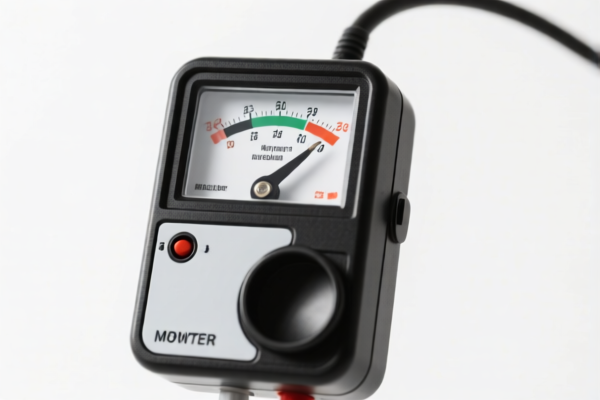
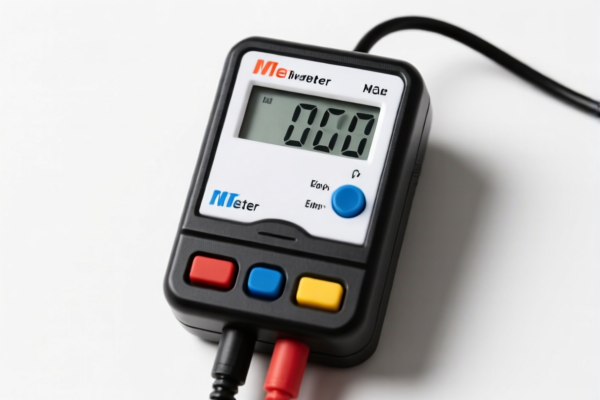
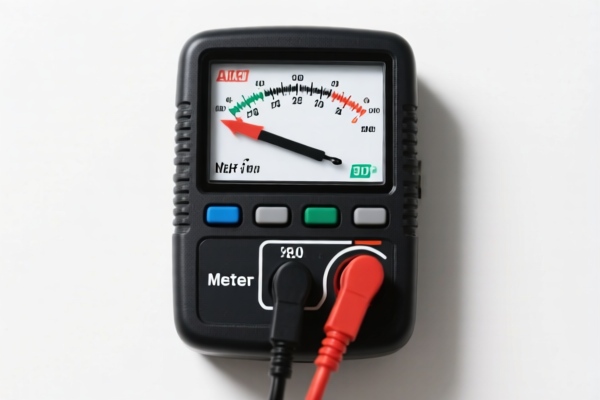
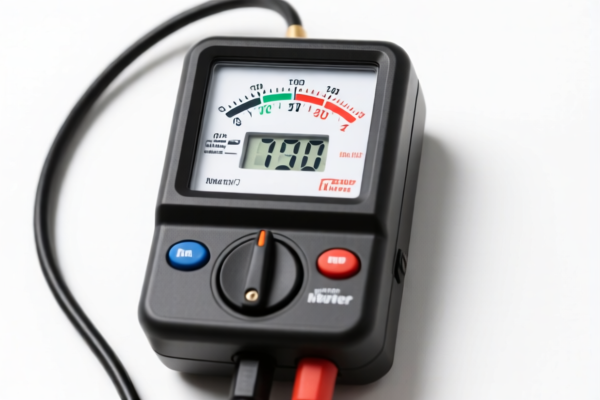
AI分析
⚡ Power Meter (Intelligent Electric Energy Meter)
🌐 HS Code Reference & Customs Clearance Guide | 2026 Latest Tariff Breakdown | Strategic Entry Strategies
📌 I. Product Definition & Classification: Are You Confusing "Meter" with "Gauge"?
A Power Meter (often referred to as an Electric Energy Meter) is a device used to measure the amount of electric energy consumed by a residence, a business, or an electrically powered device. In international trade, the classification depends strictly on its function, internal components, and design intent.
The critical distinction lies in whether the device is an electricity measurement instrument (Class 9028) or a general voltage/parameter testing instrument (Class 9030/9031).
⚠️ Key Distinction Point:
- If the device measures electric energy consumption (kWh) for billing or energy monitoring purposes → It belongs to Chapter 9028.
- If the device measures Voltage (Volts) specifically for testing electrical characteristics (like a multimeter or test gauge) → It belongs to Chapter 9030/9031.
- Misclassification Risk: Calling a "Voltage Tester" a "Power Meter" may lead to higher tariffs if it doesn't meet the specific definition of an electric energy meter.
📦 II. HS Code Classification Details (2026 Latest Tariff Authority Comparison)
Based on the provided data, here are the specific HS Codes relevant to Power Meters and related voltage instruments:
| HS Code | Product Description | Application Scenario | Tax Category |
|---|---|---|---|
9028.30.00.00 |
Smart Electric Energy Meter | Measures electric energy consumption; Consistent with standard electricity meter usage | 10.0% |
9028.90.00.40 |
Electric Energy Meter Accessories/Finished Goods | Finished meters meeting specific "Electric Energy Meter" usage limitations | 35.0% |
9031.80.80.85 |
Voltmeter (General) | Classified as an instrument for measuring voltage; General testing use | 10.0% |
9030.33.38.00 |
Voltmeter (Specific) | Meets description for measuring voltage purposes (specific sub-category) | 35.0% |
9031.80.80.60 |
Voltmeter (Test Instrument) | Specifically used for testing electrical characteristics | 35.0% |
🔍 Important Note:
-9028vs9030/9031: The primary difference is the unit of measure.9028measures Energy (kWh), while9030/9031often measure Voltage (V) or other electrical parameters for diagnostic/testing purposes.
- Smart vs. Standard:9028.30typically covers "Smart" meters with digital output/interfaces, while9028.90may cover other finished assemblies or specific types not covered in 30.
💰 III. 2026 Latest Tariff Rate Breakdown (Including Additional Duties & Policies)
✅ Applicable Country: United States (US)
✅ Origin: China (CN)
✅ Effective Time: Current rates apply (including Section 301 and IEEPA surcharges)
🎯 1. 9028.30.00.00 —— Smart Electric Energy Meter
| Item | Content |
|---|---|
| Base Duty Rate | 0.0% |
| Section 301 Additional Duty | 0.0% |
| IEEPA Surcharge (122 Clause) | +10% |
| Total Duty Rate | 10.0% |
| Tax Calculation | CIF Value × 10% |
| De Minimis Eligibility | ❌ No (High-risk category for small shipments) |
| Legal Basis Path | USITC:9028.30.00.00 → IEEPA:Section 122 |
📌 Explanation:
- This is the most favorable classification for standard smart energy meters.
- No Section 301 (25%) duty applies here, unlike many other electronic goods.
- Only the 10% IEEPA surcharge is added.
- Total Cost Impact: Low. Ideal for cost-sensitive exports.
🎯 2. 9028.90.00.40 —— Electric Energy Meter (Finished/Specific)
| Item | Content |
|---|---|
| Base Duty Rate | 0.0% |
| Section 301 Additional Duty | +25.0% |
| IEEPA Surcharge (122 Clause) | +10% |
| Total Duty Rate | 35.0% |
| Tax Calculation | CIF Value × 35% |
| De Minimis Eligibility | ❌ No |
| Legal Basis Path | USITC:9028.90.00.40 → USITC:Footnote 9903.88.01 → IEEPA:Section 122 |
📌 Explanation:
- This code often applies to finished assemblies or specific types of energy meters that do not fall under the "Smart" definition of 9028.30.
- High Tariff Alert: The 25% Section 301 duty significantly increases costs.
- Total Cost Impact: High. Requires careful cost-benefit analysis.
🎯 3. 9031.80.80.85 & 9030.33.38.00 & 9031.80.80.60 —— Voltmeters / Test Instruments
| Item | Content |
|---|---|
| Base Duty Rate | 0.0% |
| Section 301 Additional Duty | Varies (0% or 25%) |
| IEEPA Surcharge (122 Clause) | +10% (for 9031.80.80.85) or +10% (for 9030/9031 variants) |
| Total Duty Rate | 10.0% (for 9031.80.80.85) or 35.0% (for others) |
| Tax Calculation | CIF Value × Rate |
| De Minimis Eligibility | ❌ No |
| Legal Basis Path | USITC:9031.80.80.85 → IEEPA:Section 122 |
📌 Explanation:
- If your device is primarily a Voltmeter (measuring V, not kWh), it may fall under 9030/9031.
-9031.80.80.85is the low-tariff option (10%) for general voltage measuring instruments.
-9030.33.38.00and9031.80.80.60are high-tariff options (35%) due to Section 301 duties.
- Strategic Insight: If your device can be argued as a "General Voltage Measuring Instrument" rather than a specific "Energy Meter," you might qualify for the 10% rate (9031.80.80.85), but you must prove it is not primarily for billing/energy consumption.
🛠️ IV. Customs Clearance Practical Advice (Operational Pitfall Guide)
✅ 1. Documentation Checklist (Must-Haves)
| Document | Required | Description |
|---|---|---|
| ✅ Product Specification Sheet | ✔️ | Must clearly state: Measures kWh (Energy) vs. Measures Volts (Voltage). |
| ✅ User Manual | ✔️ | Shows primary function (e.g., "Energy Monitoring" vs. "Voltage Testing"). |
| ✅ Circuit Diagram | ✔️ | Helps Customs distinguish between a pure Voltmeter and an Energy Meter. |
| ✅ Commercial Invoice | ✔️ | Describe product accurately: "Smart Electric Energy Meter" or "Digital Voltmeter". |
| ✅ Origin Certificate | ✔️ | For proving Chinese origin (if applicable) and applying surcharges correctly. |
| ✅ Test Reports | ✔️ | FCC, UL, or CE reports can support functional claims. |
✅ 2. Declaration Tips (Key Mnemonic)
🔥 “Function Defines Code: Energy = 9028, Voltage = 9030/9031. Check 301!”
| Scenario | Correct Declaration | Wrong Approach |
|---|---|---|
| Smart Meter for Billing | 9028.30.00.00 (10%) |
Declare as "Voltmeter" → Risk of audit/penalty. |
| Finished Energy Meter (Non-Smart) | 9028.90.00.40 (35%) |
Claim 10% rate → Customs rejection. |
| Device for Voltage Testing Only | 9031.80.80.85 (10%) |
Declare as "Energy Meter" → Unnecessary 35% if it can be 10%. |
| Device for Specific Voltage Measurement | 9030.33.38.00 (35%) |
N/A (High rate is inevitable if it fits this specific sub-heading). |
✅ 3. Special Handling Scenarios
| Scenario | Handling Advice |
|---|---|
| Hybrid Device (Voltmeter + Energy Meter) | If it measures both, lean towards 9028 if energy measurement is the primary commercial function. |
| OEM Custom Meters | Provide the end-user purpose. If it’s for utility billing, it’s 9028. If it’s for lab testing, it might be 9030/9031. |
| Small Samples (De Minimis) | ❌ Not Eligible. Most of these HS Codes are excluded from de minimis exemptions due to IEEPA/Section 301. |
| Re-export from Third Country | If assembled in Vietnam/Malaysia, check Rules of Origin. May avoid China-specific surcharges. |
🌍 V. Global Market Clearance Comparison (2026 Latest)
| Country/Region | Recommended HS Code | Duty Rate | Certification Required | Notes |
|---|---|---|---|---|
| 🇺🇸 USA | 9028.30.00.00 |
10% | FCC, UL | Lowest US Rate. Avoid 9028.90 (35%). |
| 🇨🇳 China | 9028.30.00.00 |
0% | CCC | No import duty for energy meters. |
| 🇪🇺 EU | 9028.30.00 |
0% | CE, RoHS | No surcharges. |
| 🇬🇧 UK | 9028.30.00 |
0% | UKCA | No surcharges. |
| 🇯🇵 Japan | 9028.30.00 |
0% | PSE | No surcharges. |
📌 Conclusion:
- The US is the only market imposing significant surcharges (10-35%).
-9028.30.00.00is the Golden Key for US exports, keeping duties at just 10%.
-9031.80.80.85is another low-tariff option (10%) if the device is strictly a Voltmeter and not an Energy Meter.
📌 VI. Common Errors & Pitfalls (Lessons Learned)
❌ Error 1: Declaring a Smart Energy Meter as a "Voltage Tester" to get 10% when it’s actually 9028.90 (35%)
👉 Consequence: Customs audit, retroactive duties, fines.
❌ Error 2: Declaring a Finished Energy Meter as 9028.30 (10%) when it’s actually 9028.90 (35%)
👉 Consequence: Under-declaration of duty. Back-tariff + Penalty.
❌ Error 3: Ignoring the 122 Clause IEEPA Surcharge
👉 Consequence: All listed HS Codes in this data include a 10% IEEPA surcharge. If you forget to add it, you will underpay by 10% on every shipment.
❌ Error 4: Assuming De Minimis applies
👉 Consequence: Shipments under $800 may still be seized or taxed because these HS Codes are excluded from de minimis exemptions.
✅ Correct Approach:
“Intelligent Electric Energy Meter, Model XYZ, Measures kWh, Digital Display, FCC Certified, Origin: China”
🎯 VII. Conclusion: Professional Declaration, Cost Savings!
🎯 Remember the Mantra:
🔹 “Energy = 9028.30 (10%); Voltmeter = 9031.80.80.85 (10%); Other Energy = 35%.”
🔹 “Function is King. If it bills electricity, it’s 9028. If it tests voltage, it’s 9030/9031.”
📌 Pro Tip:
If your product is a Hybrid (e.g., a smart plug that measures energy), declare it as 9028.30.00.00 (10%) if the energy measurement is the primary function. Do not try to hide it as a simple socket or voltmeter if the energy feature is prominent.
📣 Immediate Action:
📞 Contact a licensed customs broker.
📄 Provide Product Photos + Manual.
🚀 Apply for Advance Ruling if unsure about the 10% vs. 35% classification.
✨ Professional Customs Clearance Starts with Accurate Classification!
💼 Your Every Cent Saved is Pure Profit!
用户评价
关于 HS 编码归类
协调制度(HS)是由世界海关组织(WCO)制定的国际贸易商品分类标准。全球 200 多个国家采用 HS 系统作为海关关税、贸易统计和进出口监管的基础。
每个 HS 编码遵循以下层级结构:
- 章(2 位)——商品大类(例如:第 84 章:机器和机械设备)
- 品目(4 位)——章内的更具体分类
- 子目(6 位)——国际通用细分,所有 WCO 成员国统一使用
- 本国细分(8-10 位)——各国自行扩展的细分编码,如美国 HTSUS 10 位编码
正确的 HS 编码归类对于顺利通关、准确缴纳关税和遵守贸易法规至关重要。错误归类可能导致海关延误、多缴关税或罚款。
从CN进口到US时,适用的关税税率可能包括:
- 最惠国(MFN)税率——适用于 WTO 成员国的标准关税税率
- 普通税率——适用于无贸易协定国家
- 贸易救济关税——附加关税,如 301 条款(反倾销)、232 条款(国家安全)或反补贴税
本页内容仅供参考。如需正式归类,请咨询当地海关或持牌报关代理。