pp board
CN → US| HS编码 | 关税税率 | 原产国 | 目的国 | 文档 |
|---|---|---|---|---|
| 3920200055 | 39.2% | CN | US | 官方文档 |
| 3921190090 | 41.5% | CN | US | 官方文档 |
| 3921190010 | 41.5% | CN | US | 官方文档 |
| 3920200020 | 39.2% | CN | US | 官方文档 |
| 3924104000 | 13.4% | CN | US | 官方文档 |
| 3924102000 | 24.0% | CN | US | 官方文档 |
商品图片
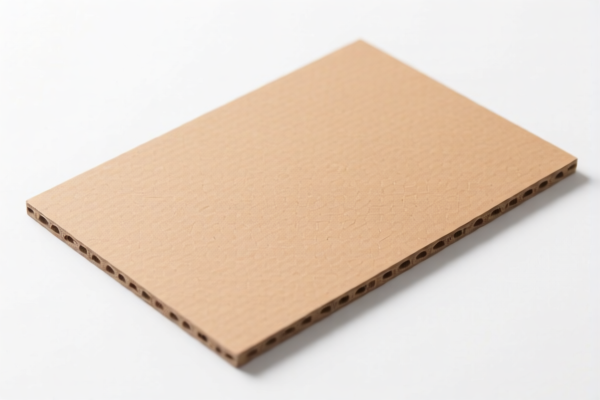
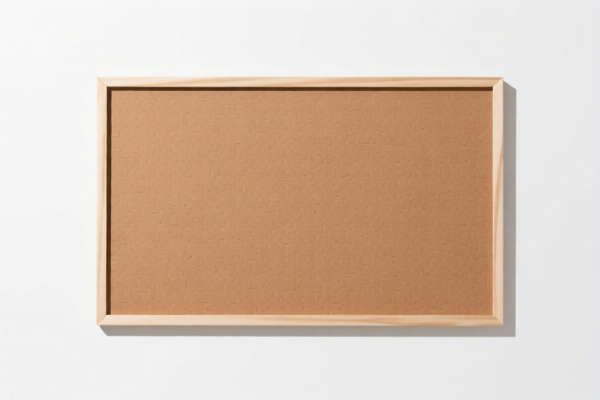
AI分析
🧩 PP Board (Polypropylene Board) – Comprehensive HS Code & Tariff Guide (2026 Update)
🌐 HS Code Reference & Customs Clearance Strategy | 2026 Latest Tariff Breakdown | Expert-Level Import Planning
📌 One Product, Multiple Codes – Why the Tax Difference Matters!
🔥 Critical Insight:
The same product — PP Board (Polypropylene Board) — can be classified under 5 different HS Codes, each with drastically different tariffs (from 13.4% to 41.5%).❗ Misclassification = 30%+ extra duty cost.
✅ Correct classification = Legal savings, faster clearance, zero penalties.
📦 1. HS Code Classification Breakdown (2026 Official Tariff List)
| HS Code | Product Description | Material | Form | Key Distinction | Tax Rate |
|---|---|---|---|---|---|
3921.19.00.10 |
PP Board, Polypropylene, in plate form | Polypropylene | Plate | High purity, structural use | 41.5% |
3920.20.00.20 |
PP Board, Polypropylene Polymer, in plate/sheet form | Polypropylene Polymer | Plate, Sheet | General polymer, broader category | 39.2% |
3920.20.00.55 |
PP Board, Polypropylene, in plates/sheets | Polypropylene | Plates, Sheets | Same as above, different subheading | 39.2% |
3921.19.00.90 |
PP Board, Plastic, in plate/sheet/film/foil/strips | Plastic | Plate, Sheet, Film, Foil, Strip | Broadest category – includes mixed plastics | 41.5% |
3924.10.40.00 |
PP Cutting Board, Plastic, Kitchen Use | Plastic | Cutting Board | Purpose-driven: kitchen tool | 13.4% |
3924.10.20.00 |
PP Cutting Board, Plastic, Kitchen Utensil/Container | Plastic | Cutting Board | Purpose + function: kitchenware | 24.0% |
⚠️ Why So Many Codes?
The difference lies in material specificity, form, and intended use.
- "Polypropylene" vs "Plastic" → more specific = higher tariff? ❌ Not always.
- "Board" vs "Cutting Board" → use case changes everything.
- "Plate" vs "Sheet" vs "Film" → form matters for classification.
💰 2. 2026 Tariff Breakdown – Full Tax Clause Analysis (US Market)
✅ Applicable Country: United States (US)
✅ Origin: China (CN)
✅ Effective Date: November 10, 2025 (inclusive)
✅ Legal Basis: U.S. Tariff Schedule, IEEPA, USITC Section 301, Footnote 9903.88.01
🎯 1. 3921.19.00.10 – PP Board (Polypropylene, Plate Form)
| Item | Detail |
|---|---|
| Base Duty | 6.5% |
| Section 301 (USITC) Additional Duty | +25.0% |
| IEEPA Emergency Economic Powers Act (122 Clause) | +10.0% |
| Total Effective Duty | 41.5% |
| Tax Calculation | CIF Value × 41.5% |
| De Minimis Threshold | ❌ Not applicable (denied) |
| Legal Path | IEEPA:9903.01.25 → IEEPA:9903.01.24 → USITC:3921.19.00.10 → FOOTNOTE:9903.88.01 |
📌 Why 41.5%?
- "Polypropylene" is a targeted chemical under Section 301.
- "Plate" form is considered industrial material → not exempt.
- No kitchen use → no relief under 3924.10.40.00.
🎯 2. 3920.20.00.20 – PP Board (Polypropylene Polymer, Plate/Sheet)
| Item | Detail |
|---|---|
| Base Duty | 4.2% |
| Section 301 (USITC) Additional Duty | +25.0% |
| IEEPA (122 Clause) | +10.0% |
| Total Effective Duty | 39.2% |
| Tax Calculation | CIF × 39.2% |
| De Minimis | ❌ Not eligible |
| Legal Path | IEEPA:9903.01.25 → IEEPA:9903.01.24 → USITC:3920.20.00.20 → FOOTNOTE:9903.88.01 |
📌 Why 39.2%?
- "Polypropylene Polymer" is a generic chemical term, slightly less targeted than pure "PP".
- Still falls under Section 301 and IEEPA → same extra tariffs.
- Form (plate/sheet) is industrial → no relief.
🎯 3. 3920.20.00.55 – PP Board (Polypropylene, Plates/Sheets)
| Item | Detail |
|---|---|
| Base Duty | 4.2% |
| Section 301 (USITC) | +25.0% |
| IEEPA (122 Clause) | +10.0% |
| Total Effective Duty | 39.2% |
| Tax Calculation | CIF × 39.2% |
| De Minimis | ❌ Not eligible |
| Legal Path | IEEPA:9903.01.25 → IEEPA:9903.01.24 → USITC:3920.20.00.55 → FOOTNOTE:9903.88.01 |
📌 Note: Same as
3920.20.00.20— only subheading differs, tax identical.
- "Plates, Sheets" is a functional descriptor, not a purpose.
- Still considered industrial plastic, not consumer product.
🎯 4. 3921.19.00.90 – PP Board (Plastic, Plate/Sheet/Film/Foil/Strip)
| Item | Detail |
|---|---|
| Base Duty | 6.5% |
| Section 301 (USITC) | +25.0% |
| IEEPA (122 Clause) | +10.0% |
| Total Effective Duty | 41.5% |
| Tax Calculation | CIF × 41.5% |
| De Minimis | ❌ Not eligible |
| Legal Path | IEEPA:9903.01.25 → IEEPA:9903.01.24 → USITC:3921.19.00.90 → FOOTNOTE:9903.88.01 |
📌 Why 41.5%?
- "Plastic" is a broad term → no specificity.
- "Plate, Sheet, Film, Foil, Strip" → all included → high-risk for 301/IEEPA.
- No material precision → treated as high-value industrial plastic.
🎯 5. 3924.10.40.00 – PP Cutting Board (Kitchen Use)
| Item | Detail |
|---|---|
| Base Duty | 3.4% |
| Section 301 (USITC) | +0.0% |
| IEEPA (122 Clause) | +10.0% |
| Total Effective Duty | 13.4% |
| Tax Calculation | CIF × 13.4% |
| De Minimis | ✅ Eligible (if < $800) |
| Legal Path | IEEPA:9903.01.24 → FOOTNOTE:9903.88.01 → 3924.10.40.00 |
📌 Why Only 13.4%?
- "Kitchen Use" is a purpose-based exemption.
- No Section 301 duty (0%) → huge saving.
- IEEPA still applies (10%), but base duty is low.
🎯 6. 3924.10.20.00 – PP Cutting Board (Kitchen Utensil/Container)
| Item | Detail |
|---|---|
| Base Duty | 6.5% |
| Section 301 (USITC) | +7.5% |
| IEEPA (122 Clause) | +10.0% |
| Total Effective Duty | 24.0% |
| Tax Calculation | CIF × 24.0% |
| De Minimis | ❌ Not eligible |
| Legal Path | IEEPA:9903.01.25 → IEEPA:9903.01.24 → USITC:3924.10.20.00 → FOOTNOTE:9903.88.01 |
📌 Why 24.0%?
- "Kitchen utensil/container" → broader function → still subject to partial Section 301 (7.5%).
- No full exemption, but lower than industrial PP boards.
🛠️ 3. Customs Clearance Best Practices (Pro Tips)
✅ 1. Documentation Checklist (Must-Have)
| Document | Required? | Why It Matters |
|---|---|---|
| ✅ Product Specification Sheet | ✔️ | Prove material (PP vs plastic), form (plate vs sheet), thickness |
| ✅ Technical Drawings / Photos | ✔️ | Show shape, size, edge finish, surface texture |
| ✅ Commercial Invoice | ✔️ | Must state: “PP Board, Polypropylene, Plate Form” or “Cutting Board, Kitchen Use” |
| ✅ Packing List | ✔️ | Show quantity, weight, packaging type |
| ✅ Certificate of Origin (CO) | ✔️ | Required for tariff claims; can affect IEEPA/301 status |
| ✅ Test Report (RoHS, FDA, etc.) | ✔️ | If for food contact (cutting board), needed for compliance |
| ✅ Label/Marking Proof | ✔️ | Show product name, brand, model, intended use |
✅ 2.申报技巧 (Key Rules to Remember)
🔥 "Purpose Changes Tax: Industrial = 41.5%, Kitchen = 13.4%"
| Scenario | Correct HS Code | Wrong Code | Result |
|---|---|---|---|
| PP board for industrial shelf, no kitchen use | 3921.19.00.10 or 3920.20.00.20 |
3924.10.40.00 |
Overpay 28% tax |
| PP cutting board labeled "kitchen use" | 3924.10.40.00 |
3921.19.00.10 |
Save 28.1% |
| PP board with mixed plastic | 3921.19.00.90 |
3920.20.00.55 |
Same tax, but riskier |
| Cutting board sold as "utensil" | 3924.10.20.00 |
3924.10.40.00 |
Pay 10.6% more |
✅ 3. Special Cases & Mitigation Strategies
| Situation | Solution |
|---|---|
| Cutting board used in commercial kitchen | Still eligible for 3924.10.40.00 (kitchen use = 13.4%) |
| PP board with branding for retail | If no kitchen use, must use industrial code → 41.5% |
| PP board sold as "art display" or "prototyping" | Still industrial → 41.5% |
| Product is partially recycled PP | Still subject to 301/IEEPA if origin is China |
| Product is made in Vietnam/Mexico | Can apply for IEEPA exemption → 0% on 3924.10.40.00 |
🌍 4. Global Market Tariff Comparison (2026)
| Country | Recommended HS Code | Duty | Certification | Notes |
|---|---|---|---|---|
| 🇺🇸 USA | 3924.10.40.00 (kitchen) |
13.4% | FDA (if food contact) | De Minimis applies |
| 🇨🇳 China | 3921.19.00.10 |
5% | CCC | No extra tariffs |
| 🇪🇺 EU | 3921.19.00.10 |
0% (if CE) | CE, REACH | No 301/IEEPA |
| 🇦🇺 Australia | 3921.19.00.10 |
5% | RCM | No extra duties |
| 🇯🇵 Japan | 3921.19.00.10 |
0% | PSE | No 301/IEEPA |
📌 Insight:
- USA is the only market with 301/IEEPA tariffs on PP boards.
- Kitchen-use boards (3924.10.40.00) are the only ones with 13.4% in US.
- All other markets are much lower or zero.
📌 5. Common Mistakes & How to Avoid Them
❌ Mistake 1: Calling a cutting board “PP Board” in invoice
👉 Result: Taxed at 41.5% → overpay 28.1%
✅ Fix: Use “PP Cutting Board, Kitchen Use” in description.
❌ Mistake 2: Not specifying material as "Polypropylene"
👉 Result: Classified as "Plastic" → taxed at 41.5%
✅ Fix: Use “Polypropylene (PP)” in technical specs.
❌ Mistake 3: Selling PP board as "industrial" but using kitchen imagery
👉 Result: Customs may reclassify as kitchenware → risk of audit
✅ Fix: Keep branding and packaging consistent.
❌ Mistake 4: Not applying for de minimis on cutting board (under $800)
👉 Result: Pay 13.4% on small shipments
✅ Fix: Claim de minimis if value < $800.
🎯 6. Final Verdict: How to Save Thousands in Duties
✅ If your product is a cutting board for kitchen use → use
3924.10.40.00→ 13.4%
✅ If it's industrial, structural, or general plastic board → use3921.19.00.10→ 41.5%
✅ Never use "Plastic" alone – it triggers the highest rate
✅ Always confirm intended use in labeling, packaging, and invoice
📣 Pro Tip: Apply for Advance Ruling (Pre-Clearance)
🔥 Get a binding HS Code decision from U.S. CBP before shipment
- Avoids misclassification risk
- Locks in tariff rate
- Saves time & money on future shipments
✨ Summary: The Golden Rule of PP Board Importing
🔹 "If it’s for the kitchen → 13.4% (3924.10.40.00)
🔹 If it’s industrial → 41.5% (3921.19.00.10)
🔹 "Plastic" = 41.5%
🔹 "PP" = 39.2% or 41.5%
🔹 Purpose defines the tax!
📌 Your Next Step:
📞 Contact a licensed customs broker
📄 Provide product photos, specs, and use case
🚀 Get HS Code pre-approval + tariff estimate
💼 Your product’s success starts with the right HS Code.
🎯 Precision today = Profit tomorrow.
🚀 Export with confidence. Import with control.
用户评价
关于 HS 编码归类
协调制度(HS)是由世界海关组织(WCO)制定的国际贸易商品分类标准。全球 200 多个国家采用 HS 系统作为海关关税、贸易统计和进出口监管的基础。
每个 HS 编码遵循以下层级结构:
- 章(2 位)——商品大类(例如:第 84 章:机器和机械设备)
- 品目(4 位)——章内的更具体分类
- 子目(6 位)——国际通用细分,所有 WCO 成员国统一使用
- 本国细分(8-10 位)——各国自行扩展的细分编码,如美国 HTSUS 10 位编码
正确的 HS 编码归类对于顺利通关、准确缴纳关税和遵守贸易法规至关重要。错误归类可能导致海关延误、多缴关税或罚款。
从CN进口到US时,适用的关税税率可能包括:
- 最惠国(MFN)税率——适用于 WTO 成员国的标准关税税率
- 普通税率——适用于无贸易协定国家
- 贸易救济关税——附加关税,如 301 条款(反倾销)、232 条款(国家安全)或反补贴税
本页内容仅供参考。如需正式归类,请咨询当地海关或持牌报关代理。