prayer mat
CN → US| HS编码 | 关税税率 | 原产国 | 目的国 | 文档 |
|---|---|---|---|---|
| 6302991000 | 20.2% | CN | US | 官方文档 |
| 6302992000 | 18.4% | CN | US | 官方文档 |
| 5007200015 | 35.0% | CN | US | 官方文档 |
| 5007903090 | 35.8% | CN | US | 官方文档 |
| 9404909623 | 17.3% | CN | US | 官方文档 |
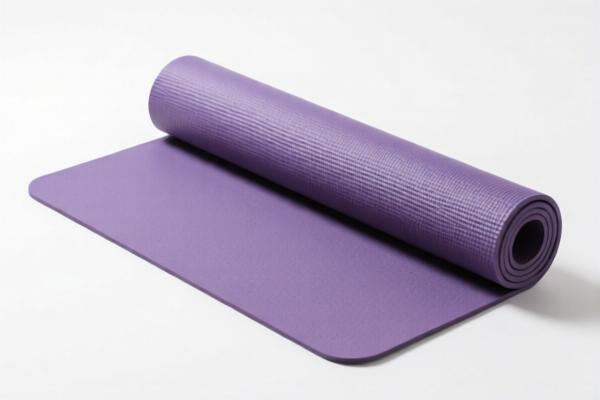
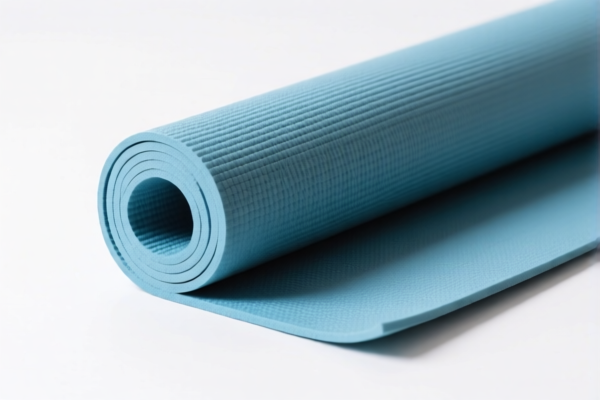
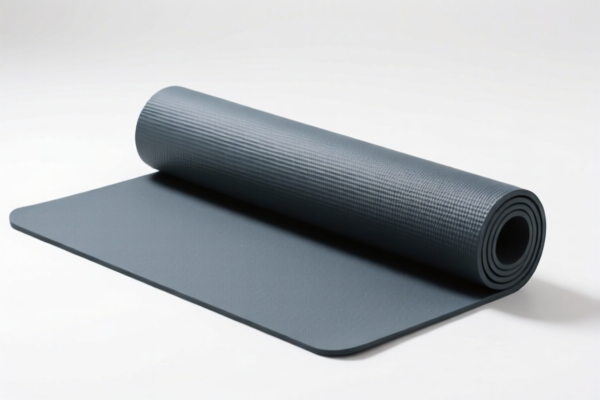
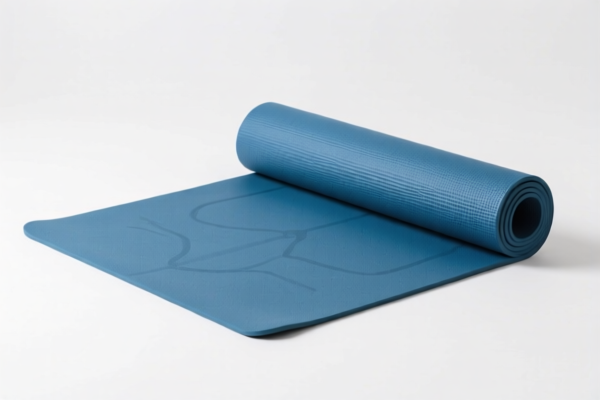
商品图片
AI分析
🧘 Prayer Mats (Silk & Textile Mats)
🌐 HS Code Reference & Customs Clearance Guide | 2026 Latest Tariff Analysis | Professional Clearance Strategy
📌 Part 1: Product Definition & Classification: What Exactly Is a "Prayer Mat"?
A prayer mat is a textile product specifically designed for religious ritual use. In international trade, its classification depends heavily on material composition and specific use category.
Silk Prayer Mats: Made primarily of silk, these are often classified under general textile categories (Chapter 50) or specific textile article categories (Chapter 63), depending on the weave and percentage of silk content.
⚠️ Key Distinction Point:
- If the item is classified as a "textile article" (e.g., bedding, hygiene, or kitchen use) → It falls under Chapter 63 (Lower Base Duty).
- If the item is classified as a "woven fabric" containing ≥85% silk → It falls under Chapter 50 (High Base Duty).
- If it is a "specialty textile" with high silk weight → It may fall under Chapter 94 (Furniture/Accessory category, potentially lower tax).
📦 Part 2: HS Code Classification Details (2026 Latest Tariff Authority Comparison)
Based on the provided data for Silk Prayer Mats, here are the four possible classifications:
| HS Code | Product Description | Application Scenario | Silk Content/Structure | Total Tax Rate |
|---|---|---|---|---|
6302.99.10.00 |
Silk Prayer Mat: Textile article for bed, hygiene, or kitchen use (Mat type) | General religious textile, categorized under household/health textiles | Defined as "Textile Article" | 20.2% |
6302.99.20.00 |
Silk Prayer Mat: Other textile materials/article (Mat type) | Generic textile classification fallback | No specific material constraint mentioned | 18.4% |
5007.20.00.15 |
Silk Prayer Mat: Woven fabric product | Classified as fabric based on inference principles | Fabric form, general category | 35.0% |
5007.90.30.90 |
Silk Prayer Mat: Woven fabric, ≥85% Silk content | High-silk content woven textile | ≥85% Silk | 35.8% |
9404.90.96.23 |
Silk Prayer Mat: Other textile material, High Silk Weight | Specialty textile, high silk weight ratio | High silk weight, "Other" category | 17.3% |
🔍 Critical Insight:
- Chapter 63 (6302...) offers the lowest total tax rates (18.4% - 20.2%) because it treats the mat as a finished "textile article" rather than raw fabric. - Chapter 50 (5007...) carries the highest total tax rates (35.0% - 35.8%) because it classifies the item as "woven fabric" with high silk content, triggering significant USITC duties. - Chapter 94 (9404...) offers the absolute lowest total tax rate (17.3%) but requires strict compliance with the "high silk weight" and "other textile material" criteria.
💰 Part 3: 2026 Latest Tariff Rate Breakdown (Including Additional Taxes & Policy Add-ons)
✅ Applicable Country: United States (US)
✅ Origin: China (CN)
✅ Effective Time: Includes subsequent imports from Nov 10, 2025, onwards
🎯 1. 6302.99.10.00 —— Silk Prayer Mat (Textile Article for Bed/Hygiene/Kitchen)
| Item | Content |
|---|---|
| Base Tariff | 2.7% |
| Section 301 Additional Tariff | +7.5% |
| Section 122 Additional Tariff | +10% |
| Total Tax Rate | 20.2% |
| Tax Calculation | CIF Value × 20.2% |
| De Minimis Exemption | ❌ Not Eligible (Likely due to Section 301/122 applicability) |
| Legal Basis Path | Base:2.7 → Sec301:7.5 → Sec122:10 → USITC:6302.99.10.00 |
📌 Explanation:
- The base duty is low because it is considered a finished textile article. - However, Section 301 (7.5%) and Section 122 (10%) add-ons significantly increase the cost.
🎯 2. 6302.99.20.00 —— Silk Prayer Mat (Other Textile Material/Article)
| Item | Content |
|---|---|
| Base Tariff | 8.4% |
| Section 301 Additional Tariff | 0.0% |
| Section 122 Additional Tariff | +10% |
| Total Tax Rate | 18.4% |
| Tax Calculation | CIF Value × 18.4% |
| De Minimis Exemption | ❌ Not Eligible |
| Legal Basis Path | Base:8.4 → Sec301:0 → Sec122:10 → USITC:6302.99.20.00 |
📌 Note:
- This code has a higher base duty (8.4%) but no Section 301 duty. - Total rate (18.4%) is the lowest among Chapter 63 codes, making it potentially the most cost-effective if the product fits this description.
🎯 3. 5007.20.00.15 —— Silk Prayer Mat (Woven Fabric Product)
| Item | Content |
|---|---|
| Base Tariff | 0.0% |
| Section 301 Additional Tariff | +25.0% |
| Section 122 Additional Tariff | +10% |
| Total Tax Rate | 35.0% |
| Tax Calculation | CIF Value × 35.0% |
| De Minimis Exemption | ❌ Not Eligible |
| Legal Basis Path | Base:0 → Sec301:25 → Sec122:10 → USITC:5007.20.00.15 |
📌 Warning:
- Even with a 0% base duty, the 25% Section 301 tariff makes this highly expensive. - Avoid this classification unless the product is strictly defined as uncut woven fabric.
🎯 4. 5007.90.30.90 —— Silk Prayer Mat (Woven Fabric, ≥85% Silk)
| Item | Content |
|---|---|
| Base Tariff | 0.8% |
| Section 301 Additional Tariff | +25.0% |
| Section 122 Additional Tariff | +10% |
| Total Tax Rate | 35.8% |
| Tax Calculation | CIF Value × 35.8% |
| De Minimis Exemption | ❌ Not Eligible |
| Legal Basis Path | Base:0.8 → Sec301:25 → Sec122:10 → USITC:5007.90.30.90 |
📌 Warning:
- Highest total tax rate (35.8%). - Triggered by ≥85% silk content being classified as a "woven fabric" rather than a finished article.
🎯 5. 9404.90.96.23 —— Silk Prayer Mat (Other Textile, High Silk Weight)
| Item | Content |
|---|---|
| Base Tariff | 7.3% |
| Section 301 Additional Tariff | 0.0% |
| Section 122 Additional Tariff | +10% |
| Total Tax Rate | 17.3% |
| Tax Calculation | CIF Value × 17.3% |
| De Minimis Exemption | ❌ Not Eligible |
| Legal Basis Path | Base:7.3 → Sec301:0 → Sec122:10 → USITC:9404.90.96.23 |
📌 Optimal Choice?:
- Lowest Total Tax Rate (17.3%). - Requires proof that the mat is "other textile material" with high silk weight and fits Chapter 94 (furniture/accessories category). - No Section 301 duty applies here.
🛠️ Part 4: Customs Clearance Practical Advice (Real-World Pitfall Guide)
✅ 1. Document Checklist (Mandatory)
| Document | Required | Explanation |
|---|---|---|
| ✅ Product Specification | ✔️ | Must detail material (Silk), dimensions, and silk percentage. |
| ✅ Composition Certificate | ✔️ | Critical to prove if silk content is <85% or ≥85%. Determines Chapter 63 vs. 50. |
| ✅ Product Photos | ✔️ | Show the mat’s structure: Is it a finished article (Chapter 63/94) or raw fabric (Chapter 50)? |
| ✅ Commercial Invoice | ✔️ | Clear description: "Silk Prayer Mat, Textile Article, Not Woven Fabric." |
| ✅ Packing List | ✔️ | Ensure no missing components that could be classified separately. |
✅ 2. Declaration Strategy (Key Tips)
🔥 “Declare as Article, Not Fabric! Avoid the 301 Trap!”
| Scenario | Correct Declaration | Incorrect Declaration |
|---|---|---|
| Finished Mat | Use 6302.99.20.00 or 9404.90.96.23 |
Declare as "Silk Fabric" → 5007... (35%+ Tax) |
| High Silk Content | Prove it’s an "Article" not "Fabric" to stay in Ch. 63/94 | Admit ≥85% silk without structure proof → 5007.90.30.90 (35.8% Tax) |
| Section 301 Avoidance | Target codes with 0% Sec301 (6302.99.20.00, 9404.90.96.23) |
Use codes with 25% Sec301 (5007...) |
✅ 3. Special Case Handling
| Situation | Handling Advice |
|---|---|
| OEM Custom Mats | Provide design specs showing it’s a finished good, not cut fabric. |
| Mixed Materials | If silk is <85%, argue for Chapter 63 to avoid high Sec301 duties. |
| "Other Textile" Argument | For 9404.90.96.23, provide evidence that the mat is a "specialty textile accessory" to justify Chapter 94 classification. |
| Origin Documentation | Ensure Certificate of Origin confirms China origin to accurately apply Section 122 (10%). |
🌍 Part 5: Global Market Comparison (2026 Latest)
| Country/Region | Recommended HS Code | Tariff (China Origin) | Key Requirement | Note |
|---|---|---|---|---|
| 🇺🇸 USA | 9404.90.96.23 |
17.3% (Lowest) | High silk weight, Ch. 94 fit | Avoid Ch. 50 (35%+) |
| 🇺🇸 USA | 6302.99.20.00 |
18.4% (Second Lowest) | Textile article, Ch. 63 | Good fallback |
| 🇺🇸 USA | 5007.90.30.90 |
35.8% (Highest) | ≥85% Silk, Woven Fabric | Avoid if possible |
| 🇪🇺 EU | Varies by Content | ~5-8% | CE, RoHS | No Section 301/122 |
| 🇨🇳 China | Varies | ~5-10% | CCC (if applicable) | Lower baseline |
📌 Conclusion:
- USA is the highest-cost market due to Section 301 and Section 122 tariffs. - Strategic Classification between Chapter 63 and 94 can save ~15-18% in total taxes compared to Chapter 50. - China-origin goods face significant add-ons, making precise HS code selection critical.
📌 Part 6: Common Errors & Pitfalls (Blood Lessons)
❌ Error 1: Classifying a finished prayer mat as "Woven Fabric" (5007...)
👉 Consequence: Tax jumps from 17.3% to 35.8% → Profit loss!
❌ Error 2: Ignoring Section 122 Tariff (10%)
👉 Consequence: Under-declaration → Penalties & Delays
❌ Error 3: Failing to prove Silk Content <85% for Chapter 63
👉 Consequence: Customs reclassifies to Chapter 50 → Additional 15-18% tax
❌ Error 4: Using vague descriptions like "Silk Mat"
👉 Consequence: Customs ambiguity → Audit Risk & Delays
✅ Correct Approach:
"Silk Prayer Mat, Finished Textile Article, Not Woven Fabric, For Religious Use, Silk Content: XX% (Prove <85% if using Ch. 63)"
🎯 Part 7: Conclusion: Professional Declaration, Save Costs!
🎯 Remember the Mantra:
🔹 "Article not Fabric, Chapter 63/94 is Key!"
🔹 "Avoid Chapter 50, Save 18% Tax!"
🔹 "Section 301 is the Enemy, Section 122 is the Cost!"
📌 Pro Tip:
If your silk prayer mat can be classified under 9404.90.96.23 (17.3%) or 6302.99.20.00 (18.4%), prioritize these codes. Avoid 5007... codes unless absolutely necessary.
Apply for an Advance Ruling from US Customs to confirm the classification before shipping!
📣 Immediate Action:
📞 Consult a licensed customs broker.
📄 Provide composition certificates and product photos.
🚀 Secure the lowest tariff rate (17.3%) and ensure smooth clearance!
✨ Professional Customs Clearance Starts with Accurate Classification!
💼 Every Percent Saved is Pure Profit!
用户评价
关于 HS 编码归类
协调制度(HS)是由世界海关组织(WCO)制定的国际贸易商品分类标准。全球 200 多个国家采用 HS 系统作为海关关税、贸易统计和进出口监管的基础。
每个 HS 编码遵循以下层级结构:
- 章(2 位)——商品大类(例如:第 84 章:机器和机械设备)
- 品目(4 位)——章内的更具体分类
- 子目(6 位)——国际通用细分,所有 WCO 成员国统一使用
- 本国细分(8-10 位)——各国自行扩展的细分编码,如美国 HTSUS 10 位编码
正确的 HS 编码归类对于顺利通关、准确缴纳关税和遵守贸易法规至关重要。错误归类可能导致海关延误、多缴关税或罚款。
从CN进口到US时,适用的关税税率可能包括:
- 最惠国(MFN)税率——适用于 WTO 成员国的标准关税税率
- 普通税率——适用于无贸易协定国家
- 贸易救济关税——附加关税,如 301 条款(反倾销)、232 条款(国家安全)或反补贴税
本页内容仅供参考。如需正式归类,请咨询当地海关或持牌报关代理。