premium buffalo leather
CN → US| HS编码 | 关税税率 | 原产国 | 目的国 | 文档 |
|---|---|---|---|---|
| 4107124000 | 12.5% | CN | US | 官方文档 |
| 4107194000 | 12.5% | CN | US | 官方文档 |
| 4101503500 | 19.9% | CN | US | 官方文档 |
| 4101203500 | 19.9% | CN | US | 官方文档 |
| 4104413060 | 12.4% | CN | US | 官方文档 |
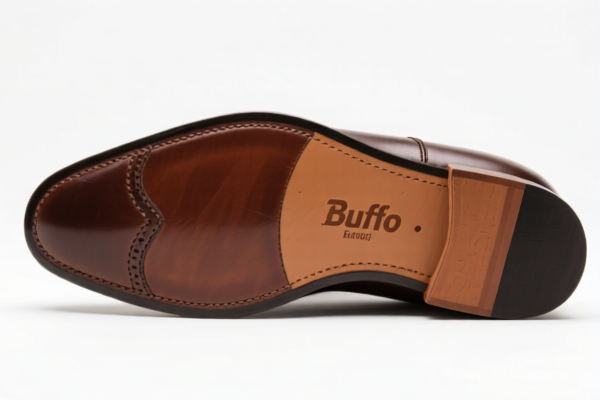
商品图片


AI分析
🐂 Premium Buffalo Leather (Water Buffalo Hide)
🌐 HS Code Reference & Customs Clearance Guide | 2026 Latest Tariff Analysis | Professional Entry Strategy
📌 I. Product Definition & Classification: What Exactly is "Premium Buffalo Leather"?
"Premium Buffalo Leather" is a broad commercial term often used in trade, but it is not a precise customs description. In international trade, the classification depends entirely on the state of processing (raw vs. tanned) and the specific material characteristics of the hide.
There are two distinct stages: 1. Raw Hides (Unprocessed): Fresh, salted, or dried buffalo skins, not yet chemically treated for durability or color. 2. Tanned/Crusted Leather (Processed): Hides that have undergone chemical treatment (vegetable, chrome, or combination tanning) to preserve them, making them ready for manufacturing shoes, bags, or upholstery.
⚠️ Key Distinction Point: - If the product is raw, salted, or dried (still animal skin) → Classified under Chapter 41.01. - If the product is tanned, dyed, or crusted (processed leather) → Classified under Chapter 41.04/41.07.
📦 II. HS Code Classification Details (2026 Latest Tariff Concordance)
Based on the provided dataset, here are the specific HS Codes for Buffalo Leather and their corresponding tax implications. Note that while the summary terms vary slightly, the tax impact is consistent within processing stages.
| HS Code | Product Description (Summary) | Processing State | Key Characteristics |
|---|---|---|---|
4101.50.35.00 |
Buffalo Raw Hides | Raw / Unprocessed | Fits species and material definition of raw hides. |
4101.20.35.00 |
Water Buffalo Raw Hides | Raw / Unprocessed | Fits species and material requirements for raw hides. |
4107.12.40.00 |
Buffalo Leather | Tanned/Processed | Matches material and form of finished leather. |
4107.19.40.00 |
Buffalo Leather | Tanned/Processed | Explicitly includes material and form definitions. |
4104.41.30.60 |
Buffalo Leather | Tanned/Processed | Fits core material definition under this specific subheading. |
🔍 Critical Note: - Raw Hides (
4101.x.x) are subject to higher base tariffs + Section 301 (7.5%) + Section 122 (10%). - Processed Leather (4107.x.x&4104.x.x) are subject to lower base tariffs (2.4%-2.5%) + Section 122 (10%). - The term "Premium" is marketing language; Customs requires physical description (e.g., "Chrome-tanned Buffalo Leather").
💰 III. 2026 Latest Tariff Rate Details (Including Surcharges & Policy Add-ons)
✅ Applicable Country: United States (US)
✅ Country of Origin: China (CN)
✅ Effective Date: Current rates apply for imports from China.
🎯 1. 4101.50.35.00 & 4101.20.35.00 —— Raw Buffalo Hides
These codes apply to unprocessed buffalo skins. The tax burden is significantly higher due to the "Section 301" tariff.
| Item | Detail |
|---|---|
| Base Tariff Rate | 2.4% (Ad Valorem) |
| Section 301 Surcharge | +7.5% (Additional Tariff) |
| Section 122 Tariff | +10% (Specific Section 122 levy) |
| Total Tax Rate | 19.9% |
| Tax Calculation | CIF Value × 19.9% |
| De Minimis Exemption | ❌ Not Available (Denied) |
| Legal Basis Path | Base Rate 2.4% → Section 301: 7.5% → Section 122: 10% |
📌 Explanation: - The 7.5% is the standard Section 301 tariff on many Chinese leather products. - The 10% is a specific Section 122 tariff applicable to these raw hide categories. - Combined Total: 19.9%. This is a substantial cost for raw materials.
🎯 2. 4107.12.40.00 & 4107.19.40.00 —— Tanned Buffalo Leather
These codes apply to processed buffalo leather (e.g., chrome-tanned, vegetable-tanned). The tax burden is lower because the base rate is slightly higher but Section 301 does not apply.
| Item | Detail |
|---|---|
| Base Tariff Rate | 2.5% (Ad Valorem) |
| Section 301 Surcharge | 0.0% (Exempt) |
| Section 122 Tariff | +10% |
| Total Tax Rate | 12.5% |
| Tax Calculation | CIF Value × 12.5% |
| De Minimis Exemption | ❌ Not Available (Denied) |
| Legal Basis Path | Base Rate 2.5% → Section 122: 10% |
📌 Explanation: - Tanned leather is often viewed as a higher-value intermediate good. - While the base rate is 0.1% higher than raw hides, the exemption from Section 301 (7.5%) saves significant money. - Combined Total: 12.5%.
🎯 3. 4104.41.30.60 —— Other Tanned Buffalo Leather
This code covers specific types of tanned leather that may fall outside the "direct tanned" definition of 4107 but are still processed.
| Item | Detail |
|---|---|
| Base Tariff Rate | 2.4% (Ad Valorem) |
| Section 301 Surcharge | 0.0% (Exempt) |
| Section 122 Tariff | +10% |
| Total Tax Rate | 12.4% |
| Tax Calculation | CIF Value × 12.4% |
| De Minimis Exemption | ❌ Not Available (Denied) |
| Legal Basis Path | Base Rate 2.4% → Section 122: 10% |
📌 Explanation: - This is the lowest tax bracket (12.4%) among all listed options. - It requires the product to fit the specific core material definition of heading 4104.41.
🛠️ IV. Customs Clearance Practical Advice (Real-World Pitfall Avoidance)
✅ 1. Essential Documentation Checklist (Non-Negotiable)
| Document | Required? | Explanation |
|---|---|---|
| ✅ Commercial Invoice | ✔️ | Must explicitly state "Buffalo Leather," "Water Buffalo," and processing method (e.g., "Chrome-Tanned"). |
| ✅ Bill of Lading/Air Waybill | ✔️ | Standard shipping document. |
| ✅ Packing List | ✔️ | Details weight, quantity, and packaging type. |
| ✅ Material Declaration | ✔️ | CRITICAL: Must specify species ("Bubalus bubalis" for Water Buffalo) and processing state ("Raw," "Chrome-Tanned," "Vegetable-Tanned"). |
| ✅ Photos of Product | ✔️ | Show texture, grain, and any labels/markings to prove it is not raw/hairy hide if declaring processed. |
| ✅ Customs Bond | ✔️ | Required for all commercial imports. |
⚠️ Warning: Do not use vague terms like "Premium Hide" on official docs. Use precise technical terms aligned with the HS Code (e.g., "Buffalo Leather, Tanned").
✅ 2. Classification Strategy (Key Mantras)
🔥 "Raw Hides = High Tax, Processed = Lower Tax, Species Matters!"
| Scenario | Correct HS Code | Wrong Code | Consequence |
|---|---|---|---|
| Importing Raw/Salted Buffalo Skins | 4101.50.35.00 |
4107.12.40.00 |
Underpayment → Seizure, fines, back-tariffs. |
| Importing Chrome-Tanned Leather | 4107.12.40.00 |
4101.50.35.00 |
Overpayment → Lost profit margin. |
| Importing Cow Leather (Mistaken for Buffalo) | 4107.12.40.00 (if similar) |
4107.12.40.00 (Buffalo) |
Species mismatch → Potential penalty if not declared correctly. |
| Shipping Small Samples | All Codes | De Minimis ($800) | ❌ De Minimis NOT applicable for leather from China. Must pay duties. |
✅ 3. Special Situation Handling
| Situation | Advice |
|---|---|
| "Premium" Marketing Label | Ignore this in customs docs. Customs cares about species (Water Buffalo) and state (Tanned/Raw). |
| Mixed Shipments (Raw + Tanned) | Separate shipments or clearly line-itemed invoice. Do not bundle into one HS Code. |
| Section 122 Tariff Impact | All these codes carry a 10% Section 122 surcharge. Ensure your cost model includes this fixed overhead. |
| Origin Documentation | Certificate of Origin (CO) is not a tax exemption document for these codes from China. It is for record-keeping. |
🌍 V. Global Market Clearance Comparison (2026)
| Country/Region | Recommended HS Code | Estimated Duty | Key Requirement | Notes |
|---|---|---|---|---|
| 🇺🇸 USA | 4107.12.40.00 / 4101.50.35.00 |
12.4% - 19.9% | Precise Species ID | Section 122 (10%) applies to all. |
| 🇨🇳 China (Import) | 4107 / 4101 |
5% - 8% | Standard Import Docs | No Section 301 or 122. |
| 🇪🇺 EU | 4107 / 4101 |
6.5% - 9% | REACH Compliance | Higher base rates, no US-style add-ons. |
| 🇬🇧 UK | 4107 / 4101 |
6.5% - 9% | UKCA/GPSR | Post-Brexit rules apply. |
📌 Conclusion: - The US is the most complex market due to the addition of Section 301 (for raw hides) and Section 122 (for all listed). - Processed Leather (
4107) is more tax-efficient than Raw Hides (4101) in the US market. - Always verify if the product is "Raw" or "Tanned" before declaring.
📌 VI. Common Errors & Pitfall Guide (Blood & Tears Lessons)
❌ Error 1: Declaring Raw Hides as Processed Leather (4101 as 4107)
👉 Consequence: Severe Penalty. You are evading the 7.5% Section 301 tariff. Customs may seize the cargo.
❌ Error 2: Using "De Minimis" ($800 exemption) for Small Leather Samples 👉 Consequence: Denied Entry. Leather from China is not eligible for de minimis. You must pay duties even on a single sample hide.
❌ Error 3: Vague Description: "Animal Skin" or "Leather" 👉 Consequence: Customs Hold. They will request more info, delay clearance, and possibly reclassify it under a higher duty rate.
✅ Correct Practice:
"Buffalo Leather, Water Buffalo (Bubalus bubalis), Chrome-Tanned, Crusted, Unembossed, 2.5mm Thickness, HS 4107.12.40.00"
🎯 VII. Conclusion: Precision Classification Saves Money!
🎯 Remember the Mantra:
🔹 "Raw Hides = 19.9%, Processed = 12.4%-12.5%." 🔹 "Section 122 is 10% across the board." 🔹 "No De Minimis for Leather from China!"
📌 Pro Tip: If you are importing raw hides and plan to process them, consider inward processing relief (if available) or source pre-tanned leather to reduce the effective duty rate from 19.9% to ~12.5%.
📣 Immediate Action:
📞 Consult a licensed customs broker. 📄 Provide technical specifications (tanning method, thickness, species). 🚀 Avoid classification errors that cost thousands in unexpected duties.
✨ Professional Customs Clearance Starts with Accurate Classification! 💼 Every Dollar Saved is Pure Profit!
用户评价
关于 HS 编码归类
协调制度(HS)是由世界海关组织(WCO)制定的国际贸易商品分类标准。全球 200 多个国家采用 HS 系统作为海关关税、贸易统计和进出口监管的基础。
每个 HS 编码遵循以下层级结构:
- 章(2 位)——商品大类(例如:第 84 章:机器和机械设备)
- 品目(4 位)——章内的更具体分类
- 子目(6 位)——国际通用细分,所有 WCO 成员国统一使用
- 本国细分(8-10 位)——各国自行扩展的细分编码,如美国 HTSUS 10 位编码
正确的 HS 编码归类对于顺利通关、准确缴纳关税和遵守贸易法规至关重要。错误归类可能导致海关延误、多缴关税或罚款。
从CN进口到US时,适用的关税税率可能包括:
- 最惠国(MFN)税率——适用于 WTO 成员国的标准关税税率
- 普通税率——适用于无贸易协定国家
- 贸易救济关税——附加关税,如 301 条款(反倾销)、232 条款(国家安全)或反补贴税
本页内容仅供参考。如需正式归类,请咨询当地海关或持牌报关代理。