presser foot
CN → US| HS编码 | 关税税率 | 原产国 | 目的国 | 文档 |
|---|---|---|---|---|
| 8448205010 | 20.8% | CN | US | 官方文档 |
| 8448492000 | 17.5% | CN | US | 官方文档 |
| 8448205090 | 20.8% | CN | US | 官方文档 |
商品图片
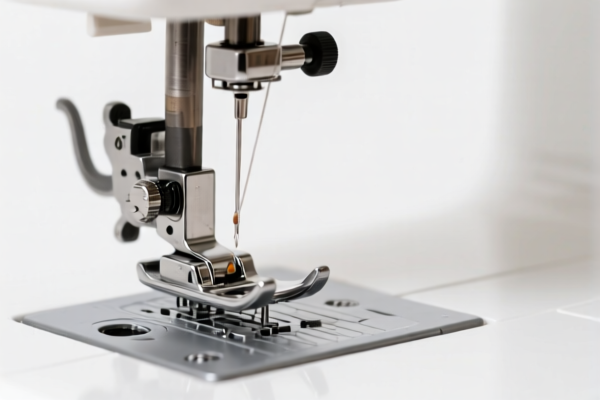
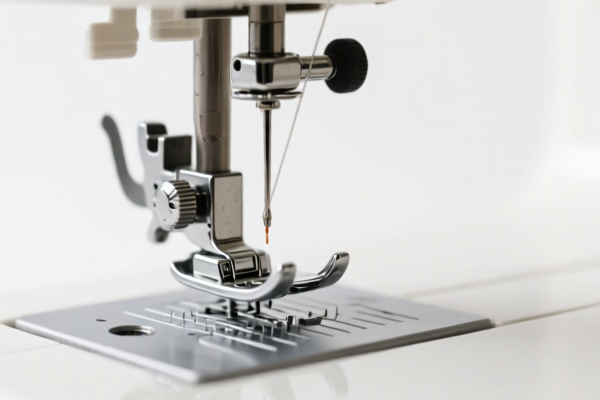
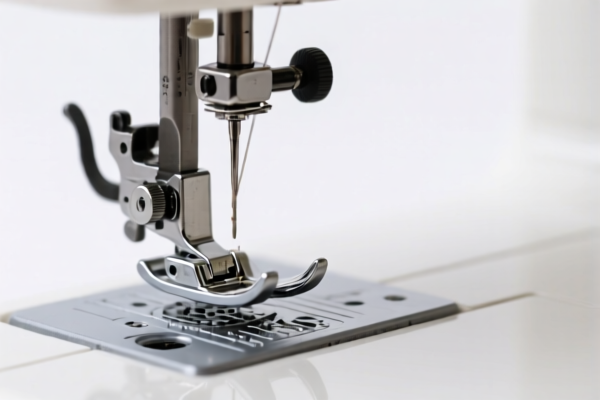
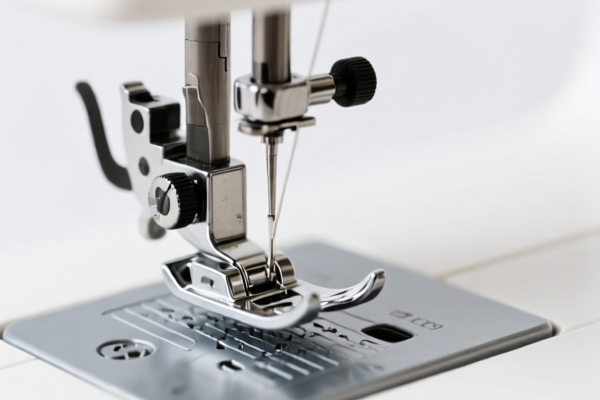
AI分析
🧵 Presser Foot (Sewing Machine Presser Foot)
🌐 HS Code Reference & Customs Clearance Guide | 2026 Latest Tariff Analysis | Professional Customs Strategy
📌 Part 1: Product Definition & Classification: What Exactly is a "Presser Foot"?
The Presser Foot is a fundamental component of a sewing machine, responsible for holding fabric flat against the feed dogs while the needle pierces it. In international trade, it is classified strictly as a part/accessory of a sewing machine.
Key Classification Logic:
- Material Neutrality: The provided data indicates "No material conflict," meaning whether the foot is made of metal, plastic, or specialized alloys, it does not change the primary HS code chapter (Chapter 84).
- Functional Role: It is a "part and accessory" (零件及附件).
- Specificity: It falls under the specific sub-heading for sewing machine parts (8448.20 or 8448.49), depending on the precise configuration and national sub-classification rules.
⚠️ Critical Distinction:
- A presser foot is NOT a general sewing accessory (like bobbins or needles which might fall elsewhere); it is a core mechanical part of the machine’s operation.
- Importance of Correct HS: Misclassification can lead to significant tax discrepancies, especially given the complex US tariff structure for Chinese-origin goods.
📦 Part 2: HS Code Classification Details (2026 Tariff Reference)
Based on the provided data, there are three possible HS Codes for Presser Feet. The distinction lies primarily in the sub-category specificity and material/type nuances within the "Parts and Accessories of Sewing Machines" chapter.
| HS Code | Summary / Description | Applicable Scenario | Total Tax Rate (China Origin → US) |
|---|---|---|---|
8448.20.50.10 |
Presser foot sets or sewing machine presser feet; fits "parts and accessories of deformed machines"; no material conflict. | Standard presser foot sets, specialized mechanical presser feet. | 20.8% |
8448.49.20.00 |
Presser foot as an accessory to sewing machines; form is part/accessory; material inference shows no conflict; categorized under "Other". | Generic or less-specific presser feet; "Other" category items. | 17.5% |
8448.20.50.90 |
Sewing machine presser feet; classified under "Other" sub-categories; no obvious material conflict. | General presser feet not fitting specific 50.10 criteria. |
20.8% |
🔍 Key Insight:
-8448.20vs8448.49: The difference between20(Parts for specific machines) and49(Other parts/accessories) can be subtle.8448.20often refers to parts of specific types of sewing machines (e.g., flat-bed, rotating-hook), while8448.49is a catch-all for "Other."
-.50.10vs.50.90: Both fall under8448.20. The.10likely refers to a specific set or type (e.g., "Sets"), while.90is the "Other" remainder.
- Tax Discrepancy: The8448.49.20.00code has a lower total tax (17.5%) compared to the8448.20codes (20.8%). This is due to a 0% Base Tariff vs 3.3% Base Tariff.
💰 Part 3: 2026 Detailed Tariff Breakdown (Including Additional Duties)
✅ Applicable Country: United States (US)
✅ Origin: China (CN)
✅ Effective Time: 2025/2026 Tariff Schedule (including Section 301 & IEEPA adjustments)
🎯 1. HS Code 8448.20.50.10 & 8448.20.50.90
(Standard Sewing Machine Parts / Presser Foot Sets)
| Item | Detail |
|---|---|
| Base Tariff | 3.3% |
| Section 301 Additional Tariff | 7.5% |
| Section 122 Tariff | 10% |
| Total Tariff Rate | 20.8% |
| Tax Calculation | CIF Value × 20.8% |
| De Minimis Exemption | ❌ Not Applicable (High tariff rate exceeds de minimis thresholds) |
| Legal Basis Path | HTSUS:8448.20.50.10/90 → Section 301 (7.5%) → Section 122 (10%) |
📌 Explanation:
- Base 3.3%: Standard US Most Favored Nation (MFN) rate for sewing machine parts.
- Section 301 (7.5%): Applies to many Chinese manufactured goods, including machinery parts.
- Section 122 (10%): This is a critical additional levy. Note: Section 122 tariffs were reinstated/enhanced in recent trade actions, adding 10% to many Chinese imports.
- Total 20.8%: This is a significant cost that must be factored into pricing.
🎯 2. HS Code 8448.49.20.00
(Other Parts/Accessories – "Other" Category)
| Item | Detail |
|---|---|
| Base Tariff | 0.0% |
| Section 301 Additional Tariff | 7.5% |
| Section 122 Tariff | 10% |
| Total Tariff Rate | 17.5% |
| Tax Calculation | CIF Value × 17.5% |
| De Minimis Exemption | ❌ Not Applicable |
| Legal Basis Path | HTSUS:8448.49.20.00 → Section 301 (7.5%) → Section 122 (10%) |
📌 Strategic Note:
- Why is it cheaper? The Base Tariff is 0%. This is the key difference.
- Potential Savings: Compared to the 20.8% rate, this offers a 3.3% saving per unit.
- Risk: Customs may challenge this classification if the presser foot is deemed a "specific part" (falling under8448.20) rather than "other parts." Ensure the product description and function align with "Other" to justify this code.
🛠️ Part 4: Customs Clearance Practical Advice (Avoiding Pitfalls)
✅ 1. Documentation Checklist (Essential for Clearance)
| Document | Required | Purpose |
|---|---|---|
| Product Specification Sheet | ✔️ | Must detail: Material (metal/plastic), Type (metal foot, roller foot, etc.), Compatible Machine Models. |
| Commercial Invoice | ✔️ | Must explicitly state: "Presser Foot for Sewing Machine" (not just "Part"). |
| Packing List | ✔️ | Itemize quantities and weights. |
| Origin Certificate | ✔️ | To confirm CN origin for Section 301/122 calculation. |
| Technical Drawing/Photo | ✔️ | Helpful if Customs questions whether it’s a "part" vs "accessory." |
✅ 2. Classification Strategy: How to Choose the Right HS Code
🔥 "Material Neutral, Function Specific: Pick the Code that Matches the Machine Type!"
| Scenario | Recommended HS Code | Reason |
|---|---|---|
| Standard Presser Foot for common household/industrial machines | 8448.20.50.90 or .10 |
Safest classification for "parts of sewing machines." |
| Generic/OEM Presser Foot where specific machine type is unclear | 8448.49.20.00 |
Lower tax (17.5%), but requires justification as "Other." |
| Set of Presser Feet (e.g., 5-piece kit) | 8448.20.50.10 |
Explicitly covers "sets." |
⚠️ Warning:
- Do NOT use8448.49if the product is clearly designed for a specific machine type listed in8448.20. Customs may reclassify and demand the higher rate + penalties.
- Consistency is Key: Use the same HS code across all shipments to build a clear customs history.
✅ 3. Special Cases & Tips
| Situation | Advice |
|---|---|
| New Importer | Apply for an HS Code Ruling from US CBP before shipping. This provides legal certainty. |
| High-Volume Shipments | Negotiate Duty Drawback if re-exporting, or explore FTZ (Free Trade Zone) benefits. |
| Material Changes | Even though data says "no material conflict," ensure plastic vs. metal doesn’t trigger different sub-headings in other countries. |
| Tariff Engineering | Consult a customs broker to see if bundling accessories (e.g., with a new machine) changes the classification of the whole package. |
🌍 Part 5: Global Market Comparison (2026)
| Market | HS Code | Base Tariff | Additional Duties (China) | Total Est. Rate | Notes |
|---|---|---|---|---|---|
| 🇺🇸 USA | 8448.20.50.90 |
3.3% | 7.5% (Sec 301) + 10% (Sec 122) | 20.8% | Highest cost. Plan pricing accordingly. |
| 🇺🇸 USA | 8448.49.20.00 |
0.0% | 7.5% (Sec 301) + 10% (Sec 122) | 17.5% | Optimized. Use if compliant. |
| 🇨🇳 China (Export) | 8448.20 |
0% (Rebate) | N/A | 0% | China often exports with 0% duty + VAT rebate. |
| 🇪🇺 EU | 8448.20 |
0% | None | 0% | No Section 301/122 equivalents. Very competitive. |
| 🇬🇧 UK | 8448.20 |
0% | None | 0% | Post-Brexit, UK aligns closely with EU. |
| 🇯🇵 Japan | 8448.20 |
0% | None | 0% | JETPAs may apply. |
📌 Conclusion:
- US Market is Costly: The 20.8% rate is a major barrier.
- EU/UK/Japan are Favorable: 0% tariffs make these markets more competitive for Chinese-made presser feet.
- Strategy: If shipping to the US, optimize classification to8448.49.20.00if legally defensible, or absorb the 20.8% cost in pricing.
📌 Part 6: Common Mistakes & Pitfalls (Blood Lessons)
❌ Mistake 1: Calling it "Sewing Accessory" or "Needle Part"
👉 Consequence: Customs may reject it or misclassify, leading to delays or penalties.
👉 Fix: Always use "Part of Sewing Machine" or "Presser Foot."
❌ Mistake 2: Ignoring Section 122 (10%)
👉 Consequence: Underpaying duties and facing back taxes + interest upon audit.
👉 Fix: Ensure your tariff calculation includes 3.3% + 7.5% + 10%.
❌ Mistake 3: Using 8448.49 for highly specific machine parts
👉 Consequence: Customs reclassification to 8448.20 (20.8%) + penalties.
👉 Fix: Only use 8448.49 if the part is truly "other" or generic.
✅ Best Practice:
"Declare Clearly: 'Sewing Machine Presser Foot, Model XYZ, for ABC Machine'. Provide specs. Verify HS Code with a broker before shipment."
🎯 Part 7: Conclusion: Smart Classification, Smarter Profits
🎯 Key Takeaway:
🔹 For US Imports from China: Expect 17.5% to 20.8% in total tariffs.
🔹 Optimization: Try to justify8448.49.20.00to save 3.3% per unit.
🔹 Compliance: Never ignore Section 122 (10%). It is mandatory.
📌 Pro Tip:
If you are exporting to the US, consider pre-consulting with a customs broker to confirm whether your specific presser foot fits 8448.49.20.00 or must be 8448.20.50.x0. A small change in classification can save significant money over large volumes.
📣 Action Item:
📞 Contact a licensed US customs broker.
📄 Prepare technical specs.
🚀 Confirm HS Code before booking shipment.
Avoid costly customs audits and delays.
✨ Professional Customs Clearance Starts with Accurate Classification!
💼 Every Percentage Point of Tariff Matters – Protect Your Margin!
用户评价
关于 HS 编码归类
协调制度(HS)是由世界海关组织(WCO)制定的国际贸易商品分类标准。全球 200 多个国家采用 HS 系统作为海关关税、贸易统计和进出口监管的基础。
每个 HS 编码遵循以下层级结构:
- 章(2 位)——商品大类(例如:第 84 章:机器和机械设备)
- 品目(4 位)——章内的更具体分类
- 子目(6 位)——国际通用细分,所有 WCO 成员国统一使用
- 本国细分(8-10 位)——各国自行扩展的细分编码,如美国 HTSUS 10 位编码
正确的 HS 编码归类对于顺利通关、准确缴纳关税和遵守贸易法规至关重要。错误归类可能导致海关延误、多缴关税或罚款。
从CN进口到US时,适用的关税税率可能包括:
- 最惠国(MFN)税率——适用于 WTO 成员国的标准关税税率
- 普通税率——适用于无贸易协定国家
- 贸易救济关税——附加关税,如 301 条款(反倾销)、232 条款(国家安全)或反补贴税
本页内容仅供参考。如需正式归类,请咨询当地海关或持牌报关代理。