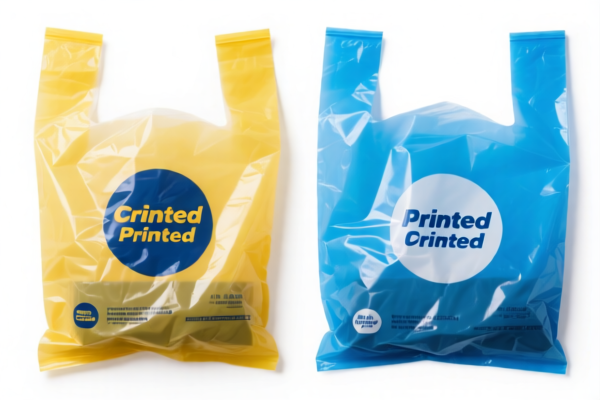
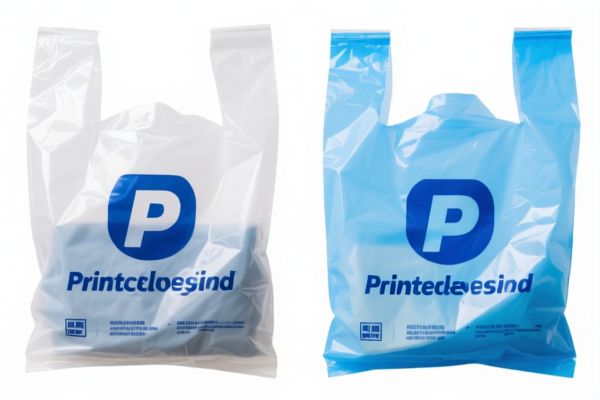
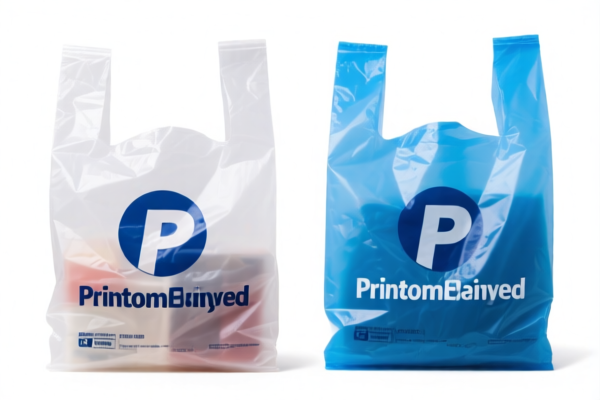
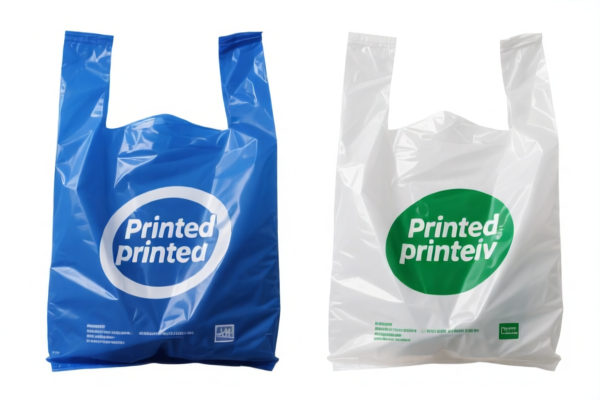
printed polyethylene bag
CN → US| HS编码 | 关税税率 | 原产国 | 目的国 | 文档 |
|---|---|---|---|---|
| 3923210011 | 38.0% | CN | US | 官方文档 |
| 3923210080 | 38.0% | CN | US | 官方文档 |
| 3923210095 | 38.0% | CN | US | 官方文档 |
| 3923290000 | 38.0% | CN | US | 官方文档 |
| 3923210030 | 38.0% | CN | US | 官方文档 |
商品图片
AI分析
🛍️ Printed Polyethylene Bags (Plastic Packaging Solutions)
🌐 HS Code Reference & Customs Clearance Guide | 2026 Latest Tariff Analysis | Professional Strategy for Plastic Packaging
📌 I. Product Definition & Classification: What Exactly Are "Printed Polyethylene Bags"?
Printed Polyethylene Bags are flexible plastic containers made from Polyethylene (PE), a common polymer derived from ethylene. In international trade, classification depends strictly on the material composition (specifically whether it is high-density or low-density) and the physical form (bag, pouch, envelope).
Key Distinctions: * Material: Must be Polyethylene (Ethylene Polymer). If it contains other plastics mixed significantly, it may fall under different subheadings (e.g., 3923.29). * Form: * Standard Bags: Open or closed sacks/pouches (e.g., grocery bags, industrial sacks). * Envelope Bags: Bags with a self-adhesive strip or folding flap, often used for documents, clothing, or retail packaging. * Printing: The presence of printing does not change the HS code classification itself, but it confirms the product as a finished packaging item rather than raw plastic film (which would be Chapter 3904/3920).
⚠️ Critical Classification Point:
- If the bag is made of Low-Density Polyethylene (LDPE) → Typically falls under 3923.21.
- If the bag is made of Other Plastics (not specifically LDPE) or mixed materials not fitting 3923.21 → Falls under 3923.29.
- Do not misclassify as "Textile Bags" or "Paper Bags"; the polymer nature dictates Chapter 39.
📦 II. HS Code Classification Matrix (2026 Latest Tariff Reference)
Based on the provided dataset, here are the authorized HS Codes for Printed Polyethylene Bags, categorized by specific type and usage.
| HS Code | Product Description | Application Scenario | Material/State |
|---|---|---|---|
3923.21.00.11 |
Polyethylene Bag (General) | Standard retail bags, basic packaging, general-purpose sacks. | Polyethylene (Ethylene Polymer), Bag Form |
3923.21.00.80 |
Polyethylene Bag (Specific Use) | Industrial or commercial polyethylene bags fully meeting specific category requirements. | Polyethylene, Bag Form |
3923.21.00.95 |
Polyethylene Envelope Bag | Retail clothing bags, document envelopes with adhesive/flap, "poly envelopes." | Polyethylene, Envelope/Pouch Form |
3923.29.00.00 |
Other Plastic Envelope/Pouch | Polyethylene envelopes where specific LDPE subheadings (3923.21) do not strictly apply due to material composition nuances. | Other Plastics, Envelope Form |
3923.21.00.30 |
Industrial Grade PE Bag | Heavy-duty sacks for cargo, industrial chemical packaging, bulk transport. | Polyethylene, Industrial Bag Form |
🔍 Note on "Printing":
None of the listed HS codes exclude printed items. As long as the base material is Polyethylene and the form is a bag/envelope, the printing is considered a secondary finishing process. The code is determined by the base polymer and shape.
💰 III. 2026 Tariff Rate Breakdown (USA / China Origin)
✅ Applicable Country: United States (US)
✅ Origin: China (CN)
✅ Effective Date: 2025/2026 (Post-trade war adjustments)
🎯 1. Standard Polyethylene Bags (3923.21.00.11, .80, .95, .30)
| Item | Content |
|---|---|
| Base Tariff | 3.0% (Ad Valorem) |
| Section 301 Additional Tariff | +25.0% (USITC Footnote related to Chinese origin goods) |
| 122 Clause Tariff | +10.0% (Specific punitive tariff on certain Chinese plastic packaging/materials) |
| Total Effective Tax Rate | 38.0% |
| Calculation | CIF Value × 38% |
| De Minimis Eligibility | ❌ No (High tariff rates typically exclude de minimis exemptions for commercial shipments) |
| Legal Pathway | USITC:3923.21 → Section301:25% → 122Clause:10% → Base:3% |
📌 Explanation:
- Base 3%: Standard Most Favored Nation (MFN) rate for plastic sacks. - +25% Section 301: Imposed due to trade tensions; applies to broad categories of plastic products from China. - +10% Clause 122: A specific additional duty targeting certain Chinese manufacturing outputs, often applied to plastic packaging to protect domestic producers. - Total 38%: This is a significant cost driver. Importers must budget accordingly.
🎯 2. Other Plastic Envelopes (3923.29.00.00)
| Item | Content |
|---|---|
| Base Tariff | 3.0% |
| Section 301 Additional Tariff | +25.0% |
| 122 Clause Tariff | +10.0% |
| Total Effective Tax Rate | 38.0% |
| Calculation | CIF Value × 38% |
| De Minimis Eligibility | ❌ No |
📌 Note:
Even if classified under "Other Plastics" (3923.29), the additional tariffs remain the same because the origin is China and the product is subject to the same trade remedies.
🛠️ IV. Customs Clearance Practical Advice (Risk Mitigation Strategy)
✅ 1. Required Documentation Checklist
| Document | Mandatory? | Purpose |
|---|---|---|
| ✅ Commercial Invoice | ✔️ | Must clearly state "Printed Polyethylene Bag" or "Plastic Envelope." Avoid vague terms like "Plastic Goods." |
| ✅ Packing List | ✔️ | Detail weight, quantity, and dimensions. Critical for verifying CIF value. |
| ✅ Product Specifications | ✔️ | Confirm material: "100% Polyethylene (PE)." If mixed, declare percentages. |
| ✅ Material Declaration | ✔️ | Explicitly state: "Contains no PVC, no hazardous additives." |
| ✅ Certificate of Origin (CO) | ✔️ | Prove Chinese origin (triggers tariffs) or non-China origin (may reduce tariffs). |
| ✅ Photos of Labels | ✔️ | Show any recycled content marks or safety warnings. |
✅ 2. Critical Classification Tips
🔥 "Material First, Form Second, Tariff Third!"
| Scenario | Correct HS Code | Incorrect Code | Consequence |
|---|---|---|---|
| LDPE Grocery Bag | 3923.21.00.11 |
3923.29.00.00 |
Minor risk, but .11 is more precise. |
| Self-Seal Envelope | 3923.21.00.95 |
4823.69 (Paper) |
Major Error! Plastic envelopes are NOT paper. Risk of seizure or fine. |
| Industrial Sack | 3923.21.00.30 |
4202.92 (Textile) |
Polyethylene bags are not textile sacks. |
| Mixed Material Bag | 3923.29.00.00 |
3923.21.00.11 |
If not 100% LDPE, use .29. Misclassification leads to duty underpayment penalties. |
✅ 3. Cost Optimization Strategies
- Supply Chain Diversification:
- Consider sourcing from Vietnam, Thailand, or Mexico. Products from these origins may be exempt from Section 301 (25%) and Clause 122 (10%), potentially reducing the tariff to just the base rate (3%) or 0% if FTAs apply (e.g., USMCA for Mexico).
- Pre-Ruling (Advance Ruling):
- Apply to US Customs and Border Protection (CBP) for a binding interpretation of your specific bag's material composition. This prevents retroactive duty assessments if CBP disagrees with your initial classification.
- Value Management:
- Since tax is ad valorem (based on value), ensure your CIF value includes only necessary costs. Freight and insurance must be accurately declared to avoid penalties.
🌍 V. Global Market Comparison (2026 Outlook)
| Country | Recommended HS Code | Base Tariff | Additional Duties (CN Origin) | Total Est. Tariff | Notes |
|---|---|---|---|---|---|
| 🇺🇸 USA | 3923.21.00.11 / .29 |
3.0% | +35% (25% + 10%) | 38.0% | High barrier. Check for exclusions. |
| 🇨🇳 China | 3923.21.00.11 |
~10-13% | None (Domestic) | ~12% | High VAT (13%) applies. |
| 🇪🇺 EU | 3923.29.00.00 (General) |
3.0% - 6.0% | None | ~4-6% | No Section 301 equivalent. EPR (Extended Producer Responsibility) fees apply. |
| 🇬🇧 UK | 3923.21.00.95 |
2.5% - 5.0% | None | ~3-5% | Post-Brexit rules. No US-style punitive tariffs. |
| 🇦🇺 Australia | 3923.21.00.30 |
5.0% | None | 5.0% | GST 10% applies on top. |
📌 Conclusion:
- The USA is the most expensive market for Chinese polyethylene bags due to layered tariffs.
- EU/UK/AU offer significantly lower tariff barriers but have strict environmental regulations (single-use plastic bans, EPR fees).
- China Domestic market has higher base tariffs but no trade war surcharges.
📌 VI. Common Pitfalls & How to Avoid Them (Lessons Learned)
❌ Pitfall 1: Misdeclaring "Plastic Envelopes" as "Paper Mailers"
👉 Consequence: HS Code 4823 vs 3923. If caught, penalty for tariff evasion + 10% duty difference.
✅ Fix: Always declare material as "Polyethylene" regardless of appearance.
❌ Pitfall 2: Ignoring the "122 Clause"
👉 Consequence: Underpaying duty by 10%. CBP audits recover this with interest.
✅ Fix: Always add the 10% Clause 122 duty for plastic packaging from China to the USA.
❌ Pitfall 3: Not specifying "Low Density" vs "High Density"
👉 Consequence: CBP may default to the higher scrutiny category or deny entry for lack of detail.
✅ Fix: Specify "LDPE" or "HDPE" in the description. LDPE (3923.21) is the most common for flexible bags.
🎯 VII. Final Verdict: Smart Importing
🎯 Key Takeaway:
🔹 "Polyethylene Bags from China to USA = 38% Total Duty."
🔹 Classification Precision: Use3923.21for standard LDPE bags; use3923.29only if necessary.
🔹 Strategic Move: Explore non-China sourcing to eliminate the 35% surcharge.
📌 Pro Tip:
If you are importing small quantities for sample purposes, verify if the De Minimis threshold ($800) still applies. However, recent CBP trends suggest stricter scrutiny on plastic goods from China. Always consult a licensed customs broker before shipping.
📣 Immediate Action Plan:
1. Verify Material: Confirm 100% PE composition.
2. Check Origin: If Chinese, budget 38% duty.
3. Apply Ruling: File for an Advance Ruling with CBP if unsure about 3923.21 vs 3923.29.
4. Evaluate Alternatives: Compare landed cost from Vietnam/Mexico vs. China.
✨ Accurate Classification Saves Money!
💼 Don't let a 38% tariff eat your margins. Plan ahead!
用户评价
关于 HS 编码归类
协调制度(HS)是由世界海关组织(WCO)制定的国际贸易商品分类标准。全球 200 多个国家采用 HS 系统作为海关关税、贸易统计和进出口监管的基础。
每个 HS 编码遵循以下层级结构:
- 章(2 位)——商品大类(例如:第 84 章:机器和机械设备)
- 品目(4 位)——章内的更具体分类
- 子目(6 位)——国际通用细分,所有 WCO 成员国统一使用
- 本国细分(8-10 位)——各国自行扩展的细分编码,如美国 HTSUS 10 位编码
正确的 HS 编码归类对于顺利通关、准确缴纳关税和遵守贸易法规至关重要。错误归类可能导致海关延误、多缴关税或罚款。
从CN进口到US时,适用的关税税率可能包括:
- 最惠国(MFN)税率——适用于 WTO 成员国的标准关税税率
- 普通税率——适用于无贸易协定国家
- 贸易救济关税——附加关税,如 301 条款(反倾销)、232 条款(国家安全)或反补贴税
本页内容仅供参考。如需正式归类,请咨询当地海关或持牌报关代理。