pu seats
CN → US| HS编码 | 关税税率 | 原产国 | 目的国 | 文档 |
|---|---|---|---|---|
| 8708998180 | 12.5% | CN | US | 官方文档 |
| 3926301000 | 24.0% | CN | US | 官方文档 |
| 3926909989 | 22.8% | CN | US | 官方文档 |
| 3926305000 | 22.8% | CN | US | 官方文档 |
| 9401804046 | 35.0% | CN | US | 官方文档 |
商品图片
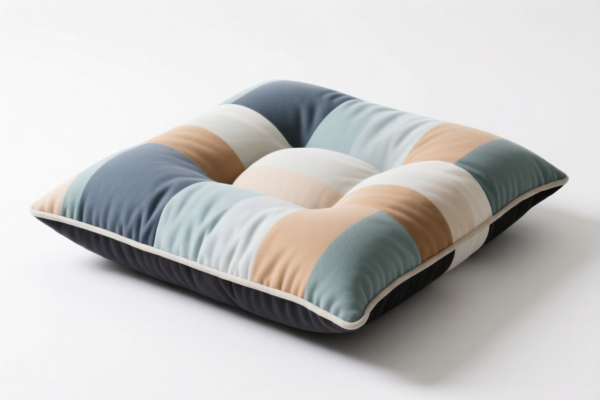
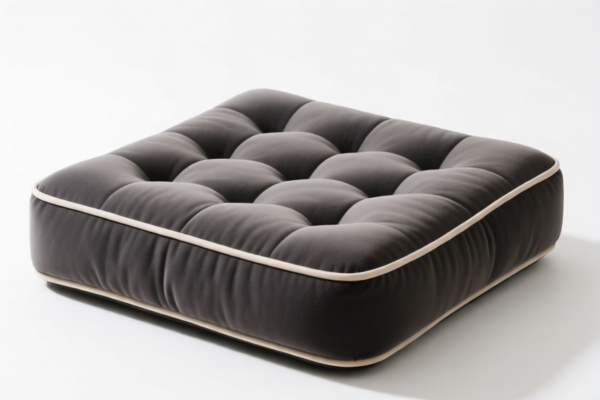
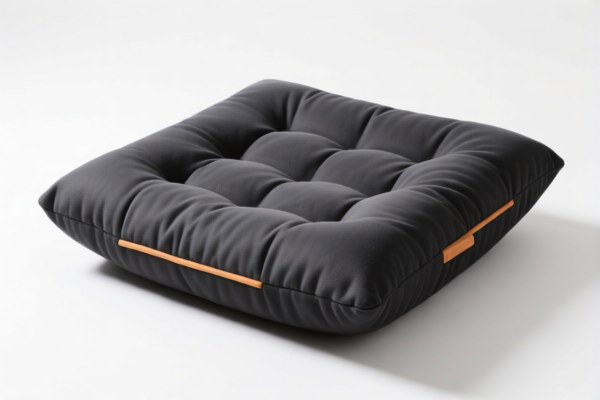
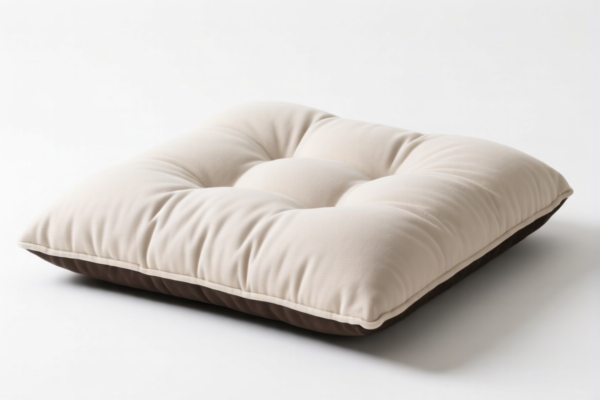
AI分析
🚗 PU Seats (Polyurethane Automotive/Office Seating)
🌐 HS Code Reference & Customs Clearance Guide | 2026 Latest Tariff Analysis | Professional Clearance Strategy
📌 1. Product Definition & Classification: Do You Really Understand "PU Seats"?
PU Seats (Polyurethane Seats) are primarily components made from polyurethane (a synthetic resin/plastic material). In international trade, the classification depends heavily on whether they are classified as automotive parts or plastic furniture components.
⚠️ Key Classification Logic:
- Automotive Context: If intended for vehicles, they fall under automotive parts rules.
- General/Furniture Context: If treated as plastic furniture or general plastic articles, they fall under plastic product categories.
- Material Basis: PU (Polyurethane) is legally classified as a plastic/synthetic resin.
📦 2. HS Code Classification Details (2026 Latest Tariff Authority Mapping)
Based on the provided data, here are the 5 possible HS Codes, their logical justifications, and corresponding tax implications:
| HS Code | Product Description | Logical Basis for Classification | Total Tax Rate |
|---|---|---|---|
| 8708.99.81.80 | PU Material Seats (Automotive Parts) | Category: Auto Parts. Logic: Matches the "parts/parts" rule under other categories for automotive applications. |
12.5% |
| 3926.30.10.00 | PU Plastic Furniture/Body Accessories | Category: Plastic Products. Logic: PU is a synthetic resin; seats are considered furniture/body accessory items fitting plastic product logic. |
24.0% |
| 3926.90.99.89 | Plastic/Resin General Articles (Fallback) | Category: Plastic Products (Fallback). Logic: PU is plastic/resin; seat components/articles fit the "catch-all" (residual) category for plastic products. |
22.8% |
| 3926.30.50.00 | Plastic Furniture Components/Connectors | Category: Plastic Products. Logic: PU fits plastic material attributes; seats are furniture components, fitting connector/processed article use inference. |
22.8% |
| 9401.80.40.46 | Other Seats (Plastic/Rubber Made) | Category: Furniture (Seats). Logic: PU denotes polyurethane (plastic material); seats fall under "other seats" in this category, meeting rubber/plastic requirements. |
35.0% |
🔍 Key Insight:
- The Automotive route (8708...) offers the lowest tax rate due to specific auto-part incentives.
- The Furniture/Plastic routes (3926...,9401...) result in significantly higher tariffs due to anti-dumping and Section 301 tariffs on plastic goods.
💰 3. 2026 Latest Tariff Rate Breakdown (Detailed Tax Clauses)
✅ Applicable Country: United States (US)
✅ Origin: China (CN)
✅ 生效时间: Current 2026 Tariff Structure
🎯 1. 8708.99.81.80 — Automotive Parts (PU Seats)
🏆 LOWEST TAX OPTION
| Item | Details |
|---|---|
| Base Tariff | 2.5% |
| Section 301 Surcharge | 0.0% |
| Section 122 Tariff | 10% |
| Total Tax Rate | 12.5% |
| Tax Calculation | CIF Value × 12.5% |
| De Minimis Eligibility | ❌ No (Assumed standard commercial import) |
| Legal Basis | Auto Parts Specific Rules |
📌 Explanation:
- This code benefits from a 0% Section 301 surcharge, likely due to specific automotive part exemptions or lower strategic priority compared to general plastics.
- The 10% Section 122 tariff is the only additional major cost.
- Total: 12.5%. This is the most cost-effective classification if the product can be proven as an automotive part.
🎯 2. 3926.30.10.00 — Plastic Furniture/Accessories
| Item | Details |
|---|---|
| Base Tariff | 6.5% |
| Section 301 Surcharge | 7.5% |
| Section 122 Tariff | 10% |
| Total Tax Rate | 24.0% |
| Tax Calculation | CIF Value × 24.0% |
| De Minimis Eligibility | ❌ No |
| Legal Basis | Plastic Products / Furniture |
📌 Explanation:
- High base tariff (6.5%) plus significant trade war tariffs (7.5% + 10%).
- Total: 24.0%. Nearly double the automotive part rate.
🎯 3. 3926.90.99.89 — Plastic Products (Fallback/Catch-all)
| Item | Details |
|---|---|
| Base Tariff | 5.3% |
| Section 301 Surcharge | 7.5% |
| Section 122 Tariff | 10% |
| Total Tax Rate | 22.8% |
| Tax Calculation | CIF Value × 22.8% |
| De Minimis Eligibility | ❌ No |
| Legal Basis | Residual Plastic Category |
📌 Explanation:
- Slightly lower base (5.3%) but same surcharges as above.
- Total: 22.8%. Similar to3926.30.10.00.
🎯 4. 3926.30.50.00 — Plastic Furniture Components
| Item | Details |
|---|---|
| Base Tariff | 5.3% |
| Section 301 Surcharge | 7.5% |
| Section 122 Tariff | 10% |
| Total Tax Rate | 22.8% |
| Tax Calculation | CIF Value × 22.8% |
| De Minimis Eligibility | ❌ No |
| Legal Basis | Plastic Components |
📌 Explanation:
- Identical tax structure to3926.90.99.89.
- Total: 22.8%.
🎯 5. 9401.80.40.46 — Other Seats (Plastic/Rubber)
🔴 HIGHEST TAX OPTION
| Item | Details |
|---|---|
| Base Tariff | 0.0% |
| Section 301 Surcharge | 25.0% |
| Section 122 Tariff | 10% |
| Total Tax Rate | 35.0% |
| Tax Calculation | CIF Value × 35.0% |
| De Minimis Eligibility | ❌ No |
| Legal Basis | Furniture / Seats Category |
📌 Explanation:
- Although base tariff is 0%, the Section 301 surcharge is massive at 25% (standard for many Chinese furniture/plastic goods).
- Total: 35.0%. This is the most expensive option. Avoid if possible.
🛠️ 4. Customs Clearance Practical Advice (Pitfall Avoidance Guide)
✅ 1. Strategic Recommendation: Aim for 8708.99.81.80
🏆 WINNER: 12.5% vs 22.8%-35.0%
- Why? The difference between 12.5% and 24%+ is significant. For a $10,000 shipment, you save $11,500+ in duties.
- Condition: You MUST prove the seats are for automotive use.
- Provide proof of end-use (e.g., contract with auto OEM, BOM showing integration with vehicle).
- Label clearly as "Automotive Part - PU Seat".
✅ 2. If Not Automotive: Choose the Best Plastic/Fallback Option
If the seats are for office, home, or general use, you cannot use 8708. You must choose between 3926 or 9401.
- Best Plastic Option:
3926.90.99.89or3926.30.50.00at 22.8%. - Avoid:
9401.80.40.46at 35.0% (too high). - Strategy: Classify as "Plastic Component" or "Plastic Article" (
3926) rather than "Furniture Seat" (9401) to avoid the 25% Section 301 hit.
✅ 3. Documentation Checklist
| Document | Required For | Note |
|---|---|---|
| Product Description | All | Must specify "PU" or "Polyurethane". |
| End-Use Declaration | 8708 |
Critical to prove automotive application. |
| Material Composition | All | Confirm PU content (plastic classification). |
| HS Code Justification | All | Link to 2026 Tariff Footnotes. |
| Commercial Invoice | All | Clearly state HS Code and Value. |
🌍 5. Global Market Comparison (2026)
| Market | Recommended HS Code | Total Tax Rate | Key Risk |
|---|---|---|---|
| 🇺🇸 USA | 8708.99.81.80 |
12.5% | Must prove auto-use; otherwise 24-35%. |
| 🇨🇳 China | Local Harmonized Code | ~10-15% | Lower base tariffs, no Section 301. |
| 🇪🇺 EU | 9401 or 8708 | 4-10% | No Section 301; standard MFN rates. |
📌 Conclusion:
- USA: Huge tax disparity. Push for8708(Auto Part) classification.
- EU/China: Tax rates are more stable; focus on material accuracy.
📌 6. Common Errors & Pitfalls (Blood Lessons)
❌ Error 1: Classifying Auto Seats as "Furniture" (9401)
👉 Consequence: Tax jumps from 12.5% to 35% (+22.5% penalty).
👉 Fix: Prove automotive integration.
❌ Error 2: Classifying Plastic Seats as "Auto Parts" without proof (8708)
👉 Consequence: Customs reclassifies to 3926/9401, demands back-taxes + penalties.
👉 Fix: Ensure documentation matches 8708 usage.
❌ Error 3: Ignoring Section 122 Tariff
👉 Consequence: All codes include a 10% Section 122 tariff. Do not forget to include this in cost calculations.
🎯 7. Conclusion: Professional Classification Saves Money!
🎯 Remember the Golden Rule:
🔹 "Auto Seat? Use
8708(12.5%). Plastic Seat? Use3926(22.8%). Never9401(35%)!"
🔹 "Prove Auto Use to Cut Tax by Half!"
📌 Pro Tip:
If your PU Seats are not for cars, consider supply chain optimization (e.g., sourcing from Vietnam/Mexico if possible) to avoid high Section 301 tariffs on Chinese plastic goods.
📣 Immediate Action:
📞 Consult Customs Broker to verify End-Use Declaration.
🚀 Save up to 22.5% in duties by choosing the correct HS Code!
✨ Professional Clearance Starts with Accurate Classification!
💼 Every Cent Counts in 2026 Tariff Wars!
用户评价
关于 HS 编码归类
协调制度(HS)是由世界海关组织(WCO)制定的国际贸易商品分类标准。全球 200 多个国家采用 HS 系统作为海关关税、贸易统计和进出口监管的基础。
每个 HS 编码遵循以下层级结构:
- 章(2 位)——商品大类(例如:第 84 章:机器和机械设备)
- 品目(4 位)——章内的更具体分类
- 子目(6 位)——国际通用细分,所有 WCO 成员国统一使用
- 本国细分(8-10 位)——各国自行扩展的细分编码,如美国 HTSUS 10 位编码
正确的 HS 编码归类对于顺利通关、准确缴纳关税和遵守贸易法规至关重要。错误归类可能导致海关延误、多缴关税或罚款。
从CN进口到US时,适用的关税税率可能包括:
- 最惠国(MFN)税率——适用于 WTO 成员国的标准关税税率
- 普通税率——适用于无贸易协定国家
- 贸易救济关税——附加关税,如 301 条款(反倾销)、232 条款(国家安全)或反补贴税
本页内容仅供参考。如需正式归类,请咨询当地海关或持牌报关代理。