pulp model
CN → US商品图片
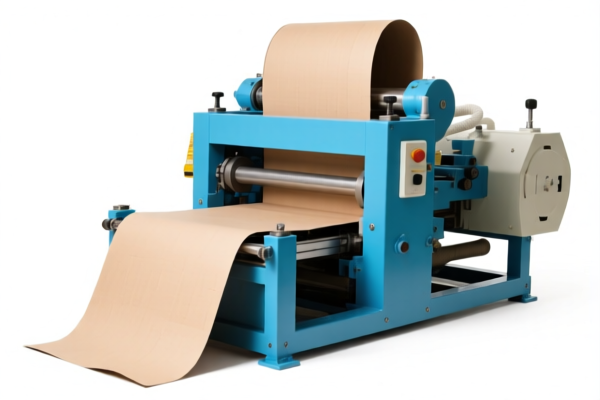
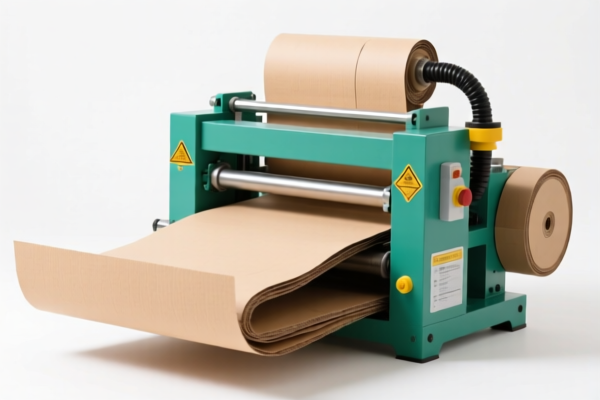
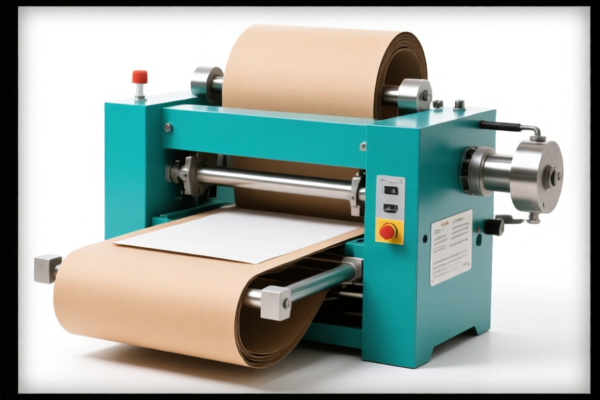
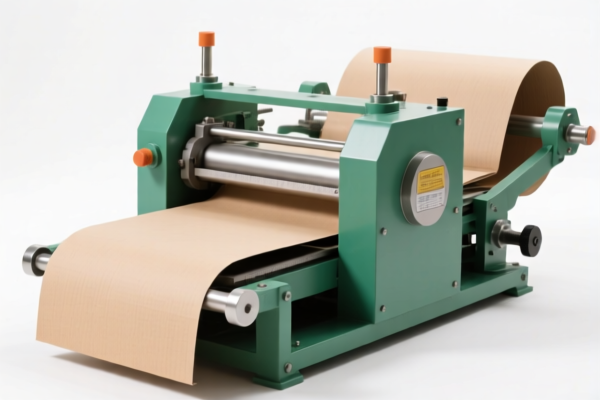
AI分析
🖥️ Pulp Model (Paper/Pulp Products)
🌐 HS Code Reference & Customs Clearance Guide | 2026 Latest Tariff Analysis | Professional Level Clearance Strategy
📌 I. Product Definition & Classification: Do You Really Understand "Pulp Model"?
Pulp Model, in the context of international trade and industrial raw materials, primarily refers to wood pulp, non-wood pulp, or recycled pulp used as the raw material for paper, cardboard, packaging, and hygiene products. It is a critical upstream industrial commodity.
In international trade, it is broadly divided into two major categories based on processing depth:
- Crude Pulp (Wood/Non-Wood): Bleached or unbleached, obtained directly from wood or plants through mechanical, chemical, or semi-chemical processes.
- Recycled Pulp (Deinked/Reconstituted): Pulp derived from recycled paper, often processed to remove ink and impurities.
⚠️ Key Distinction Point:
- If it is raw wood pulp (chips, fibers) → Classified under Chapter 47 (e.g.,4702,4703,4704,4705).
- If it is paper/receipt stock or recycled paper pulp → Classified under Chapter 47 or 4707 depending on the form and recycling status.
- If it is finished paper (sheets, reels) → Classified under Chapter 48 (e.g.,4802,4804). Note: "Pulp Model" usually implies raw material, not finished paper.
📦 II. HS Code Classification Details (2026 Latest Tariff Authority Comparison)
| HS Code | Product Description | Application Scenario | Processing State |
|---|---|---|---|
4702.00.00.00 |
Wood pulp, soda pulp or other chemical wood pulp, dissolving grades | High-grade paper, rayon, cellulose derivatives | ✅ Chemical, Dissolving Grade |
4703.11.00.00 |
Wood pulp, sulfite, bleached, in chips or similar forms | Paper, cardboard, tissue | ✅ Bleached Chemical Pulp |
4703.21.00.00 |
Wood pulp, sulfite, unbleached, in chips or similar forms | Packaging board, newsprint base | ✅ Unbleached Chemical Pulp |
4704.11.00.00 |
Wood pulp, sulfato- (kraft), bleached, in chips or similar forms | Strong paper, kraft bags, cardboard | ✅ Bleached Kraft Pulp |
4704.21.00.00 |
Wood pulp, sulfato- (kraft), unbleached, in chips or similar forms | Cardboard boxes, corrugated medium | ✅ Unbleached Kraft Pulp |
4705.00.00.00 |
Wood pulp, sulfate and sulfite mixture pulp (double digest) | Specialty papers, high-strength packaging | ✅ Mixed Pulp |
4707.10.00.00 |
Waste and scrap of paper or paperboard, unsorted | Recycled pulp production, deinking | ✅ Recycled/Scrap Form |
4707.30.00.00 |
Waste and scrap of paper or paperboard, white kraft paper and cardboard | High-quality recycled pulp | ✅ Specific Recycled Type |
🔍 Key Reminder:
- "Pulp" (浆料/纸浆) refers to the fibrous material before it is formed into paper sheets. Do not confuse it with Paper (纸), which falls under Chapter 48.
- Bleached vs. Unbleached: This distinction significantly affects the HS Code (e.g.,4703.11vs.4703.21).
- Recycled Pulp: Often classified under4707if in waste/scrap form, or4707if deinked but still in fiber form. Finished recycled paper goes to Chapter 48.
💰 III. 2026 Latest Tariff Rate Breakdown (Including Surtaxes, Policy Add-ons)
✅ Applicable Country: United States (US)
✅ Origin: China (CN)
✅ Effective Date: November 10, 2025 onwards (including subsequent imports)
🎯 1. 4703.21.00.00 —— Wood Pulp, Sulfite, Unbleached (Chemical Wood Pulp)
| Item | Content |
|---|---|
| Base Tariff Rate | 0% (ad valorem) |
| USITC Surtax | +25% (from USITC Footnote 9903.88.01) |
| IEEPA Surtax | +10% (for China/HK products, effective from Nov 10, 2025) |
| Total Tariff Rate | 35% |
| Tax Calculation | CIF Value × 35% |
| De Minimis Exemption | ❌ Not Eligible (deny_de_minimis) |
| Legal Basis Path | IEEPA:9903.01.25 → IEEPA:9903.01.24 → USITC:4703.21.00.00 → FOOTNOTE:9903.88.01 |
📌 Explanation:
- The "25% USITC Surtax" is from Section 301 of the Trade Act (additional tariffs on Chinese goods).
- The "10% IEEPA Surtax" is an additional tariff under the International Emergency Economic Powers Act targeting Chinese products.
- Total 35%, which is a high tariff rate. Must be factored into cost calculations!
🎯 2. 4704.21.00.00 —— Wood Pulp, Kraft, Unbleached
| Item | Content |
|---|---|
| Base Tariff Rate | 0% |
| USITC Surtax | +25% |
| IEEPA Surtax | +10% |
| Total Tariff Rate | 35% |
| Tax Calculation | CIF × 35% |
| De Minimis Exemption | ❌ Not Eligible |
| Legal Basis Path | IEEPA:9901.25 → IEEPA:9903.01.24 → USITC:4704.21.00.00 → FOOTNOTE:9903.88.01 |
📌 Note:
- Same as above, belongs to "Chemical Wood Pulp," tariff rate is identical.
- Whether it is Pine Pulp, Eucalyptus Pulp, or Mixed Pulp, as long as it is unbleached chemical wood pulp, this tariff applies.
🎯 3. 4707.10.00.00 —— Recycled Paper Pulp / Waste Paper
| Item | Content |
|---|---|
| Base Tariff Rate | 0% |
| USITC Surtax | +25% |
| IEEPA Surtax | +10% |
| Total Tariff Rate | 35% |
| Tax Calculation | CIF × 35% |
| De Minimis Exemption | ❌ Not Eligible |
| Legal Basis Path | IEEPA:9901.25 → IEEPA:9903.01.24 → USITC:4707.10.00.00 → FOOTNOTE:9903.88.01 |
📌 Note:
- Recycled pulp/raw material is also subject to high tariffs.
- Even if it is "deinked pulp" or "waste paper for recycling," if imported as a raw material, it faces the same 35% burden.
🛠️ IV. Customs Clearance Practical Advice (Real-World Pitfall Avoidance Guide)
✅ 1. Documentation Checklist (All Required)
| Document | Mandatory | Explanation |
|---|---|---|
| ✅ Product Specification Sheet | ✔️ | Includes: Pulp type (Kraft/Sulfite), Bleached/Unbleached, Fiber length, Viscosity, Moisture content. |
| ✅ MSDS (Material Safety Data Sheet) | ✔️ | Although non-hazardous, many US customs/ports require it for chemical-adjacent commodities. |
| ✅ Photo of Packaging/Label | ✔️ | Clear view of bag labels, including weight, origin, batch number. |
| ✅ Commercial Invoice | ✔️ | Must state "Wood Pulp, Unbleached, Kraft" or similar precise description. Avoid vague terms like "Raw Material." |
| ✅ Certificate of Origin (CO) | ✔️ | If not from China, can apply for preferential rates. |
| ✅ Packing List | ✔️ | Detail net/gross weight, number of bags/pallets. |
✅ 2. Declaration Tips (Key Mantra)
🔥 "Specify Pulp Type, Bleach State, and Form. Vague Names Lead to Delays!"
| Scenario | Correct Declaration | Wrong Practice |
|---|---|---|
| Unbleached Kraft Pulp | 4704.21.00.00 - "Wood Pulp, Kraft, Unbleached" |
Vague "Pulp" → 35% + Potential Misclassification Penalty |
| Bleached Dissolving Pulp | 4702.00.00.00 - "Dissolving Wood Pulp" |
Misclassified as standard paper pulp → Different Tax Code |
| Recycled Paper Waste | 4707.10.00.00 - "Waste Paper for Recycling" |
Misclassified as finished paper (4807) → 10-15% Penalty |
| Finished Recycled Cardboard | 4804.11.00.00 (Chapter 48) |
Misclassified as Pulp (4707) → Delayed Clearance |
✅ 3. Special Case Handling
| Scenario | Handling Advice |
|---|---|
| OEM Custom Pulp | Provide customer order + specs. Avoid being deemed "non-standard" if specs are tight. |
| Pulp for Hygiene Products | If bleached dissolving pulp, specify "Dissolving Grade" (4702) for accuracy. |
| Recycled Pulp with Ink | Declare as "Waste Paper for Recycling" (4707). Do not declare as "Clean Pulp" if ink is present. |
| Pulp for Paper Mills | Ensure HS Code matches the fibrous state, not the final paper. |
🌍 V. Global Major Market Clearance Comparison (2026 Latest)
| Country/Region | Recommended HS Code | Tariff (China Origin) | Certification Requirements | Remarks |
|---|---|---|---|---|
| 🇺🇸 USA | 4704.21.00.00 (Example) |
35% (25% + 10%) | None (General) | High tariff burden. |
| 🇨🇳 China | 4704.21.00.00 |
5% | None | Standard import tariff. |
| 🇪🇺 EU | 4704.21.00.00 |
0% (If符合 GSP/FTA) | None | Generally low/no duty for pulp. |
| 🇦🇺 Australia | 4704.21.00.00 |
5% | None | No additional surtaxes. |
| 🇯🇵 Japan | 4704.21.00.00 |
0% | None | Generally low/no duty. |
📌 Conclusion:
- USA is the only major market with high additional tariffs on Chinese pulp.
- China-origin pulp faces a 35% total tariff in the US, significantly impacting cost.
- Consider supply chain diversification (e.g., sourcing from Canada, Brazil, or Southeast Asia) if exporting to the US.
📌 VI. Common Mistakes & Pitfall Guide (Lessons Learned)
❌ Mistake 1: Declaring "Paper Pulp" without specifying "Bleached/Unbleached"
👉 Consequence: Customs may assign a higher default code or demand clarification → Delay + Storage Fees
❌ Mistake 2: Confusing "Pulp" with "Paper"
👉 Consequence: Declaring 4807 (Paper) instead of 4704 (Pulp) → Misclassification Penalty + Back Taxes
❌ Mistake 3: Using vague terms like "Raw Fiber" or "Plant Material"
👉 Consequence: Customs may classify as agricultural product (Chapter 2) or waste (Chapter 53) → Different Tariffs + Regulatory Checks
❌ Mistake 4: Ignoring "Dissolving Grade" for Chemical Pulp
👉 Consequence: If for rayon/cellulose, it must be 4702. Misclassification leads to tariff discrepancies.
✅ Correct Practice:
"Wood Pulp, Kraft, Unbleached, Chips, 1000 Bales, Moisture Content < 10%, Origin: China, Model: Kraft-Standard"
🎯 VII. Conclusion: Professional Declaration, Time & Cost Saving!
🎯 Remember the Mantra:
🔹 "Pulp Type + Bleach State + Form. Vague is Expensive!"
🔹 "HS Code Defines Tariff, 35% in US, 5% in China. Declaring Right Saves Thousands!"
📌 Tips:
- If your pulp is originated from Vietnam, Brazil, Canada, or Chile, you may apply for IEEPA Exemption or FTA Preferential Rates, reducing tariffs to 0%~5%.
- Consider applying for an Advance Ruling to confirm the HS Code before shipment.
📣 Immediate Action:
📞 Contact a professional customs broker + Provide Product Specs + Apply for HS Code Advance Ruling
🚀 Let your pulp clear customs smoothly, reduce costs, and maximize profit!
✨ Professional Clearance Starts with Accurate Classification!
💼 Every cent of your cost deserves precise calculation!
用户评价
关于 HS 编码归类
协调制度(HS)是由世界海关组织(WCO)制定的国际贸易商品分类标准。全球 200 多个国家采用 HS 系统作为海关关税、贸易统计和进出口监管的基础。
每个 HS 编码遵循以下层级结构:
- 章(2 位)——商品大类(例如:第 84 章:机器和机械设备)
- 品目(4 位)——章内的更具体分类
- 子目(6 位)——国际通用细分,所有 WCO 成员国统一使用
- 本国细分(8-10 位)——各国自行扩展的细分编码,如美国 HTSUS 10 位编码
正确的 HS 编码归类对于顺利通关、准确缴纳关税和遵守贸易法规至关重要。错误归类可能导致海关延误、多缴关税或罚款。
从CN进口到US时,适用的关税税率可能包括:
- 最惠国(MFN)税率——适用于 WTO 成员国的标准关税税率
- 普通税率——适用于无贸易协定国家
- 贸易救济关税——附加关税,如 301 条款(反倾销)、232 条款(国家安全)或反补贴税
本页内容仅供参考。如需正式归类,请咨询当地海关或持牌报关代理。