punching pliers
CN → US| HS编码 | 关税税率 | 原产国 | 目的国 | 文档 |
|---|---|---|---|---|
| 8203406000 | 38.3% | CN | US | 官方文档 |
| 8467195090 | 35.0% | CN | US | 官方文档 |
| 8205595560 | 40.3% | CN | US | 官方文档 |
| 8203206060 | 0.0% | CN | US | 官方文档 |
| 8467891000 | 17.5% | CN | US | 官方文档 |
商品图片
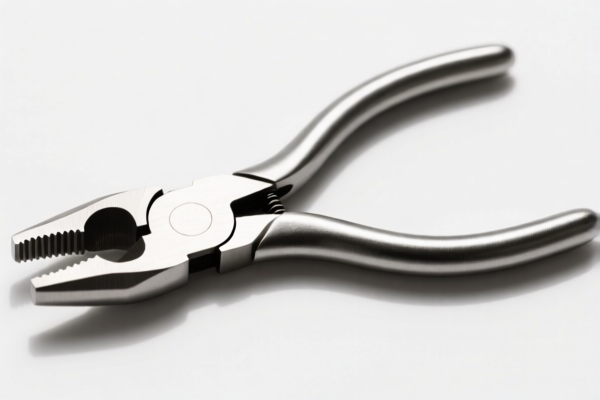
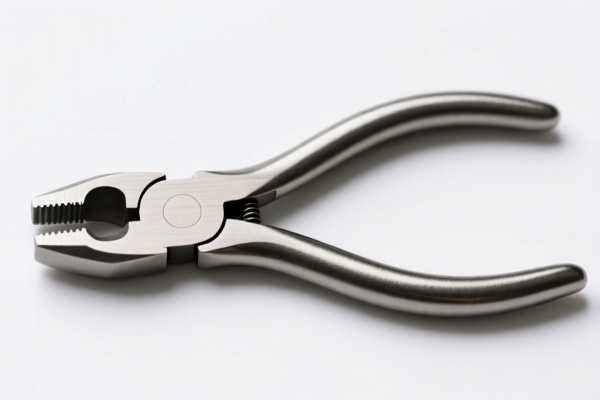
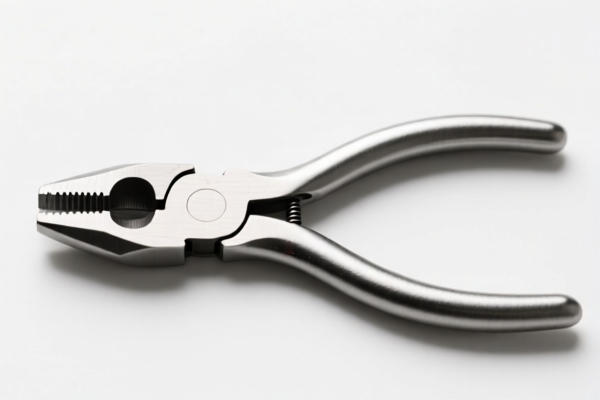
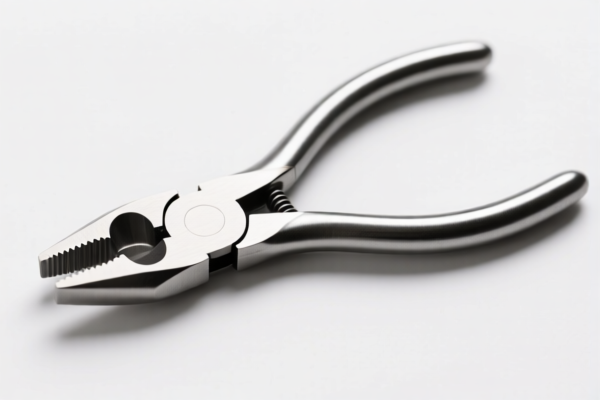
AI分析
✂️ Punching Pliers (穿孔钳 / 打孔钳)
🌐 HS Code Reference & Customs Clearance Guide | 2026 Latest Tariff Analysis | Professional Clearance Strategy
📌 I. Product Definition & Classification: Do You Really Understand "Punching Pliers"?
Punching Pliers are essential manual tools used for perforating, punching holes, or cutting materials like leather, fabric, rubber, and thin metals. In international trade, their classification varies significantly based on material, power source, and specific mechanical function.
Key Distinctions:
- Hand Tools (Non-Electric): If purely manual, made of ferrous/non-ferrous metal → Falls under Chapter 82 (Tools).
- Pneumatic/Power Tools: If powered by air or electricity → Falls under Chapter 84 (Machinery).
- Material Specifics: Steel vs. Non-Steel vs. Composite affects the specific subheading.
⚠️ Critical Warning:
- Misclassifying a manual tool as "pneumatic" can lead to severe penalties;
- Misclassifying a steel tool under general "other tools" instead of specific "pliers/chisels" categories changes tax rates.
📦 II. HS Code Classification Details (2026 Latest Tariff Authority Cross-Reference)
Based on the provided dataset, here are the five possible classifications for Punching Pliers, along with their logical rationale and tax implications.
| HS Code | Product Description | Logic / Rationale | Total Tax Rate |
|---|---|---|---|
8203.40.60.00 |
Punching Pliers (Punches & Dies) | Classified as "Punches and dies and similar tools," made of base metal. This is the most common classification for standard manual steel pliers. | 38.3% |
8467.19.50.90 |
Pneumatic Punching Pliers | Classified as "Hand-held pneumatic tools." Uses the "catch-all" logic for pneumatic tools not specified elsewhere. | 35.0% |
8205.59.55.60 |
Iron/Steel Hand Tools (Non-Edged) | Classified as "Iron or steel hand tools," excluding edged tools. Applies if the pliers are viewed as general iron/steel hand implements rather than precision punches. | 40.3% |
8203.20.60.60 |
Perforating/Chiseling Hand Tools | Classified as "Perforating punches and similar hand tools." Specifically describes the function of punching/perforating. | 12¢/doz + 5.5% + 35.0% |
8467.89.10.00 |
Manual Tools for Metal/Leather | Classified as "Other tools for working metal/leather." Despite the name "Manual," this code may apply if it’s a specialized mechanical assist tool or misclassified as a power tool accessory. | 17.5% |
🔍 Key Insight:
- Manual vs. Power: Codes starting with82are manual/hand tools. Codes starting with84are machinery/pneumatic/electric.
- Material Matters:8203is for base metal tools.8205is for other iron/steel hand tools.
- Tax Variance: Rates range from 17.5% to 40.3%, plus specific unit duties for8203.20.60.60.
💰 III. 2026 Latest Tariff Rate Breakdown (Including Add-ons, Policy Surcharges)
✅ Applicable Country: United States (US)
✅ Origin: China (CN)
✅ Effective Time: Current rates include Section 301 and Section 122 tariffs.
🎯 1. 8203.40.60.00 – Base Metal Punches & Dies (Most Common for Manual Pliers)
| Item | Detail |
|---|---|
| Base Tariff | 3.3% (Ad Valorem) |
| Section 301 Surcharge | +25.0% (USITC Footnote 9903.88.01) |
| Section 122 Tariff | +10.0% (Specific to certain Chinese goods) |
| Total Effective Rate | 38.3% |
| Calculation | CIF Value × 38.3% |
| De Minimis Exemption | ❌ Not Applicable (High-value tools) |
📌 Explanation:
- This is the standard classification for most manual steel punching pliers.
- The 38.3% total rate is a combination of the standard MFN rate (3.3%) plus the punitive US tariffs (25% + 10%).
🎯 2. 8467.19.50.90 – Hand-held Pneumatic Tools
| Item | Detail |
|---|---|
| Base Tariff | 0.0% |
| Section 301 Surcharge | +25.0% |
| Section 122 Tariff | +10.0% |
| Total Effective Rate | 35.0% |
| Calculation | CIF Value × 35.0% |
| De Minimis Exemption | ❌ Not Applicable |
📌 Explanation:
- If your pliers are pneumatic (air-powered), this code applies.
- Interestingly, the base rate is 0%, but the surcharges still apply, bringing the total to 35.0% (3% lower than the manual steel category).
🎯 3. 8205.59.55.60 – Other Iron/Steel Hand Tools
| Item | Detail |
|---|---|
| Base Tariff | 5.3% |
| Section 301 Surcharge | +25.0% |
| Section 122 Tariff | +10.0% |
| Total Effective Rate | 40.3% |
| Calculation | CIF Value × 40.3% |
| De Minimis Exemption | ❌ Not Applicable |
📌 Explanation:
- This is the highest rate in the list.
- Only use if the tool does not fit the "punches/dies" definition in8203but is clearly a steel hand tool.
- Avoid this code if8203applies, as it costs 2% more.
🎯 4. 8203.20.60.60 – Perforating Punches & Similar Tools
| Item | Detail |
|---|---|
| Base Tariff | 12¢ per dozen + 5.5% (Mixed Duty) |
| Section 301 Surcharge | +25.0% |
| Section 122 Tariff | +10.0% |
| Total Effective Rate | 12¢/doz + 40.5% (approx.) |
| Calculation | (12¢ × Qty/12) + (CIF Value × 5.5%) + Surcharges |
| De Minimis Exemption | ❌ Not Applicable |
📌 Explanation:
- This is a complex duty structure.
- For low-value items, the 12¢ per dozen may be negligible, but the 5.5% base + 35% surcharges make it expensive.
- Best for: High-volume, low-unit-price punching tools where the per-dozen fee is amortized.
🎯 5. 8467.89.10.00 – Other Tools for Working Metal/Leather
| Item | Detail |
|---|---|
| Base Tariff | 0.0% |
| Section 301 Surcharge | +7.5% (Note: Lower surcharge here?) |
| Section 122 Tariff | +10.0% |
| Total Effective Rate | 17.5% |
| Calculation | CIF Value × 17.5% |
| De Minimis Exemption | ❌ Not Applicable |
📌 Explanation:
- This is the lowest total tax rate at 17.5%.
- However, it is categorized under84(Machinery/Power Tools).
- Warning: Only use this if the tool has mechanical assistance or is marketed as a specialized power-assist tool. If it’s purely manual, using this code risks customs fraud allegations or re-classification penalties.
🛠️ IV. Customs Clearance Practical Advice (Battle-Tested Pitfall Guide)
✅ 1. Preparation Checklist (Essential Documents)
| Document | Required? | Notes |
|---|---|---|
| ✅ Product Specifications | ✔️ | Must specify: Material (Steel/Alloy), Power Source (Manual/Pneumatic), Usage (Leather/Metal). |
| ✅ Photos (Clear) | ✔️ | Show the tool’s mechanism. Is it purely manual? Does it have an air inlet? |
| ✅ Commercial Invoice | ✔️ | Description must match the HS Code logic (e.g., "Manual Steel Punching Pliers" vs. "Pneumatic Perforator"). |
| ✅ Packing List | ✔️ | Weight and quantity must be accurate for the "12¢/doz" calculation if applicable. |
| ✅ Certifications | ✔️ | CE, RoHS, or OSHA compliance if required for the end-use. |
✅ 2. Declaration Strategy (Key Mantras)
🔥 “Manual = 82, Pneumatic = 84, Accuracy Saves Money!”
| Scenario | Correct Declaration | Wrong Declaration | Consequence |
|---|---|---|---|
| Standard Steel Pliers | 8203.40.60.00 |
8467.89.10.00 |
Overpayment (38.3% vs 17.5%) – but risk of audit if description doesn’t match. |
| Pneumatic Pliers | 8467.19.50.90 |
8203.40.60.00 |
Underpayment (35.0% vs 38.3%) – Customs may assess back taxes + penalties. |
| High-Volume, Low Price | 8203.20.60.60 |
8203.40.60.00 |
May save money if unit price is very low (12¢/doz vs 5.5% ad valorem). |
| Assistive/Power Tool | 8467.89.10.00 |
8203.40.60.00 |
Saves 20%+ tax. Must provide proof of power mechanism. |
✅ 3. Special Situations
| Situation | Advice |
|---|---|
| OEM Custom Pliers | Provide design drawings. If unique, consult a broker for 8205 vs 8203. |
| Leather vs. Metal Use | Use doesn’t change HS Code, but material does. Steel = 8203/8205. |
| Mixed Shipment | Separate manual and pneumatic tools in different boxes/declarations to avoid confusion. |
| Section 122 Eligibility | Verify if your product is excluded from Section 122. If excluded, total rate drops significantly. |
🌍 V. Global Market Comparison (2026 Snapshot)
| Market | Recommended HS Code | Est. Total Tax | Notes |
|---|---|---|---|
| 🇺🇸 USA | 8203.40.60.00 |
38.3% | High tariffs due to Section 301 & 122. |
| 🇨🇳 China | 8203.40.60.00 |
~5-10% | Lower base rates, no Section 301. |
| 🇪🇺 EU | 8203.40.60.00 |
~3.5-6% | No Section 301. Standard MFN rates. |
| 🇬🇧 UK | 8203.40.60.00 |
~3.5-6% | Post-Brexit, still lower than US. |
📌 Conclusion:
- USA is the most expensive market for punching pliers due to additional 35% surcharges.
- Strategy: For US exports, ensure precise classification to avoid overpaying (e.g., using8467.89.10.00if legally justified).
📌 VI. Common Mistakes & Pitfalls (Lessons Learned)
❌ Mistake 1: Calling pneumatic tools "Manual Pliers"
👉 Result: Customs may classify as 8203 (38.3%) instead of 8467 (35.0%), or worse, flag for misdeclaration.
❌ Mistake 2: Ignoring the "12¢/doz" clause in 8203.20.60.60
👉 Result: For high-value tools, this clause is negligible, but for bulk cheap pliers, it can be a significant fixed cost.
❌ Mistake 3: Assuming all steel tools are the same HS Code
👉 Result: 8203 (Punches/Dies) vs. 8205 (Other Hand Tools) has a 2% tax difference. Precision matters.
✅ Correct Action:
“Manual? Check 82. Pneumatic? Check 84. Material? Confirm Steel. Tax? Calculate Total.”
🎯 VII. Conclusion: Precision Classifies, Savings Save!
🎯 Remember the Golden Rules:
🔹 Manual Steel Pliers →
8203.40.60.00(38.3%) – Safe & Standard.
🔹 Pneumatic Pliers →8467.19.50.90(35.0%) – Lower Tax, Must Be Pneumatic.
🔹 Special Assist Tools →8467.89.10.00(17.5%) – Lowest Tax, High Risk if Misused.
📌 Pro Tip:
If your punching pliers are not made in China (e.g., Vietnam, Germany), you may avoid Section 301/122 tariffs entirely, reducing taxes to ~3-6%. Always check Country of Origin!
📣 Take Action Now:
📞 Consult a Licensed Customs Broker for a Pre-Ruling on your specific punching pliers.
🚀 Save Up to 20% by correctly identifying Manual vs. Pneumatic and choosing the right HS Code!
✨ Professional Clearance Starts with Accurate Classification!
💼 Every Percentage Point Saved is Pure Profit!
用户评价
关于 HS 编码归类
协调制度(HS)是由世界海关组织(WCO)制定的国际贸易商品分类标准。全球 200 多个国家采用 HS 系统作为海关关税、贸易统计和进出口监管的基础。
每个 HS 编码遵循以下层级结构:
- 章(2 位)——商品大类(例如:第 84 章:机器和机械设备)
- 品目(4 位)——章内的更具体分类
- 子目(6 位)——国际通用细分,所有 WCO 成员国统一使用
- 本国细分(8-10 位)——各国自行扩展的细分编码,如美国 HTSUS 10 位编码
正确的 HS 编码归类对于顺利通关、准确缴纳关税和遵守贸易法规至关重要。错误归类可能导致海关延误、多缴关税或罚款。
从CN进口到US时,适用的关税税率可能包括:
- 最惠国(MFN)税率——适用于 WTO 成员国的标准关税税率
- 普通税率——适用于无贸易协定国家
- 贸易救济关税——附加关税,如 301 条款(反倾销)、232 条款(国家安全)或反补贴税
本页内容仅供参考。如需正式归类,请咨询当地海关或持牌报关代理。