pvc coated knitted fabric wallpaper
CN → US| HS编码 | 关税税率 | 原产国 | 目的国 | 文档 |
|---|---|---|---|---|
| 5903102500 | 42.5% | CN | US | 官方文档 |
| 5903102090 | 35.0% | CN | US | 官方文档 |
| 3921121500 | 41.5% | CN | US | 官方文档 |
| 3921121950 | 40.3% | CN | US | 官方文档 |
商品图片
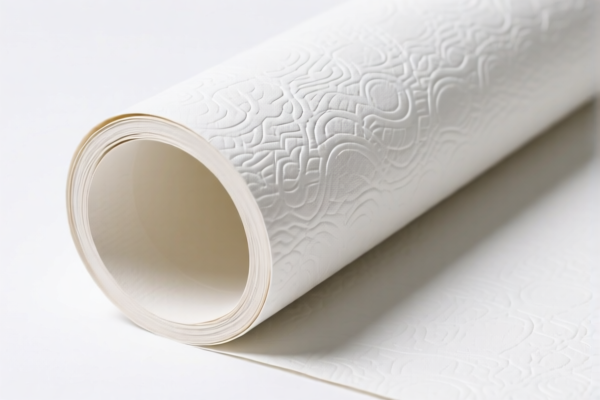
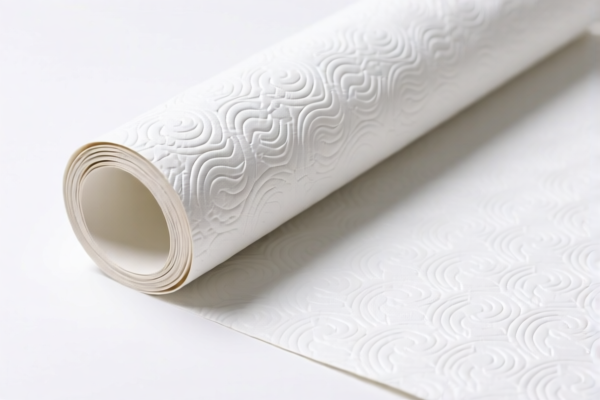
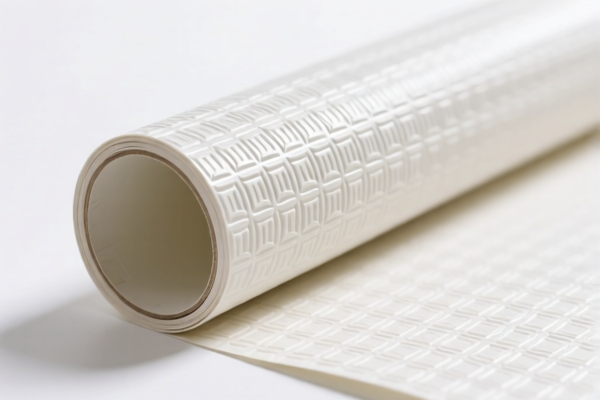
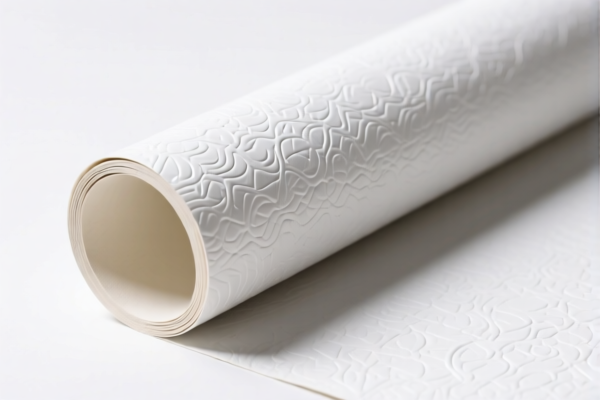
AI分析
🧱 PVC Coated Knitted Fabric Wallpaper (Wallcovering)
🌐 HS Code Reference & Customs Clearance Guide | 2026 Latest Tariff Analysis | Professional Entry Strategy
📌 I. Product Definition & Classification: What Exactly Is "PVC Coated Knitted Fabric Wallpaper"?
PVC Coated Knitted Fabric Wallpaper is a composite building material consisting of a knitted fabric base (textile) impregnated or coated with Polyvinyl Chloride (PVC) (plastic). In international trade, the classification hinges on which material defines the essential character of the product and its physical form.
There are two primary interpretative paths for customs authorities:
- Textile-Dominated View: If the knitted fabric provides the structural integrity and the PVC is merely a surface coating/impregnation, it is classified under Chapter 59 (Impregnated, Coated, Covered or Laminated Textile Fabrics).
- Plastic-Dominated View: If the plastic coating creates a rigid or semi-rigid sheet/membrane, or if the plastic layer is substantial enough to define the article's primary character, it may fall under Chapter 39 (Plastics and Articles Thereof), specifically plates, sheets, film, foil, and strip.
⚠️ Critical Distinction:
- If the product is soft, flexible, and clearly recognizable as wallcovering made of fabric with PVC for durability/washability → Chapter 59 is the most accurate and common classification.
- If the PVC layer is thick, rigid, or the product is described as a "plastic sheet" with a fabric backing → Chapter 39 might be applied, but this is riskier for "wallpaper" applications and may attract higher duties.
📦 II. HS Code Classification Details (2026 Latest Tariff Authority Comparison)
The provided data highlights four potential HS Codes, divided into Chapter 59 (Textile-based) and Chapter 39 (Plastic-based).
| HS Code | Product Description Summary | Applicable Scenario | Primary Material Basis |
|---|---|---|---|
5903.10.25.00 |
PVC coated knitted fabric wallpaper, matching PVC material and coating form, knitted fabric is textile. | Standard wallcovering; flexible, fabric-dominated structure. | ✅ Textile (Knitted Fabric) |
5903.10.20.90 |
PVC coated knitted fabric wallpaper, PVC corresponds to polyvinyl chloride, coating corresponds to impregnation/coating, knitted fabric is textile. | Similar to above; slightly different sub-heading nuance in textile category. | ✅ Textile (Knitted Fabric) |
3921.12.15.00 |
PVC coated knitted fabric wallpaper, material matches PVC, form is plate/sheet/film combined with textile, knitted fabric occupies significant proportion. | Treated as a composite plastic sheet; rigid or semi-rigid form. | ❌ Plastic (PVC Sheet) |
3921.12.19.50 |
PVC coated knitted fabric wallpaper, material is vinyl polymer, form is knitted fabric combined with plastic, belongs to plate/film category. | Treated as other plastic plates/sheets; less common for flexible wallpaper. | ❌ Plastic (PVC Sheet) |
🔍 Key Insight:
- Chapter 59 (5903.10.25.00 / 5903.10.20.90) is the preferred and most accurate classification for wallpaper because it is fundamentally a textile fabric treated with PVC for domestic use.
- Chapter 39 (3921.12.15.00 / 3921.12.19.50) treats the item as a plastic product, which is technically less appropriate for flexible wallpaper but may be accepted if the PVC layer is excessively thick or rigid.
- Risk: Misclassifying as Chapter 39 may lead to scrutiny regarding the "essential character" of the good.
💰 III. 2026 Latest Tariff Rate Breakdown (Including Additional Taxes & Policy Surcharges)
✅ Applicable Country: United States (US)
✅ Country of Origin: China (CN)
✅ Effective Date: 2025–2026 (Current Trade Environment)
🎯 1. 5903.10.25.00 —— PVC Coated Knitted Fabric (Textile-Based)
| Item | Content |
|---|---|
| Base Tariff Rate | 7.5% |
| Section 301 Additional Tariff | +25.0% (Trade Act of 1974, Section 301) |
| Section 122 Tariff | +10.0% (Specific provision for certain textile/apparel imports from China) |
| Total Effective Tax Rate | 42.5% |
| Tax Calculation | CIF Value × 42.5% |
| De Minimis Exemption? | ❌ No (Deny de minimis for Chinese textile/plastic composite goods) |
| Legal Basis Path | USITC:5903.10.25.00 → SECTION_301:Footnote_9903.08.01 → SECTION_122:Applicable |
📌 Explanation:
- This is the most common classification for PVC-coated wallpaper.
- The 42.5% total rate is high due to the combination of base duty (7.5%), Section 301 tariffs (25%), and Section 122 tariffs (10%).
- Section 122 applies specifically to textile products of Chinese origin, making this code heavily taxed.
🎯 2. 5903.10.20.90 —— PVC Coated Knitted Fabric (Textile-Based, Other)
| Item | Content |
|---|---|
| Base Tariff Rate | 0.0% |
| Section 301 Additional Tariff | +25.0% |
| Section 122 Tariff | +10.0% |
| Total Effective Tax Rate | 35.0% |
| Tax Calculation | CIF Value × 35.0% |
| De Minimis Exemption? | ❌ No |
| Legal Basis Path | USITC:5903.10.20.90 → SECTION_301:Footnote_9903.08.01 → SECTION_122:Applicable |
📌 Note:
- While the base rate is 0%, the Section 122 tariff (10%) still applies because it is a textile product.
- Total 35% is lower than5903.10.25.00(42.5%), making this a more favorable code if the product fits this sub-heading definition.
- However, customs may challenge this if the specific coating process doesn't match "other" categories.
🎯 3. 3921.12.15.00 —— PVC Plates, Sheets, Film, Foil, with Textile Backing
| Item | Content |
|---|---|
| Base Tariff Rate | 6.5% |
| Section 301 Additional Tariff | +25.0% |
| Section 122 Tariff | +10.0% |
| Total Effective Tax Rate | 41.5% |
| Tax Calculation | CIF Value × 41.5% |
| De Minimis Exemption? | ❌ No |
| Legal Basis Path | USITC:3921.12.15.00 → SECTION_301:Footnote_9903.10.01 → SECTION_122:Applicable |
📌 Explanation:
- Classifying as a plastic sheet.
- Total 41.5% is slightly lower than the 42.5% for textile-based codes, but Section 122 still applies because many plastic-textile composites are caught in these provisions.
- Risk: Customs may reclassify as Chapter 59 if the product is clearly wallpaper.
🎯 4. 3921.12.19.50 —— Other Plastic Plates, Sheets, Film, Foil
| Item | Content |
|---|---|
| Base Tariff Rate | 5.3% |
| Section 301 Additional Tariff | +25.0% |
| Section 122 Tariff | +10.0% |
| Total Effective Tax Rate | 40.3% |
| Tax Calculation | CIF Value × 40.3% |
| De Minimis Exemption? | ❌ No |
| Legal Basis Path | USITC:3921.12.19.50 → SECTION_301:Footnote_9903.10.01 → SECTION_122:Applicable |
📌 Note:
- This is the lowest total tax rate (40.3%) among all options.
- However, it carries the highest risk of misclassification because the product is clearly a textile fabric with PVC coating, not a primary plastic sheet.
- Only use if the PVC layer is exceptionally thick and rigid.
🛠️ IV. Customs Clearance Practical Advice (Real-World Pitfall Guide)
✅ 1. Required Documentation Checklist
| Document | Mandatory? | Description |
|---|---|---|
| ✅ Product Specification Sheet | ✔️ | Must state: Base material (knitted fabric), Coating material (PVC), Weight, Thickness. |
| ✅ Physical Sample/Photos | ✔️ | Clear images showing the textile structure on one side and smooth PVC on the other. |
| ✅ Commercial Invoice | ✔️ | Clearly describe as "PVC Coated Knitted Fabric for Wallcovering." Avoid generic "Plastic Sheet." |
| ✅ Bill of Lading/Air Waybill | ✔️ | Standard shipping documents. |
| ✅ Customs Bond | ✔️ | Required for formal entry. |
| ✅ Section 301 Exclusion Proof (if any) | ❌ | Check if your specific product type was excluded in 2020–2025; most are not. |
✅ 2. Declaration Strategy (Key Mantras)
🔥 “Fabric Base, PVC Coat, Textile Chapter 59, Plastic Chapter 39 Risk!”
| Scenario | Recommended HS Code | Tax Rate | Reasoning |
|---|---|---|---|
| Standard Wallpaper (Flexible, fabric visible) | 5903.10.20.90 |
35.0% | Lowest tax among accurate textile classifications. |
| Thick Rigid Wall Panels (PVC dominant) | 3921.12.19.50 |
40.3% | Only if product is rigid and not clearly "wallpaper." |
| Other Textile Coating | 5903.10.25.00 |
42.5% | If it doesn't fit the "0% base" category in 5903.10.20. |
📌 Warning:
- Do NOT split the shipment into "fabric" and "PVC" parts. They are a composite good.
- If you declare as3921.12.19.50(40.3%) but customs inspects and finds it's clearly flexible wallpaper, they may reclassify to5903.10.25.00(42.5%) and issue a penalty for misdeclaration.
✅ 3. Special Cases & Handling
| Situation | Advice |
|---|---|
| Small Sample Shipments | Even if under $800, Section 301 and 122 tariffs often apply to Chinese textile/plastic goods. De minimis exemption is frequently denied. |
| OEM Custom Designs | Provide design specs to prove it's "wallcovering" and not industrial "plastic sheet." |
| High-Value Commercial Import | Consider Advance Ruling from CBP to lock in the HS Code and avoid post-entry audits. |
| Supply Chain Diversification | If tariffs are too high, consider sourcing from Vietnam, India, or Bangladesh where Section 301/122 may not apply, reducing tax to 0–7%. |
🌍 V. Global Market Clearance Comparison (2026)
| Country/Region | Recommended HS Code | Tariff (CN Origin) | Key Certifications | Notes |
|---|---|---|---|---|
| 🇺🇸 USA | 5903.10.20.90 |
35.0% – 42.5% | None specific | Highest duty risk due to Section 301/122. |
| 🇨🇳 China (Import) | 5903.10.20.90 |
7.5% | CCC (if applicable) | No Section 301/122. Lower cost. |
| 🇪🇺 EU | 5903.10.20.00 |
6.5% | REACH, VOC | No additional punitive tariffs. |
| 🇬🇧 UK | 5903.10.20.00 |
6.5% | UKCA, REACH | Post-Brexit trade terms apply. |
| 🇦🇺 Australia | 5903.10.20.00 |
5.0% | GMS (if preferential) | Low duty, simple clearance. |
📌 Conclusion:
- The US is the most expensive market for this product due to 301/122 tariffs.
- Total costs can be 40–42.5%, significantly impacting profit margins.
- For EU/UK/AU, tariffs are standard (5–7%), making these markets more attractive.
📌 VI. Common Mistakes & Pitfall Guide (Blood & Tears Lessons)
❌ Mistake 1: Declaring as "Textile Roll" under Chapter 60
👉 Consequence: Customs reclassifies to Chapter 59 (Coated Textile) due to PVC content → Back taxes + Penalties.
❌ Mistake 2: Declaring as "Plastic Sheet" (Chapter 39) for flexible wallpaper
👉 Consequence: While tax might be slightly lower (40.3%), high risk of reclassification audit if flexibility is evident.
❌ Mistake 3: Ignoring Section 122 Tariff
👉 Consequence: Even if base duty is 0%, the 10% Section 122 tariff applies to most Chinese textile imports. Missing this leads to underpayment.
❌ Mistake 4: Using "Wallpaper" generic term without material details
👉 Consequence: Customs cannot determine essential character → Delay at port, potential seizure.
✅ Correct Approach:
"PVC Coated Knitted Fabric, for Wallcovering, Base: Polyester Knit, Coating: PVC, Thickness: X mm, Width: Y cm"
🎯 VII. Conclusion: Professional Declaration, Cost Optimization!
🎯 Remember the Mantra:
🔹 "Fabric Base, PVC Coat, Choose Chapter 59, Avoid Chapter 39 Risk!"
🔹 "Section 122 is the Hidden Killer, 10% Always Applies to Chinese Textiles!"
🔹 "Lowest Tax in US is 35%, Not 0% – Plan Your Pricing Accordingly!"
📌 Pro Tip:
If your volume is large, consider Applying for an Advance Ruling with US CBP to confirm whether 5903.10.20.90 (35%) is acceptable for your specific product. This provides legal certainty.
📣 Immediate Action:
📞 Consult a Licensed Customs Broker + Provide Product Samples + Verify Section 122 Applicability
🚀 Optimize Your Supply Chain to Minimize Tariff Impact and Maximize Profit!
✨ Professional Customs Clearance Starts with Accurate Classification!
💼 Every Percent of Duty Counts – Calculate Precisely!
用户评价
关于 HS 编码归类
协调制度(HS)是由世界海关组织(WCO)制定的国际贸易商品分类标准。全球 200 多个国家采用 HS 系统作为海关关税、贸易统计和进出口监管的基础。
每个 HS 编码遵循以下层级结构:
- 章(2 位)——商品大类(例如:第 84 章:机器和机械设备)
- 品目(4 位)——章内的更具体分类
- 子目(6 位)——国际通用细分,所有 WCO 成员国统一使用
- 本国细分(8-10 位)——各国自行扩展的细分编码,如美国 HTSUS 10 位编码
正确的 HS 编码归类对于顺利通关、准确缴纳关税和遵守贸易法规至关重要。错误归类可能导致海关延误、多缴关税或罚款。
从CN进口到US时,适用的关税税率可能包括:
- 最惠国(MFN)税率——适用于 WTO 成员国的标准关税税率
- 普通税率——适用于无贸易协定国家
- 贸易救济关税——附加关税,如 301 条款(反倾销)、232 条款(国家安全)或反补贴税
本页内容仅供参考。如需正式归类,请咨询当地海关或持牌报关代理。