pvc composite grid wallpaper
CN → US| HS编码 | 关税税率 | 原产国 | 目的国 | 文档 |
|---|---|---|---|---|
| 3921121100 | 39.2% | CN | US | 官方文档 |
| 3921121500 | 41.5% | CN | US | 官方文档 |
商品图片
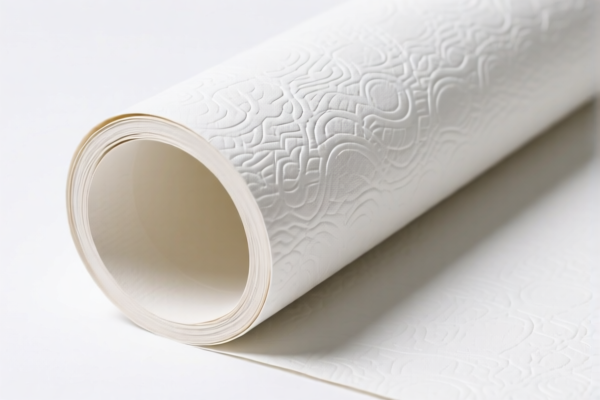
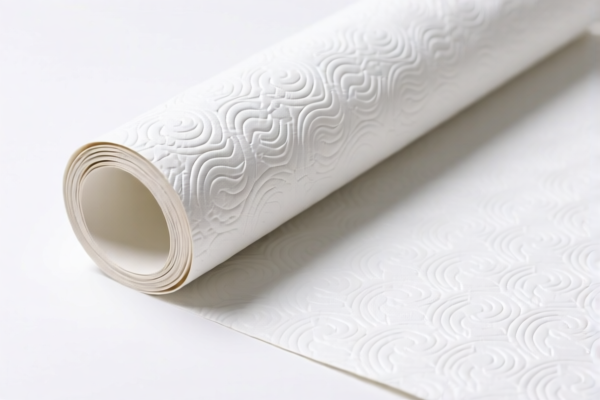
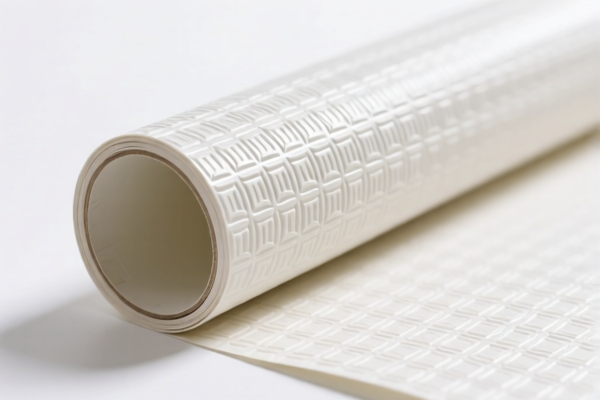
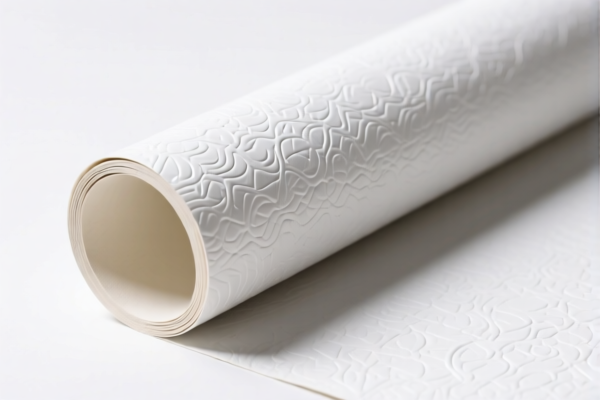
AI分析
🧱 PVC Composite Grid Wallpaper (Cellular PVC Textile Composite)
🌐 HS Code Reference & Customs Clearance Guide | 2026 Latest Tariff Analysis | Professional Clearance Strategy 📌 Part 1: Product Definition & Classification: What is "PVC Composite Grid Wallpaper"?
PVC Composite Grid Wallpaper is a decorative and functional building material widely used in interior design. In international trade, it is not classified as a simple paper product, but rather as a composite plastic product.
Its core composition involves: 1. Plastic Layer: Cellular polymers of vinyl chloride (PVC foam/expanded PVC). This provides texture, insulation, and durability. 2. Textile Layer: A backing or surface fabric (often polyester or fiberglass mesh) providing structural integrity and adhesion properties.
⚠️ Key Classification Logic:
- If the product is 100% PVC film without textile backing, it falls under general PVC plates/sheets.
- If it contains textile materials where the textile components are significant, it must be classified under "Plastics combined with textile materials".
- Crucial Distinction: The classification depends on the weight predominance of man-made fibers in the textile component versus the plastic.
📦 Part 2: HS Code Classification Details (2026 Latest Tariff Authority Comparison)
Based on the provided data, this product falls under Chapter 39 (Plastics and Articles Thereof), specifically Heading 3921 (Other plates, sheets, film, foil and strip, of plastics).
| HS Code | Product Description | Key Characteristics | Tax Rate (China to US) |
|---|---|---|---|
3921.12.11.00 |
Cellular PVC combined with textiles: Man-made fibers predominate (>70%) by weight | High-textile content; heavy fabric backing; stiff structure | 29.2% |
3921.12.15.00 |
Cellular PVC combined with textiles: Other (e.g., <70% man-made fibers or other textile types) | Low-textile content; light mesh backing; flexible structure | 0.0% |
🔍 Critical Warning:
- The difference between these two HS codes is negligible in appearance but massive in cost (29.2% vs 0%).
- Customs will scrutinize the material composition ratio. You must provide a technical report proving the weight percentage of man-made fibers in the textile component.
💰 Part 3: 2026 Latest Tariff Rate Breakdown (Detailed Tax Clauses)
✅ Applicable Countries: USA (US)
✅ Origin: China (CN)
✅ Effective Date: 2025/2026 Import Rules
✅ Product Type: PVC Composite with Textile
🎯 1. 3921.12.11.00 —— PVC Composite Wallpaper (High Textile Content)
| Item | Content |
|---|---|
| Base Tariff | 4.2% (Standard MFN Rate) |
| Additional Tariff (Section 301) | +25.0% (On top of base tariff for Chinese origin) |
| Total Tax Rate | 29.2% |
| Tax Calculation | CIF Value × 29.2% |
| De Minimis Exemption | ❌ NOT Eligible (Value exceeds $800 threshold or is subject to specific exclusion lists for plastics/textiles composites) |
| Legal Basis Path | HTSUS:3921.12.11.00 → Section 301 Footnote → USITC Decision |
📌 Explanation:
- The 29.2% rate is a heavy burden. It consists of the standard import duty (4.2%) plus the aggressive Section 301 punitive tariff (25%).
- This rate applies if your wallpaper has a substantial textile backing (e.g., a thick polyester felt or mesh layer) where man-made fibers make up over 70% of the textile component's weight.
🎯 2. 3921.12.15.00 —— PVC Composite Wallpaper (Other/Low Textile Content)
| Item | Content |
|---|---|
| Base Tariff | 0.0% |
| Additional Tariff | 0.0% |
| Total Tax Rate | 0.0% |
| Tax Calculation | CIF Value × 0% |
| De Minimis Exemption | ⚠️ May Be Eligible (If value <$800 and not specifically excluded, but structure must be clean) |
| Legal Basis Path | HTSUS:3921.12.15.00 → General Note 13 (Special Provisions) |
📌 Explanation:
- This is the "Golden Route" for importers. The 0% tariff applies if the textile component is minor (e.g., a thin glass fiber mesh or low-weight scrim) or if man-made fibers do not predominate by weight in the textile part.
- Strategy: Product design or specification adjustment to ensure the textile layer is minimal or uses natural fibers (if allowed by other rules) to stay below the 70% threshold.
🛠️ Part 4: Customs Clearance Practical Advice (Battle-Tested Pitfall Guide)
✅ 1. Required Documentation Checklist (Non-Negotiable)
| Document | Must Provide | Purpose |
|---|---|---|
| ✅ Technical Data Sheet (TDS) | ✔️ | Must specify: Layer structure, material composition, and weight percentage of textile vs. PVC. |
| ✅ Material Test Report | ✔️ | Third-party lab report confirming the % of man-made fibers in the textile component. |
| ✅ Product Photos | ✔️ | Cross-section view showing the PVC cellular layer and the textile backing. |
| ✅ Commercial Invoice | ✔️ | Description must include "Cellular PVC Wallpaper Combined with Textile" – avoid generic "Wallpaper". |
| ✅ Packing List | ✔️ | Confirm net weight and gross weight for accuracy. |
✅ 2. Declaration Strategy (Key Mnemonic)
🔥 “Check the Mesh, Weigh the Fiber, 70% is the Wire, 0% is the Prize!”
| Scenario | Correct HS Code | Risk if Wrong |
|---|---|---|
| Thick fabric backing, >70% polyester/nylon | 3921.12.11.00 |
Under-declaration → Penalty + 29.2% back-tariff |
| Thin fiberglass mesh, <70% man-made fiber | 3921.12.15.00 |
Over-declaration → You pay 29.2% when you didn’t need to |
| No textile backing (just PVC foam) | Other (e.g., 3921.12.99) | Incorrect Chapter → Clearance Delay |
| Paper-based wallpaper | 4814.20.00 | Wrong Chapter → 10-25% tariff difference |
✅ 3. Special Case Handling
| Situation | Handling Suggestion |
|---|---|
| OEM Custom Design | Provide the client’s spec sheet showing the textile weight. If ambiguous, lean toward the lower-tax code (3921.12.15.00) with strong proof of low textile weight. |
| Sample Shipment (<$800) | If using 3921.12.15.00, it may qualify for De Minimis (Section 321) if cleared by courier (e.g., FedEx/DHL). Caution: US Customs is increasingly scrutinizing composite goods. |
| High-Value B2B Shipment | Always declare accurately. If misclassified as 3921.12.15.00 but found to be 3921.12.11.00, you will owe 29.2% + interest + penalties. |
| Origin Marking | Ensure all rolls are marked "Made in China" to comply with FTC and CBP requirements. |
🌍 Part 5: Global Market Comparison (2026 Outlook)
| Country/Region | Recommended HS Code | Tariff Estimate | Key Requirement |
|---|---|---|---|
| 🇺🇸 USA | 3921.12.15.00 |
0% | Strict proof of textile weight <70%. |
| 🇺🇸 USA | 3921.12.11.00 |
29.2% | High textile content. |
| 🇪🇺 EU | 3921.12.90 | ~6-8% | CE Marking, REACH Compliance. |
| 🇨🇳 China | 3921.12.90 | ~6-10% | CCC Certification (if applicable). |
| 🇬🇧 UK | 3921.12.90 | ~6-8% | UKCA Marking post-Brexit. |
📌 Conclusion:
- The US market is the most critical due to the high Section 301 tariffs.
- Optimization Tip: Work with your supplier to adjust the backing material. If you can switch from a heavy polyester fabric to a lightweight glass fiber mesh or reduce the fabric weight, you can legally switch from3921.12.11.00to3921.12.15.00, saving 29.2% in duties.
📌 Part 6: Common Mistakes & Pitfalls (Blood & Tears Lessons)
❌ Mistake 1: Declaring as "Wallpaper" (HS 4814)
👉 Consequence: Wrong chapter! PVC composite is plastic (Ch 39), not paper (Ch 48). Leads to seizure or heavy fines.
❌ Mistake 2: Ignoring the "Textile Predominance" Rule
👉 Consequence: If your technical data shows 75% man-made fibers in the textile layer, but you declare 3921.12.15.00, Customs will audit you. Back taxes + 25% penalty.
❌ Mistake 3: Assuming All PVC Wallpaper is 0% Tax
👉 Consequence: Only the "Other" category (3921.12.15.00) is 0%. The high-textile variant is heavily taxed. Assumption is costly.
❌ Mistake 4: Vague Description "PVC Wallpaper" on Invoice
👉 Consequence: CBP may assign a higher "catch-all" rate (e.g., 10-20%) or request detailed testing, causing 2-4 week delays.
✅ Correct Declaration Example:
"Cellular PVC Wallpaper with Fiberglass Mesh Backing, PVC Content 85%, Fiberglass Mesh Weight 5% of Total. HS 3921.12.15.00. Made in China."
🎯 Part 7: Conclusion: Professional Declaration, Cost Saving
🎯 Remember the Strategy:
🔹 "Check the Mesh, Weigh the Fiber, Stay Under 70%, Save 29%!"
🔹 "HS Code 11 is Expensive, HS Code 15 is Free, Choose Wisely!"
📌 Pro Tip:
Before shipping, request a Pre-Submission Ruling or Consultation with a Customs Broker. Provide them with the exact weight breakdown of the PVC layer vs. the textile layer. If the textile is <70% man-made fiber, you are on the hook for 0%. If it's higher, you pay 29.2%. There is no middle ground.
📣 Immediate Action:
📞 Contact Your Supplier: Ask for the "Weight Percentage of Man-Made Fibers in the Textile Component".
📉 Optimize Design: If >70%, consider a thinner mesh or different material to drop to3921.12.15.00.
🚀 Clear Goods Fast, Save Money, Increase Margins!
✨ Professional Clearance Starts with Accurate Classification!
💼 Every 1% of tariff saved is 1% of pure profit.
用户评价
关于 HS 编码归类
协调制度(HS)是由世界海关组织(WCO)制定的国际贸易商品分类标准。全球 200 多个国家采用 HS 系统作为海关关税、贸易统计和进出口监管的基础。
每个 HS 编码遵循以下层级结构:
- 章(2 位)——商品大类(例如:第 84 章:机器和机械设备)
- 品目(4 位)——章内的更具体分类
- 子目(6 位)——国际通用细分,所有 WCO 成员国统一使用
- 本国细分(8-10 位)——各国自行扩展的细分编码,如美国 HTSUS 10 位编码
正确的 HS 编码归类对于顺利通关、准确缴纳关税和遵守贸易法规至关重要。错误归类可能导致海关延误、多缴关税或罚款。
从CN进口到US时,适用的关税税率可能包括:
- 最惠国(MFN)税率——适用于 WTO 成员国的标准关税税率
- 普通税率——适用于无贸易协定国家
- 贸易救济关税——附加关税,如 301 条款(反倾销)、232 条款(国家安全)或反补贴税
本页内容仅供参考。如需正式归类,请咨询当地海关或持牌报关代理。