pvc door profile
CN → US| HS编码 | 关税税率 | 原产国 | 目的国 | 文档 |
|---|---|---|---|---|
| 3925900000 | 40.3% | CN | US | 官方文档 |
| 3921121950 | 40.3% | CN | US | 官方文档 |
| 3916200010 | 40.8% | CN | US | 官方文档 |
| 3925200091 | 22.8% | CN | US | 官方文档 |
| 3921125000 | 41.5% | CN | US | 官方文档 |
| 3916200020 | 40.8% | CN | US | 官方文档 |
商品图片
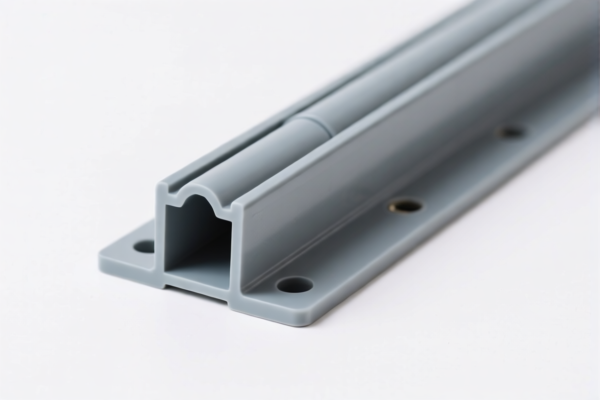
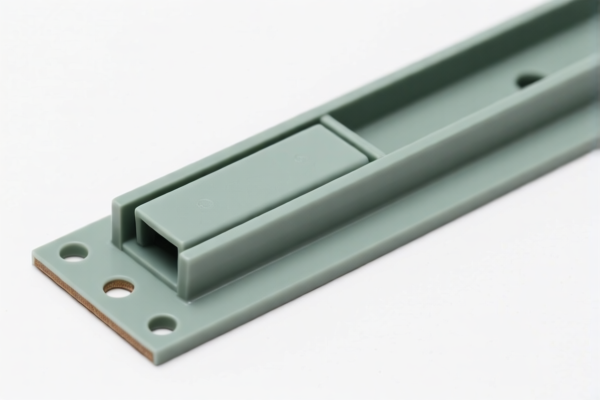
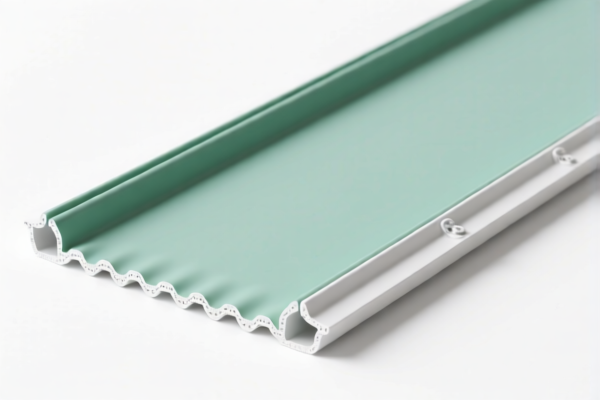
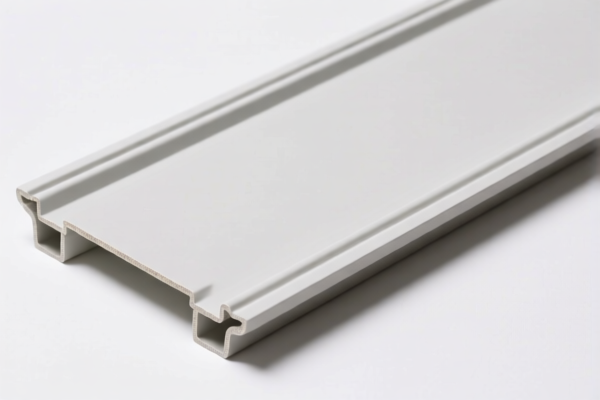
AI分析
🚪 PVC Door Profiles (Plastic Door Components)
🌐 HS Code Reference & Customs Clearance Guide | 2026 Latest Tariff Analysis | Professional-Level Compliance Strategy
📌 Part 1: Product Definition & Classification: Do You Really Understand "PVC Door Profiles"?
PVC Door Profiles are essential building materials used primarily for the frames of doors, windows, and other architectural structures. In international trade, their classification depends heavily on two factors: Material Composition and Physical Form.
1. Building Components (Finished Structural Parts):
Profiles that are already shaped into frames, moldings, or finished architectural elements ready for installation.
Classification Logic: Treated as "Buildings or prefabricated building components."
2. Raw/Intermediate Materials (Profiles/Planks):
Extruded plastic shapes, bars, or plates used for further processing or manufacturing.
Classification Logic: Treated as "Articles of plastics and articles of other materials" or "Plastics in primary forms/basic shapes."
⚠️ Critical Distinction:
- If the product is a finished frame component specifically identified for building use → Look at Chapter 39.25 (Building goods).
- If the product is an extruded profile/plank (even if intended for doors) without specific building component designation → Look at Chapter 39.21 (Plastic plates/sheets/stripes) or Chapter 39.16 (Plastic profiles for windows/doors).
- Mistake Alert: Misclassifying a simple extruded profile as a "finished building part" can lead to different duty rates due to varying base tariffs and specific trade remedy clauses.
📦 Part 2: HS Code Classification Details (2026 Latest Tariff Authority Cross-Reference)
Below are the five specific HS Codes derived from the provided data for "PVC Door Profiles," along with their specific descriptions and tax implications.
| HS Code | Product Description | Key Classification Feature | Total Tax Rate |
|---|---|---|---|
3925.90.00.00 |
PVC Door Profile, Material: Plastic, Form: Building Component | Classified as a general building component made of plastic. | 40.3% |
3921.12.19.50 |
PVC Door Profile, Material: Vinyl Polymer, Form: Plates/Stripes | Classified under plastic plates/sheets/stripes of vinyl polymers. | 40.3% |
3916.20.00.10 |
PVC Door Profile, Material: Vinyl Polymer, Form: Profile for Windows/Doors | Specifically classified as plastic profiles for windows and doors. | 40.8% |
3925.20.00.91 |
PVC Door Profile, Material: Plastic, Form: Building Member (Door Frame) | Classified under other builders' ware of plastics, specifically for door frames. | 22.8% |
3921.12.50.00 |
PVC Door Profile, Material: PVC, Form: Plates/Sheets/Stripes | Classified under plates/sheets/stripes of PVC (Polyvinyl Chloride). | 41.5% |
🔍 Key Insight:
- Highest Tax:3921.12.50.00(41.5%) – Often catches exporters who classify PVC profiles as generic "plates/sheets" without the specific window/door profile designation.
- Lowest Tax:3925.20.00.91(22.8%) – Available if the product is clearly identified as a "building member" for door frames under the "Builders' Ware" category.
- Note on "Vinyl Polymer" vs "Plastic": The terminology in the HS Code description matters.3916and3921often have higher base tariffs than3925for building components.
💰 Part 3: 2026 Latest Tariff Rate Breakdown (Including Surcharges & Policy Add-ons)
✅ Applicable Country: United States (US)
✅ Origin: China (CN)
✅ Effective Date: Ongoing (Includes Section 301 and Section 122 tariffs)
The tax details provided in the data include three components: 1. Base Tariff: Standard Most Favored Nation (MFN) rate. 2. Retaliatory/Section 301 Tariff: Additional duty on Chinese goods. 3. Section 122 Tariff: Specific additional duty (often related to trade balance or national security measures).
🎯 1. 3925.90.00.00 & 3921.12.19.50 – The 40.3% Tier
| Item | Content |
|---|---|
| Base Tariff | 5.3% |
| Section 301 Surtax | +25.0% |
| Section 122 Tariff | +10.0% |
| Total Effective Rate | 40.3% |
| Tax Calculation | CIF Value × 40.3% |
| De Minimis Eligibility | ❌ No (High value/Category prevents small parcel exemption) |
| Legal Path | Base Rate → Section 301 List → Section 122 Enforcement |
📌 Explanation:
- These codes attract the full stack of punitive tariffs.
- The 25% is the standard Section 301 tariff on many Chinese industrial/plastic goods.
- The 10% Section 122 tariff adds a significant burden.
- Result: Nearly 40% of the product's value is tax. This requires precise margin planning.
🎯 2. 3916.20.00.10 – The 40.8% Tier (Highest Base)
| Item | Content |
|---|---|
| Base Tariff | 5.8% (Higher base than others) |
| Section 301 Surtax | +25.0% |
| Section 122 Tariff | +10.0% |
| Total Effective Rate | 40.8% |
| Tax Calculation | CIF Value × 40.8% |
| De Minimis Eligibility | ❌ No |
| Legal Path | Base Rate (Plastic Profiles) → Section 301 → Section 122 |
📌 Explanation:
- Why higher? The base tariff for3916(Plastic profiles for windows/doors) is 5.8%, compared to 5.3% for others.
- Even though the surcharges are the same, the starting point is higher. This code is riskier if the "profile" classification is disputed.
🎯 3. 3925.20.00.91 – The 22.8% Tier (Optimization Opportunity)
| Item | Content |
|---|---|
| Base Tariff | 5.3% |
| Section 301 Surtax | +7.5% (Significantly Reduced!) |
| Section 122 Tariff | +10.0% |
| Total Effective Rate | 22.8% |
| Tax Calculation | CIF Value × 22.8% |
| De Minimis Eligibility | ❌ No |
| Legal Path | Builders' Ware (3925) → Reduced Section 301 Rate → Section 122 |
📌 Strategic Advantage:
- Huge Savings: By classifying the product as a Building Component (3925) rather than a raw plastic profile (3916/3921), the Section 301 tariff drops from 25% to 7.5%.
- Total Savings: 17.5% less duty (40.3% → 22.8%).
- Condition: You must prove the item is a "building member" or "component" suitable for immediate installation as a door frame, not just an extruded bar for further fabrication.
🎯 4. 3921.12.50.00 – The 41.5% Tier (Avoid This!)
| Item | Content |
|---|---|
| Base Tariff | 6.5% (Highest Base) |
| Section 301 Surtax | +25.0% |
| Section 122 Tariff | +10.0% |
| Total Effective Rate | 41.5% |
| Tax Calculation | CIF Value × 41.5% |
| De Minimis Eligibility | ❌ No |
| Legal Path | Plastic Plates/Sheets (3921) → Full Section 301 → Section 122 |
📌 Warning:
- This code has the highest base tariff (6.5%) and full surcharges.
- It classifies PVC profiles as generic "plates/sheets/stripes." If your product is clearly a door profile, this classification is technically incorrect and leads to the highest cost. Avoid this unless the product is literally a flat sheet cut to shape.
🛠️ Part 4: Customs Clearance Practical Advice (Pitfall Avoidance Guide)
✅ 1. Preparation Checklist (Mandatory)
| Document | Must Provide | Purpose |
|---|---|---|
| Product Specification Sheet | ✔️ | Defines material (PVC/Vinyl), dimensions, and intended use (Door Frame). |
| Product Photos | ✔️ | Clear images showing cross-section profile, length, and any pre-drilled holes/molding. |
| Commercial Invoice | ✔️ | Must state: "PVC Door Frame Profile" or "Plastic Building Component for Doors." Avoid vague terms like "Plastic Strip." |
| Packing List | ✔️ | Details net weight, gross weight, and quantity. |
| Material Safety Data Sheet (MSDS) | ✔️ | Required for plastic products to confirm chemical composition (Vinyl Polymer). |
| Country of Origin Certificate | ✔️ | Proves Chinese origin (to apply correct tariff rates). |
✅ 2. Declaration Strategy (Key Mnemonics)
🔥 "Form Defines Code, Component Saves Money!"
| Scenario | Recommended HS Code | Why? |
|---|---|---|
| Extruded Profile for Further Fabrication | 3916.20.00.10 or 3921.12.19.50 |
It's a raw plastic profile. Expect 40.3-40.8%. |
| Finished Door Frame Component | 3925.20.00.91 |
Classified as "Builders' Ware." Big Tax Saving (22.8%). |
| Generic Plastic Plate/Sheet Cut to Size | 3921.12.50.00 |
Highest Tax (41.5%). Only use if it's literally a sheet, not a profile. |
| General Building Plastic Part | 3925.90.00.00 |
Safe fallback if 3925.20 doesn't fit perfectly. 40.3%. |
💡 Pro Tip:
If you are exporting ready-to-install door frames or pre-cut profiles with mounting features, emphasize the "Building Component" aspect in your invoice description to qualify for3925.20.00.91and the lower 22.8% rate.
✅ 3. Special Cases & Risk Management
| Case | Handling Advice |
|---|---|
| Mixed Materials (PVC + Metal Reinforcement) | If metal reinforcement is integral, customs may shift classification to metal (7308), changing the entire tariff structure. Declare separately or provide assembly diagrams. |
| OEM Custom Profiles | Provide customer design drawings to prove specific "Door Profile" intent, supporting 3916.20.00.10 or 3925.20.00.91. |
| Small Parcel Shipping (De Minimis) | Not Applicable. All codes listed have high taxes and are not eligible for $800 de minimis exemption for Chinese-origin goods. |
| Anti-Dumping/Countervailing Duties | Check if specific PVC profiles are subject to anti-dumping duties. While not listed in the data, always verify the latest USITC list. |
🌍 Part 5: Global Market Comparison (2026 Update)
| Country/Region | Recommended HS Code | Estimated Duty (China Origin) | Notes |
|---|---|---|---|
| 🇺🇸 USA | 3925.20.00.91 |
22.8% (Best Case) | Use 3925 to avoid 25% Section 301. Full stack applies. |
| 🇨🇳 China | 3925.20.00.91 |
~3-6% | Lower duties, but this is for import into China. For export from China, see USA column. |
| 🇪🇺 EU | 3925.90.00 |
~6.5% | No Section 301/122. Standard MFN rate. Easier clearance. |
| 🇨🇦 Canada | 3925.90.00 |
~5.25% | Similar to EU, no major punitive tariffs. |
📌 Conclusion:
- The US market is the most challenging due to Section 301 (25%) and Section 122 (10%) tariffs.
- Optimization is key: Choosing3925.20.00.91over3916or3921can save 17-18% in duties.
- Accurate product description is your best defense against misclassification penalties.
📌 Part 6: Common Mistakes & Blood-Letting Lessons
❌ Mistake 1: Calling it "Plastic Strip" in the invoice
👉 Consequence: Customs may classify under 3921.12.50.00 (41.5%) due to vagueness.
👉 Fix: Use "PVC Door Profile" or "Building Component."
❌ Mistake 2: Using 3916.20.00.10 for finished frames
👉 Consequence: Paying 40.8% when 22.8% was possible.
👉 Fix: If it’s a finished component, argue for 3925.20.00.91.
❌ Mistake 3: Ignoring Section 122 Tariff
👉 Consequence: Under-paying duties by 10%.
👉 Fix: Always include the 10% Section 122 in cost calculations for US imports from China.
❌ Mistake 4: Assuming "PVC" means low duty
👉 Consequence: Shocked by the 40%+ effective rate.
👉 Fix: Remember, for US-origin Chinese plastics, the base rate is just the start. Surcharges dominate.
✅ Correct Declaration Example:
"PVC Door Frame Profile, Extruded Vinyl Polymer, Finished Building Component for Residential Doors, Model XYZ, Made in China"
🎯 Part 7: Conclusion: Professional Classification Saves Money!
🎯 Remember the Golden Rules:
🔹 "Builder's Ware Beats Raw Plastic" –
3925(22.8%) vs3916/3921(40%+).
🔹 "Base Rate + 25% + 10% = Pain" – The US tariff stack is heavy for plastics.
🔹 "Describe Precisely" – Vague descriptions lead to worst-case classifications.
📌 Pro Tip:
If your volume is high, consider applying for an Advance Ruling (Binding Ruling) from US Customs and Border Protection (CBP) to confirm your HS Code classification. This provides legal certainty and protects you from retroactive duties.
📣 Immediate Action:
📞 Contact a licensed customs broker.
📄 Provide product specs and photos.
🎯 Aim for3925.20.00.91to minimize duty at 22.8%.
🚀 Optimize your supply chain to maximize profit margins!
✨ Professional Clearance Starts with Accurate Classification!
💼 Every Percentage Point of Duty is Profit Preserved!
用户评价
关于 HS 编码归类
协调制度(HS)是由世界海关组织(WCO)制定的国际贸易商品分类标准。全球 200 多个国家采用 HS 系统作为海关关税、贸易统计和进出口监管的基础。
每个 HS 编码遵循以下层级结构:
- 章(2 位)——商品大类(例如:第 84 章:机器和机械设备)
- 品目(4 位)——章内的更具体分类
- 子目(6 位)——国际通用细分,所有 WCO 成员国统一使用
- 本国细分(8-10 位)——各国自行扩展的细分编码,如美国 HTSUS 10 位编码
正确的 HS 编码归类对于顺利通关、准确缴纳关税和遵守贸易法规至关重要。错误归类可能导致海关延误、多缴关税或罚款。
从CN进口到US时,适用的关税税率可能包括:
- 最惠国(MFN)税率——适用于 WTO 成员国的标准关税税率
- 普通税率——适用于无贸易协定国家
- 贸易救济关税——附加关税,如 301 条款(反倾销)、232 条款(国家安全)或反补贴税
本页内容仅供参考。如需正式归类,请咨询当地海关或持牌报关代理。