pvc plastic elbow
CN → US| HS编码 | 关税税率 | 原产国 | 目的国 | 文档 |
|---|---|---|---|---|
| 3917400020 | 40.3% | CN | US | 官方文档 |
| 3917400060 | 40.3% | CN | US | 官方文档 |
| 3926909987 | 22.8% | CN | US | 官方文档 |
| 3926909989 | 22.8% | CN | US | 官方文档 |
| 3917400095 | 40.3% | CN | US | 官方文档 |
商品图片
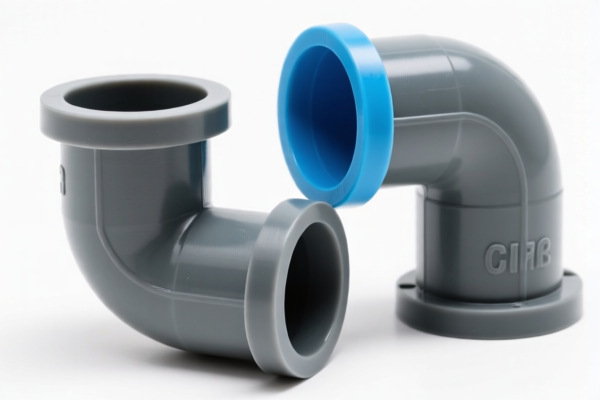
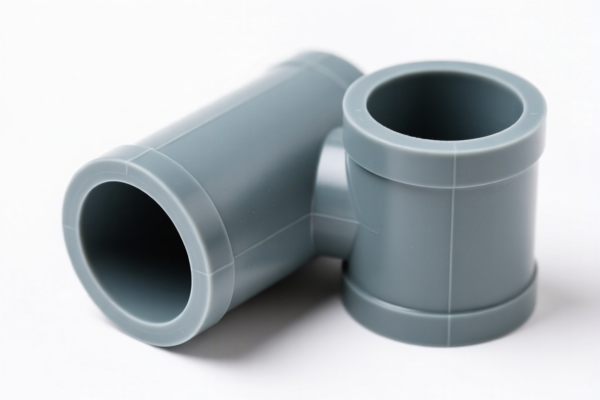
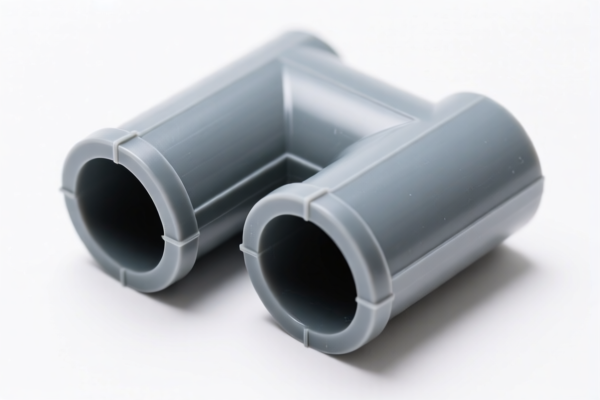
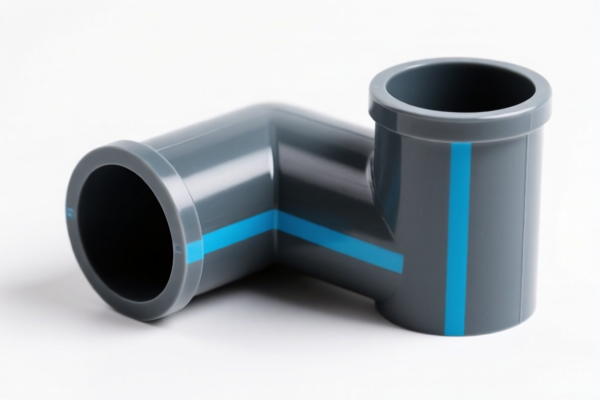
AI分析
🚰 PVC Plastic Elbows (Polyvinyl Chloride Pipe Fittings)
🌐 HS Code Reference & Customs Clearance Guide | 2026 Latest Tariff Analysis | Professional Clearance Strategy
📌 One, Product Definition & Classification: Do You Really Understand "PVC Elbows"?
PVC elbows are critical pipeline components used to change the direction of fluid or gas flow in piping systems. In international trade, they are not a single homogeneous category but are strictly classified based on their material composition (PVC vs. PE), structural role (Pipe Accessories vs. General Plastic Parts), and specific application (Wire Conduit vs. General Piping).
Misclassification is the #1 cause of customs delays and excessive duty payments for these items.
⚠️ Key Distinction Points:
- If the elbow is explicitly for electrical wiring conduits → It falls under General Plastic Articles (3926).
- If it is a standard plastic pipe fitting (PVC or Polyethylene) → It falls under Plastic Pipes & Fittings (3917).
- Material Matters: Polyethylene (PE) elbows are often taxed differently from Polyvinyl Chloride (PVC) elbows due to distinct subheadings.
📦 Two, HS Code Classification Details (2026 Latest Tariff Authority Mapping)
| HS Code | Product Description | Application Scenario | Material/Type |
|---|---|---|---|
3917.40.00.20 |
PVC Elbows, Polyvinyl Chloride material, pipe fittings | Standard plumbing, irrigation, industrial fluid transport | ✅ PVC, Pipe Accessory |
3917.40.00.60 |
PVC Elbows, Polyvinyl Chloride material, other pipe accessories | Non-standard PVC fittings, specialized industrial PVC connectors | ✅ PVC, Pipe Accessory |
3926.90.99.87 |
PVC Elbows, Plastic material, wire conduit type | Electrical wiring protection, cable management systems | ✅ PVC, Electrical Conduit |
3926.90.99.89 |
PVC Elbows, Plastic material, other plastic articles | Non-pipe/non-conduit plastic elbows (e.g., decorative, general hardware) | ✅ PVC, General Plastic Part |
3917.40.00.95 |
Polyethylene (PE) Elbows, Plastic material, pipeline accessories | Gas pipes, water mains, high-pressure PE piping systems | ✅ PE (Not PVC), Pipe Accessory |
🔍 Critical Reminder:
- Do NOT confuse PVC with Polyethylene (PE). Even though both are plastics,3917.40.00.95(PE) and3917.40.00.20/60(PVC) have different tax treatments and legal definitions.
- Conduits vs. Pipes: Electrical conduits (3926...) are often classified under "Other Plastic Articles" rather than "Plastic Pipes," leading to different tariff lines.
💰 Three, 2026 Latest Tariff Rate Breakdown (Including Surtaxes & Policy Add-ons)
✅ Applicable Country: United States (US)
✅ Origin: China (CN)
✅ Effective Time: Current rates including Section 301 and Section 122 tariffs.
🎯 1. 3917.40.00.20 & 3917.40.00.60 — PVC Pipe Fittings (Standard & Other)
These codes cover the majority of standard PVC plumbing elbows.
| Item | Content |
|---|---|
| Base Tariff | 5.3% (Ad Valorem) |
| Trade Surtax (Section 301) | +25.0% (Targeting Chinese Manufacturing) |
| Section 122 Surcharge | +10.0% (Specific policy add-on) |
| Total Effective Rate | 40.3% |
| Tax Calculation | CIF Value × 40.3% |
| De Minimis Exemption | ❌ Not Eligible (High duty rates exceed threshold benefits) |
| Legal Basis Path | HTSUS:3917.40.00 → USITC Footnote: Section 301 → Section 122 Act |
📌 Explanation:
- The 5.3% is the standard Most Favored Nation (MFN) rate.
- The 25% is the prominent Section 301 tariff on Chinese plastic products.
- The 10% is a specific Section 122 surcharge applied to these pipe fittings.
- Combined 40.3% is a very high barrier for PVC fittings from China.
🎯 2. 3917.40.00.95 — Polyethylene (PE) Pipe Accessories
Note: This code is for Polyethylene, not PVC. Misdeclaring PE as PVC here will lead to audits.
| Item | Content |
|---|---|
| Base Tariff | 5.3% (Ad Valorem) |
| Trade Surtax (Section 301) | +25.0% (Targeting Chinese Manufacturing) |
| Section 122 Surcharge | +10.0% |
| Total Effective Rate | 40.3% |
| Tax Calculation | CIF Value × 40.3% |
| De Minimis Exemption | ❌ Not Eligible |
| Legal Basis Path | HTSUS:3917.40.00.95 → Section 301 → Section 122 |
📌 Note:
- Despite being a different plastic (PE), the tariff structure is identical to PVC pipe fittings (40.3%).
- Ensure your material certificate clearly states "Polyethylene" if using this code.
🎯 3. 3926.90.99.87 & 3926.90.99.89 — Other Plastic Articles (Wire Conduits & Others)
These codes apply to PVC elbows used for electrical conduits or general plastic hardware.
| Item | Content |
|---|---|
| Base Tariff | 5.3% (Ad Valorem) |
| Trade Surtax (Section 301) | +7.5% (Lower than pipe fittings) |
| Section 122 Surcharge | +10.0% |
| Total Effective Rate | 22.8% |
| Tax Calculation | CIF Value × 22.8% |
| De Minimis Exemption | ❌ Not Eligible |
| Legal Basis Path | HTSUS:3926.90.99 → Section 301 (Lower bracket) → Section 122 |
📌 Strategic Insight:
- If your PVC elbow is used specifically for electrical wiring (conduit), it may qualify for the 22.8% rate instead of 40.3%.
- Condition: It must be clearly described and marketed as "Electrical Conduit Fitting" rather than "Plumbing Pipe Fitting."
-3926.90.99.89(Other plastic articles) also falls under 22.8%, offering a cheaper alternative for non-pipe/non-conduit specific elbows.
🛠️ Four, Customs Clearance Practical Advice (Battle-Tested Pitfall Avoidance)
✅ 1. Required Documentation Checklist (Non-Negotiable)
| Document | Mandatory? | Description |
|---|---|---|
| ✅ Product Specification Sheet | ✔️ | Must specify Material (PVC vs. PE), Diameter, Pressure Rating, Standard (ASTM/ISO). |
| ✅ Material Declaration | ✔️ | Crucial to distinguish PVC (3917.40.xx.xx) from PE (3917.40.00.95). |
| ✅ Application Statement | ✔️ | State use: "For Water Piping" vs. "For Electrical Wiring Conduit." This determines the 40.3% vs. 22.8% rate. |
| ✅ Commercial Invoice | ✔️ | Must match HS Code description exactly. Avoid generic terms like "Plastic Parts." |
| ✅ Packaging List | ✔️ | Show quantity per carton to verify commercial volume. |
| ✅ Origin Certificate | ✔️ | Prove origin is China (triggers the 301/122 tariffs). |
✅ 2. Declaration Strategy (Key Mantra)
🔥 "Material First, Use Second, Rate Depends!"
| Scenario | Correct HS Code | Risk of Error |
|---|---|---|
| Standard PVC Water Pipe Elbow | 3917.40.00.20 or .60 |
Misdeclare as conduit → 22.8% (Risk: Customs audit for undervaluation/tax evasion) |
| PVC Electrical Conduit Elbow | 3926.90.99.87 |
Misdeclare as pipe → 40.3% (Loss of $17.5% savings) |
| Polyethylene (PE) Pipe Elbow | 3917.40.00.95 |
Misdeclare as PVC → 40.3% (Same rate, but wrong description triggers compliance flag) |
| Decorative/General PVC Joint | 3926.90.99.89 |
Misdeclare as pipe → 40.3% (Avoidable if correctly classified as "Other") |
✅ 3. Special Handling Cases
| Situation | Handling Advice |
|---|---|
| Mixed Container (PVC + PE) | Separate Lines: Clearly list PE and PVC on separate invoice lines with distinct HS Codes. Do not lump them together. |
| "White Label" Goods | Provide OEM branding info. Customs may still assess based on physical attributes (material/use), not brand. |
| Set Assemblies | If sold as a "Pipe Kit" with elbows, valves, and tape, declare the principal character (usually the pipes/elbows) or split items if value differs significantly. |
| Section 122 Eligibility | Confirm if your specific import transaction qualifies for the Section 122 surcharge. Most pipe fittings do, but always verify with the latest CBP notices. |
🌍 Five, Global Market Clearance Comparison (2026 Latest)
| Country/Region | Recommended HS Code | Base Tariff | Surtax/Policy | Total Effective Rate (China) | Remarks |
|---|---|---|---|---|---|
| 🇺🇸 USA | 3917.40.00.20 |
5.3% | +35% (301+122) | 40.3% | High barrier. Conduits (3926) are cheaper (22.8%). |
| 🇨🇳 China (Import) | 3917.40.00.20 |
6.5% | 0% | 6.5% | No surtaxes for domestic trade. |
| 🇪🇺 EU | 3917.40 |
2.7% | No Surtax | 2.7% | Competitive. No 301-style tariffs. |
| 🇨🇦 Canada | 3917.40 |
5.0% | CFSP 0% | 5.0% | Preferential access for many goods. |
| 🇬🇧 UK | 3917.40 |
3.0% | Post-Brexit Tariff | 3.0% | Stable, low tariff environment. |
📌 Conclusion:
- The USA is the most challenging market for PVC/PE elbows due to the 40.3% combined duty.
- Electrical Conduits offer a strategic tax advantage (22.8%) in the US.
- Diversify Supply Chain: Consider sourcing from Vietnam or Mexico to avoid US Section 301/122 tariffs (check rules of origin carefully).
📌 Six, Common Mistakes & Pitfalls (Blood-Learned Lessons)
❌ Mistake 1: Declaring "PVC Elbows" generically without specifying Material or Use.
👉 Consequence: Customs may default to the highest duty rate (40.3%) or request an import exam, causing 3-4 week delays.
❌ Mistake 2: Misclassifying PE (Polyethylene) elbows as PVC.
👉 Consequence: While the rate might be similar (40.3%), it triggers a compliance violation for false description. Penalties can exceed the duty savings.
❌ Mistake 3: Ignoring Section 122.
👉 Consequence: Assuming only Section 301 applies. Failure to pay the additional 10% leads to interest and penalties upon audit.
❌ Mistake 4: Using "Plastic Fittings" as the description.
👉 Consequence: Too vague. Customs may classify it under a higher-duty general plastics heading. Always specify "Pipe" or "Conduit."
✅ Correct Declaration Example:
"Polyvinyl Chloride (PVC) Pipe Elbow, 2-inch, Schedule 40, for Water Supply, ASTM D2466, Made in China"
HS Code:3917.40.00.20
Duty: 40.3%
🎯 Seven, Conclusion: Professional Classification, Cost Savings, Risk Mitigation!
🎯 Remember the Mantra:
🔹 "PVC Pipe = 40.3%; PE Pipe = 40.3%; Electrical Conduit = 22.8%."
🔹 "Section 122 adds 10% to Pipe Fittings. Don't ignore it!"
🔹 "Material Certification is Key. PVC vs. PE = Different Codes."
📌 Pro Tip:
If your elbows are Electrical Conduits, ensure your marketing materials, invoices, and technical specs emphasize "Electrical Use" to justify the lower 22.8% rate.
If you are shipping large volumes, consider Advance Rulings from US CBP to lock in the HS Code and duty rate before shipment.
📣 Immediate Action:
📞 Verify Material: PVC or PE?
📞 Verify Use: Pipe or Conduit?
📞 Calculate Duty: 40.3% vs. 22.8%?
🚀 Optimize your supply chain now to save 17.5% on duties!
✨ Professional Clearance Starts with Accurate Classification!
💼 Every Percent of Duty Saved is Pure Profit!
用户评价
关于 HS 编码归类
协调制度(HS)是由世界海关组织(WCO)制定的国际贸易商品分类标准。全球 200 多个国家采用 HS 系统作为海关关税、贸易统计和进出口监管的基础。
每个 HS 编码遵循以下层级结构:
- 章(2 位)——商品大类(例如:第 84 章:机器和机械设备)
- 品目(4 位)——章内的更具体分类
- 子目(6 位)——国际通用细分,所有 WCO 成员国统一使用
- 本国细分(8-10 位)——各国自行扩展的细分编码,如美国 HTSUS 10 位编码
正确的 HS 编码归类对于顺利通关、准确缴纳关税和遵守贸易法规至关重要。错误归类可能导致海关延误、多缴关税或罚款。
从CN进口到US时,适用的关税税率可能包括:
- 最惠国(MFN)税率——适用于 WTO 成员国的标准关税税率
- 普通税率——适用于无贸易协定国家
- 贸易救济关税——附加关税,如 301 条款(反倾销)、232 条款(国家安全)或反补贴税
本页内容仅供参考。如需正式归类,请咨询当地海关或持牌报关代理。