pvc plastic sheet
CN → US| HS编码 | 关税税率 | 原产国 | 目的国 | 文档 |
|---|---|---|---|---|
| 3923900080 | 38.0% | CN | US | 官方文档 |
| 3921125000 | 41.5% | CN | US | 官方文档 |
| 3921121950 | 40.3% | CN | US | 官方文档 |
| 3923290000 | 38.0% | CN | US | 官方文档 |
| 3917230000 | 38.1% | CN | US | 官方文档 |
商品图片
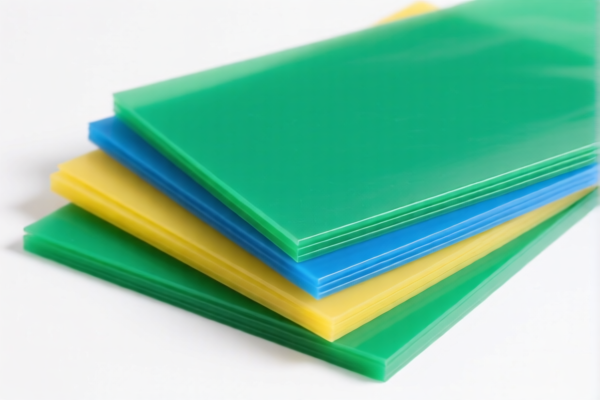

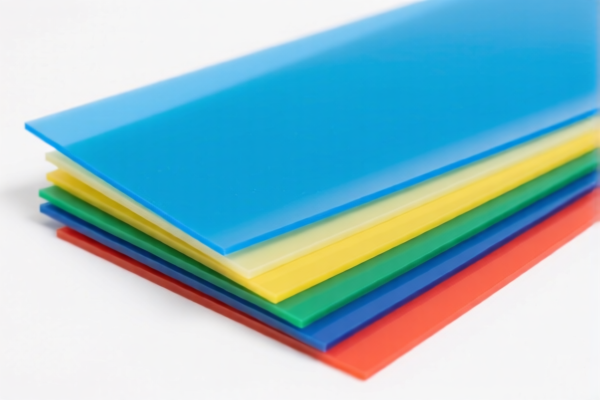
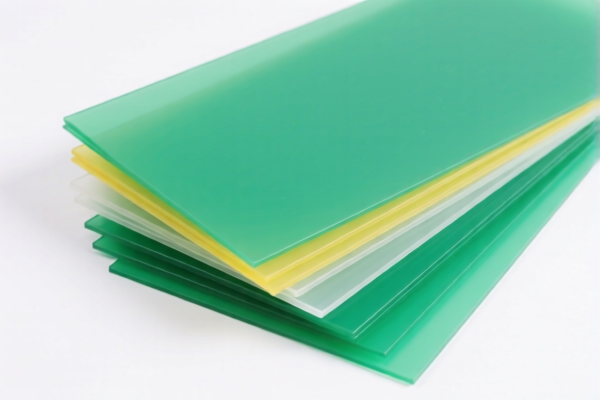
AI分析
🛡️ PVC Plastic Sheet: The Ultimate HS Code Guide & Tariff Breakdown
🌐 HS Code Classification & Customs Clearance Strategy | 2026 Latest Tariff Analysis | Professional Entry Strategy
📌 Part 1: What Exactly is "PVC Plastic Sheet"?
PVC (Polyvinyl Chloride) Plastic Sheets are ubiquitous industrial materials used in construction, signage, packaging, and piping. However, in international trade, "PVC Sheet" is not a single product. It is a broad category that splits into different HS Codes based on form (sheet vs. pipe), application (packaging vs. structural), and material composition.
⚠️ Critical Distinction Point:
- Is it a flat plate/sheet used for construction or lining? → Look at Chapters 3921.
- Is it a packaging item (bags, boxes, laminates)? → Look at Chapter 3923.
- Does it include pipes/hoses? → Look at Chapter 3917.
📦 Part 2: HS Code Classification Matrix (Based on Provided Data)
According to the specific data provided in <DATA>, here are the 5 potential HS Codes for PVC Plastic Sheets, along with their justification and tax rates.
| HS Code | Product Description & Justification | Total Tax Rate | Tax Breakdown |
|---|---|---|---|
| 3923.90.00.80 | PVC Plastic Plate/Packaging Item Material: PVC. Fits the category of plastic packaging or transport articles. |
38.0% | Base: 3.0% Section 301: 25.0% Section 122: 10.0% |
| 3921.12.50.00 | PVC Polymer Sheets/Plates Material: Polyvinyl Chloride polymer. Form: Sheet/Plate. Fits the classification for sheets of vinyl polymers. |
41.5% | Base: 6.5% Section 301: 25.0% Section 122: 10.0% |
| 3921.12.19.50 | PVC Polymer Plates (Other) Material: Vinyl polymer. Form: Board/Plate. Classified under the "Other" catch-all rule for PVC plates. |
40.3% | Base: 5.3% Section 301: 25.0% Section 122: 10.0% |
| 3923.29.00.00 | Other PVC Plastic Articles Material: PVC. Form: Unclear/General. Fits the "Other" catch-all category for plastic articles, no material conflict. |
38.0% | Base: 3.0% Section 301: 25.0% Section 122: 10.0% |
| 3917.23.00.00 | PVC Pipes, Hoses & Tubing Material: PVC. Form: Infered as pipes/hoses/attachments when specific shape is not described. |
38.1% | Base: 3.1% Section 301: 25.0% Section 122: 10.0% |
🔍 Key Insight:
The tax rates vary between 38.0% and 41.5%. The difference lies entirely in the Base Tariff (3.0% - 6.5%), as the Section 301 (25%) and Section 122 (10%) surcharges are constant for Chinese-origin goods in this context.
- Cheapest:3923.90.00.80&3923.29.00.00(38.0%)
- Most Expensive:3921.12.50.00(41.5%)
💰 Part 3: Detailed Tax Policy Analysis (2026)
✅ Applicable Country: United States (US)
✅ Origin: China (CN)
✅ Effective Date: Post-November 2025 (Current Policy)
🎯 1. The "3-Tier" Tax Structure Explained
For all HS codes listed above, the total tax is a sum of three distinct components:
| Component | Rate | Legal Basis | Explanation |
|---|---|---|---|
| Base Tariff | 3.0% – 6.5% | HTSUS General Rate | The standard Most Favored Nation (MFN) duty. Varies by specific sub-heading. |
| Section 301 Tariff | +25.0% | 19 CFR § 1221 | Imposed on Chinese goods under the "Section 301 Investigatory Actions." Applies to most plastic products. |
| Section 122 Tariff | +10.0% | IEEPA / Section 122 | Additional surcharge targeting specific Chinese imports. |
| TOTAL | 38.0% – 41.5% | Sum of Above | This is the final landed cost multiplier. |
📌 Important Note:
- There is no de minimis exemption for these goods if they fall under these specific HS codes with high tariffs.
- No Free Trade Agreement (FTA) benefits apply (China is not part of US FTA network).
🛠️ Part 4: Customs Clearance Strategy & Pitfalls
✅ 1. Documentation Checklist (Must-Haves)
| Document | Requirement | Purpose |
|---|---|---|
| Product Spec Sheet | Must specify: PVC Type (e.g., Rigid/Flexible), Thickness, Width, Application | Determines if it’s a "Sheet" (3921) or "Packaging" (3923). |
| Commercial Invoice | Clearly state "PVC Plastic Sheet" or "PVC Film" – avoid vague terms like "Plastic Part." | Prevents海关 (Customs) from misclassifying as "Other Plastic Articles" (3926) which may have different duties. |
| Photo of Product | Show cross-section, surface texture, and dimensions. | Proves it is a Sheet/Plate (3921) and not a Pipe (3917) or Bag (3923). |
| Certificate of Origin | Essential for proving CN origin to apply the correct Section 301/122 rates. | If origin is misdeclared, you may face penalties or higher tariffs. |
✅ 2. Classification Tips (How to Save Money)
| Scenario | Recommended HS Code | Tax Rate | Why? |
|---|---|---|---|
| Rigid PVC Board for Construction/Signage | 3921.12.50.00 |
41.5% | Correctly identifies it as a polymer sheet. Highest tax, but safest for structural use. |
| PVC Packaging Films/Bags | 3923.90.00.80 |
38.0% | If your "sheet" is actually a flexible film or packaging material, use 3923. Lower tax! |
| Unidentified Plastic Item | 3923.29.00.00 |
38.0% | If the form is ambiguous, this "other" category is often used. Lower base tax (3.0%). |
| PVC Pipes/Hoses | 3917.23.00.00 |
38.1% | If the product is tubular, DO NOT classify as sheet. Misclassification leads to seizure. |
🔥 Golden Rule:
"Shape Dictates Code!"
- Flat & Rigid →3921
- Flexible/Packaging →3923
- Tubular →3917
✅ 3. Common Mistakes & Penalties
❌ Mistake 1: Classifying rigid PVC building panels as 3923 (Packaging).
👉 Risk: Customs will reclassify to 3921 and charge the difference (e.g., 3.5% more) + penalties.
❌ Mistake 2: Ignoring the Section 122 (10%) surcharge.
👉 Risk: Underpayment of duties. The 10% is automatic for these categories from China.
❌ Mistake 3: Calling pipes "Sheets" to avoid the 3917 code.
👉 Risk: High audit rate. Pipes have a specific code. Misdeclaration is a red flag for customs brokers.
🌍 Part 5: Global Market Comparison
| Region | HS Code Reference | Base Duty | Section 301/122? | Total Est. Tax |
|---|---|---|---|---|
| 🇺🇸 USA | 3921.12.50.00 | 6.5% | Yes (+35%) | 41.5% |
| 🇨🇳 China | 3921.12.50.00 | 0-6% | No | ~0-6% |
| 🇪🇺 EU | 3921.12.00 | 6.5% | No | 6.5% |
| 🇯🇵 Japan | 3921.12.00 | 5-6% | No | ~5-6% |
📌 Conclusion:
The US market is extremely costly for PVC products from China due to the 35% total surcharge.
- Strategy: If possible, source PVC sheets from Vietnam, Mexico, or Thailand to avoid Section 301/122 tariffs (verify rules of origin strictly).
- Optimization: If the product is flexible packaging, use3923.90.00.80to save 3.5% compared to rigid sheets (3921).
📌 Part 6: Final Clearance Advice
- Verify Material: Ensure the "PVC" is indeed Polyvinyl Chloride. If it contains additives (>40% rubber/plastic), it may change classification.
- Describe Precisely: In your invoice, write: "Rigid PVC Plastic Sheet, 2mm thickness, for industrial lining, Made in China."
- Check Section 122: Confirm if the specific HS code is still subject to Section 122. Policies can shift.
- Consult a Broker: With a 41.5% tax rate, a small error in classification can cost thousands. Use a licensed US Customs Broker.
🎯 Conclusion: Precision Saves Profits
🎯 Key Takeaway:
🔹 "Rigid Sheet = 3921 (41.5%) | Packaging = 3923 (38.0%) | Pipe = 3917 (38.1%)"
🔹 Always add 35% (301+122) to the base tax for China-origin goods.
🔹 Flexibility (Packaging) saves money vs. Rigidity (Construction).
📌 Pro Tip:
If your PVC sheet is used solely for packaging, insist on classifying it under 3923 to save 3.5% in duties. If it is used for construction, accept 3921 but ensure the material spec is perfect to avoid delays.
✨ Clear Compliance, Clear Savings!
💼 Don’t let tariffs eat your margin. Classify correctly!
用户评价
关于 HS 编码归类
协调制度(HS)是由世界海关组织(WCO)制定的国际贸易商品分类标准。全球 200 多个国家采用 HS 系统作为海关关税、贸易统计和进出口监管的基础。
每个 HS 编码遵循以下层级结构:
- 章(2 位)——商品大类(例如:第 84 章:机器和机械设备)
- 品目(4 位)——章内的更具体分类
- 子目(6 位)——国际通用细分,所有 WCO 成员国统一使用
- 本国细分(8-10 位)——各国自行扩展的细分编码,如美国 HTSUS 10 位编码
正确的 HS 编码归类对于顺利通关、准确缴纳关税和遵守贸易法规至关重要。错误归类可能导致海关延误、多缴关税或罚款。
从CN进口到US时,适用的关税税率可能包括:
- 最惠国(MFN)税率——适用于 WTO 成员国的标准关税税率
- 普通税率——适用于无贸易协定国家
- 贸易救济关税——附加关税,如 301 条款(反倾销)、232 条款(国家安全)或反补贴税
本页内容仅供参考。如需正式归类,请咨询当地海关或持牌报关代理。