pvc textile composite chair pad
CN → US| HS编码 | 关税税率 | 原产国 | 目的国 | 文档 |
|---|---|---|---|---|
| 3918102000 | 40.3% | CN | US | 官方文档 |
| 5903102090 | 35.0% | CN | US | 官方文档 |
| 3918101040 | 40.3% | CN | US | 官方文档 |
| 5903102010 | 35.0% | CN | US | 官方文档 |
| 8708998180 | 12.5% | CN | US | 官方文档 |
商品图片
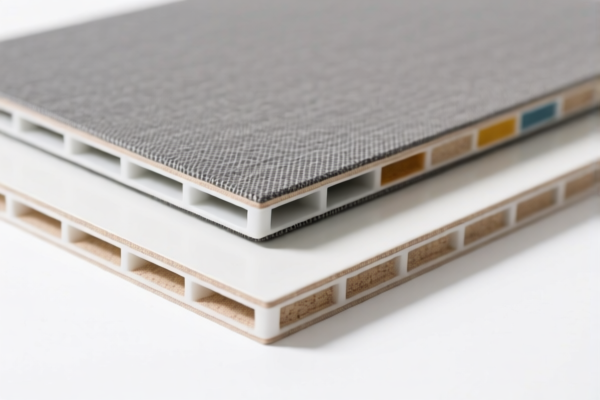
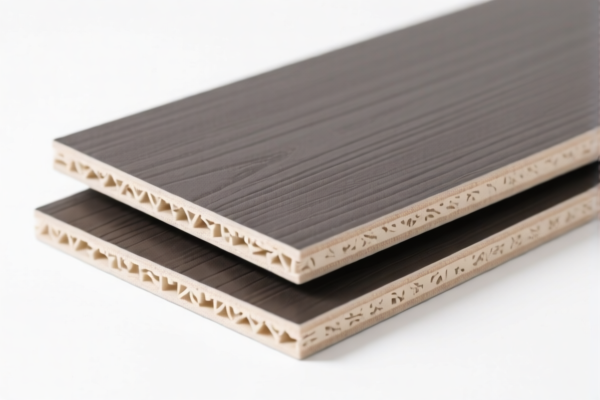
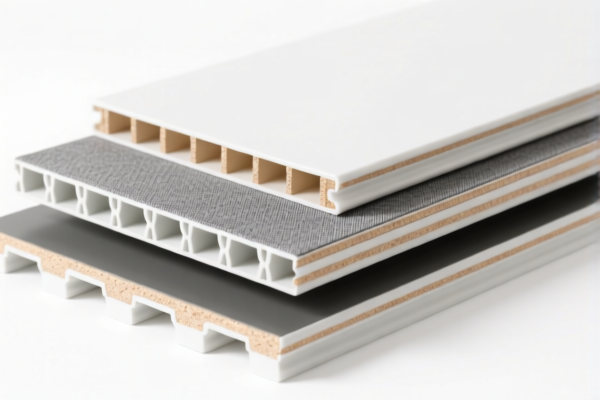

AI分析
🪑 PVC Textile Composite Chair Pad: HS Code Classification & 2026 Tariff Breakdown
🌐 Official HS Code Guide & Customs Clearance Strategy | 2026 US Import Tariff Analysis | Professional Customs Compliance
📌 Product Definition: What is a "PVC Textile Composite Chair Pad"?
This product is a composite item consisting of a textile base (woven fabric) impregnated, coated, or covered with Polyvinyl Chloride (PVC). It is designed specifically for chair seating or floor protection (depending on application).
In international trade, the classification hinges on one critical question:
Is the product primarily a "Textile" (coated) or a "Flooring" (plastic)?
- Scenario A: Coated Fabric (Textile Focus) – If the fabric structure is dominant and the PVC is merely a coating/impregnation for waterproofing or durability, it falls under Chapter 59.
- Scenario B: Flooring/Matting (Plastic Focus) – If the product functions as a floor covering (e.g., chair mats that lie flat) or is rigid enough to be considered plastic flooring, it falls under Chapter 39.
- Scenario C: Automotive Accessories – If marketed specifically for car seat covers or interior car mats, it may fall under Chapter 87.
📦 II. HS Code Classification Details (2026 Official Tariff Schedule)
Below are the exact HS Codes and Tariff Rates derived from the provided dataset. Note the significant difference in tax liability based on classification.
| HS Code | Product Description & Summary | Total Tax Rate | Tax Breakdown |
|---|---|---|---|
| 3918.10.20.00 | Plastic Floor Covering: PVC material, shape is mat or pad. Classified as Plastic Flooring. | 40.3% | Base: 5.3% + Section 301: 25.0% + 122: 10% |
| 5903.10.20.90 | Coated Textile Fabric: PVC material, textile fabric structure. PVC-coated textile category. | 35.0% | Base: 0.0% + Section 301: 25.0% + 122: 10% |
| 3918.10.10.40 | Vinyl Tile/Covering: PVC material, mat shape. Classified as Vinyl Tile/Plastic Covering. | 40.3% | Base: 5.3% + Section 301: 25.0% + 122: 10% |
| 5903.10.20.10 | Impregnated Textile: PVC material, textile fabric. Specifically Impregnated, Coated, or Laminated. | 35.0% | Base: 0.0% + Section 301: 25.0% + 122: 10% |
| 8708.99.81.80 | Automotive Parts: PVC material, seat mat/pad. Classified as Other Parts & Accessories for vehicles. | 12.5% | Base: 2.5% + Section 301: 0.0% + 122: 10% |
🔍 Key Insight:
- Textile Route (5903): Offers a 35.0% rate. The Base Duty is 0%, saving you 5.3% compared to the plastic route.
- Plastic Route (3918): Charges 40.3%. You pay a 5.3% Base Duty plus the Section 301 and 122 surcharges.
- Automotive Route (8708): The most advantageous at 12.5%, BUT only if strictly used for vehicles. Misclassification here risks severe penalties.
💰 III. 2026 Tariff Structure Deep Dive
✅ Market: United States (US)
✅ Origin: China (CN)
✅ Effective Date: Current 2026 Policy Framework
🎯 1. The "Plastic" Trap: HS Codes 3918.10.20.00 & 3918.10.10.40
Total Tax: 40.3%**
| Tax Component | Rate | Legal Source | Explanation |
|---|---|---|---|
| Base Duty | 5.3% | HTSUS 3918.10 | Standard tariff for plastic floor coverings. |
| Section 301 (Add'l) | 25.0% | 19 U.S.C. § 2414 | punitive tariff on Chinese plastic imports. |
| Section 122 (Add'l) | 10.0% | 19 U.S.C. § 2414 | Additional punitive tariff for specific Chinese sectors. |
| Total | 40.3% | Highest Risk Category |
📌 Why it hurts: You are paying a base tariff before the punitive taxes are applied.
🎯 2. The "Textile" Advantage: HS Codes 5903.10.20.90 & 5903.10.20.10
Total Tax: 35.0%**
| Tax Component | Rate | Legal Source | Explanation |
|---|---|---|---|
| Base Duty | 0.0% | HTSUS 5903.10 | Textiles often have 0% base duty. |
| Section 301 (Add'l) | 25.0% | 19 U.S.C. § 2414 | Still applies to PVC-coated textiles. |
| Section 122 (Add'l) | 10.0% | 19 U.S.C. § 2414 | Still applies to Chinese textile products. |
| Total | 35.0% | Savings: 5.3% on every invoice value |
📌 Why it wins: Since the Base Duty is 0%, the punitive taxes are calculated on the same base, but you avoid the initial 5.3% layer.
🎯 3. The "Auto" Loophole: HS Code 8708.99.81.80
Total Tax: 12.5% (ONLY for cars)
| Tax Component | Rate | Legal Source | Explanation |
|---|---|---|---|
| Base Duty | 2.5% | HTSUS 8708.99 | Standard tariff for auto parts. |
| Section 301 (Add'l) | 0.0% | 19 U.S.C. § 2414 | EXEMPT for this specific subheading. |
| Section 122 (Add'l) | 10.0% | 19 U.S.C. § 2414 | Still applies. |
| Total | 12.5% | Best Rate (If eligible) |
⚠️ Warning: This rate is ONLY valid if the chair pad is an automotive accessory (e.g., a car seat cushion, floor mat for a vehicle). If sold for home/office chairs, using this code is Customs Fraud.
🛠️ IV. Customs Clearance Strategy & Actionable Advice
✅ 1. Classification Strategy (How to Choose)
| If your product is... | Recommended HS Code | Expected Tax | Strategy |
|---|---|---|---|
| A generic floor mat or office chair pad (Plastic feel) | 3918.10.20.00 or 3918.10.10.40 |
40.3% | High risk, but accurate for "flooring." |
| A flexible fabric with PVC coating (Textile feel) | 5903.10.20.10 or 5903.10.20.90 |
35.0% | Recommended if the fabric weave is visible/primary. |
| A seat cushion specifically for cars | 8708.99.81.80 |
12.5% | Best Rate if strictly automotive use. |
✅ 2. Documentation Checklist (Critical for Approval)
To prevent re-classification by CBP (Customs and Border Protection) and avoid the 40.3% tax, you MUST provide:
| Document | Purpose | Key Detail to Highlight |
|---|---|---|
| Technical Datasheet | Prove "Textile" vs. "Plastic" | Show the fabric weave ratio vs. PVC layer thickness. If fabric > 50% of weight, argue for 5903. |
| Product Photos | Visual Proof | High-res shots showing the fabric texture underneath the PVC, not just the smooth plastic surface. |
| Bill of Materials | Cost Breakdown | Separate the cost of the Textile from the PVC coating in the invoice. |
| Intended Use Statement | Application Proof | For 8708, provide a Sales Contract or PO specifying "Automotive Use Only." |
| Composition Analysis | Lab Report | A third-party lab report confirming the % of PVC vs. Fabric. |
✅ 3. Common Pitfalls & Avoidance
| ❌ Mistake | ⚠️ Consequence | ✅ Solution |
|---|---|---|
| Calling it "Floor Mat" when it's a fabric chair pad | CBP reclassifies to 3918 (40.3%) |
Clearly label as "Textile-Based Chair Pad" on the invoice. |
Declaring as 8708 (Auto) for home chairs |
Seizure, Fraud Penalty, 40.3% Tax | NEVER use auto codes for non-auto products. |
| Ignoring Section 122 | Unexpected 10% surcharge | Always calculate tax as Base + 25% + 10%. |
| Vague Description ("Plastic Pad") | CBP assumes worst case (Plastic) | Be specific: "PVC-Coated Woven Fabric Chair Mat". |
🌍 V. Global Market Comparison (2026)
| Destination | Best HS Code | Total Tax | Notes |
|---|---|---|---|
| 🇺🇸 USA | 5903.10.20.10 |
35.0% | Avoid 3918 to save 5.3%. |
| 🇺🇸 USA (Auto Only) | 8708.99.81.80 |
12.5% | Lowest rate, strict eligibility. |
| 🇨🇳 China | Varies | ~0% - 10% | Base tariffs are lower, no Section 301/122. |
| 🇪🇺 EU | Varies | ~0% - 6% | No Section 301/122, but VAT applies. |
| 🇯🇵 Japan | Varies | ~0% - 4% | Generally lower punitive taxes. |
📌 Conclusion: For US imports, classification as Textile (
5903) is the smartest financial move for general chair pads, offering a 5.3% direct savings over the Plastic (3918) classification.
📌 VI. Final Verdict & Next Steps
🎯 The Golden Rule:
"If you can see the weave, it's Textile (5903). If it's just plastic, it's Flooring (3918). If it goes in a car, it's Auto (8708)."
🚀 Action Plan:
- Review Product Specs: Determine the primary material composition (Fabric vs. Plastic).
- Select HS Code: Choose
5903.10.20.10(Textile) for the lowest legal tax (35.0%) unless it is automotive. - Prepare Docs: Create a Material Composition Report to prove the textile content to CBP.
- Avoid Fraud: Do not use
8708unless 100% of units are for vehicles.
✨ Smart Customs, Smart Savings!
💼 Don't let a 5.3% tariff gap eat your profit margins!
📞 Consult a Customs Broker today to validate your HS Code.
Disclaimer: This guide is based on the provided 2026 tariff data. Regulations change frequently. Always verify with a licensed customs broker.
用户评价
关于 HS 编码归类
协调制度(HS)是由世界海关组织(WCO)制定的国际贸易商品分类标准。全球 200 多个国家采用 HS 系统作为海关关税、贸易统计和进出口监管的基础。
每个 HS 编码遵循以下层级结构:
- 章(2 位)——商品大类(例如:第 84 章:机器和机械设备)
- 品目(4 位)——章内的更具体分类
- 子目(6 位)——国际通用细分,所有 WCO 成员国统一使用
- 本国细分(8-10 位)——各国自行扩展的细分编码,如美国 HTSUS 10 位编码
正确的 HS 编码归类对于顺利通关、准确缴纳关税和遵守贸易法规至关重要。错误归类可能导致海关延误、多缴关税或罚款。
从CN进口到US时,适用的关税税率可能包括:
- 最惠国(MFN)税率——适用于 WTO 成员国的标准关税税率
- 普通税率——适用于无贸易协定国家
- 贸易救济关税——附加关税,如 301 条款(反倾销)、232 条款(国家安全)或反补贴税
本页内容仅供参考。如需正式归类,请咨询当地海关或持牌报关代理。