pvc textile composite sheets vegetable fiber predominant
CN → US| HS编码 | 关税税率 | 原产国 | 目的国 | 文档 |
|---|---|---|---|---|
| 5903102090 | 35.0% | CN | US | 官方文档 |
| 3921121910 | 40.3% | CN | US | 官方文档 |
| 3921121500 | 41.5% | CN | US | 官方文档 |
| 5903103000 | 37.7% | CN | US | 官方文档 |
| 3920435000 | 39.2% | CN | US | 官方文档 |
商品图片

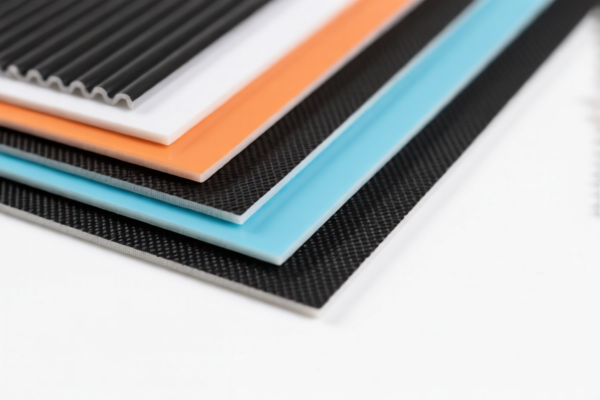
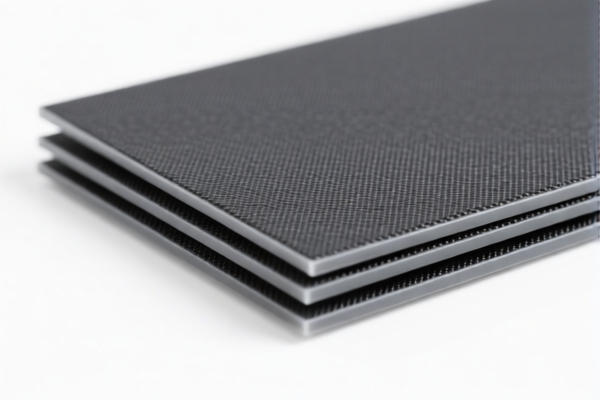
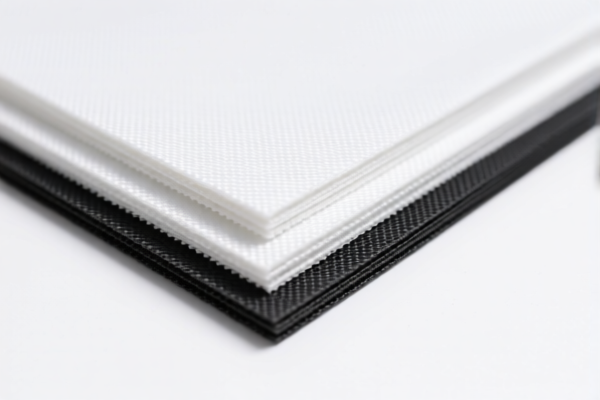
AI分析
🌿 PVC Textile Composite Sheets with Vegetable Fiber Predominant
🌐 HS Code Classification & Customs Clearance Guide | 2026 Updated Tariff Analysis | Expert-Level Import Strategy
📌 One, Product Definition & Classification: What Exactly Is This Material?
PVC textile composite sheets with vegetable fiber predominant are advanced hybrid materials combining polyvinyl chloride (PVC) with natural plant-based fibers (e.g., jute, hemp, cotton, bamboo) as the primary structural component. These materials are used in industrial, construction, and decorative applications such as flooring, wall coverings, roofing membranes, and protective linings.
⚠️ Critical Distinction:
- If vegetable fibers dominate the fiber composition and the material is coated, impregnated, laminated, or covered with PVC → Classified under 5903.10 or 3921.12
- If the PVC matrix dominates or the product is non-textile in nature → May fall under 3920.43 (PVC sheets)
- If the composite is layered or reinforced → May trigger higher tariff treatment
📦 Two, HS Code Classification Breakdown (2026 Updated Tariff Authority)
| HS Code | Product Description | Applicable Use Cases | Fiber Composition | Coating/Lamination Status |
|---|---|---|---|---|
5903.10.20.90 |
PVC textile composite sheets, vegetable fiber predominant, immersed, coated, covered, or laminated textile fabric | Flooring, insulation, industrial linings | ✅ Vegetable fiber > 50% | ✅ Coated/impregnated with PVC |
3921.12.19.10 |
PVC textile composite sheets, vegetable fiber predominant, in sheet form, meeting specific fiber composition criteria | Roofing, wall panels, protective sheets | ✅ Vegetable fiber > 50% | ✅ Sheet form, PVC composite |
3921.12.15.00 |
PVC textile composite sheets, vegetable fiber predominant, combined with synthetic fibers, but vegetable fiber dominant | Reinforced linings, durable textiles | ✅ Vegetable fiber > synthetic | ✅ Composite with textile structure |
5903.10.30.00 |
PVC textile composite sheets, vegetable fiber predominant, coated or covered textile fabric | Decorative panels, temporary barriers | ✅ Vegetable fiber > 50% | ✅ Coating only (not laminated) |
3920.43.50.00 |
PVC textile composite sheets, vegetable fiber predominant, non-reinforced, non-laminated, PVC-based sheet material | Flexible sheets, packaging, non-structural uses | ✅ Vegetable fiber > 50% | ❌ Not layered or reinforced |
🔍 Key Insight:
- All five HS codes apply only if vegetable fibers are the dominant component (typically >50% by weight);
- PVC acts as a coating, binder, or matrix, not the primary fiber;
- Even slight changes in structure (e.g., lamination vs. coating) can shift the HS code and increase tariff by up to 6.5%.
💰 Three, 2026 Updated Tariff Breakdown (With Full Tax Clause Explanation)
✅ Applicable Country: United States (US)
✅ Origin: China (CN)
✅ Effective Date: November 10, 2025 (and ongoing)
✅ Tariff Basis: Section 301, IEEPA, and Section 122 of the Trade Act
🎯 1. 5903.10.20.90 — Coated/Impregnated Textile Fabric (Vegetable Fiber Predominant)
| Item | Detail |
|---|---|
| Base Duty | 0.0% (ad valorem) |
| Section 301 (USITC) Additional Duty | +25.0% |
| Section 122 (IEEPA) Additional Duty | +10.0% |
| Total Effective Duty | 35.0% |
| Tax Calculation | CIF Value × 35.0% |
| De Minimis Threshold | ❌ Not eligible (denied under U.S. 19 CFR § 10.19) |
| Legal Basis Path | IEEPA:9903.01.25 → IEEPA:9903.01.24 → USITC:5903.10.20.90 → FOOTNOTE:9903.88.01 |
📌 Explanation:
- 25% USITC (Section 301): Imposed under the U.S. Trade Representative’s investigation into unfair Chinese trade practices (e.g., IP theft, forced tech transfer).
- 10% IEEPA (Section 122): Based on the International Emergency Economic Powers Act, targeting China’s "strategic competition" with the U.S.
- Total 35% — High-risk category; must be budgeted for.
🎯 2. 3921.12.19.10 — Sheet Form, Vegetable Fiber Predominant (Specific Fiber Composition)
| Item | Detail |
|---|---|
| Base Duty | 5.3% |
| Section 301 (USITC) Additional Duty | +25.0% |
| Section 122 (IEEPA) Additional Duty | +10.0% |
| Total Effective Duty | 40.3% |
| Tax Calculation | CIF Value × 40.3% |
| De Minimis Threshold | ❌ Not eligible |
| Legal Basis Path | IEEPA:9901.25 → IEEPA:9903.01.24 → USITC:3921.12.19.10 → FOOTNOTE:9903.88.01 |
📌 Explanation:
- Higher base duty (5.3%) due to classification as a PVC-based composite sheet with textile characteristics;
- Same 25% + 10%附加 taxes apply;
- Total 40.3% — One of the highest tariffs in this category.
🎯 3. 3921.12.15.00 — Combined with Synthetic Fibers (Vegetable Fiber Dominant)
| Item | Detail |
|---|---|
| Base Duty | 6.5% |
| Section 301 (USITC) Additional Duty | +25.0% |
| Section 122 (IEEPA) Additional Duty | +10.0% |
| Total Effective Duty | 41.5% |
| Tax Calculation | CIF Value × 41.5% |
| De Minimis Threshold | ❌ Not eligible |
| Legal Basis Path | IEEPA:9901.25 → IEEPA:9903.01.24 → USITC:3921.12.15.00 → FOOTNOTE:9903.88.01 |
📌 Explanation:
- Highest base duty (6.5%) due to mixed fiber composition (vegetable + synthetic);
- Still subject to 25% + 10% — Total 41.5% — Most expensive option;
- Even if vegetable fiber dominates, the presence of synthetic fibers increases base duty.
🎯 4. 5903.10.30.00 — Coated or Covered Textile Fabric (No Lamination)
| Item | Detail |
|---|---|
| Base Duty | 2.7% |
| Section 301 (USITC) Additional Duty | +25.0% |
| Section 122 (IEEPA) Additional Duty | +10.0% |
| Total Effective Duty | 37.7% |
| Tax Calculation | CIF Value × 37.7% |
| De Minimis Threshold | ❌ Not eligible |
| Legal Basis Path | IEEPA:9903.01.25 → IEEPA:9903.01.24 → USITC:5903.10.30.00 → FOOTNOTE:9903.88.01 |
📌 Explanation:
- Lower base duty (2.7%) because it’s not laminated, only coated;
- Still 25% + 10% — Total 37.7%;
- Best option if structure is simple coating, not layering.
🎯 5. 3920.43.50.00 — Non-Reinforced, Non-Laminated PVC Composite Sheet
| Item | Detail |
|---|---|
| Base Duty | 4.2% |
| Section 301 (USITC) Additional Duty | +25.0% |
| Section 122 (IEEPA) Additional Duty | +10.0% |
| Total Effective Duty | 39.2% |
| Tax Calculation | CIF Value × 39.2% |
| De Minimis Threshold | ❌ Not eligible |
| Legal Basis Path | IEEPA:9901.25 → IEEPA:9903.01.24 → USITC:3920.43.50.00 → FOOTNOTE:9903.88.01 |
📌 Explanation:
- PVC-based sheet with vegetable fiber as filler or reinforcement;
- Not textile in nature, so not subject to textile-specific rules;
- Still subject to 25% + 10% — Total 39.2%.
🛠️ Four, Customs Clearance Best Practices (Pro Tips to Avoid Penalties)
✅ 1. Required Documentation (MUST-HAVE)
| Document | Required? | Notes |
|---|---|---|
| ✅ Product Specification Sheet | ✔️ | Must include fiber composition %, PVC content, thickness, coating method |
| ✅ Material Safety Data Sheet (MSDS) | ✔️ | Especially for PVC (toxicity, VOCs) |
| ✅ Lab Test Report (Fiber Composition) | ✔️ | Prove vegetable fiber >50% by weight |
| ✅ Product Photos (with label) | ✔️ | Show structure, surface finish, thickness |
| ✅ Commercial Invoice | ✔️ | Clearly state “PVC Textile Composite Sheet, Vegetable Fiber Predominant” |
| ✅ Certificate of Origin (CO) | ✔️ | If from non-China origin (e.g., Vietnam, Mexico), may qualify for IEEPA exemption |
| ✅ Packing List | ✔️ | Show total weight, volume, and packaging type |
✅ 2.申报技巧(Key Rules to Remember)
🔥 “Fiber First, Structure Second, Tax Last!”
| Scenario | Correct HS Code | Wrong Choice | Risk |
|---|---|---|---|
| Vegetable fiber >50%, coated with PVC | 5903.10.20.90 or 5903.10.30.00 |
3920.43.50.00 |
Higher tax |
| Vegetable fiber >50%, laminated | 3921.12.19.10 or 3921.12.15.00 |
5903.10.20.90 |
Lower base duty → underpayment |
| Mixed fibers (vegetable + synthetic) | 3921.12.15.00 |
3921.12.19.10 |
Higher base duty |
| Non-laminated, non-reinforced sheet | 3920.43.50.00 |
5903.10.30.00 |
Lower base duty → underpayment |
✅ 3. Special Cases & Workarounds
| Situation | Solution |
|---|---|
| Origin is Vietnam/Mexico | Apply for IEEPA exemption → 0% additional duty → Total duty = base duty only |
| Low-volume shipment (<$2,500) | Still not eligible for de minimis (U.S. 19 CFR § 10.19) → Must pay full 35%+ |
| Customs Audit Risk | Submit advance ruling request (Pre-ruling) to confirm HS code |
| Product is recycled or biodegradable | May qualify for green tariff incentives (check USTR updates) |
🌍 Five, Global Market Tariff Comparison (2026)
| Country/Region | Recommended HS Code | Tariff | Certification | Notes |
|---|---|---|---|---|
| 🇺🇸 USA | 5903.10.20.90 to 3920.43.50.00 |
35.0% – 41.5% | None (but test reports required) | Highest risk; no de minimis |
| 🇨🇳 China | 3921.12.19.10 |
5% | CCC, RoHS | No additional duties |
| 🇪🇺 EU | 5903.10.20.90 |
0% (if CE) | CE, REACH | No IEEPA/Section 301 |
| 🇦🇺 Australia | 3921.12.19.10 |
5% | RCM | No additional duties |
| 🇯🇵 Japan | 5903.10.20.90 |
0% | PSE | No extra taxes |
📌 Conclusion:
- U.S. is the only market imposing 25% + 10% additional duties on this product;
- China-origin shipments face 35%–41.5% total tariff — extremely high;
- Consider shifting origin to Vietnam/Mexico to avoid IEEPA/Section 301.
📌 Six, Common Mistakes & How to Avoid Them (Real-World Risks)
❌ Mistake 1: Misclassifying a laminated sheet as coated only
👉 Result: Underpaid duty → Penalty + interest + seizure
❌ Mistake 2: Not proving vegetable fiber >50%
👉 Result: Incorrect HS code → Reclassification + back taxes
❌ Mistake 3: Using “PVC sheet” as product name without fiber proof
👉 Result: Customs delays or rejection
❌ Mistake 4: Assuming de minimis applies
👉 Result: $2,500 threshold does NOT apply — must pay full 35%+
✅ Correct Way to Declare:
“PVC Textile Composite Sheet, Vegetable Fiber Predominant (75% jute, 25% PVC), Coated, 2mm Thickness, for Industrial Flooring, Model XYZ, Test Report Attached, CO from China”
🎯 Seven, Final Verdict: Precision Pays Off!
🎯 Remember the Golden Rule:
🔹 “Fiber First, Structure Second, Tax Last!”
🔹 “One wrong HS code = 6.5% more in tax, 100% risk of penalty!”
📌 Pro Tip:
📞 Request an Advance Ruling (Pre-Approval) from U.S. Customs before shipment — costs $500–$1,500, but saves $50,000+ in penalties.
📣 Act Now!
🚀 Contact a U.S.-licensed customs broker + submit product samples + request HS code pre-ruling
💼 Ensure your PVC textile composite sheets clear customs smoothly, avoid fines, and protect your profit margin!
✨ Smart Importing Starts with Accurate Classification!
💼 Your bottom line depends on every decimal point in the tariff!
用户评价
关于 HS 编码归类
协调制度(HS)是由世界海关组织(WCO)制定的国际贸易商品分类标准。全球 200 多个国家采用 HS 系统作为海关关税、贸易统计和进出口监管的基础。
每个 HS 编码遵循以下层级结构:
- 章(2 位)——商品大类(例如:第 84 章:机器和机械设备)
- 品目(4 位)——章内的更具体分类
- 子目(6 位)——国际通用细分,所有 WCO 成员国统一使用
- 本国细分(8-10 位)——各国自行扩展的细分编码,如美国 HTSUS 10 位编码
正确的 HS 编码归类对于顺利通关、准确缴纳关税和遵守贸易法规至关重要。错误归类可能导致海关延误、多缴关税或罚款。
从CN进口到US时,适用的关税税率可能包括:
- 最惠国(MFN)税率——适用于 WTO 成员国的标准关税税率
- 普通税率——适用于无贸易协定国家
- 贸易救济关税——附加关税,如 301 条款(反倾销)、232 条款(国家安全)或反补贴税
本页内容仅供参考。如需正式归类,请咨询当地海关或持牌报关代理。