raw bovine hide butts
CN → US| HS编码 | 关税税率 | 原产国 | 目的国 | 文档 |
|---|---|---|---|---|
| 4101901010 | 17.5% | CN | US | 官方文档 |
| 4101901020 | 17.5% | CN | US | 官方文档 |
| 4104115080 | 13.3% | CN | US | 官方文档 |
| 4104195080 | 13.3% | CN | US | 官方文档 |
商品图片
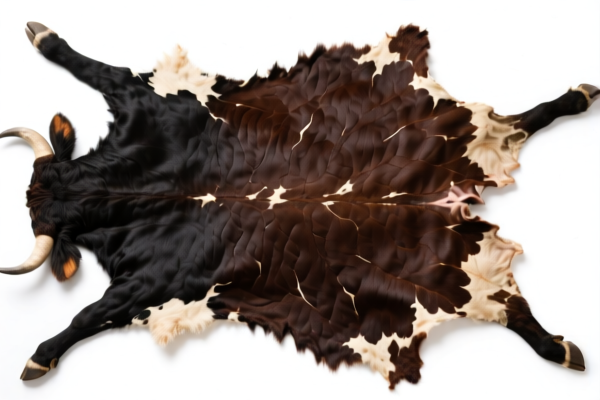
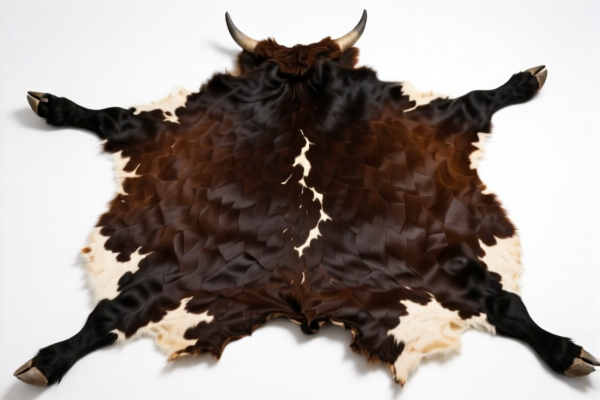
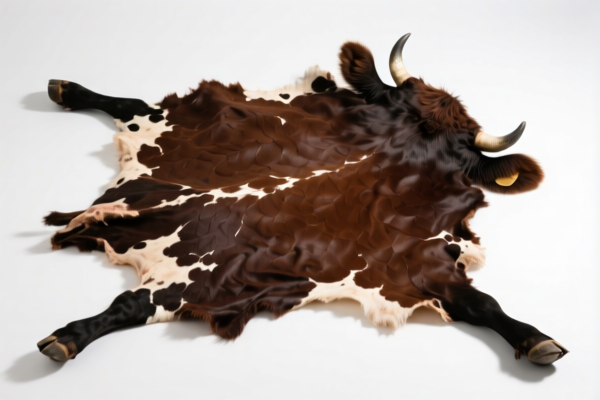
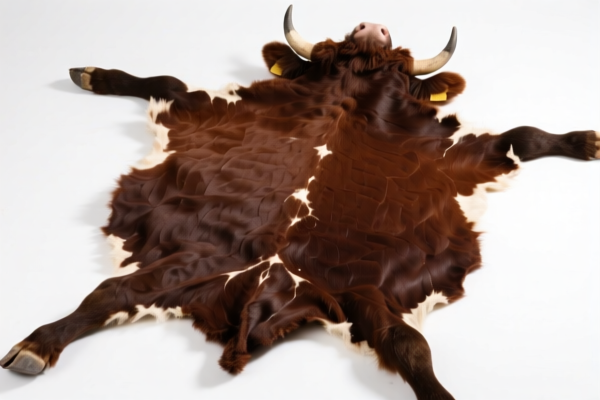
AI分析
🐄 Raw Bovine Hide Butts (Fresh/Preserved)
🌐 HS Code Reference & Customs Clearance Guide | 2026 Latest Tariff Analysis | Professional Clearance Strategy
📌 I. Product Definition & Classification: What Exactly are "Bovine Hide Butts"?
Bovine Hide Butts refer specifically to the butt section of raw bovine hides (cowhide). In the leather industry, the hide is divided into distinct zones: the shoulder, flank, belly, and the butt. The butt is considered the highest quality section due to its dense fiber structure, uniform thickness, and lack of wrinkles or stretch marks, making it ideal for premium leather goods like bags, belts, and high-end footwear.
In international trade, these raw hides are classified based on their state of preservation (fresh vs. wet/salted) and processing level. The following HS Codes apply strictly to Raw Bovine Hide Butts under current tariff regulations.
⚠️ Key Distinction:
- If the hide is freshly slaughtered and not preserved → Falls under 4101.90.10.xx
- If the hide is salted, pickled, or kept in a wet state to prevent decay → Falls under 4104.11.50.80 or 4104.19.50.80
📦 II. HS Code Classification Details (2026 Latest Tariff Authority Reference)
| HS Code | Product Description | State/Condition | Applicable Scenario |
|---|---|---|---|
4101.90.10.10 |
Fresh Bovine Hide Butts (Specific Part) | Fresh (Unpreserved) | Immediately post-slaughter, chilled, not salted yet. High-end raw material. |
4101.90.10.20 |
Fresh Bovine Hide Butts (Other Parts) | Fresh (Unpreserved) | General fresh hide butts not meeting the specific sub-category criteria. |
4104.11.50.80 |
Wet/Salted Bovine Hide Butts | Wet State (Preserved) | Salted, pickled, or chemically preserved to maintain freshness during transport. |
4104.19.50.80 |
Unprocessed Wet Bovine Hides | Wet State (Primary Form) | Raw hides in wet state, not further processed into leather, falling under "other" wet hides. |
🔍 Important Reminder:
- Fresh hides are highly perishable and require cold-chain logistics; they are classified under Chapter 41, Heading 4101.
- Wet/salted hides are stable for shipping and are classified under Chapter 41, Heading 4104 (Tanned or Crust Leather, but specifically raw wet skins in this context per the provided data).
- Do not confuse with "Crust Leather" or "Finished Leather" (which would fall under 4104.xx.xx.xx with different tax rates). These are raw materials.
💰 III. 2026 Latest Tariff Rate Breakdown (Including Surtaxes & Policy Add-ons)
✅ Applicable Country: United States (US)
✅ Origin: China (CN)
✅ Effective Date: 2025 November 10 onwards (for subsequent imports)
🎯 1. 4101.90.10.10 & 4101.90.10.20 —— Fresh Bovine Hide Butts
| Item | Content |
|---|---|
| Base Tariff | 0.0% (ad valorem) |
| Section 301 Surtax | +7.5% |
| Section 122 Tariff | +10.0% |
| Total Tariff Rate | 17.5% |
| Tax Calculation | CIF Value × 17.5% |
| De Minimis Exemption | ❌ Not Applicable (Not eligible for low-value shipment exemptions) |
| Legal Basis Path | USITC:4101.90.10.10/20 → Section 301: Footnote 1 → Section 122: Authority |
📌 Explanation:
- Base 0%: Raw hides generally have low base tariffs to support domestic tanning industries.
- Section 301 (7.5%): Standard surtax on many Chinese industrial raw materials.
- Section 122 (10%): Additional duty under Section 122 of the Trade Act of 1974, often applied to strategic commodities.
- Total 17.5%: This is the final landed cost multiplier for fresh hides.
🎯 2. 4104.11.50.80 & 4104.19.50.80 —— Wet/Salted Bovine Hide Butts
| Item | Content |
|---|---|
| Base Tariff | 3.3% (ad valorem) |
| Section 301 Surtax | 0.0% |
| Section 122 Tariff | +10.0% |
| Total Tariff Rate | 13.3% |
| Tax Calculation | CIF Value × 13.3% |
| De Minimis Exemption | ❌ Not Applicable |
| Legal Basis Path | USITC:4104.xx.xx.xx → Section 122: Authority |
📌 Explanation:
- Base 3.3%: Wet/salted hides have a slightly higher base tariff than fresh ones.
- No Section 301: Interestingly, wet/salted hides under these specific codes may be exempt from the additional 301 surtax.
- Section 122 (10%): Still applies, bringing the total to 13.3%.
- Savings Alert: Choosing the correct HS Code for wet/salted hides can save 4.2% in tariffs compared to fresh hides.
🛠️ IV. Customs Clearance Practical Advice (Pitfall Avoidance Guide)
✅ 1. Required Documentation Checklist (Mandatory)
| Document | Must Provide | Description |
|---|---|---|
| ✅ Commercial Invoice | ✔️ | Must clearly state "Raw Bovine Hide Butts," weight, and country of origin. |
| ✅ Packing List | ✔️ | Detail number of hides, gross/net weight, and preservation method (Fresh vs. Salted). |
| ✅ Health Certificate / Veterinary Certificate | ✔️ | Critical for fresh hides. Must certify disease-free status (e.g., Foot-and-Mouth Disease free zone). |
| ✅ Cold Chain Logs | ✔️ | For fresh hides, proof of temperature control during transit is often required. |
| ✅ Salt Content Declaration | ✔️ | For wet hides, declare salt percentage if required by USDA/APHIS. |
| ✅ Bill of Lading / Air Waybill | ✔️ | Standard shipping document. |
✅ 2. Declaration Tips (Key Mnemonics)
🔥 “Fresh Needs Vet, Wet Needs Salt, HS Code Decides Tax!”
| Scenario | Correct HS Code | Incorrect Action | Consequence |
|---|---|---|---|
| Fresh Hide (Chilled, no salt) | 4101.90.10.10 or 4101.90.10.20 |
Declare as "Wet Hide" | Penalty + Rejection by USDA. |
| Salted Pickle Hide | 4104.11.50.80 |
Declare as "Fresh Hide" | 17.5% vs 13.3% tax difference. Overpayment. |
| Half-Tanned/Chrome Tanned | Not applicable (These HS codes) | Declare under 4104.xx for raw | Classification Error → Seizure. |
| Dried Hide | Not in current data set | Declare as "Wet" | Rejection if moisture content is too low. |
📌 Note:
- Fresh hides require strict USDA APHIS inspection. Ensure the importer has an Establishment Number from USDA.
- Wet hides are less regulated regarding disease but must meet salt preservation standards to prevent rot during transit.
✅ 3. Special Circumstances
| Situation | Handling Advice |
|---|---|
| OEM Custom Cut Hides | Provide diagrams showing the "Butt" section. Mislabeling (e.g., calling flank "butt") can lead to inspection delays. |
| Mixed Shipments (Fresh + Wet) | Declare separately. Fresh hides cannot be commingled with wet hides in the same entry without proper segregation. |
| High-Value Premium Hides | Consider applying for Advance Ruling if unsure between 4101.90.10.10 and .20. The tax is the same, but description accuracy prevents audits. |
| Transshipment via Third Country | Ensure Certificate of Origin proves China origin. Transshipment does not exempt Section 122 tariffs. |
🌍 V. Global Market Comparison (2026 Latest)
| Country/Region | Recommended HS Code | Tariff Rate | Certification | Notes |
|---|---|---|---|---|
| 🇺🇸 USA | 4101.90.10.10 (Fresh) |
17.5% | USDA APHIS | High inspection strictness. |
| 🇺🇸 USA | 4104.11.50.80 (Wet) |
13.3% | USDA APHIS | Slightly lower tax, easier logistics. |
| 🇨🇳 China | 4101.90.10.10 |
~5-10% | N/A | Import duty varies; not covered in US data. |
| 🇪🇺 EU | 4101.90.10 |
0-6% | EU Health Certificate | No Section 122/301 equivalents. |
| 🇬🇧 UK | 4101.90.10 |
0-6% | UK Health Certificate | Post-Brexit rules apply. |
📌 Conclusion:
- The US market imposes the highest effective tariff (17.5%) on fresh bovine hide butts due to Section 122 and 301 taxes.
- Wet/salted hides offer a 4.2% tariff advantage (13.3% vs 17.5%).
- For exporters, choosing the preservation method (fresh vs. salted) can impact both logistics cost (cold chain vs. room temp) and tariff burden.
📌 VI. Common Mistakes & Pitfalls (Lessons Learned)
❌ Mistake 1: Declaring "Salted Hides" as "Fresh Hides"
👉 Consequence: USDA will reject the shipment because salted hides do not meet the biological freshness criteria for veterinary inspection under the fresh category. Return/Destroy.
❌ Mistake 2: Using Generic "Raw Leather" Description
👉 Consequence: Customs may classify under a higher duty code (e.g., unfinished leather) leading to higher tax and delays. Be specific: "Raw Bovine Hide Butts."
❌ Mistake 3: Ignoring Section 122 Tariff Applicability
👉 Consequence: Many importers forget that Section 122 (10%) applies to both fresh and wet hides. Assuming 0% or only 301 tax leads to unexpected bills.
✅ Correct Practice:
"Raw Bovine Hide Butts, Fresh, Chilled, No Salt, Origin: China, HS Code: 4101.90.10.10, USDA Certified, CIF Value: $X"
🎯 VII. Conclusion: Professional Declaration, Cost Optimization!
🎯 Remember the Mnemonic:
🔹 “Fresh is 17.5%, Wet is 13.3%!”
🔹 “Section 122 is on Both, 301 is Only on Fresh!”
🔹 “HS Code Precision Saves You Thousands!”
📌 Pro Tip:
If your shipment volume is large, consider processing hides into wet/salted state before export to US. This can:
1. Reduce Tariff by 4.2% (from 17.5% to 13.3%).
2. Simplify Logistics (No cold chain needed).
3. Reduce Spoilage Risk.
📣 Immediate Action:
📞 Contact your customs broker with the exact state of your hides (Fresh vs. Wet/Salted).
🚀 Get a Pre-Ruling if unsure about the HS Code to avoid clearance delays.
💼 Your profit margin depends on accurate classification!
✨ Professional Customs Clearance Starts with Accurate Classification!
💼 Every Cent Saved in Tariffs is Pure Profit!
用户评价
关于 HS 编码归类
协调制度(HS)是由世界海关组织(WCO)制定的国际贸易商品分类标准。全球 200 多个国家采用 HS 系统作为海关关税、贸易统计和进出口监管的基础。
每个 HS 编码遵循以下层级结构:
- 章(2 位)——商品大类(例如:第 84 章:机器和机械设备)
- 品目(4 位)——章内的更具体分类
- 子目(6 位)——国际通用细分,所有 WCO 成员国统一使用
- 本国细分(8-10 位)——各国自行扩展的细分编码,如美国 HTSUS 10 位编码
正确的 HS 编码归类对于顺利通关、准确缴纳关税和遵守贸易法规至关重要。错误归类可能导致海关延误、多缴关税或罚款。
从CN进口到US时,适用的关税税率可能包括:
- 最惠国(MFN)税率——适用于 WTO 成员国的标准关税税率
- 普通税率——适用于无贸易协定国家
- 贸易救济关税——附加关税,如 301 条款(反倾销)、232 条款(国家安全)或反补贴税
本页内容仅供参考。如需正式归类,请咨询当地海关或持牌报关代理。