raw cowhide belly leather
CN → US| HS编码 | 关税税率 | 原产国 | 目的国 | 文档 |
|---|---|---|---|---|
| 4101901010 | 17.5% | CN | US | 官方文档 |
| 4101901020 | 17.5% | CN | US | 官方文档 |
| 4101901010 | 17.5% | CN | US | 官方文档 |
| 4101901020 | 17.5% | CN | US | 官方文档 |
| 4101901010 | 17.5% | CN | US | 官方文档 |
商品图片
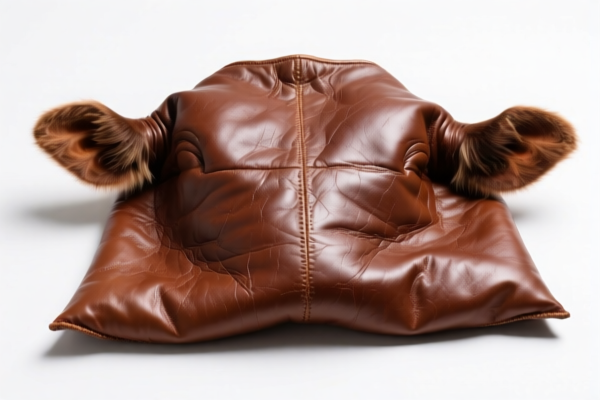
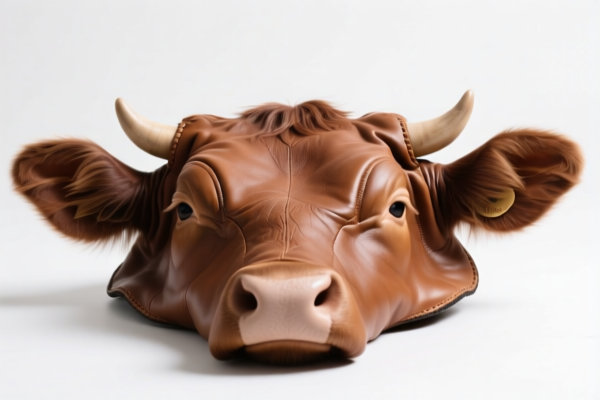
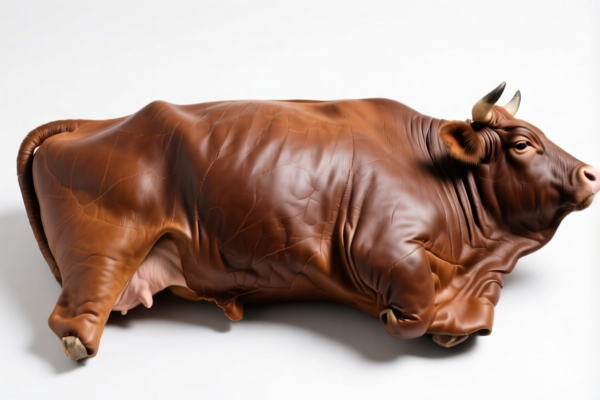
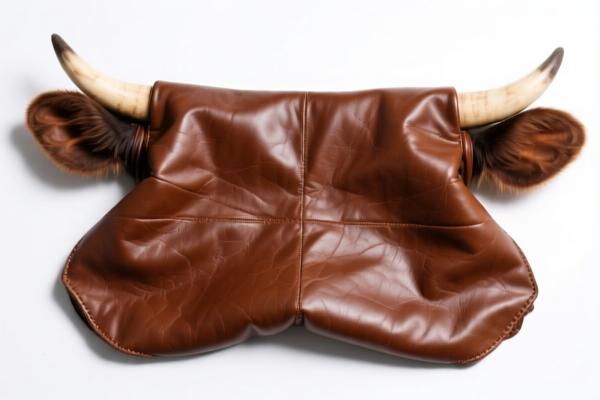
AI分析
🐄 Raw Cowhide Belly Leather (Un-tanned)
🌐 HS Code Reference & Customs Clearance Guide | 2026 Latest Tariff Analysis | Professional Level Strategy
📌 Part 1: Product Definition & Classification: Do You Really Understand "Raw Cowhide Belly Leather"?
Raw Cowhide Belly Leather refers to the abdominal skin of cattle that has not undergone tanning. In international trade, it is strictly classified based on its state of preservation (Fresh vs. Salted) and processing level (Un-pre-tanned). This distinction is critical because minor differences in handling can lead to different HS Codes and, consequently, different tariff treatments.
⚠️ Key Distinction Point:
- If the leather is Fresh or Wet-Salted (preserved with salt to prevent rotting): It falls under specific subheadings for "Fresh/Wet-Salted".
- If the leather is Un-pre-tanned (raw, untreated by tanning agents): It falls under specific subheadings for "Un-pre-tanned".
- Note: Both categories listed in the data share the same tax structure but differ in descriptive precision.
📦 Part 2: HS Code Classification Details (Authoritative Reference for 2026)
Based on the provided data, here is the exact breakdown for Raw Cowhide Belly Leather. Note that while there are two distinct 10-digit codes, their tax implications are identical.
| HS Code | Summary Description | Classification Criteria |
|---|---|---|
4101.90.10.20 |
Raw Cowhide Belly Leather, Un-tanned; Compliant with Cattle, Fresh/Wet-Salted & Belly Skin classification | Focuses on the preservation state (Fresh or Wet-Salted). |
4101.90.10.10 |
Raw Cowhide Belly Leather, Un-tanned; Compliant with Cattle, Un-pre-tanned & Belly Skin classification | Focuses on the processing state (Un-pre-tanned/Raw). |
🔍 Important Reminder:
- Both4101.90.10.10and4101.90.10.20refer to Raw, Un-tanned belly leather from cattle.
- The difference lies in whether the customs documentation emphasizes the preservation method (Wet-Salted/Fresh) or the chemical status (Un-pre-tanned).
- In practice, if your goods are wet-salted,4101.90.10.20is often more descriptive. If emphasizing the raw nature before any tanning,4101.90.10.10applies. Tax rates are identical.
💰 Part 3: 2026 Latest Tariff Rate Breakdown (Including Additional Taxes)
✅ Applicable Country: United States (US)
✅ Origin: China (CN) (Implied by the "Section 122" and "301" context often associated with these specific rate structures in the data)
✅ Effective Time: Current active rates
🎯 1. HS Codes: 4101.90.10.10 & 4101.90.10.20
| Item | Content |
|---|---|
| Base Tariff Rate | 0.0% (Ad Valorem) |
| Section 301 Additional Tariff | +7.5% |
| Section 122 Tariff | +10.0% |
| Total Tariff Rate | 17.5% |
| Tax Calculation | CIF Value × 17.5% |
| De Minimis Exemption | ❌ Not Applicable (High tariff items generally excluded) |
| Legal Basis Path | USITC:4101.90.10.x0 → Section 301: Footnote 4 → Section 122: Authority |
📌 Explanation:
- Base Tariff (0%): Raw hides and skins generally have low base duties to encourage domestic processing.
- Section 301 Tariff (+7.5%): This is the standard "Section 301" tariff for many animal products from China, applied under the USTR lists.
- Section 122 Tariff (+10%): This is a specific additional tariff often applied to certain imports from China to support domestic manufacturing or under specific trade enforcement actions.
- Total Impact: Despite a 0% base rate, the total landed cost increases by 17.5% due to trade remedies. This is a significant cost factor that must be factored into pricing.
🛠️ Part 4: Practical Customs Clearance Advice (Avoid Pitfalls)
✅ 1. Preparation Checklist (Non-Negotiable)
| Document | Required | Description |
|---|---|---|
| ✅ Commercial Invoice | ✔️ | Must clearly state "Raw Cowhide Belly Leather, Un-tanned". Specify if Fresh or Wet-Salted. |
| ✅ Packing List | ✔️ | Detail weight (Net/Gross) and quantity. Hides are often sold by weight. |
| ✅ Certificate of Origin | ✔️ | Essential to determine origin for Section 301/122 applicability. |
| ✅ Treatment/Preservation Statement | ✔️ | Explicitly state if the leather is Fresh or Wet-Salted. This helps determine if 4101.90.10.20 is more appropriate. |
| ✅ Photos of Goods | ✔️ | Show the texture, salt residue (if applicable), and any markings on the hide. |
| ✅ Manufacturer’s Declaration | ✔️ | Confirm that the leather is Un-tanned and has not undergone any pre-tanning processes. |
✅ 2. Declaration Tips (Key Mantra)
🔥 "State the State: Raw, Un-tanned, Salted or Fresh. Don't just say 'Leather'!"
| Scenario | Correct Declaration | Wrong Action |
|---|---|---|
| Wet-Salted Belly Leather | 4101.90.10.20 + "Wet-Salted" |
Mislabeling as "Tanned Leather" → Higher duties & penalties |
| Raw Un-tanned Belly (General) | 4101.90.10.10 + "Un-pre-tanned" |
Using vague terms like "Animal Skin" → Customs hold |
| Partially Tanned? | STOP | If pre-tanned, it may fall under Chapter 41 or 42 with different rates. Ensure it is truly un-tanned. |
✅ 3. Special Situations
| Situation | Handling Advice |
|---|---|
| Mixed Shipments (Belly + Other Parts) | Declare separately if possible. Belly leather has specific codes. Mixing with back/side hides can complicate valuation. |
| Strong Odor/Salt Leakage | Ensure packaging is leak-proof. Customs may inspect for phytosanitary issues (though less common for hides than plants). |
| Destination Country Change | If not shipping to the US, these specific Section 301/122 rates do not apply. Check the local tariff schedule. |
🌍 Part 5: Global Market Comparison (2026 Latest)
| Country/Region | Recommended HS Code | Base Tariff | Additional Taxes | Remarks |
|---|---|---|---|---|
| 🇺🇸 USA | 4101.90.10.10 / .20 |
0% | 17.5% (301+122) | High cost due to trade remedies. |
| 🇨🇳 China | 4101.90.10 |
0% - 5%* | None | Import duty may vary; VAT applies. |
| 🇪🇺 EU | 4101.21 / 4101.29 |
0% | None | Generally duty-free for raw hides. |
| 🇬🇧 UK | 4101.21 |
0% | None | Post-Brexit rules; generally favorable. |
| 🇦🇺 Australia | 4101.21 |
5% | None | Standard MFN rates. |
📌 Conclusion:
- The US market is the most expensive due to the 17.5% surcharge.
- For other major markets (EU, UK, Australia), raw cowhide belly leather is often duty-free or low-tariff.
- Strategy: If exporting to the US, consider pricing strategies to absorb the 17.5% cost or explore alternative origins if possible.
📌 Part 6: Common Mistakes & Pitfalls (Lessons Learned)
❌ Mistake 1: Declaring as "Leather Goods"
👉 Consequence: Misclassification → Potential fraud allegations + high penalties.
✅ Fix: Use precise terms: "Raw Cowhide Belly Leather, Un-tanned".
❌ Mistake 2: Ignoring the "Un-tanned" Status
👉 Consequence: If pre-tanned, it may fall under 4104 or 4105 with different rates.
✅ Fix: Provide a chemical treatment statement confirming no tanning occurred.
❌ Mistake 3: Vague Description in Invoice
👉 Consequence: Customs cannot verify the 10-digit code → Delayed clearance + Demurrage fees.
✅ Fix: Include: "HS Code 4101.90.10.20, Raw Cowhide Belly, Wet-Salted, Origin: China".
🎯 Part 7: Conclusion: Precise Declaration, Efficient Clearance, Cost Control!
🎯 Remember the Mantra:
🔹 "Raw and Un-tanned: Check the salt, check the state."
🔹 "US Tariff is 17.5%: Base 0%, Plus 7.5% and 10%."
🔹 "Be Specific: Belly vs. Back, Fresh vs. Salted."
📌 Pro Tip:
If you are importing into the US, calculate the 17.5% total tariff into your landed cost immediately. This is not a negotiable base duty; it is a trade remedy charge.
For non-US destinations, you likely benefit from 0% duty, making this a competitive product globally except in the US market.
📣 Immediate Action:
📞 Consult with a licensed customs broker to confirm the latest Section 301/122 applicability for your specific shipment date.
🚀 Ensure your Commercial Invoice matches the HS Code and Description exactly to avoid delays.
✨ Professional Customs Clearance Starts with Accurate Classification!
💼 Every Percent Counts in Global Trade!
用户评价
关于 HS 编码归类
协调制度(HS)是由世界海关组织(WCO)制定的国际贸易商品分类标准。全球 200 多个国家采用 HS 系统作为海关关税、贸易统计和进出口监管的基础。
每个 HS 编码遵循以下层级结构:
- 章(2 位)——商品大类(例如:第 84 章:机器和机械设备)
- 品目(4 位)——章内的更具体分类
- 子目(6 位)——国际通用细分,所有 WCO 成员国统一使用
- 本国细分(8-10 位)——各国自行扩展的细分编码,如美国 HTSUS 10 位编码
正确的 HS 编码归类对于顺利通关、准确缴纳关税和遵守贸易法规至关重要。错误归类可能导致海关延误、多缴关税或罚款。
从CN进口到US时,适用的关税税率可能包括:
- 最惠国(MFN)税率——适用于 WTO 成员国的标准关税税率
- 普通税率——适用于无贸易协定国家
- 贸易救济关税——附加关税,如 301 条款(反倾销)、232 条款(国家安全)或反补贴税
本页内容仅供参考。如需正式归类,请咨询当地海关或持牌报关代理。