raw leather hs code 4106219000
CN → US| HS编码 | 关税税率 | 原产国 | 目的国 | 文档 |
|---|---|---|---|---|
| 4101203000 | 19.9% | CN | US | 官方文档 |
| 4101205000 | 20.8% | CN | US | 官方文档 |
| 4102291090 | 17.5% | CN | US | 官方文档 |
| 4102101000 | 17.5% | CN | US | 官方文档 |
| 4101202000 | 17.5% | CN | US | 官方文档 |
商品图片
AI分析
🐄 Raw Leather (HS Code: 4106.21.90.00)
🌐 HS Code Reference & Clearance Guide | 2026 Latest Tariff Analysis | Professional Customs Strategy
📌 I. Product Definition: Understanding "Raw Leather"
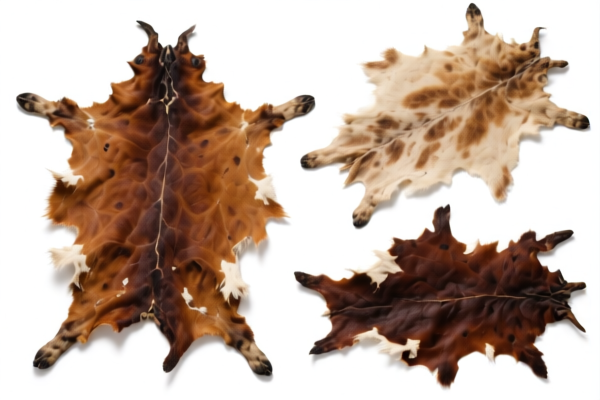
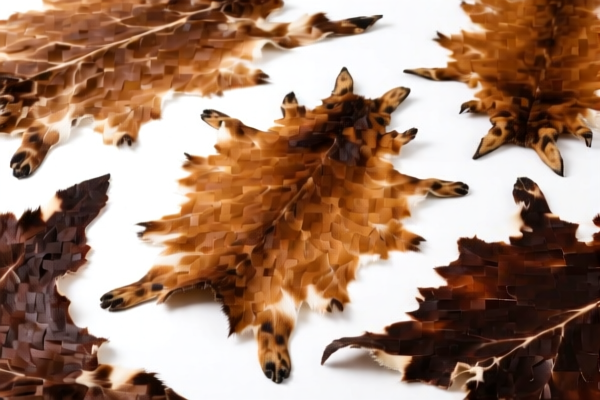
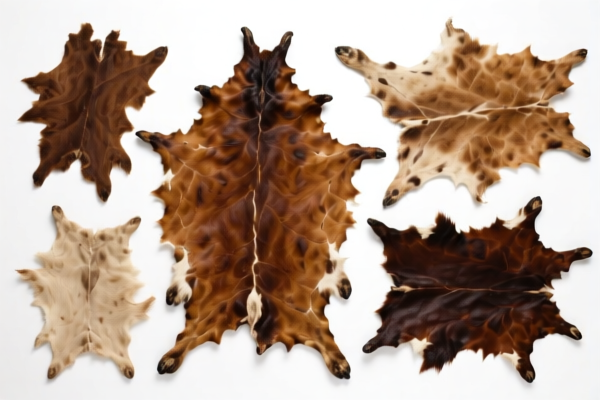
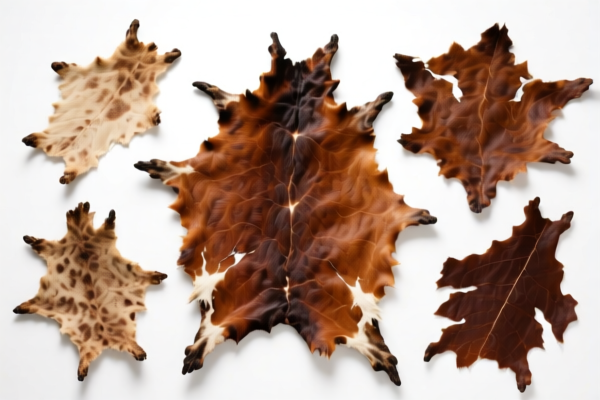
Raw leather refers to animal skins or hides that have undergone minimal processing, primarily cleaning and preservation, but have not been subjected to tanning, currying, or other preservation processes beyond those necessary to prevent decomposition before further processing.
Key Characteristics: * Un-tanned: The collagen structure is not stabilized against rot. * Preserved: Usually salted, dried, or pickled to prevent decay during transport. * Raw Material: It is an intermediate good, not a final consumer product like shoes or bags.
⚠️ Critical Distinction:
- Raw Leather (HS 4101-4103): Requires tanning before use in most finished goods.
- Tanned/Leather (HS 4104-4107): Already processed for durability and use.
- Misclassification Risk: Declaring tanned leather as raw leather (or vice versa) can lead to significant duty discrepancies and penalties.
📦 II. HS Code Classification Details (2026 Latest Tariff Concordance)
| HS Code | Product Description | Application Scenario | Processing Status |
|---|---|---|---|
4106.21.90.00 |
Raw hides and skins, of bovine (including buffalo), other than parchment-dressed | Salted, wet-salted, or dried hides (not full-grain or top-grain finished) | ❌ Un-tanned |
🔍 Key Reminder:
- HS 4106.21.90.00 specifically covers Bovine (Cow/Buffalo) raw hides that are not parchment-dressed.
- If the leather is parchment-dressed (highly durable, often white), it may fall under4106.22.00.
- If the animal is not bovine (e.g., sheep, goat, pig), different HS codes apply (see Data below for alternatives).
💰 III. 2026 Latest Tariff Rate Breakdown (Including Surtaxes & Policy Add-ons)
✅ Applicable Country: USA (US)
✅ Country of Origin: China (CN)
✅ Effective Date: From November 10, 2025 (including subsequent imports)
🎯 1. 4106.21.90.00 —— Raw Bovine Hides (Un-tanned)
| Item | Content |
|---|---|
| Base Duty Rate | 0% (ad valorem) |
| USITC Surtax | +7.5% (Section 301 / "122 Clause" Tariff) |
| IEEPA Surtax | +10% (Targeting China/HK products, from Nov 10, 2025) |
| Total Effective Rate | 17.5% |
| Tax Calculation | CIF Value × 17.5% |
| De Minimis Exemption Available? | ❌ No (deny_de_minimis) |
| Legal Authority Path | IEEPA:9903.01.24 → USITC:4106.21.90.00 → FOOTNOTE:9903.88.01 |
📌 Explanation:
- "USITC Surtax 7.5%": Refers to additional tariffs under US Trade Law Section 301 (often referred to as the "122 Clause" in certain trade contexts).
- "IEEPA 10%": Additional tariff under the International Emergency Economic Powers Act targeting Chinese goods.
- Total 17.5%: This is a moderate-to-high tariff for raw materials. Must be factored into cost calculations early.
🛠️ IV. Customs Clearance Practical Advice (Real-World Pitfall Avoidance)
✅ 1. Required Documentation Checklist (Mandatory)
| Document | Must Provide | Explanation |
|---|---|---|
| ✅ Product Specification Sheet | ✔️ | Specifies animal type (Bovine), preservation method (Salted/Dried), weight, and dimensions. |
| ✅ Photos (Clear) | ✔️ | Show texture, color, and any markings/brands. Must clearly show it is un-tanned. |
| ✅ Commercial Invoice | ✔️ | Must state "Raw Leather" or "Un-tanned Hides," not "Finished Leather" or "Leather Goods." |
| ✅ Packing List | ✔️ | Detail weight per bale/bundle, total number of hides. |
| ✅ Certification of Origin | ✔️ | If not Chinese origin, may qualify for lower rates; if Chinese, confirm tariff applicability. |
| ✅ Treatment Certificate | ✔️ | Proof of salting/pickling process to prevent quarantine issues (BSE/FTD regulations). |
✅ 2. Declaration Tips (Key Mantras)
🔥 "Specify Animal, Specify State, Avoid Ambiguity!"
| Situation | Correct Declaration Method | Incorrect Practice |
|---|---|---|
| Bovine Raw Hides | 4106.21.90.00 – "Raw Bovine Hides, Salted" |
Declaring as "Leather" → Higher duty |
| Sheep/Goat Skins | 4104.41.00 or similar |
Misclassifying as Bovine → Penalty |
| Tanned Leather | 4104.41.00 (Example) |
Declaring as Raw → Penalty for Misdeclaration |
| Leather Goods (Shoes) | Chapter 64 | Declaring as Raw Leather → Severe Penalty |
✅ 3. Special Cases Handling
| Situation | Handling Advice |
|---|---|
| Mixed Animal Types | Must separate declarations by animal type. Mixed bales may cause delays. |
| Parchment-Dressed Leather | Use 4106.22.00 instead of 4106.21.90.00. Different duty structure. |
| Wet-Salted vs. Dried | Both generally fall under 4106.21.90.00 if un-tanned and bovine, but specify in documentation. |
| Quarantine Requirements | Ensure compliance with USDA/APHIS regulations to prevent seizure. |
🌍 V. Global Market Clearance Comparison (2026 Latest)
| Country/Region | Recommended HS Code | Tariff Rate | Certification Requirements | Notes |
|---|---|---|---|---|
| 🇺🇸 USA | 4106.21.90.00 |
17.5% (CN Origin) | USDA Inspection | High surtax due to trade policies |
| 🇨🇳 China | 4106.21.90.00 |
0-2.4% | None | Low base duty, but export restrictions may apply |
| 🇪🇺 EU | 4106.21.00 |
0-3.2% | REACH Compliance | Generally lower tariffs for raw materials |
| 🇦🇺 Australia | 4106.21.00 |
0-5% | Biosecurity Approval | Strict animal product import rules |
| 🇯🇵 Japan | 4106.21.00 |
0-3.2% | None | Stable tariff environment |
📌 Conclusion:
- USA imposes the highest effective tariff on Chinese raw bovine hides due to surtaxes (17.5%).
- EU and Japan offer more favorable conditions for raw material imports, with lower base duties.
- Cost Advantage: Consider sourcing or routing through non-China origins if tariff avoidance is critical, though this may impact supply chain complexity.
📌 VI. Common Errors & Pitfall Guide (Lessons Learned)
❌ Error 1: Declaring "Raw Leather" for Tanned Leather
👉 Consequence: Misdeclaration penalty + potential seizure. Tanned leather has different HS codes and duties.
❌ Error 2: Not Specifying Animal Type
👉 Consequence: Customs may classify under "Other" HS codes with higher duties or require re-inspection.
❌ Error 3: Ignoring Quarantine Regulations
👉 Consequence: Goods held at port for testing, leading to storage fees and delays.
❌ Error 4: Using Vague Terms like "Hide" Without Details
👉 Consequence: Delayed clearance due to lack of product specifics.
✅ Correct Practice:
"Raw Bovine Hides, Salted, Un-tanned, Weight: 15kg each, No. of Hides: 500, Country of Origin: China"
🎯 VII. Conclusion: Precise Classification Saves Money!
🎯 Remember the Mantra:
🔹 "Raw vs. Tanned is Key, Animal Type Matters, Surtax Adds 17.5%!"
🔹 "HS Code Determines Duty, Misclassification Costs More!"
📌 Tips:
- If your raw leather is not bovine (e.g., sheep, goat), check other HS codes in the provided data for potential rate differences.
- For USA imports, the 17.5% total tariff is significant. Ensure your pricing model accounts for this.
- Pre-classification Ruling: Consider applying for a binding ruling from US Customs (CBSA equivalent) if the product type is ambiguous.
📣 Immediate Action:
📞 Consult a licensed customs broker + Provide detailed product specs + Verify animal type
🚀 Ensure smooth clearance, avoid penalties, and optimize costs!
✨ Professional clearance starts with accurate classification!
💼 Every dollar in duty is worth calculating precisely!
用户评价
关于 HS 编码归类
协调制度(HS)是由世界海关组织(WCO)制定的国际贸易商品分类标准。全球 200 多个国家采用 HS 系统作为海关关税、贸易统计和进出口监管的基础。
每个 HS 编码遵循以下层级结构:
- 章(2 位)——商品大类(例如:第 84 章:机器和机械设备)
- 品目(4 位)——章内的更具体分类
- 子目(6 位)——国际通用细分,所有 WCO 成员国统一使用
- 本国细分(8-10 位)——各国自行扩展的细分编码,如美国 HTSUS 10 位编码
正确的 HS 编码归类对于顺利通关、准确缴纳关税和遵守贸易法规至关重要。错误归类可能导致海关延误、多缴关税或罚款。
从CN进口到US时,适用的关税税率可能包括:
- 最惠国(MFN)税率——适用于 WTO 成员国的标准关税税率
- 普通税率——适用于无贸易协定国家
- 贸易救济关税——附加关税,如 301 条款(反倾销)、232 条款(国家安全)或反补贴税
本页内容仅供参考。如需正式归类,请咨询当地海关或持牌报关代理。