raw leather industrial use
CN → US| HS编码 | 关税税率 | 原产国 | 目的国 | 文档 |
|---|---|---|---|---|
| 4101201010 | 17.5% | CN | US | 官方文档 |
| 4101501010 | 17.5% | CN | US | 官方文档 |
商品图片
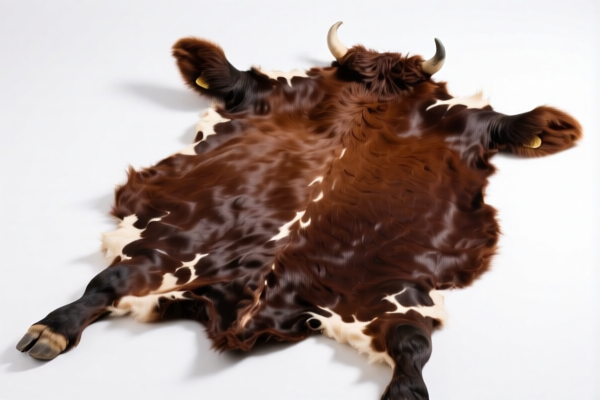
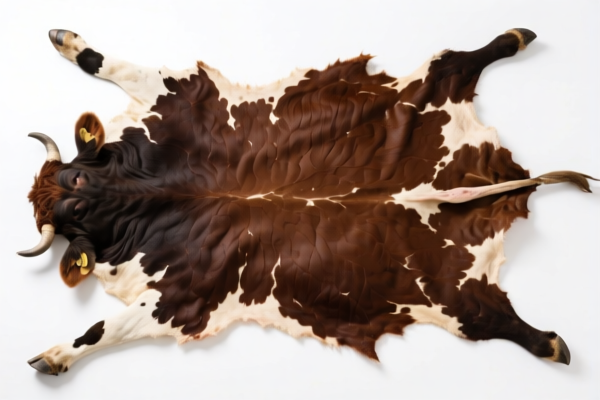
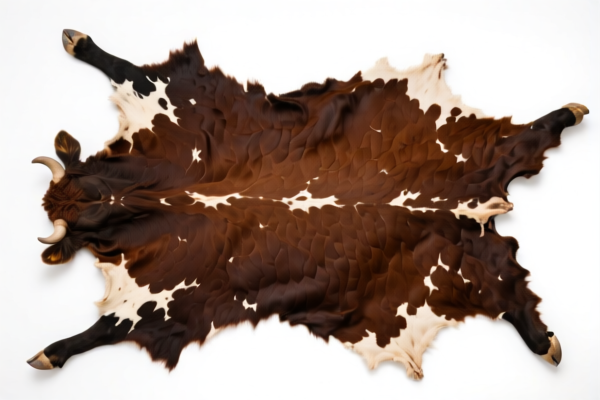
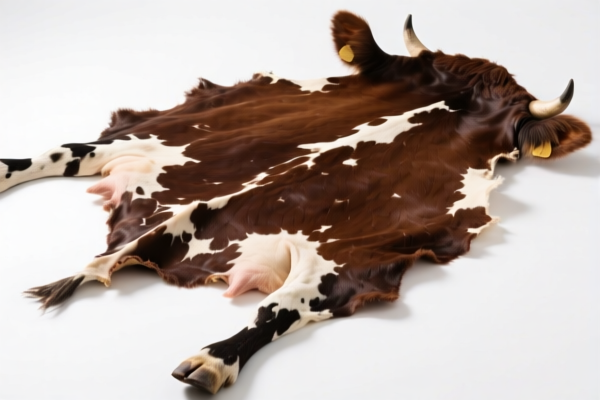
AI分析
🐂 Raw Hides & Skins: The Industrial Foundation of Global Leather | 2026 Customs Clearance Guide
🌐 HS Code Reference & Clearance Guide | 2026 Latest Tariff Analysis | Professional Strategy for Bovine/Equine Raw Hides
Raw hides and skins are the foundational raw materials for the global leather industry. In international trade, these materials are strictly regulated based on animal species (bovine vs. equine), preservation method (fresh, salted, dried, etc.), and weight thresholds. Misclassification can lead to severe penalties, especially given the specific weight limits defined in the Harmonized System (HS).
⚠️ Critical Distinction:
- Weight Limits Rule Everything: The HS code changes drastically depending on whether the skin weighs ≤16kg or >16kg.
- Preservation Method Matters: "Dry-salted," "fresh," and "simply dried" have different weight allowances.
- Not Tanned: These are raw materials only. If tanned, they fall under Chapter 41 (but different headings) or Chapter 43.
📦 II. HS Code Classification Details (2026 Latest Tariff Alignment)
Based on the provided , we are dealing with Raw Hides and Skins of Bovine (including Buffalo) or Equine Animals. Below is the precise breakdown for Bovine Animals (as specified in the target codes 4101.20.10.10 and 4101.50.10.10).
| HS Code | Product Description | Applicable Scenario | Weight Limit | Preservation Method |
|---|---|---|---|---|
4101.20.10.10 |
Raw Hides/Skins, Bovine, Whole, Unsplit, Not Exceeding 8kg | Small calves, young cattle, or split/trimmed hides weighing under the limit | ≤ 8 kg | Simply dried OR ≤ 10 kg if Dry-salted OR ≤ 16 kg if Fresh/Wet-salted |
4101.50.10.10 |
Raw Hides/Skins, Bovine (Cattle), Whole, Exceeding 16kg | Adult cattle, large hides, heavy hides | > 16 kg | Any preservation method (Fresh, Salted, Dried, etc.) |
🔍 Key Clarification:
-4101.20.10.10applies to smaller skins. Note the flexible weight thresholds: 8kg (dry), 10kg (dry-salted), or 16kg (fresh/wet-salted).
-4101.50.10.10applies to all heavier hides (>16kg). This is the standard category for most adult cattle hides.
- Both codes specify "Not Pretanned" and "Whole Hides/Skins, Unsplit". If split, different subheadings may apply.
- No Equine Hides Listed: The provided data only covers Bovine animals. Equine hides have different weight thresholds (typically higher). Do not use these codes for horsehide.
💰 III. 2026 Latest Tariff Rate Breakdown
✅ Applicable Country: United States (US)
✅ Origin: China (CN) (Inferred from tax details)
✅ Effective Time: Current (2025-2026 Tariff Schedule)
🎯 1. 4101.20.10.10 – Raw Hides, Bovine, Small Weight (≤8-16kg)
| Item | Content |
|---|---|
| Base Tariff | 0.0% (Ad Valorem) |
| Section 301 / Additional Tariff | +7.5% |
| Total Tax Rate | 7.5% |
| Tax Calculation | CIF Value × 7.5% |
| De Minimis Eligibility | ❌ NO (Typically, agricultural/raw materials are excluded from de minimis relief for China-origin goods under current restrictions) |
| Legal Basis | HS 4101.20.10.10 → Section 301 Footnotes |
📌 Explanation:
- The base tariff for raw hides is generally 0% to encourage material import for domestic manufacturing.
- The 7.5% additional tariff is likely under Section 301 or similar trade remedy measures against China.
- Total cost impact: 7.5% on CIF value. This is relatively low compared to finished leather goods, but still significant for bulk imports.
🎯 2. 4101.50.10.10 – Raw Hides, Bovine, Large Weight (>16kg)
| Item | Content |
|---|---|
| Base Tariff | 0.0% (Ad Valorem) |
| Section 301 / Additional Tariff | +7.5% |
| Total Tax Rate | 7.5% |
| Tax Calculation | CIF Value × 7.5% |
| De Minimis Eligibility | ❌ NO |
| Legal Basis | HS 4101.50.10.10 → Section 301 Footnotes |
📌 Explanation:
- Identical tax structure to the smaller hides.
- Crucial Point: The tariff rate does not change based on weight. The distinction is purely for statistical and regulatory control.
- Bulk Advantage: While the % rate is the same, larger hides (per4101.50.10.10) often yield more usable leather per hide, potentially lowering cost per square foot.
🛠️ IV. Customs Clearance Practical Advice (Risk Mitigation)
✅ 1. Documentation Checklist (Non-Negotiable)
| Document | Required | Notes |
|---|---|---|
| Commercial Invoice | ✔️ | Must clearly state: "Raw Bovine Hides," Preservation Method (Fresh/Salted/Dried), and Weight. |
| Packing List | ✔️ | Must list weight per hide or average weight per hide to justify HS code selection. |
| Phytosanitary Certificate | ✔️ | Mandatory for raw animal products. Issued by origin country's agricultural authority. |
| Veterinary Health Certificate | ✔️ | Confirms disease-free status (e.g., BSE, Foot-and-Mouth Disease). |
| Bill of Lading/Air Waybill | ✔️ | Clean title, proper consignee details. |
| FDA Prior Notice | ✔️ | If imported into the US, FDA prior notice may be required for animal products. |
⚠️ Critical Warning:
- Weight Accuracy: If you declare4101.20.10.10(small) but the average weight is 17kg, US Customs will reclassify to4101.50.10.10. While the tax rate is the same, incorrect declaration can lead to detention, inspections, and fines.
- Preservation State: If hides are "wet-salted" but declared as "dried," and weight exceeds 16kg, they must be declared under4101.50.10.10. Mislabeling preservation can trigger biosecurity flags.
✅ 2. Declaration Tips (Key Mantras)
🔥 “Weight Defines Code, Preservation Defines Weight Limit, Certificates Clear Biosecurity!”
| Scenario | Correct Declaration | Error to Avoid |
|---|---|---|
| Average weight per hide is 12kg, wet-salted | 4101.20.10.10 (≤16kg limit for wet-salted) |
Declaring as 4101.50.10.10 → No tax penalty, but unnecessary paperwork |
| Average weight per hide is 18kg, dry-salted | 4101.50.10.10 (>16kg limit) |
Declaring as 4101.20.10.10 → High risk of audit/fine |
| Hides are split into two halves | Do NOT use these codes | These codes are for whole, unsplit hides. Split hides fall under different subheadings (e.g., 4101.21, 4101.51) |
| Hides are Tanned | Do NOT use these codes | Tanned hides fall under 4104 or 4105. Using 4101 for tanned goods is fraudulent |
✅ 3. Special Considerations
| Situation | Handling Advice |
|---|---|
| Mixed Shipments | If a shipment contains both <16kg and >16kg hides, declare each line item separately. Do not average them unless explicitly permitted by customs ruling. |
| Buffalo vs. Cattle | The code 4101.20.10.10 and 4101.50.10.10 specify "Bovine (including Buffalo)". So, buffalo hides are treated the same as cattle hides for these codes. |
| Equine Hides | If importing horse hides, do not use the above codes. Equine hides have different weight thresholds (e.g., 18kg or 24kg limits). Misclassification leads to significant delays. |
| Chemical Treatment | If hides are "limed" or "pickled" beyond standard preservation, ensure they are still considered "raw" (not tanned). "Limed" hides are often still classified under 4101 if not further prepared. |
🌍 V. Global Market Comparison (2026)
| Country/Region | Recommended HS Code | Tariff (China Origin) | Key Requirements | Notes |
|---|---|---|---|---|
| 🇺🇸 USA | 4101.20.10.10 / 4101.50.10.10 |
7.5% | Phytosanitary, Vet Cert, FDA Prior Notice | Low base tax, but 7.5% additional tariff applies. |
| 🇨🇳 China | 4101.20 / 4101.50 |
0% | Import License, Vet Cert | China often imports raw hides for re-export or domestic tanning. |
| 🇪🇺 EU | 4101.20 / 4101.50 |
0% | REACH Compliance, Biosecurity | No tariffs, but strict biosecurity and sustainability documentation. |
| 🇮🇳 India | 4101.20 / 4101.50 |
Varies (Check current) | BIS Standards, Vet Cert | India has restrictions on raw hide imports from certain regions due to disease concerns. |
📌 Conclusion:
- The US imposes a 7.5% additional tariff on these raw materials from China, making them slightly more expensive than from non-China sources (if applicable).
- Biosecurity is the biggest hurdle globally. Ensure all veterinary documents are original, stamped, and translated if necessary.
📌 VI. Common Mistakes & Pitfalls (Learn from Errors)
❌ Mistake 1: Declaring "Split Hides" as "Whole Hides"
👉 Result: Code mismatch → Rejection or Fine. Split hides have different codes (e.g., 4101.21).
❌ Mistake 2: Ignoring Weight Limits for "Fresh" vs. "Salted"
👉 Result: A 15kg wet-salted hide fits in 4101.20.10.10 (≤16kg limit), but a 15kg dry hide also fits (≤8kg limit? No! 15kg > 8kg). Wait:
- Correction: For 4101.20.10.10:
- Simply dried: ≤8kg
- Dry-salted: ≤10kg
- Fresh/Wet-salted: ≤16kg
- Example: A 12kg dry-salted hide cannot use 4101.20.10.10 because 12kg > 10kg. It must use 4101.50.10.10.
👉 Result: Misclassification leads to incorrect duty calculation and audit risk.
❌ Mistake 3: Using "Tanned Leather" description for Raw Hides
👉 Result: Customs may suspect smuggling of restricted finished goods. Be precise: "Raw, Un-tanned, Salted Bovine Hides."
✅ Correct Practice:
"Raw Bovine Hides, Wet-Salted, Whole, Unsplit, Average Weight 14kg, For Industrial Tanning Use, Phytosanitary Cert #XYZ Attached."
🎯 VII. Conclusion: Precision in Classification, Smooth Clearance
🎯 Remember the Mantra:
🔹 "Weight + Preservation = Code. 16kg is the Line. 7.5% is the Cost. Certs are the Key."
🔹 "Small vs. Large: Check the Scales. Raw vs. Tanned: Check the Process. Biosecurity: Check the Certs."
📌 Pro Tip:
If you are importing large volumes, consider pre-clearance rulings from US Customs and Border Protection (CBP) to confirm your HS code and weight-based classification. This protects you from retrospective audits and fines.
📣 Immediate Action:
📞 Contact your freight forwarder to verify phytosanitary certificate requirements in the origin country.
📊 Weigh your hides accurately before shipment to determine the correct HS code (4101.20vs.4101.50).
🚀 Ensure your commercial invoice explicitly states "Raw, Un-tanned, Bovine Hides" to avoid misclassification as finished leather.
✨ Professional clearance starts with precise classification!
💼 Your profit margin depends on getting the HS code right on the first try!
用户评价
关于 HS 编码归类
协调制度(HS)是由世界海关组织(WCO)制定的国际贸易商品分类标准。全球 200 多个国家采用 HS 系统作为海关关税、贸易统计和进出口监管的基础。
每个 HS 编码遵循以下层级结构:
- 章(2 位)——商品大类(例如:第 84 章:机器和机械设备)
- 品目(4 位)——章内的更具体分类
- 子目(6 位)——国际通用细分,所有 WCO 成员国统一使用
- 本国细分(8-10 位)——各国自行扩展的细分编码,如美国 HTSUS 10 位编码
正确的 HS 编码归类对于顺利通关、准确缴纳关税和遵守贸易法规至关重要。错误归类可能导致海关延误、多缴关税或罚款。
从CN进口到US时,适用的关税税率可能包括:
- 最惠国(MFN)税率——适用于 WTO 成员国的标准关税税率
- 普通税率——适用于无贸易协定国家
- 贸易救济关税——附加关税,如 301 条款(反倾销)、232 条款(国家安全)或反补贴税
本页内容仅供参考。如需正式归类,请咨询当地海关或持牌报关代理。