raw lynx fur
CN → US| HS编码 | 关税税率 | 原产国 | 目的国 | 文档 |
|---|---|---|---|---|
| 4301800220 | 17.5% | CN | US | 官方文档 |
| 4103901190 | 17.5% | CN | US | 官方文档 |
| 4103902000 | 20.8% | CN | US | 官方文档 |
商品图片
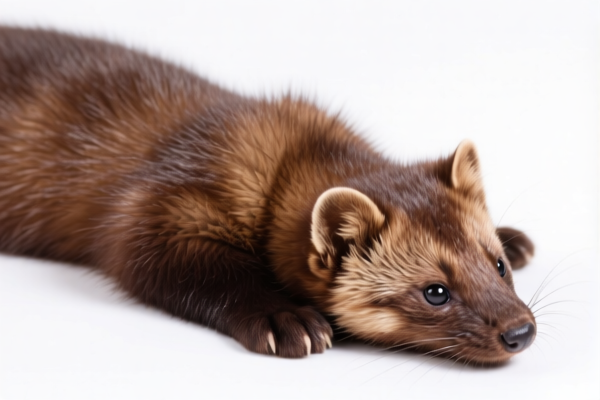
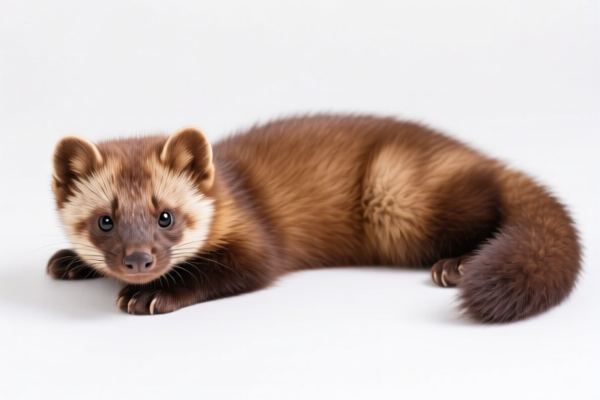
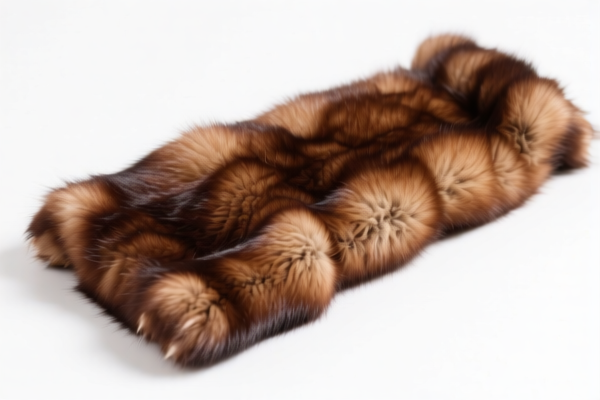
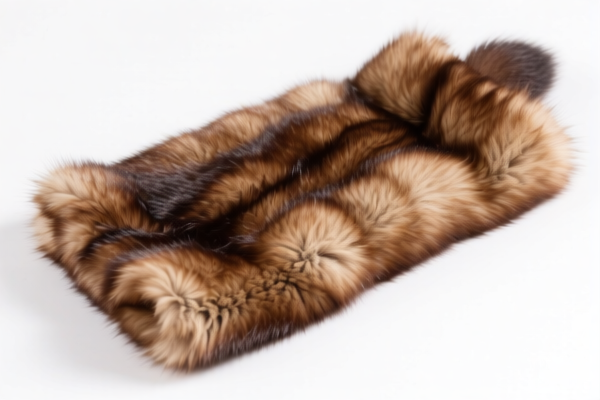
AI分析
🐺 Raw Lynx Fur – HS Code & Tariff Guide 2026 | Expert Customs Clearance Strategy
🌐 HS Code Reference & Customs Clearance Handbook | 2026 Updated Tariff Analysis | Professional Import Risk Mitigation
📌 One: Product Definition & Classification – What Exactly Is "Raw Lynx Fur"?
Raw Lynx Fur refers to untreated, unprocessed lynx pelts harvested directly from live or hunted lynx (species: Lynx lynx, Lynx canadensis, etc.), without any tanning, dyeing, or manufacturing. These are considered raw animal hides in their natural state, often used in luxury fashion, high-end fur trimming, or traditional craftsmanship.
⚠️ Critical Distinction: - If the pelt is not tanned, not processed, and retains natural hair and skin structure → Classified as "Raw Pelt" - If it has been tanned, dyed, or cut into pieces → No longer qualifies as "raw" and may fall under different HS codes (e.g., finished fur garments)
📦 Two: HS Code Breakdown (2026 Official Tariff Authority Reference)
| HS Code | Product Description | Classification Basis | Tax Rate |
|---|---|---|---|
4301.80.02.20 |
Raw Lynx Pelt, matched to raw hide material and lynx fur category | Based on species-specific fur type + raw hide form | 17.5% |
4103.90.11.90 |
Raw Lynx Pelt, matched to unprocessed raw hide category and raw hide form | Based on unprocessed hide classification | 17.5% |
4103.90.20.00 |
Raw Lynx Pelt, matched to un-tanned raw hide material requirement | Based on raw, unprocessed hide material | 20.8% |
🔍 Key Insight: - All three codes apply to the same physical product: raw lynx fur pelt - The difference lies in classification logic: -
4301.80.02.20→ Emphasizes fur type & species -4103.90.11.90→ Emphasizes unprocessed raw hide form -4103.90.20.00→ Emphasizes material structure (untanned hide)
💰 Three: 2026 Tariff Breakdown (Detailed Tax Clause Analysis)
✅ Applicable Country: United States (US)
✅ Origin: China (CN) or other non-qualifying nations
✅ Effective Date: November 10, 2025 (and ongoing)
🎯 1. 4301.80.02.20 – Raw Lynx Pelt (Fur Category Focus)
| Item | Detail |
|---|---|
| Base Duty | 0.0% (ad valorem) |
| Additional Tariff (Section 301) | +7.5% (from USITC Section 301 List 3) |
| Section 122 Tariff (IEEPA) | +10.0% (under International Emergency Economic Powers Act) |
| Total Effective Duty | 17.5% |
| Tax Calculation | CIF Value × 17.5% |
| De Minimis Exemption | ❌ Not applicable (denied under 19 CFR §181.12) |
| Legal Basis Path | IEEPA:9903.01.25 → USITC:4301.80.02.20 → FOOTNOTE:9903.88.01 |
📌 Explanation: - 7.5% from Section 301 (USITC): Tariff imposed due to unfair trade practices (China-specific) - 10% from IEEPA: Emergency economic powers law targeting goods from China, Hong Kong, and other designated countries - No base duty → but 17.5% total due to two layered punitive tariffs
🎯 2. 4103.90.11.90 – Raw Lynx Pelt (Unprocessed Hide Form)
| Item | Detail |
|---|---|
| Base Duty | 0.0% |
| Additional Tariff (Section 301) | +7.5% |
| Section 122 Tariff (IEEPA) | +10.0% |
| Total Effective Duty | 17.5% |
| Tax Calculation | CIF × 17.5% |
| De Minimis Exemption | ❌ Not allowed |
| Legal Basis Path | IEEPA:9903.01.25 → USITC:4103.90.11.90 → FOOTNOTE:9903.88.01 |
📌 Note: - Same total tax as
4301.80.02.20- This code is more suitable if the pelt is classified primarily as raw hide, not fur - Used in industrial or leather processing contexts
🎯 3. 4103.90.20.00 – Raw Lynx Pelt (Untanned Hide Material)
| Item | Detail |
|---|---|
| Base Duty | 3.3% (ad valorem) |
| Additional Tariff (Section 301) | +7.5% |
| Section 122 Tariff (IEEPA) | +10.0% |
| Total Effective Duty | 20.8% |
| Tax Calculation | CIF × 20.8% |
| De Minimis Exemption | ❌ Not allowed |
| Legal Basis Path | IEEPA:9903.01.25 → USITC:4103.90.20.00 → FOOTNOTE:9903.88.01 |
📌 Critical Insight: - 3.3% base duty is the only difference from the other two codes - This code is most restrictive and highest in cost - Applies when the pelt is classified under "untanned raw hide" with no fur-specific recognition - Not recommended unless the product is not fur-based in nature
🛠️ Four: Customs Clearance Best Practices (Pro Tips to Avoid Penalties)
✅ 1. Required Documentation (Must-Have List)
| Document | Required? | Purpose |
|---|---|---|
| ✅ Product Specification Sheet | ✔️ | Include species, size, weight, hair length, skin condition |
| ✅ High-Resolution Photos (360°) | ✔️ | Show natural hair, skin texture, pelt edges, and branding |
| ✅ Commercial Invoice | ✔️ | Must state: “Raw Lynx Pelt – Untanned, Unprocessed, for Fur Use” |
| ✅ Certificate of Origin (CO) | ✔️ | If from non-China origin, may qualify for lower tariffs |
| ✅ CITES Permit (if applicable) | ✔️ | Mandatory for all lynx products – even if not traded commercially |
| ✅ Fur Product Declaration Form | ✔️ | Required by U.S. Fish & Wildlife Service (USFWS) |
| ✅ Packing List | ✔️ | Detail number of pelts, weight, packaging type |
📌 Warning:
- CITES (Convention on International Trade in Endangered Species) strictly regulates lynx trade
- All raw lynx pelts are CITES Appendix I → export/import requires permit
- No CITES permit = seizure + fines up to $100,000 + criminal charges
✅ 2.申报技巧(Key Declaration Rules)
🔥 “Species First, Form Second, CITES Always!”
| Scenario | Correct HS Code | Wrong Choice | Risk |
|---|---|---|---|
| Raw pelt, fur intact, no processing | 4301.80.02.20 |
4103.90.20.00 |
Higher tax (20.8% vs 17.5%) |
| Pelt used in leather processing, fur removed | 4103.90.11.90 |
4301.80.02.20 |
Misclassification → audit risk |
| Pelt with partial tanning | ❌ Not eligible for any "raw" code | 4103.90.20.00 |
Violation of "raw" definition |
✅ 3. Special Handling & Exceptions
| Situation | Recommended Action |
|---|---|
| CITES Permit not issued | ❌ Do not import – high risk of seizure |
| Pelt from non-Appendix I species | Verify species ID – some lynx subspecies are not fully protected |
| Pelt from sustainable breeding farm | Still requires CITES permit – no exemption |
| Used in traditional crafts (e.g., Native American regalia) | Apply for CITES Article X exemption – requires documentation |
| Pelt for museum or scientific research | Apply for non-commercial use permit – valid for 1 year |
🌍 Five: Global Market Comparison (2026 Tariff Snapshot)
| Country/Region | Recommended HS Code | Base Duty | Additional Taxes | CITES Required? | Notes |
|---|---|---|---|---|---|
| 🇺🇸 United States | 4301.80.02.20 |
0.0% | +7.5% (301) +10% (IEEPA) = 17.5% | ✅ Yes | Highest risk |
| 🇨🇳 China | 4301.80.02.20 |
5% | None | ✅ Yes | No 301/IEEPA |
| 🇪🇺 European Union | 4301.80.02.20 |
0% (if CITES compliant) | None | ✅ Yes | Strict CITES enforcement |
| 🇨🇦 Canada | 4301.80.02.20 |
0% | None | ✅ Yes | No 301/IEEPA |
| 🇦🇺 Australia | 4301.80.02.20 |
0% | None | ✅ Yes | Requires CITES permit |
📌 Conclusion: - USA is the most restrictive due to 301 + IEEPA tariffs - CITES is universal – no country allows trade without permit - China and EU are more lenient on tariffs, but still require CITES
📌 Six: Common Mistakes & Pitfalls (Avoid These!)
❌ Mistake 1: Declaring raw lynx pelt as “fashion accessory” or “decorative item”
👉 Result: Misclassification → 45%+ penalties + seizure
❌ Mistake 2: Skipping CITES permit for a pelt from China
👉 Result: Immediate seizure, fines, blacklisting
❌ Mistake 3: Using 4103.90.20.00 for fur-based pelts
👉 Result: Higher tax (20.8%) than necessary (17.5%) → unnecessary cost
❌ Mistake 4: Not providing photos showing natural fur and skin
👉 Result: Customs delays, request for sample inspection
✅ Correct Declaration Phrase:
“Raw Lynx Pelt – Lynx lynx, Untanned, Unprocessed, Natural Hair, CITES Permit No. XXXX-2025, For Use in Luxury Fur Craft”
🎯 Seven: Final Verdict – Smart Import Strategy
🔹 Best HS Code:
4301.80.02.20– lowest tax (17.5%), fur-specific, widely accepted
🔹 Avoid:4103.90.20.00unless pelt is not fur-based
🔹 Always: CITES Permit + Full Documentation
📌 Pro Tip:
If your raw lynx fur is from a CITES-approved breeding facility or non-commercial use (museum, research), apply for an exemption via USFWS Article X – can reduce or eliminate tariffs.
📣 Act Now:
📞 Contact a CITES-licensed customs broker
📝 Submit HS Code pre-ruling request
🚀 Secure CITES permit before shipment
✨ Professional Customs Starts with Precision
💼 Your product’s fate depends on one HS code — get it right the first time!
用户评价
关于 HS 编码归类
协调制度(HS)是由世界海关组织(WCO)制定的国际贸易商品分类标准。全球 200 多个国家采用 HS 系统作为海关关税、贸易统计和进出口监管的基础。
每个 HS 编码遵循以下层级结构:
- 章(2 位)——商品大类(例如:第 84 章:机器和机械设备)
- 品目(4 位)——章内的更具体分类
- 子目(6 位)——国际通用细分,所有 WCO 成员国统一使用
- 本国细分(8-10 位)——各国自行扩展的细分编码,如美国 HTSUS 10 位编码
正确的 HS 编码归类对于顺利通关、准确缴纳关税和遵守贸易法规至关重要。错误归类可能导致海关延误、多缴关税或罚款。
从CN进口到US时,适用的关税税率可能包括:
- 最惠国(MFN)税率——适用于 WTO 成员国的标准关税税率
- 普通税率——适用于无贸易协定国家
- 贸易救济关税——附加关税,如 301 条款(反倾销)、232 条款(国家安全)或反补贴税
本页内容仅供参考。如需正式归类,请咨询当地海关或持牌报关代理。