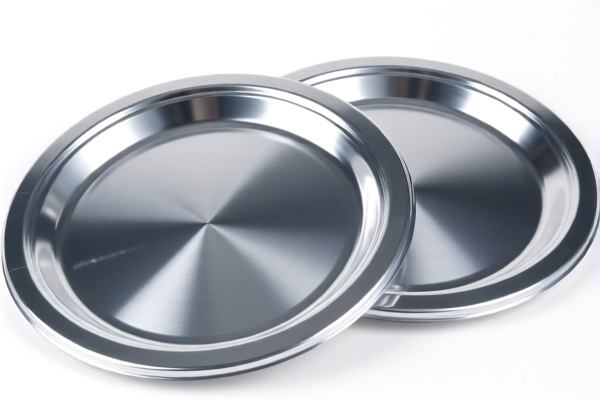
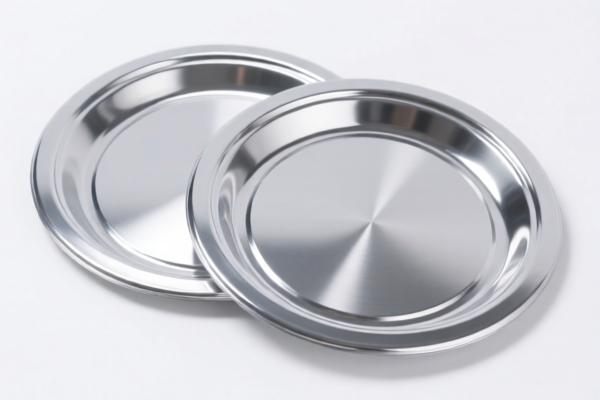
reflective plastic body panel
CN → US| HS编码 | 关税税率 | 原产国 | 目的国 | 文档 |
|---|---|---|---|---|
| 3920991000 | 41.0% | CN | US | 官方文档 |
| 3926909989 | 22.8% | CN | US | 官方文档 |
| 8708295110 | 0.0% | CN | US | 官方文档 |
| 3920995000 | 40.8% | CN | US | 官方文档 |
| 8708295160 | 0.0% | CN | US | 官方文档 |
商品图片


AI分析
🚗 Reflective Plastic Body Panel (Automotive Exterior Parts)
🌐 HS Code Reference & Customs Clearance Guide | 2026 Latest Tariff Analysis | Professional Clearance Strategy 📌 I. Product Definition & Classification: What is a "Reflective Plastic Body Panel"?
A Reflective Plastic Body Panel is a component used in the automotive industry, typically made from high-performance plastics (such as ABS, PP, or polycarbonate blends) that features a reflective surface treatment (such as vacuum metallization, painting, or coating) for aesthetic or functional purposes.
In international trade, the classification depends heavily on whether the item is viewed as a general plastic product or an automotive specific part.
Key Distinction: * As a Plastic Material/Board: If classified under Chapter 39, it is treated as a general plastic sheet/board, triggering higher base tariffs and significant punitive taxes (Section 301 + IEEPA). * As an Auto Part: If classified under Chapter 87, it is treated as a part of a motor vehicle, benefiting from lower base tariffs (2.5%), though still subject to punitive taxes.
⚠️ Critical Note: * If the panel is sold loose/unassembled, it falls into the "General Plastic" category (HS 3920/3926). * If the panel is specifically shaped for a car body (e.g., fender, bumper cover, door skin), customs authorities may argue for the "Auto Part" category (HS 8708), which is crucial for tax optimization.
📦 II. HS Code Classification Details (2026 Latest Tariff Authorities)
Based on the provided data, here are the four possible HS Codes, ranging from general plastic to specific auto parts.
| HS Code | Product Description | Category Logic | Total Tax Rate (US/China Origin) |
|---|---|---|---|
3920.99.10.00 |
Plastic Board/Sheet (Other plastics, non-cellular, not elsewhere specified) | General Plastic: Fits the "catch-all" for plastic boards/sheets. | 41.0% |
3926.90.99.89 |
Other Plastic Articles: Specifically identified as "Car Body Panels" not listed elsewhere. | General Plastic: Treated as a general plastic article, not a specific auto part under Ch 87. | 22.8% |
3920.99.50.00 |
Plastic Board/Sheet (Other plastics, non-cellular) | General Plastic: Another "catch-all" for plastic boards. | 40.8% |
8708.29.51.10 |
Body Parts: Plastic body panels specifically for motor vehicles. | Auto Part: Directly classified as a vehicle component. | 37.5% (2.5% Base + 35% Add-on) |
8708.29.51.60 |
Auto Accessories: Plastic body配件 not specifically excluded. | Auto Part: Classified as other auto parts/accessories. | 87.5% (2.5% Base + 85% Add-on) |
🔍 Key Insight: *
8708.29.51.10is the most favorable for tax rate calculation if accepted by customs (2.5% base), but note the total is 37.5% due to punitive taxes. *3926.90.99.89offers a middle ground at 22.8% total, but it is classified as a plastic article, not an auto part, which may raise questions during inspection. *8708.29.51.60has a very high additional tariff (50% for steel/aluminum/copper? Note: Data says 85% total, likely including a specific 50% metal-related surcharge if misidentified or specific clause application). Avoid this code if possible.
💰 III. 2026 Latest Tariff Rate Breakdown (Including Surcharges & Policy Add-ons)
✅ Applicable Country: United States (US) ✅ Origin: China (CN) ✅ Effective Time: 2025 November 10 onwards
🎯 1. 3920.99.10.00 & 3920.99.50.00 — General Plastic Boards/Sheets
| Item | Content |
|---|---|
| Base Tariff | 6.0% (3920.99.10) / 5.8% (3920.99.50) |
| Section 301 Add-on | +25.0% |
| IEEPA Add-on (Section 122) | +10% |
| Total Tax Rate | 41.0% (3920.99.10) / 40.8% (3920.99.50) |
| Calculation Basis | CIF Value × Total Rate |
| De Minimis Exemption | ❌ Not Eligible (Denied) |
| Legal Basis | USITC Tariff Schedule → Section 301 → IEEPA 9903 |
📌 Explanation: These codes are classified as general plastics. They do not benefit from the low 2.5% auto part base rate. The total tax burden is over 40%.
🎯 2. 3926.90.99.89 — Other Plastic Articles (Car Body Panels)
| Item | Content |
|---|---|
| Base Tariff | 5.3% |
| Section 301 Add-on | +7.5% |
| IEEPA Add-on (Section 122) | +10% |
| Total Tax Rate | 22.8% |
| Calculation Basis | CIF Value × 22.8% |
| De Minimis Exemption | ❌ Not Eligible (Denied) |
| Legal Basis | USITC Tariff Schedule → Section 301 (Reduced rate for certain plastics) → IEEPA |
📌 Explanation: This code offers the lowest total tax rate (22.8%) among the options, but it is classified as a plastic article, not an auto part. This may require strong documentation to prove it is a "general plastic item" and not a "vehicle part."
🎯 3. 8708.29.51.10 — Vehicle Body Parts (Plastic)
| Item | Content |
|---|---|
| Base Tariff | 2.5% |
| Section 301 Add-on | +25.0% |
| IEEPA Add-on (Section 122) | +10% |
| Total Tax Rate | 37.5% (2.5% + 25% + 10%) |
| Calculation Basis | CIF Value × 37.5% |
| De Minimis Exemption | ❌ Not Eligible (Denied) |
| Legal Basis | Chapter 87 (Vehicles) → USITC → Section 301 → IEEPA |
📌 Explanation: While the base tariff is low (2.5%), the punitive taxes push the total to 37.5%. This is a standard classification for auto parts.
🎯 4. 8708.29.51.60 — Other Auto Parts/Accessories
| Item | Content |
|---|---|
| Base Tariff | 2.5% |
| Section 301 Add-on | +25.0% |
| IEEPA Add-on (Section 122) | +10% |
| Special Metal Surcharge? | +50% (If deemed steel/aluminum/copper related) |
| Total Tax Rate | 87.5% (2.5% + 85%) |
| De Minimis Exemption | ❌ Not Eligible (Denied) |
📌 Warning: This code has an extremely high effective rate (85% add-on). This may include a specific 50% surcharge for materials classified as steel/aluminum/copper, or a punitive rate for "other" parts. Avoid this code unless absolutely necessary.
🛠️ IV. Customs Clearance Practical Advice (Real-World Pitfall Guide)
✅ 1. Documentation Checklist (Essential)
| Document | Required | Explanation |
|---|---|---|
| ✅ Product Specification Sheet | ✔️ | Must clearly state material (Plastic: ABS/PP/etc.) and dimensions. |
| ✅ Technical Drawings | ✔️ | Show that the item is a "Body Panel" (fender, door, hood) and its shape. |
| ✅ Product Photos | ✔️ | Clear images of the reflective surface, part numbers, and mounting holes. |
| ✅ Certificate of Origin (CO) | ✔️ | Essential for verifying origin (China) and applying punitive taxes. |
| ✅ Commercial Invoice | ✔️ | Must clearly describe the item as "Plastic Body Panel for Automotive Use." |
| ✅ Packing List | ✔️ | Detail quantity and packaging. |
✅ 2. Declaration Strategy (Key Tips)
🔥 "Describe Accurately, Classify Correctly, Avoid Auto-Part Traps!"
| Scenario | Recommended HS Code | Risk Level |
|---|---|---|
| General Plastic Sheet/Board | 3920.99.10.00 or 3920.99.50.00 |
High Tax (41%) but Low Inspection Risk |
| Generic Plastic Auto Part | 3926.90.99.89 |
Lowest Tax (22.8%) but Requires Proof it's not a "Specific Auto Part" |
| Specific Vehicle Body Part | 8708.29.51.10 |
Medium Tax (37.5%) but High Scrutiny (Customs may check for fitment) |
| Miscellaneous Auto Accessory | 8708.29.51.60 |
Extreme Tax (87.5%) → AVOID |
📌 Strategic Advice: * If you want the lowest tax, try to argue for
3926.90.99.89(22.8%). You must prove it is a "general plastic article" and not a "specific automotive part." * If you declare it as an auto part (8708), be prepared for detailed scrutiny of the vehicle make/model compatibility. * Never use8708.29.51.60unless you are certain of the specific surcharge rules.
✅ 3. Special Cases & Solutions
| Situation | Handling Advice |
|---|---|
| Reflective Surface | Clarify if the reflectivity is due to paint/coating or metallic film. If it's just paint, it stays in Chapter 39 or 87. If it involves a metal layer, customs might misclassify it under metals (triggering the 50% surcharge in 8708.29.51.60). Provide material safety data sheets (MSDS) to prove it's plastic-based. |
| OEM Parts | If sold to an auto manufacturer, use 8708.29.51.10. Provide the OEM part number and vehicle compatibility list. |
| Aftermarket Parts | Can argue for 3926.90.99.89 if the design is generic and not specific to one car model. |
| Small Quantity (De Minimis) | ❌ No Exemption. All these codes are denied de minimis. Even small shipments are subject to full tax. |
🌍 V. Global Market Comparison (2026 Latest)
| Country/Region | Recommended HS Code | Estimated Tax (China Origin) | Certification Required | Remarks |
|---|---|---|---|---|
| 🇺🇸 USA | 3926.90.99.89 |
22.8% (Best Option) | FCC (if electronic), RoHS | High scrutiny on "Auto Part" vs "Plastic Article" |
| 🇺🇸 USA | 8708.29.51.10 |
37.5% (Standard Auto) | FMVSS (if safety-related) | Lower base, but higher punitive taxes |
| 🇨🇳 China | 3920.99.10.00 |
5-6% | CCC (if safety) | Low import tax, no punitive surcharges |
| 🇪🇺 EU | 3926.90.99 |
4-5% | REACH, RoHS | No Section 301 equivalent |
| 🇲🇽 Mexico | 3920.99.10.00 |
5-10% | NOM Standards | USMCA benefits may apply if originating |
📌 Conclusion: * USA: The 22.8% rate under
3926.90.99.89is significantly cheaper than the 37.5% under8708.29.51.10. Focus efforts on proving it is a general plastic article. * EU/China: Tariffs are much lower. Focus on environmental compliance (REACH/RoHS).
📌 VI. Common Mistakes & Pitfalls (Blood-Teaching Lessons)
❌ Mistake 1: Declaring a plastic body panel as a metal part.
👉 Consequence: Triggers the 50% metal surcharge (seen in 8708.29.51.60 data). Total tax jumps to 87.5%!
✅ Solution: Provide material composition tests to prove it is >90% plastic.
❌ Mistake 2: Declaring it as an Auto Part (8708) when it is a generic plastic sheet.
👉 Consequence: Customs may reject the 2.5% base rate and impose higher penalties for misclassification.
✅ Solution: If generic, use 3926.90.99.89 (22.8%). If specific to a car, use 8708.29.51.10 (37.5%).
❌ Mistake 3: Assuming De Minimis applies. 👉 Consequence: Small shipments are NOT exempt. All taxes apply from the first dollar. ✅ Solution: Budget for full taxes even for small samples or LCL shipments.
✅ Correct Declaration Example:
"Plastic Automotive Body Panel, Model XYZ, Material: ABS, Reflective Coating, Non-Electronic, For Aftermarket Use"
🎯 VII. Conclusion: Professional Declaration, Cost Reduction!
🎯 Remember the Mantra:
🔹 "Plastic Article: 22.8% (Best Rate)" 🔹 "Auto Part: 37.5% (Standard Rate)" 🔹 "Metal Misclassification: 87.5% (Disaster!)" 🔹 "De Minimis: NO EXEMPTION"
📌 Pro Tip:
If you can prove the product is a generic plastic component (not specific to one car model), use 3926.90.99.89 to save 14.7% in taxes compared to the auto part classification.
📞 Action Step: 1. Collect material test reports (proving plastic composition). 2. Prepare technical drawings showing generic or specific fitment. 3. Consult with a customs broker to file a Pre-Ruling if the shipment value is high.
✨ Professional clearance starts with accurate classification! 💼 Every percentage point saved is profit earned!
用户评价
关于 HS 编码归类
协调制度(HS)是由世界海关组织(WCO)制定的国际贸易商品分类标准。全球 200 多个国家采用 HS 系统作为海关关税、贸易统计和进出口监管的基础。
每个 HS 编码遵循以下层级结构:
- 章(2 位)——商品大类(例如:第 84 章:机器和机械设备)
- 品目(4 位)——章内的更具体分类
- 子目(6 位)——国际通用细分,所有 WCO 成员国统一使用
- 本国细分(8-10 位)——各国自行扩展的细分编码,如美国 HTSUS 10 位编码
正确的 HS 编码归类对于顺利通关、准确缴纳关税和遵守贸易法规至关重要。错误归类可能导致海关延误、多缴关税或罚款。
从CN进口到US时,适用的关税税率可能包括:
- 最惠国(MFN)税率——适用于 WTO 成员国的标准关税税率
- 普通税率——适用于无贸易协定国家
- 贸易救济关税——附加关税,如 301 条款(反倾销)、232 条款(国家安全)或反补贴税
本页内容仅供参考。如需正式归类,请咨询当地海关或持牌报关代理。