resin mixture
CN → US| HS编码 | 关税税率 | 原产国 | 目的国 | 文档 |
|---|---|---|---|---|
| 3915900090 | 35.0% | CN | US | 官方文档 |
| 3915900010 | 35.0% | CN | US | 官方文档 |
| 9001100050 | 41.7% | CN | US | 官方文档 |
| 3907300000 | 41.1% | CN | US | 官方文档 |
| 3907400000 | 40.8% | CN | US | 官方文档 |
商品图片
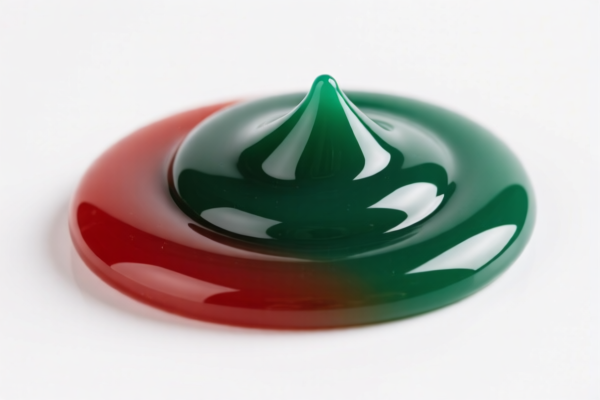

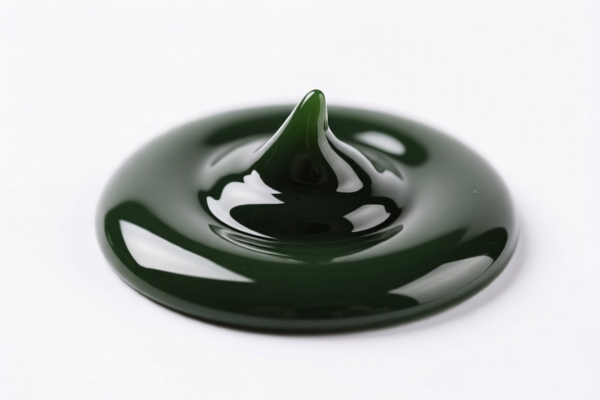

AI分析
🧪 Resin Mixture (树脂混合物)
🌐 HS Code Reference & Customs Clearance Guide | 2026 Latest Tariff Analysis | Professional Clearance Strategy
📌 1. Product Definition & Classification: Do You Really Understand "Resin Mixture"?
"Resin Mixture" is a broad term in international trade that generally refers to polymer-based substances. However, in customs classification, the state (waste vs. new) and chemical composition (epoxy vs. polycarbonate vs. other plastics) are the critical factors determining the HS Code and tax liability.
International trade typically distinguishes between: * Waste/Scrap (3915): Discarded residues, chips, or offcuts from processing. * Virgin/New Resins (3907, 9001): New chemical products used for manufacturing, electronics, or optics.
⚠️ Key Distinction:
- If the product is discarded waste, chips, or scrap → Classified under 3915 (Plastic Waste).
- If the product is new, high-transparency optical material → Classified under 9001 (Optical Plastics).
- If the product is a specific chemical polymer (Epoxy/Polycarbonate) → Classified under 3907 (Chemical Polymers).
📦 2. HS Code Classification Details (2026 Latest Tariff Reference)
Based on the provided data, here are the specific classifications for "Resin Mixture" variants:
| HS Code | Product Description | Key Characteristics | Tax Category |
|---|---|---|---|
3915.90.00.90 |
Waste Resin Mixture: Other plastic waste, offcuts & scraps | Discarded industrial waste; non-recyclable or mixed waste | High Tariff (35%) |
3915.90.00.10 |
Waste Resin Mixture: Plastic waste, chips & offcuts | Specifically categorized as plastic waste/chips | High Tariff (35%) |
9001.10.00.50 |
High Transparency Resin Mixture: Other plastics | High-clarity optical grade; used in lenses or displays | Highest Tariff (41.7%) |
3907.30.00.00 |
High Transparency Resin Mixture: Epoxy Resins | Epoxy-based polymers; used in adhesives, coatings, composites | High Tariff (41.1%) |
3907.40.00.00 |
High Transparency Resin Mixture: Polycesters (e.g., PC) | Polyester-type polymers including Polycarbonate | High Tariff (40.8%) |
🔍 Critical Note:
- Waste (3915) vs. New Product (3907/9001): Do not misclassify new high-value resins as waste to avoid higher tariffs or rejection. Conversely, do not classify waste as new products, which triggers strict environmental regulations.
- Specific Chemical Identity: Customs requires precise identification of the polymer type (Epoxy vs. Polycarbonate) under heading 3907.
💰 3. 2026 Latest Tariff Rate Breakdown (Including Surcharges)
✅ Applicable Country: United States (US)
✅ Origin: China (CN)
✅ Effective Date: Current tariffs apply (Section 301 & 122 Clauses)
🎯 1. Plastic Waste (3915.90.00.10 & 3915.90.00.90)
| Item | Detail |
|---|---|
| Base Tariff | 0.0% (Ad Valorem) |
| Section 301 Surcharge | +25.0% |
| Section 122 Tariff | +10.0% |
| Total Effective Rate | 35.0% |
| De Minimis Exemption | ❌ Not Eligible (Section 301 and 122 goods are generally excluded from 80.01 de minimis relief) |
| Legal Basis | USITC:3915.90 + Footnote: Section 301 (25%) + Section 122 (10%) |
📌 Explanation:
- Base 0%: Standard MFN rate for plastic waste is zero.
- +25% (Section 301): Retaliatory tariff on Chinese goods.
- +10% (Section 122): Specific tariff on certain plastic/resin-related items.
- Total 35%: Applies to all plastic waste imports from China.
🎯 2. High-Transparency Resin (Optical/Polycarbonate) (9001.10.00.50)
| Item | Detail |
|---|---|
| Base Tariff | 6.7% |
| Section 301 Surcharge | +25.0% |
| Section 122 Tariff | +10.0% |
| Total Effective Rate | 41.7% |
| De Minimis Exemption | ❌ Not Eligible |
| Legal Basis | IEEPA:9903.01.25 + USITC:9001.10 + Footnote: 122 |
📌 Explanation:
- Base 6.7%: Standard rate for optical plastic materials.
- Surcharge Total: 35% additional on top of base.
- Total 41.7%: One of the highest rates due to base rate + dual surcharges.
🎯 3. Epoxy Resin (3907.30.00.00)
| Item | Detail |
|---|---|
| Base Tariff | 6.1% |
| Section 301 Surcharge | +25.0% |
| Section 122 Tariff | +10.0% |
| Total Effective Rate | 41.1% |
| De Minimis Exemption | ❌ Not Eligible |
| Legal Basis | IEEPA:9903.01.24 + USITC:3907.30 + Footnote: 122 |
📌 Explanation:
- Epoxy resins are subject to a slightly lower base rate than optical plastics but still bear the full impact of trade sanctions.
🎯 4. Polycarbonate/Polyesters (3907.40.00.00)
| Item | Detail |
|---|---|
| Base Tariff | 5.8% |
| Section 301 Surcharge | +25.0% |
| Section 122 Tariff | +10.0% |
| Total Effective Rate | 40.8% |
| De Minimis Exemption | ❌ Not Eligible |
| Legal Basis | IEEPA:9903.01.24 + USITC:3907.40 + Footnote: 122 |
📌 Explanation:
- Polycarbonate (PC) is a high-performance engineering plastic.
- Lowest base rate (5.8%) among new resins, but still results in ~41% total duty.
🛠️ 4. Customs Clearance Practical Advice (Real-World Pitfall Avoidance)
✅ 1. Documentation Checklist (Mandatory)
| Document | Required | Notes |
|---|---|---|
| ✅ Product Specification Sheet | ✔️ | Must specify: Polymer type (Epoxy/PC/Optical), Transparency %, Chemical Composition. |
| ✅ Certificate of Analysis (COA) | ✔️ | Proves it is "High Transparency Resin" vs. "Waste". Critical for 3907/9001. |
| ✅ Commercial Invoice | ✔️ | Clearly state: "New Virgin Resin" or "Plastic Scrap/Waste" per HS code. |
| ✅ Packing List | ✔️ | Detail net/gross weight, volume. |
| ✅ FCC/RoHS Compliance | ✔️ | For optical/resin products used in electronics. |
✅ 2. Classification Strategy (Key Mnemonic)
🔥 “Waste is 3915, New is 3907/9001. Base Rate + 35% = High Cost!”
| Scenario | Correct Classification | Risk if Incorrect |
|---|---|---|
| Discarded Resin Chips | 3915.90.00.10 or .90 |
Misclassifying as new → Environmental violation + Fine |
| New Epoxy Resin | 3907.30.00.00 |
Misclassifying as waste → Loss of value deduction |
| Optical Resin Block | 9001.10.00.50 |
Misclassifying as 3907 → Potential penalty for wrong chemical identity |
| Polycarbonate Granules | 3907.40.00.00 |
Must prove it is "Polycarbonate" not generic "Polyester" |
✅ 3. Special Considerations
| Issue | Advice |
|---|---|
| "Resin Mixture" Ambiguity | Customs may reject vague descriptions. Specify: "Epoxy Resin Mixture, 60% Solids" or "Polycarbonate Blend". |
| Section 122 Application | Verify if your specific resin formulation falls under Section 122. Some specific plastic resins are targeted. |
| De Minimis (80.01) | ❌ Do NOT attempt to use de minimis for these HS codes from China. All listed HS codes are explicitly subject to Section 301 and 122 tariffs. |
| Environmental Regulations | Waste resins (3915) may face additional EPA or state-level disposal regulations. Ensure compliance with recycling laws. |
🌍 5. Global Market Comparison (2026 Context)
| Country/Region | Recommended HS Code | Tariff (China Origin) | Key Requirement |
|---|---|---|---|
| 🇺🇸 USA | 3907.30.00.00 / 3915.90.00.10 |
41.1% / 35% | Section 301 + 122 Apply |
| 🇨🇳 China | 3907.30.00.00 |
~6-7% | Standard Import Duty |
| 🇪🇺 EU | 3907.30.00.00 |
~6.5% | REACH Compliance Mandatory |
| 🇯🇵 Japan | 3907.30.00.00 |
~6.0% | FSC Approval for Food Contact |
📌 Conclusion:
- USA is the most expensive market for Resin Mixtures due to the 35% surcharge on top of base rates.
- Waste products (3915) have a lower total rate (35%) than new resins (~41%), but environmental compliance is stricter.
- New Resins (3907/9001) are high-value goods; precise chemical classification is vital to avoid penalties.
📌 6. Common Mistakes & Pitfalls (Lessons Learned)
❌ Mistake 1: Calling "New Resin" "Resin Waste" to avoid high taxes
👉 Consequence: Customs rejects shipment for misdeclaration + environmental fines.
❌ Mistake 2: Using generic "Plastic Resin" on Invoice
👉 Consequence: Customs cannot determine Section 122 applicability → Delays, audits, and potential reclassification.
❌ Mistake 3: Assuming De Minimis applies to small shipments
👉 Consequence: Section 301 and 122 tariffs apply regardless of value. No exemption.
❌ Mistake 4: Confusing "Epoxy" (3907.30) with "Polycarbonate" (3907.40)
👉 Consequence: Different base rates (6.1% vs 5.8%) and different chemical handling requirements.
✅ Correct Practice:
"Virgin Epoxy Resin Mixture, Clear, 25kg Drum, HS 3907.30.00.00, Made in China"
🎯 7. Conclusion: Precision in Classification Saves Money!
🎯 Remember the Mnemonic:
🔹 "Waste is 3915 (35%), New is 3907/9001 (41%). Base + 35% Surcharge!"
🔹 "Be specific: Epoxy? PC? Optical? Waste? Precision prevents penalty!"
📌 Pro Tip:
If you are importing small quantities for R&D, consider if the product qualifies for temporary import or laboratory sample exemptions where available, but never rely on de minimis for China-origin Section 301/122 goods.
📣 Immediate Action:
📞 Consult a licensed customs broker for Pre-Ruling (Advance Ruling) on the specific chemical composition.
🚀 Ensure your Invoice Description matches the HS Code exactly to avoid clearance delays.
✨ Professional Clearance Starts with Accurate Classification!
💼 Every Percent Matters in Tariff Calculations!
用户评价
关于 HS 编码归类
协调制度(HS)是由世界海关组织(WCO)制定的国际贸易商品分类标准。全球 200 多个国家采用 HS 系统作为海关关税、贸易统计和进出口监管的基础。
每个 HS 编码遵循以下层级结构:
- 章(2 位)——商品大类(例如:第 84 章:机器和机械设备)
- 品目(4 位)——章内的更具体分类
- 子目(6 位)——国际通用细分,所有 WCO 成员国统一使用
- 本国细分(8-10 位)——各国自行扩展的细分编码,如美国 HTSUS 10 位编码
正确的 HS 编码归类对于顺利通关、准确缴纳关税和遵守贸易法规至关重要。错误归类可能导致海关延误、多缴关税或罚款。
从CN进口到US时,适用的关税税率可能包括:
- 最惠国(MFN)税率——适用于 WTO 成员国的标准关税税率
- 普通税率——适用于无贸易协定国家
- 贸易救济关税——附加关税,如 301 条款(反倾销)、232 条款(国家安全)或反补贴税
本页内容仅供参考。如需正式归类,请咨询当地海关或持牌报关代理。