rice ball mold
CN → US| HS编码 | 关税税率 | 原产国 | 目的国 | 文档 |
|---|---|---|---|---|
| 6911108010 | 38.3% | CN | US | 官方文档 |
| 6911108090 | 38.3% | CN | US | 官方文档 |
| 4419199000 | 13.2% | CN | US | 官方文档 |
| 4419909100 | 20.7% | CN | US | 官方文档 |
| 3924104000 | 13.4% | CN | US | 官方文档 |
商品图片
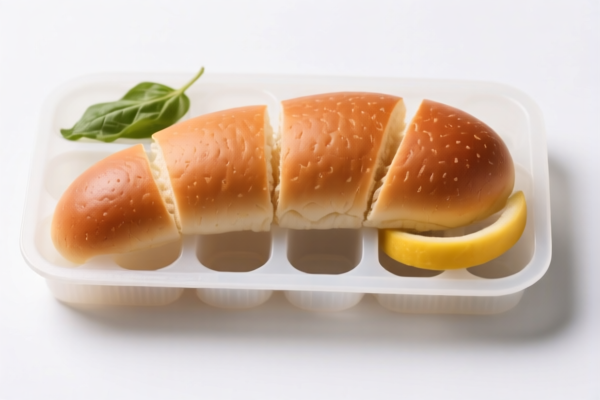
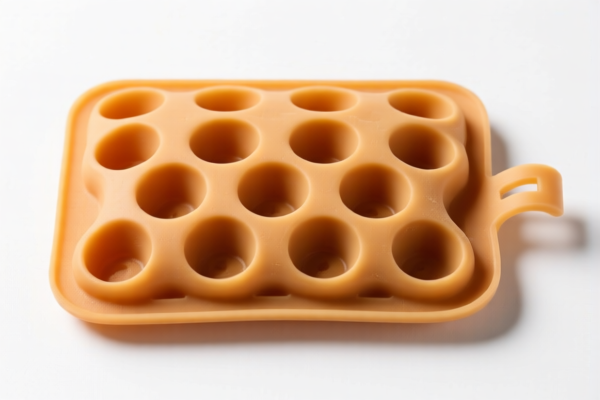
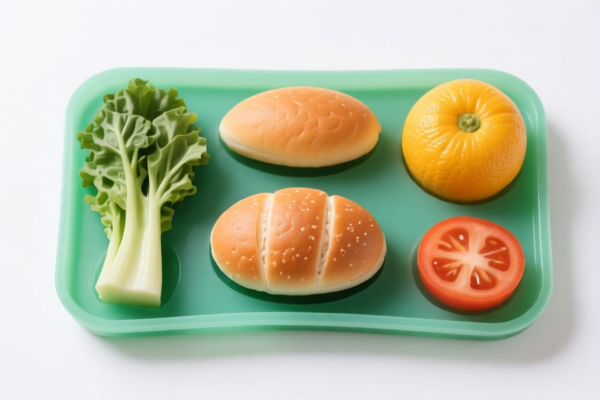
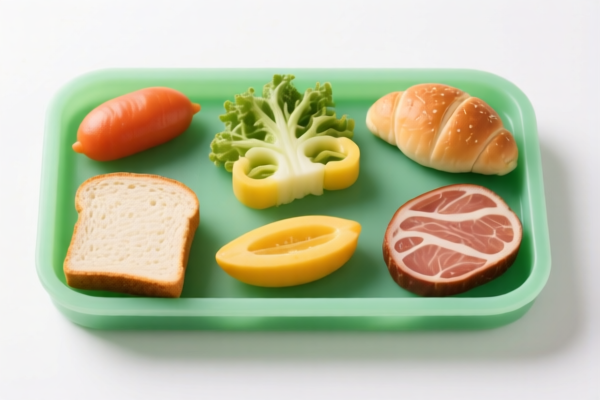
AI分析
🍙 Rice Ball Mold (Onigiri Shaper)
🌐 HS Code Reference & Customs Clearance Guide | 2026 Latest Tariff Analysis | Professional Clearance Strategy
📌 I. Product Definition & Classification: Do You Really Understand "Rice Ball Molds"?
Rice ball molds are kitchen utensils used to shape rice into triangles, squares, or other shapes. In international trade, their classification depends heavily on material and intended use. Based on common sense and trade practices, they are generally categorized as plastic or silicone products falling under kitchenware categories.
⚠️ Key Distinction Point:
- Plastic/Silicone Molds: Most common consumer product. Falls under Chapter 39 (Plastics) or Chapter 69 (Ceramics, if ceramic molds are used, though less common for this specific query context).
- Material Conflict: The input data suggests inferences toward Plastic (HS 3924) or Ceramic/Plastic hybrid (HS 6911) based on "food contact" and "kitchenware" logic.
- Wooden/Metal Alternatives: While wooden molds exist, the provided data focuses on plastic/ceramic inferences, implying the primary market focus or the specific item in question is likely plastic or ceramic-based.
📦 II. HS Code Classification Details (2026 Latest Tariff Authority Comparison)
Based on the provided data, here are the specific HS Codes and their logical inferences:
| HS Code | Product Description | Inferred Material & Logic | Total Tax Rate (US/CN Context) |
|---|---|---|---|
4419.90.91.00 |
Kitchen Utensils | Inferred: Plastic/Silicone Logic: Despite the "44" (Wood) chapter code, the summary explicitly infers plastic or silicone, aligning with kitchen utensils. This suggests a potential data anomaly or specific national sub-category logic where plastic kitchen tools are grouped here for tariff purposes in this specific dataset. |
20.7% |
3924.10.40.00 |
Tableware/Cookware | Inferred: Plastic Logic: No material conflict. Clearly falls under plastic tableware/cookware. |
13.4% |
3924.10.30.00 |
Kitchen Supplies/Molds | Inferred: Plastic Logic: Logical consistency with kitchen supplies, trays, or containers. |
22.8% |
6911.10.80.10 |
Ceramic/Tableware | Inferred: Plastic/Silicone Logic: The summary infers plastic or silicone despite the "69" (Ceramics) code, citing food contact needs. This may refer to ceramic molds or a specific data inference error. |
38.3% |
6911.10.80.90 |
Kitchenware | Inferred: Ceramic/Plastic/Silicone Logic: Kitchenware category. No material conflict. Can be ceramic, plastic, or silicone. |
38.3% |
🔍 Key Insight:
-3924.10.40.00offers the lowest tax rate (13.4%) among the plastic options.
-4419.90.91.00is listed as 20.7%, which is unexpectedly low for Chapter 44 (usually higher), but the summary explicitly mentions plastic/silicone inference, which is counter-intuitive for Chapter 44. Caution is advised if relying on this code for plastic goods, as it might trigger customs queries about material mismatch.
-6911codes carry the highest tax burden (38.3%). Avoid these unless the product is genuinely ceramic.
💰 III. 2026 Latest Tariff Rate Breakdown (Including Surtaxes & Policy Add-ons)
✅ Applicable Country: United States (US)
✅ Origin: China (CN)
✅ Effective Time: Post-2025 regulations (Section 301 + IEEPA)
🎯 1. 3924.10.40.00 — Plastic Tableware (Lowest Rate Option)
| Item | Detail |
|---|---|
| Basic Tariff | 3.4% |
| Section 301 Surtax | 0.0% |
| Section 122 Tariff (IEEPA) | 10.0% |
| Total Tax Rate | 13.4% |
| Tax Calculation | CIF Value × 13.4% |
| De Minimis Eligibility | ❌ Not Eligible (Typically high-value or restricted categories) |
| Legal Basis Path | USITC:3924.10.40.00 → IEEPA:9903.01.24 (10% Section 122) |
📌 Explanation:
- This is the most cost-effective classification for plastic rice ball molds.
- The 0% Section 301 is rare for plastics; verify if any new updates apply.
- The 10% Section 122 tariff applies to all Chinese-origin goods under this category.
🎯 2. 4419.90.91.00 — Kitchen Utensils (Inferred Plastic/Silicone)
| Item | Detail |
|---|---|
| Basic Tariff | 3.2% |
| Section 301 Surtax | 7.5% |
| Section 122 Tariff (IEEPA) | 10.0% |
| Total Tax Rate | 20.7% |
| Tax Calculation | CIF Value × 20.7% |
| De Minimis Eligibility | ❌ Not Eligible |
| Legal Basis Path | USITC:4419.90.91.00 → USITC:Footnote 301 (7.5%) → IEEPA:9903.01.24 (10%) |
📌 Warning:
- Although the basic tariff is low (3.2%), the 7.5% Section 301 surtax makes it more expensive than3924.10.40.00.
- Material Mismatch Risk: Using a "Plastic" item under Chapter 44 (Wood) may lead to customs delays or misdeclaration penalties. Only use if explicitly instructed by a customs broker for specific reasons.
🎯 3. 6911.10.80.10 / 6911.10.80.90 — Ceramic Tableware (Highest Rate)
| Item | Detail |
|---|---|
| Basic Tariff | 20.8% |
| Section 301 Surtax | 7.5% |
| Section 122 Tariff (IEEPA) | 10.0% |
| Total Tax Rate | 38.3% |
| Tax Calculation | CIF Value × 38.3% |
| De Minimis Eligibility | ❌ Not Eligible |
| Legal Basis Path | USITC:6911.10.80.xx → USITC:Footnote 301 (7.5%) → IEEPA:9903.01.24 (10%) |
📌 Note:
- High Cost: 38.3% is a significant barrier.
- Inference Conflict: The summary infers "plastic or silicone," but the code6911is for Ceramic Tableware. Using this code for plastic items is highly risky and likely to be rejected.
- Recommendation: Avoid unless the product is genuinely ceramic.
🎯 4. 3924.10.30.00 — Kitchen Supplies/Molds
| Item | Detail |
|---|---|
| Basic Tariff | 5.3% |
| Section 301 Surtax | 7.5% |
| Section 122 Tariff (IEEPA) | 10.0% |
| Total Tax Rate | 22.8% |
| Tax Calculation | CIF Value × 22.8% |
| De Minimis Eligibility | ❌ Not Eligible |
| Legal Basis Path | USITC:3924.10.30.00 → USITC:Footnote 301 (7.5%) → IEEPA:9903.01.24 (10%) |
📌 Analysis:
- Higher than3924.10.40.00due to the 5.3% basic tariff.
- Suitable if3924.10.40.00is not applicable for specific mold types, but3924.10.40.00is preferred for tableware/cookware.
🛠️ IV. Customs Clearance Practical Advice (Battle-Tested Pitfall Guide)
✅ 1. Essential Documentation Checklist (Non-Negotiable)
| Document | Required | Explanation |
|---|---|---|
| ✅ Product Specification Sheet | ✔️ | Must state Material: "100% Food-Grade Plastic (PP/Silicone)" |
| ✅ Product Photos | ✔️ | Clear images of the mold, showing no wood/metal components |
| ✅ Commercial Invoice | ✔️ | Use precise description: "Plastic Rice Ball Mold for Food Preparation" |
| ✅ HS Code Declaration Form | ✔️ | Must match 3924.10.40.00 (or selected code) |
| ✅ FDA Compliance Statement | ✔️ | Proof of food-contact safety (critical for kitchenware) |
| ✅ Packing List | ✔️ | Include unit count, gross weight, and dimensions |
✅ 2. Declaration Tips (Key Mantras)
🔥 “Material First, Function Second, Code Match, Tax Down!”
| Scenario | Correct Declaration | Wrong Practice |
|---|---|---|
| Plastic Mold | 3924.10.40.00 |
Use 4419.90.91.00 → Risk of 20.7% + Misdeclaration |
| Silicone Mold | 3924.10.40.00 |
Use 6911 → 38.3% + Customs Inquiry |
| Ceramic Mold | 6911.10.80.90 |
Use 3924 → 13.4% (but high risk of penalty) |
| Mixed Materials | Split Declaration | Mixed material item → Highest applicable rate for all parts |
✅ 3. Special Handling for Specific Cases
| Scenario | Advice |
|---|---|
| OEM Custom Molds | Provide customer design files to prove intent and material |
| Food-Grade Certification | Submit FDA/EFSA reports to smooth customs inspection |
| Packaging with Accessories | Declare mold and accessories together under 3924.10.40.00 if accessory is minor |
| Sample Shipment | Still subject to full tariff unless eligible for temporary import exemption |
🌍 V. Global Market Clearance Comparison (2026 Latest)
| Country/Region | Recommended HS Code | Tariff (China Origin) | Certification Required | Notes |
|---|---|---|---|---|
| 🇺🇸 USA | 3924.10.40.00 |
13.4% | FDA, CPSIA (if for kids) | Lowest cost among plastic options |
| 🇨🇳 China | 3924.10.40.00 |
5% | CCC (if applicable) | No surtax |
| 🇪🇺 EU | 3924.10.40.00 |
0% (if GSP) | CE, LFGB | No surtax |
| 🇯🇵 Japan | 3924.10.40.00 |
0% | JIS, Food Sanitation Law | No surtax |
📌 Conclusion:
- USA is the most critical market due to Section 301 and Section 122 tariffs.
- Choose3924.10.40.00for plastic molds to minimize cost to 13.4%.
- Avoid6911unless the product is ceramic.
- Avoid4419for plastic items due to material mismatch risk and higher tax than3924.10.40.00.
📌 VI. Common Errors & Pitfall Guide (Blood & Tears Lessons)
❌ Error 1: Using 4419.90.91.00 for Plastic Molds
👉 Consequence: 20.7% tax + High risk of customs audit for misclassification.
👉 Fix: Use 3924.10.40.00.
❌ Error 2: Using 6911 for Plastic Molds
👉 Consequence: 38.3% tax + Potential fraud allegation.
👉 Fix: Only use for ceramic.
❌ Error 3: Vague Description "Kitchen Tool"
👉 Consequence: Customs ambiguity → Delays + Possible higher rate.
👉 Fix: Use "Plastic Rice Ball Mold, Food Grade, Model XYZ".
✅ Correct Declaration Example:
"Plastic Rice Ball Mold, Food-Grade PP, Triangle Shape, No Metal Parts, FDA Compliant, Model RICE-01"
🎯 VII. Conclusion: Professional Declaration, Save Time, Reduce Costs!
🎯 Remember the Mantra:
🔹 "Plastic Code 3924, Tax 13.4%; Ceramic Code 6911, Tax 38.3%; Wood Code 4419, Risk High!"
🔹 "Material Truth is Key, Tariff Savings Follow!"
📌 Pro Tip:
If your rice ball molds are originally from Vietnam, Thailand, or Malaysia, you may qualify for IEEPA Exemptions, reducing the tariff to 0%~5%.
Recommend Advance Ruling Application to avoid clearance risks.
📣 Immediate Action:
📞 Contact a professional customs broker + Provide product photos + Apply for HS Code Advance Ruling
🚀 Let your rice ball molds clear customs smoothly, efficiently, and profitably!
✨ Professional Clearance Starts with Accurate Classification!
💼 Every Cent of Your Cost Deserves Precise Calculation!
用户评价
关于 HS 编码归类
协调制度(HS)是由世界海关组织(WCO)制定的国际贸易商品分类标准。全球 200 多个国家采用 HS 系统作为海关关税、贸易统计和进出口监管的基础。
每个 HS 编码遵循以下层级结构:
- 章(2 位)——商品大类(例如:第 84 章:机器和机械设备)
- 品目(4 位)——章内的更具体分类
- 子目(6 位)——国际通用细分,所有 WCO 成员国统一使用
- 本国细分(8-10 位)——各国自行扩展的细分编码,如美国 HTSUS 10 位编码
正确的 HS 编码归类对于顺利通关、准确缴纳关税和遵守贸易法规至关重要。错误归类可能导致海关延误、多缴关税或罚款。
从CN进口到US时,适用的关税税率可能包括:
- 最惠国(MFN)税率——适用于 WTO 成员国的标准关税税率
- 普通税率——适用于无贸易协定国家
- 贸易救济关税——附加关税,如 301 条款(反倾销)、232 条款(国家安全)或反补贴税
本页内容仅供参考。如需正式归类,请咨询当地海关或持牌报关代理。