rigid pvc profile
CN → US| HS编码 | 关税税率 | 原产国 | 目的国 | 文档 |
|---|---|---|---|---|
| 3926909987 | 22.8% | CN | US | 官方文档 |
| 3926909989 | 22.8% | CN | US | 官方文档 |
| 3916200010 | 40.8% | CN | US | 官方文档 |
| 3916200020 | 40.8% | CN | US | 官方文档 |
商品图片
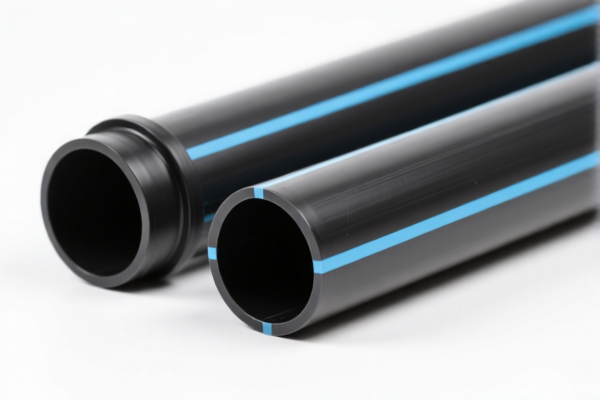

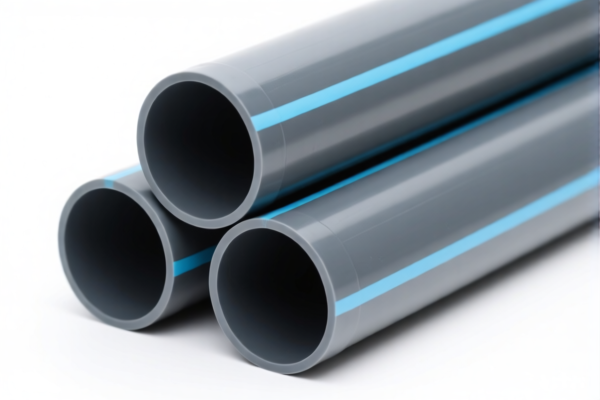
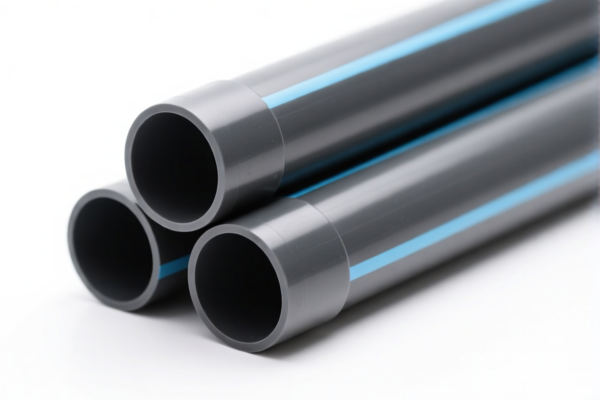
AI分析
🏗️ Rigid PVC Profiles (Extruded Plastics Products)
🌐 HS Code Reference & Clearance Guide | 2026 Latest Tariff Analysis | Professional Customs Strategy
📌 I. Product Definition & Classification: What Exactly Are "Rigid PVC Profiles"?
Rigid PVC Profiles refer to extruded plastic products made primarily from Polyvinyl Chloride (PVC-U) that maintain a fixed shape. They are not yet finished goods (like windows or doors themselves) but are semi-finished components used in construction and interior design.
In international trade, these are categorized under Chapter 39 (Plastics and Articles Thereof), specifically under Heading 3916 (Monofilament, rods, sticks, and profile shapes). The critical distinction lies in the application:
- Siding Profiles: Used for exterior cladding of buildings.
- Window/Door/Decking/Railing Profiles: Used for framing windows, doors, outdoor decking, and balustrades.
- Other Rigid Profiles: General-purpose conduit pipes or other structural shapes.
⚠️ Key Distinction:
- If the product is raw extruded profile (no surface work other than basic smoothing) → Chapter 39.
- If it is a finished window/door assembly → Chapter 70 or 73 (depending on material).
- If it is a simple pipe with cross-section dimensions ≤ 1 mm → Not applicable (these are monofilaments).
- These HS Codes specifically target dimensions > 1 mm in cross-section.
📦 II. HS Code Classification Details (2026 Latest Tariff Authority Mapping)
| HS Code | Product Description | Application Scenario | Surface Work Status |
|---|---|---|---|
3916.20.00.10 |
Siding for house or building exterior | Exterior wall cladding, vinyl siding strips | Surface-worked or not, but not otherwise worked |
3916.20.00.20 |
Window, door, decking or railing profiles | Window frames, door jambs, deck boards, railing posts | Surface-worked or not, but not otherwise worked |
3926.90.99.87 |
Other: Rigid tubes or pipes suitable for use as electrical conduit | Electrical conduit pipes, general rigid plastic tubing | Not intended for siding/windows |
3926.90.99.89 |
Other: Other | Generic rigid plastic profiles not fitting above categories | General purpose, industrial, or miscellaneous |
🔍 Critical Reminder:
- Headings 3916.20.00.10 & .20 fall under "Of polymers of vinyl chloride".
- Headings 3926.90.99.87 & .89 fall under "Other articles of plastics" (may be PVC or other polymers, but classified as "other" if not fitting 3916 specific uses).
- Do not confuse with finished products. These are profiles (extruded shapes), not assembled windows or doors.
💰 III. 2026 Latest Tariff Rate Breakdown (Detailed Tax Clauses)
✅ Applicable Country: United States (US)
✅ Origin: China (CN)
✅ Effective Date: Current rates apply as per 2026 tariff schedule
🎯 1. 3916.20.00.10 & 3916.20.00.20 – Vinyl Chloride Profiles (Siding & Window/Door)
These two codes share the same tariff structure because they are both subsets of "Of polymers of vinyl chloride" under Heading 3916.
| Item | Content |
|---|---|
| Base Tariff Rate | 5.8% (General Ad Valorem) |
| Section 301 Additional Tariff | +25.0% (Retaliatory tariffs on Chinese goods) |
| Total Effective Tax Rate | 30.8% |
| Tax Calculation | CIF Value × 30.8% |
| De Minimis Exemption | ❌ Not Eligible (Value > $800 threshold triggers full duty) |
| Legal Basis Path | HTSUS:3916.20.00 → USITC Footnote 9903.88.01 → Section 301 List 4B |
📌 Explanation:
- The 5.8% is the standard US Most Favored Nation (MFN) rate for PVC profiles.
- The 25.0% is a Section 301 additional duty imposed on Chinese-origin plastics.
- Combined: 30.8%. This is a high-cost item for importers. Cost optimization strategies are essential.
🎯 2. 3926.90.99.87 & 3926.90.99.89 – Other Plastic Articles (Conduit & Misc.)
These codes are classified under "Other articles of plastics and articles of other materials of headings 3901 to 3914". They do not fall under the specific "vinyl chloride profile" heading (3916), but rather the broader "other" category.
| Item | Content |
|---|---|
| Base Tariff Rate | 5.3% (General Ad Valorem) |
| Additional Tariff | +7.5% (Subject to specific trade policies, potentially lower than Section 301 if classified differently or under exclusions) |
| Total Effective Tax Rate | 12.8% |
| Tax Calculation | CIF Value × 12.8% |
| De Minimis Exemption | ❌ Not Eligible (if value > $800) |
| Legal Basis Path | HTSUS:3926.90.99 → USITC Footnote 9903.88.01 (if applicable) |
📌 Explanation:
- The 5.3% base rate is slightly lower than the 5.8% for 3916.
- The 7.5% additional tariff is significantly lower than the 25% for siding/window profiles.
- Combined: 12.8%. This is a much more favorable tariff rate.
- Strategic Note: If your product can be classified as "electrical conduit" or "other article" rather than "siding/window profile," you save 18% in total tax!
🛠️ IV. Customs Clearance Practical Advice (Real-World Pitfall Avoidance)
✅ 1. Documentation Checklist (Non-Negotiable)
| Document | Required? | Description |
|---|---|---|
| ✅ Commercial Invoice | ✔️ | Must clearly state: "Rigid PVC Profile, Extruded, For [Specific Use]" |
| ✅ Packing List | ✔️ | Detail weight, dimensions, and quantity per package |
| ✅ Product Specification | ✔️ | Include: Material (PVC-U), Cross-sectional dimensions, Color, Profile shape (U-shape, L-shape, etc.) |
| ✅ Manufacturer Details | ✔️ | Name and address of the extruder/factory |
| ✅ Certificate of Origin | ✔️ | Essential for proving Chinese origin (triggers Section 301) |
| ✅ Photos of Products | ✔️ | Show cross-section and length to prove "profile" status |
✅ 2. Declaration Tips (Key Mnemonics)
🔥 "Shape Determines Code, Use Defines Rate!"
| Scenario | Correct HS Code | Wrong Approach | Consequence |
|---|---|---|---|
| Exterior Wall Siding Strips | 3916.20.00.10 |
Declare as "General Plastic Bar" | Risk of reclassification + penalties |
| Window Frame Profiles | 3916.20.00.20 |
Declare as "Electrical Conduit" | Fraud risk, high penalties |
| Electrical PVC Conduit Pipes | 3926.90.99.87 |
Declare as "Siding" | Overpay 18% in taxes |
| Generic Plastic Rods (No specific use) | 3926.90.99.89 |
Declare as "Window Profile" | Misdeclaration, audit risk |
✅ 3. Special Considerations
| Situation | Handling Advice |
|---|---|
| Mixed Shipments | If a container contains both siding profiles and conduit pipes, must be split into separate line items with different HS codes. Mixed declaration leads to delays. |
| Surface Treatment | If profiles are painted, textured, or coated for aesthetic purposes, they are still "surface-worked" and fit 3916.20. However, if they are machined to final size (cut to length, drilled), they may be considered "otherwise worked" and potentially classified under 3926 ("Other articles"). |
| Origin Marking | Ensure all packages are clearly marked "Made in China" to avoid unexpected origin disputes. |
🌍 V. Global Market Clearance Comparison (2026 Latest)
| Country/Region | Recommended HS Code | Tariff Rate | Certification Requirements | Notes |
|---|---|---|---|---|
| 🇺🇸 USA | 3916.20.00.10/20 |
30.8% | No special certification | High tax burden; consider cost impact |
| 🇪🇺 EU | 3916.20 (HTS 8-digit) |
6.5% | REACH, RoHS | No additional tariffs |
| 🇨🇳 China | 3916.20 |
6.5% | N/A | Export duty may apply |
| 🇲🇽 Mexico | 3916.20 |
5-10% | NOM Certification | USMCA benefits may apply if processed |
| 🇨🇦 Canada | 3916.20 |
5-6% | CSA Certification | No additional tariffs |
📌 Conclusion:
- The USA is the most expensive market due to the 25% Section 301 tariff.
- EU and Canada offer much more competitive rates (~6.5%).
- Cost-Benefit Analysis: For US-bound goods, evaluate if shifting to3926.90.99.87(if applicable) saves 18% in duties.
📌 VI. Common Errors & Pitfalls (Blood-lesson Guide)
❌ Error 1: Declaring "Window Profiles" as "General Plastic Rods" (3926.90.99.89) to avoid 25% tariff.
👉 Consequence: Customs audit, seizure, and fines for misdeclaration.
❌ Error 2: Failing to specify "PVC-U" (Unplasticized PVC).
👉 Consequence: If plasticized PVC (flexible) is found, it may be classified under different headings with different rates.
❌ Error 3: Mixing "Siding" and "Window" profiles in one line item.
👉 Consequence: Customs may reject the entry or assign the highest applicable rate to the entire shipment.
❌ Error 4: Ignoring "Surface Worked" status.
👉 Consequence: If profiles are cut to final length and drilled, they might be considered "finished articles" (3926) rather than "profiles" (3916). Incorrect declaration can lead to post-entry audits.
✅ Correct Practice:
"Rigid PVC-U Profile, Extruded, Surface-Smoothed, For Window Frame Assembly, Model XYZ, Made in China"
🎯 VII. Conclusion: Precision in Classification Saves Money!
🎯 Remember This Mantra:
🔹 "Siding & Windows → 3916.20 → 30.8% Tax"
🔹 "Conduit & Other → 3926.90 → 12.8% Tax"
🔹 "Be Specific, Be Accurate, Avoid the Audit Trap!"
📌 Pro Tip:
If your PVC profiles can be legitimately classified as "Electrical Conduit" (rigid pipes for wiring) rather than construction siding/windows, you can save 18% in tariffs. Consult with a customs broker to confirm if your product's primary use and physical characteristics qualify for 3926.90.99.87.
📣 Immediate Action:
📞 Engage a Licensed Customs Broker
📄 Prepare Detailed Product Specifications
🚀 Optimize Your HS Code Selection to Maximize Profit Margins
✨ Professional Clearance Starts with Precise Classification!
💼 Every Percent of Duty Saved is Pure Profit!
用户评价
关于 HS 编码归类
协调制度(HS)是由世界海关组织(WCO)制定的国际贸易商品分类标准。全球 200 多个国家采用 HS 系统作为海关关税、贸易统计和进出口监管的基础。
每个 HS 编码遵循以下层级结构:
- 章(2 位)——商品大类(例如:第 84 章:机器和机械设备)
- 品目(4 位)——章内的更具体分类
- 子目(6 位)——国际通用细分,所有 WCO 成员国统一使用
- 本国细分(8-10 位)——各国自行扩展的细分编码,如美国 HTSUS 10 位编码
正确的 HS 编码归类对于顺利通关、准确缴纳关税和遵守贸易法规至关重要。错误归类可能导致海关延误、多缴关税或罚款。
从CN进口到US时,适用的关税税率可能包括:
- 最惠国(MFN)税率——适用于 WTO 成员国的标准关税税率
- 普通税率——适用于无贸易协定国家
- 贸易救济关税——附加关税,如 301 条款(反倾销)、232 条款(国家安全)或反补贴税
本页内容仅供参考。如需正式归类,请咨询当地海关或持牌报关代理。