rivet
CN → US| HS编码 | 关税税率 | 原产国 | 目的国 | 文档 |
|---|---|---|---|---|
| 7318190000 | 90.7% | CN | US | 官方文档 |
| 7415390000 | 88.0% | CN | US | 官方文档 |
| 7415290000 | 88.0% | CN | US | 官方文档 |
| 7318230000 | 85.0% | CN | US | 官方文档 |
| 8308206000 | 35.0% | CN | US | 官方文档 |
商品图片
AI分析
🔩 Rivets (Metal Fasteners for Industrial & Structural Use)
🌐 HS Code Reference & Clearance Guide | 2026 Latest Tariff Analysis | Professional Clearance Strategy
📌 I. Product Definition & Classification: What Exactly is a "Rivet"?
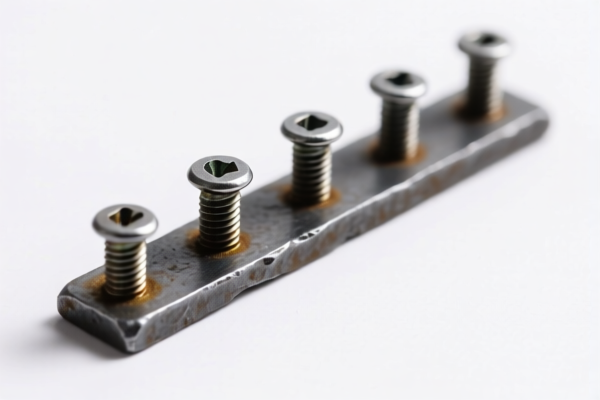
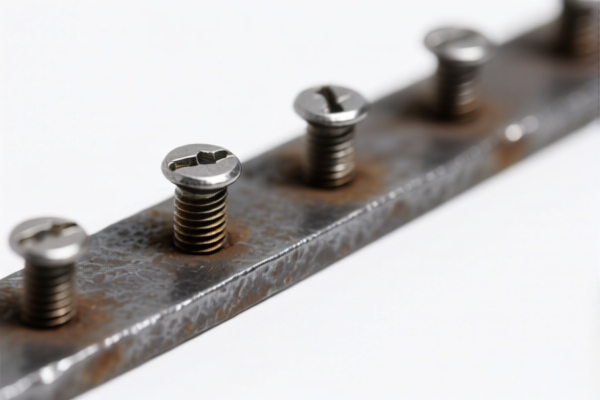
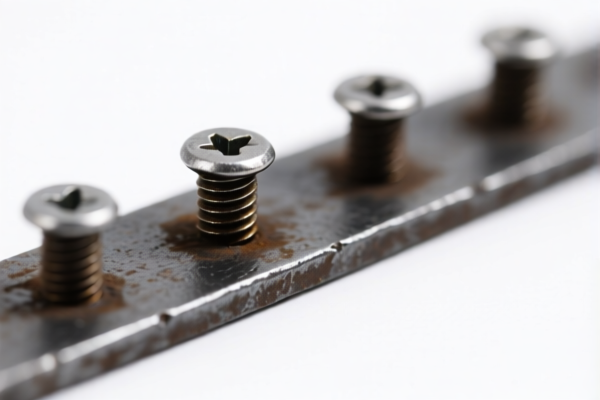
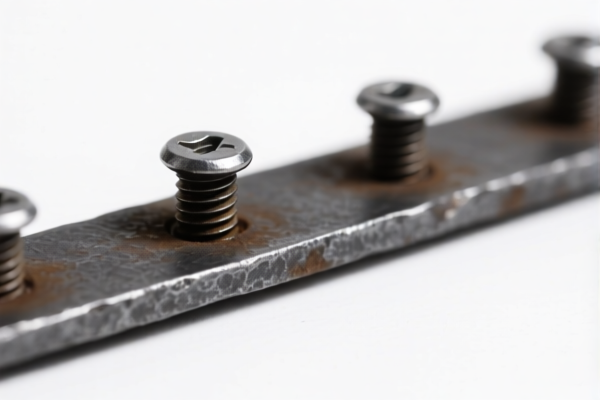
Rivets are permanent mechanical fasteners consisting of a smooth cylindrical shaft with a head on one end. They are used to join two or more workpieces together. In international trade, classification depends strictly on the material (Iron/Steel vs. Copper vs. Other Base Metals) and the type of head/thread (standard vs. specific shapes).
⚠️ Key Distinction Points:
- Iron/Steel Rivets: Most common in structural and general machinery; subject to high Section 232 tariffs.
- Copper Rivets: Often used in electrical or decorative applications; subject to Section 232 tariffs.
- Other Base Metal Rivets: Includes aluminum, zinc, etc. (unless specified as steel/copper); different duty structure.
📦 II. HS Code Classification Details (2026 Latest Tariff Authority Match)
| HS Code | Product Description | Material Type | Total Tax Rate | Key Tax Components |
|---|---|---|---|---|
7318.19.00.00 |
Rivets, of iron or steel, n.e.s. | Iron/Steel | 90.7% | Base: 5.7% + Section 301: 25% + Section 232 (Steel): 10% + Section 122 (Steel): 50% |
7415.39.00.00 |
Rivets, of copper, n.e.s. | Copper | 88.0% | Base: 3.0% + Section 301: 25% + Section 122 (Copper): 50% |
7415.29.00.00 |
Rivets, of copper or copper alloys, n.e.s. | Copper/Copper Alloy | 88.0% | Base: 3.0% + Section 301: 25% + Section 122 (Copper): 50% |
7318.23.00.00 |
Rivets, of iron or steel, n.e.s. | Iron/Steel | 85.0% | Base: 0.0% + Section 301: 25% + Section 122 (Steel): 50% |
8308.20.60.00 |
Rivets, of base metal, n.e.s. | Other Base Metal | 35.0% | Base: 0.0% + Section 301: 25% + Section 122: 10% |
8308.20.30.00 |
Rivets, of base metal, n.e.s. | Other Base Metal | 35.0% | Base: 0.0% + Section 301: 25% + Section 122: 10% |
🔍 Critical Note:
- Steel/Iron Rivets face the highest burden due to overlapping Section 232 (Steel) and Section 122 (Steel) tariffs.
- Copper Rivets avoid the Section 232 Steel tariff but still face Section 122 Copper tariffs.
- "Other Base Metals" (e.g., aluminum rivets not explicitly listed elsewhere) benefit from a lower overall structure, though Section 301 still applies.
💰 III. 2026 Latest Tariff Rate Breakdown (Detailed Policy Explanation)
✅ Applicable Country: United States (US)
✅ Origin: China (CN)
✅ Effective Date: Current rates apply as per 2026 trade policy data.
🎯 1. 7318.19.00.00 & 7318.23.00.00 —— Steel/Iron Rivets
| Item | Detail |
|---|---|
| Base Duty | 0.0% - 5.7% (ad valorem) |
| Section 301 Duty | +25.0% (Retaliatory Tariff on Chinese Goods) |
| Section 232 Duty | +10.0% (National Security Tariff on Steel Products) |
| Section 122 Duty | +50.0% (Additional Tariff on Steel & Aluminum Products) |
| Total Effective Rate | 85.0% - 90.7% |
| Calculation Basis | CIF Value × Total Rate |
| De Minimis Exemption? | ❌ NO (deny_de_minimis) |
| Legal Pathway | USITC:7318.xx.xx → EO:232 Steel → EO:122 Steel/Al → Trade Act 301 |
📌 Explanation:
- The 90.7% rate applies when the base duty is 5.7% (7318.19).
- The 85.0% rate applies when the base duty is 0.0% (7318.23).
- Section 232 (10%) and Section 122 (50%) stack on top of Section 301 (25%), creating an exceptionally high cost barrier.
🎯 2. 7415.39.00.00 & 7415.29.00.00 —— Copper Rivets
| Item | Detail |
|---|---|
| Base Duty | 3.0% (ad valorem) |
| Section 301 Duty | +25.0% |
| Section 122 Duty (Copper) | +50.0% |
| Total Effective Rate | 88.0% |
| Calculation Basis | CIF Value × 88.0% |
| De Minimis Exemption? | ❌ NO |
| Legal Pathway | USITC:7415.xx.xx → EO:122 Copper → Trade Act 301 |
📌 Note:
- Copper rivets do not incur the Section 232 Steel tariff (10%), but they do incur the Section 122 Copper tariff (50%).
- The total rate (88.0%) is slightly lower than steel rivets only because the base duty and Section 232 layer differ.
🎯 3. 8308.20.60.00 & 8308.20.30.00 —— Other Base Metal Rivets
| Item | Detail |
|---|---|
| Base Duty | 0.0% (ad valorem) |
| Section 301 Duty | +25.0% |
| Section 122 Duty | +10.0% |
| Total Effective Rate | 35.0% |
| Calculation Basis | CIF Value × 35.0% |
| De Minimis Exemption? | ❌ NO |
| Legal Pathway | USITC:8308.xx.xx → EO:122 (General/Lower Rate) → Trade Act 301 |
📌 Advantage:
- If your rivets are made of Aluminum, Zinc, Brass (if not classified as copper alloy), or other base metals not covered by Chapters 73/74, the tax burden is significantly lower.
- 35.0% is the most competitive rate among the options provided.
🛠️ IV. Clearance Practical Advice (Real-World Pitfall Guide)
✅ 1. Required Documentation Checklist (Mandatory)
| Document | Required? | Explanation |
|---|---|---|
| ✅ Product Specifications | ✔️ | Must specify material (e.g., "Stainless Steel 304" vs. "Plain Carbon Steel"). Mislabeling leads to reclassification. |
| ✅ Material Test Report | ✔️ | Proof of alloy composition. Critical for distinguishing between Steel (Ch 73), Copper (Ch 74), and Other Base Metals (Ch 83). |
| ✅ Commercial Invoice | ✔️ | Must clearly state "Rivets" and origin. Avoid vague terms like "Fasteners." |
| ✅ Packing List | ✔️ | Show quantity and weight. |
| ✅ Customs Declaration | ✔️ | Accurate HS Code selection based on material. |
✅ 2. Classification Strategy (Key Rules)
🔥 "Material Dictates Code, Code Dictates Tax!"
| Scenario | Correct HS Code | Tax Rate | Why? |
|---|---|---|---|
| Standard Steel Bolts/Rivets | 7318.19.00.00 or 7318.23.00.00 |
85% - 90.7% | Chapter 73 covers Iron/Steel. |
| Copper Rivets (Solid) | 7415.39.00.00 |
88.0% | Chapter 74 covers Copper. |
| Aluminum Rivets | 8308.20.60.00 |
35.0% | Chapter 83 covers Other Base Metals (Aluminum often falls here if not specified elsewhere). |
| Mixed Material Package | Separate Lines | Varies | Never mix steel and copper rivets in one line item. Separate them to avoid penalty or highest-rate application. |
✅ 3. Special Situations
| Situation | Handling Advice |
|---|---|
| Stainless Steel Rivets | Still Steel (7318.xx). Does not get exemption. High tax applies. |
| Titanium Rivets | Check if classified as "Other Base Metals" (8308) or specific titanium heading. If 8308, tax is 35%. Verify with CBP. |
| Small Quantity (De Minimis) | ⚠️ Warning: Current data indicates deny_de_minimis for these HS codes due to Section 301/122. Do not rely on $800 exemption. |
| Assembly Kits | If rivets are packaged with tools/nuts, the entire kit may be classified as rivets or fasteners. Ensure the "essential character" is the rivet. |
🌍 V. Global Market Comparison (2026 Outlook)
| Country/Region | Recommended HS Code | Approx. Total Tax (China Origin) | Certification/Notes |
|---|---|---|---|
| 🇺🇸 USA | 7318.xx / 7415.xx / 8308.xx |
35% - 90.7% | Heavy Section 301/232/122 tariffs. |
| 🇨🇳 China | Same HS Codes | 0% - 5% | Low import duty for domestic use, but export taxes may apply. |
| 🇪🇺 EU | Varies (e.g., 7318) | 0% - 6% | Generally no Section 301/232. CE marking may be required for structural use. |
| 🇯🇵 Japan | Varies | 0% - 5% | JIS standards may apply. |
📌 Conclusion:
- USA is the most expensive market for rivets due to layered tariffs.
- Alternative Supply Chains: Consider sourcing from Vietnam, Mexico, or India if possible, as they may be exempt from Section 301 and 232 tariffs (verify Country of Origin rules).
📌 VI. Common Mistakes & Pitfalls (Lessons Learned)
❌ Mistake 1: Misclassifying Stainless Steel as "Other Base Metal" (8308).
👉 Consequence: Stainless steel is still steel. If cleared as 8308 (35%), CBP will audit and charge 90.7% + penalties.
❌ Mistake 2: Ignoring Section 122 Tariffs.
👉 Consequence: Even if you avoid Section 301, Section 122 (50% for Steel/Copper) still applies. Total cost remains high.
❌ Mistake 3: Combining Steel and Aluminum Rivets in one Line Item.
👉 Consequence: CBP may apply the higher tax rate (90.7%) to the entire shipment or reject the entry.
❌ Mistake 4: Assuming De Minimis ($800) applies.
👉 Consequence: Shipments under $800 may still be subject to duties if the HS code is flagged under Section 301/122 exclusions. Check current USMCA/301 exclusion lists.
✅ Correct Practice:
"Steel Rivets, Carbon Steel, Hot Dipped Galvanized, ASTM B117 Certified, Model XYZ"
"Aluminum Rivets, 6061-T6, Round Head, Model ABC"
🎯 VII. Conclusion: Precise Classification Saves Millions!
🎯 Remember the Mantra:
🔹 "Steel is 90%, Copper is 88%, Other Metals are 35%."
🔹 "Check Material First, Then Check Tariffs."
🔹 "No De Minimis for Steel/Copper Rivets from China."
📌 Pro Tip:
If you are importing large volumes of rivets:
1. Apply for Advance Ruling (CBP Ruling Letter) to confirm the HS Code.
2. Evaluate Sourcing from Non-Chinese Origins (e.g., Mexico under USMCA) to bypass Section 301.
3. Consider Duty Drawback if you re-export the goods using these rivets.
📣 Immediate Action:
📞 Consult a licensed Customs Broker.
📋 Provide Material Safety Data Sheets (MSDS) and Alloy Certificates.
🚀 Optimize your supply chain to mitigate the 85%+ tax burden.
✨ Precision in Classification, Profit in Clearance!
💼 Every percentage point counts!
用户评价
关于 HS 编码归类
协调制度(HS)是由世界海关组织(WCO)制定的国际贸易商品分类标准。全球 200 多个国家采用 HS 系统作为海关关税、贸易统计和进出口监管的基础。
每个 HS 编码遵循以下层级结构:
- 章(2 位)——商品大类(例如:第 84 章:机器和机械设备)
- 品目(4 位)——章内的更具体分类
- 子目(6 位)——国际通用细分,所有 WCO 成员国统一使用
- 本国细分(8-10 位)——各国自行扩展的细分编码,如美国 HTSUS 10 位编码
正确的 HS 编码归类对于顺利通关、准确缴纳关税和遵守贸易法规至关重要。错误归类可能导致海关延误、多缴关税或罚款。
从CN进口到US时,适用的关税税率可能包括:
- 最惠国(MFN)税率——适用于 WTO 成员国的标准关税税率
- 普通税率——适用于无贸易协定国家
- 贸易救济关税——附加关税,如 301 条款(反倾销)、232 条款(国家安全)或反补贴税
本页内容仅供参考。如需正式归类,请咨询当地海关或持牌报关代理。