robotic pool cleaner
CN → US| HS编码 | 关税税率 | 原产国 | 目的国 | 文档 |
|---|---|---|---|---|
| 8509801000 | 10.0% | CN | US | 官方文档 |
| 8479500000 | 37.5% | CN | US | 官方文档 |
| 8479897000 | 35.0% | CN | US | 官方文档 |
| 8509805095 | 14.2% | CN | US | 官方文档 |
商品图片
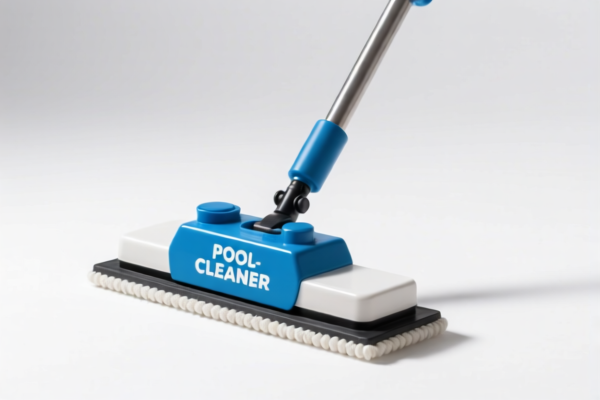
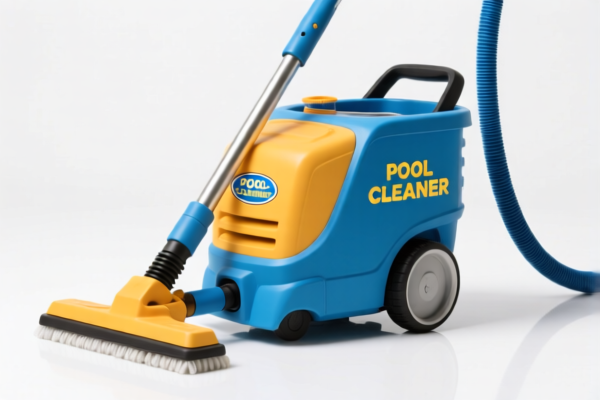
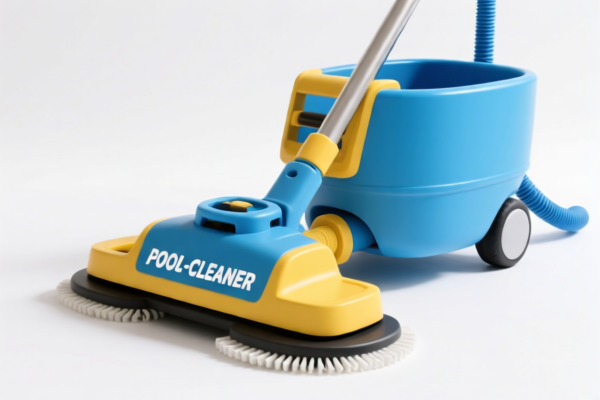
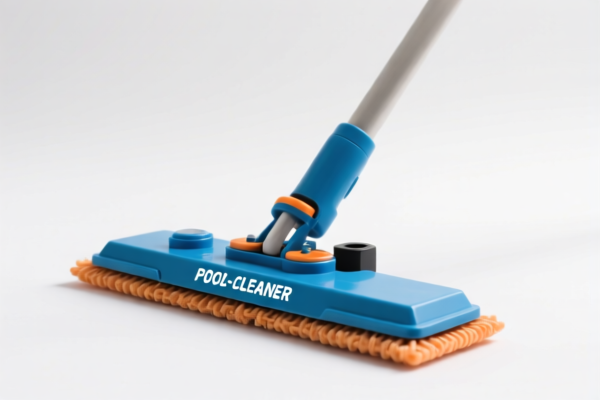
AI分析
🏊♂️ Robotic Pool Cleaner (Electric)
🌐 HS Code Classification & Customs Clearance Guide | 2024-2026 Tax Analysis | Professional Compliance Strategy
📌 I. Product Definition & Classification Logic: Is it a Robot or a Appliance?
A Robotic Pool Cleaner is an automated device designed to clean swimming pool floors and walls. In international trade, its classification hinges on a critical technical distinction: Is it a "Household Electrical Appliance" (Chapter 85) or an "Industrial/Independent Mechanical Apparatus" (Chapter 84)?
The Core Conflict: 1. Home Appliance Logic (Chapter 85): If viewed as a consumer electric device similar to a vacuum cleaner, it falls under 8509. This typically attracts lower base duties but is subject to specific "122 Clause" tariffs. 2. Mechanical Apparatus Logic (Chapter 84): If viewed as a specialized autonomous machine with independent function (robotics), it falls under 8479. This often attracts significantly higher tariffs due to Section 301 and "122 Clause" additions.
⚠️ Key Differentiator:
- Consumer Focus + Electric Motor → Likely 8509 (Lower Base Tax, but complex surcharges).
- Industrial/Autonomous Machine Logic → Likely 8479 (Higher Base Tax + Heavy Section 301 Tariffs).
📦 II. HS Code Classification Details (Based on Provided Data)
| HS Code | Product Description | Matching Logic | Total Tax Rate |
|---|---|---|---|
8509.80.10.00 |
Electric Household Appliances (Other) | Matches "Motor-driven household appliances." Logic: Similar to floor polishers/cleaners. No material/shape conflict. | 10.0% |
8479.50.00.00 |
Robotic Machines (Independent Function) | Matches "Industrial Robots." Logic: Automated cleaning device with mechanical execution parts. | 37.5% |
8479.89.70.00 |
Other Independent Mechanical Appliances | Matches "Other machines." Logic: "Robot" implies automation; function aligns with "carpet sweepers" (cleaning apparatus). | 35.0% |
8509.80.50.95 |
Other Electrical Household Appliances | Matches "Household appliances with self-contained motor." Excludes toothbrushes, can openers, humidifiers. Fits "Other" category. | 14.2% |
🔍 Critical Observation:
- The choice between 8509 (Appliance) and 8479 (Machine) drastically changes the tax burden (10-14.2% vs. 35-37.5%).
- All listed codes include a "122 Clause Tariff" (Section 122 of the Trade Act of 1974, typically related to specific country origin or trade remedy measures, often applying to China-origin goods in this context).
💰 III. 2024-2026 Detailed Tax Breakdown
✅ Context: Based on the provided data, these rates apply to imports subject to standard US trade policies (including Section 301/122 clauses for specific origins).
🎯 1. 8509.80.10.00 —— Electric Household Appliances (Other)
Best Case Scenario for Low Base Tax
| Item | Detail |
|---|---|
| Base Duty | 0.0% |
| Section 301 Surcharge | 0.0% |
| 122 Clause Tariff | +10.0% |
| Total Effective Rate | 10.0% |
| Legal Basis | Chapter 85 (Electrical Machinery); Subheading 8509 (Household appliances). |
| Strategy Note | This classification leverages the "Household Appliance" definition to avoid the higher "Robot" duties. |
📌 Explanation:
- This is the lowest tax bracket among the options.
- It assumes the cleaner is purely an electrical device for home use, akin to a vacuum.
- Risk: Customs may reclassify as 8479 if the device is deemed too complex or "industrial" in nature.
🎯 2. 8479.50.00.00 —— Robots (Independent Function)
Highest Tax Scenario
| Item | Detail |
|---|---|
| Base Duty | 2.5% |
| Section 301 Surcharge | +25.0% |
| 122 Clause Tariff | +10.0% |
| Total Effective Rate | 37.5% |
| Legal Basis | Chapter 84 (Machinery); Subheading 8479 (Machines with individual functions); Robot specific heading. |
| Strategy Note | Only use if the device is clearly defined as an industrial robot or autonomous machine outside household appliance norms. |
📌 Explanation:
- This is the most expensive classification.
- The 25% Section 301 tariff is the primary cost driver.
- Suitable only if the product is marketed as a "Robot" with advanced AI/autonomy features distinct from standard electric appliances.
🎯 3. 8479.89.70.00 —— Other Independent Mechanical Appliances
High Tax Scenario (Slightly lower than 8479.50)
| Item | Detail |
|---|---|
| Base Duty | 0.0% |
| Section 301 Surcharge | +25.0% |
| 122 Clause Tariff | +10.0% |
| Total Effective Rate | 35.0% |
| Legal Basis | Chapter 84; Subheading 8479 (Other machines). |
| Strategy Note | Avoids the 2.5% base duty of 8479.50 but retains the heavy 25% Section 301 surcharge. |
📌 Explanation:
- Positions the cleaner as a "general independent machine" rather than a specific "robot."
- Still subject to the 25% penalty tariff, making it significantly more expensive than Chapter 85 options.
🎯 4. 8509.80.50.95 —— Other Electrical Household Appliances
Moderate Tax Scenario
| Item | Detail |
|---|---|
| Base Duty | 4.2% |
| Section 301 Surcharge | 0.0% |
| 122 Clause Tariff | +10.0% |
| Total Effective Rate | 14.2% |
| Legal Basis | Chapter 85; Subheading 8509 (Household appliances). |
| Strategy Note | A safe middle-ground if 8509.10 is not applicable. Higher base than 8509.10 but no Section 301 tariff. |
📌 Explanation:
- 4.2% Base Duty is higher than the 0% in 8509.10.
- No Section 301 Surcharge is the key advantage here.
- Total cost (14.2%) is still much lower than the Chapter 84 options (35%+).
🛠️ IV. Customs Clearance Practical Advice
✅ 1. Documentation Requirements (The "Proof" Kit)
| Document | Requirement | Purpose |
|---|---|---|
| Product Specifications | Must detail motor type, voltage, control system | To prove it is an "Electric Appliance" (Ch 85) vs. "Mechanical Robot" (Ch 84). |
| User Manual | Label as "Household Pool Cleaner" | Supports classification under 8509 (Household use). Avoid words like "Industrial Robot." |
| Circuit Diagram | Show self-contained motor and control unit | Essential for 8509 classification (electrical nature). |
| Commercial Invoice | Describe as "Electric Robotic Pool Cleaner for Home Use" | Clear description prevents ambiguity. |
| Photos | Show product in a residential pool setting | Visual evidence of "Household" application. |
✅ 2. Classification Strategy (How to Save Money)
| Strategy | Action | Target HS Code | Potential Savings |
|---|---|---|---|
| 🏆 Optimal | Emphasize Household Appliance features (electric motor, simple automation) | 8509.80.10.00 |
Saves ~25-27.5% vs. Chapter 84 |
| 🥈 Good | Emphasize Other Electrical Appliance if 8509.10 is contested | 8509.80.50.95 |
Saves ~20-23% vs. Chapter 84 |
| ⚠️ Risky | Classify as Robot/Machine | 8479.50.00.00 |
High risk of audit; Higher tax |
📌 Key Tip:
- Avoid the word "Robot" in the HTS Description if possible. Use terms like "Automatic Electric Pool Cleaner" or "Electric Submersible Cleaner."
- If Customs challenges 8509, be prepared to argue that it lacks the complex mechanical armatures or industrial capabilities of a true "Robot" under 8479.
🌍 V. Global Market Comparison (2024-2026)
| Region | Recommended HS | Est. Duty | Key Certifications | Notes |
|---|---|---|---|---|
| 🇺🇸 USA | 8509.80.10.00 |
10.0% | FCC, UL, CPSC | 122 Clause applies. Avoid 8479 to save 25%. |
| 🇨🇳 China | 8509.80 |
~10-12% | CCC | No Section 301/122 surcharges. |
| 🇪🇺 EU | 8508 (Vacuum-like) |
~4-6% | CE, RoHS, WEEE | Often classified as vacuum cleaners or similar. |
| 🇬🇧 UK | 8508 |
~4-6% | UKCA, RoHS | Post-Brexit rules similar to EU but requires UKCA. |
| 🇦🇺 Australia | 8508 |
~5% | RCM, G-Mark | Standard appliance rates. |
📌 Conclusion:
- The USA is the most complex market due to the 122 Clause and potential Section 301 tariffs.
- Chapter 85 (Electrical) is vastly superior to Chapter 84 (Mechanical) for tariff purposes.
📌 VI. Common Pitfalls & How to Avoid Them
❌ Pitfall 1: Using the word "Robot" prominently in marketing materials.
👉 Consequence: Customs may classify under 8479, triggering a 25% Section 301 surcharge.
✅ Fix: Use "Automatic Electric Cleaner" in technical docs; keep "Robot" as a marketing term only.
❌ Pitfall 2: Misclassifying as "Parts" (e.g., 8509.90).
👉 Consequence: If declared as a part, it may not qualify for the full appliance rate or may be subject to different rules.
✅ Fix: Declare as "Complete Unit".
❌ Pitfall 3: Ignoring the 122 Clause.
👉 Consequence: Unexpected 10% surcharge on all classifications listed above.
✅ Fix: Budget for 10% extra tax regardless of HS Code choice.
🎯 VII. Final Recommendation: The "Safe & Smart" Path
🎯 Target HS Code: 8509.80.10.00
Reason:
1. Lowest Total Tax (10%).
2. Logical Fit: It is an electric household appliance with a motor, similar to a vacuum.
3. Lowest Risk: Avoids the heavy Section 301 tariffs associated with Chapter 84.
📢 Action Plan:
1. Update Product Documentation: Change "Robot" to "Automatic Electric Cleaner" in specs.
2. Verify Motor Specs: Ensure the motor is clearly self-contained and electric.
3. File with Customs Broker: Request pre-classification support for 8509.80.10.00.
4. Prepare for 122 Clause: Budget an additional 10% on top of the base duty.
✨ Pro Tip:
If your supplier claims it's a "Robot," ask for the technical definition. If it has no complex mechanical arms or industrial PLC controls, it is electronic/electrical in nature, supporting Chapter 85.
💼 Precision in Classification = Precision in Profit.
🚀 Start with 8509, avoid 8479, and save 25% today!
用户评价
关于 HS 编码归类
协调制度(HS)是由世界海关组织(WCO)制定的国际贸易商品分类标准。全球 200 多个国家采用 HS 系统作为海关关税、贸易统计和进出口监管的基础。
每个 HS 编码遵循以下层级结构:
- 章(2 位)——商品大类(例如:第 84 章:机器和机械设备)
- 品目(4 位)——章内的更具体分类
- 子目(6 位)——国际通用细分,所有 WCO 成员国统一使用
- 本国细分(8-10 位)——各国自行扩展的细分编码,如美国 HTSUS 10 位编码
正确的 HS 编码归类对于顺利通关、准确缴纳关税和遵守贸易法规至关重要。错误归类可能导致海关延误、多缴关税或罚款。
从CN进口到US时,适用的关税税率可能包括:
- 最惠国(MFN)税率——适用于 WTO 成员国的标准关税税率
- 普通税率——适用于无贸易协定国家
- 贸易救济关税——附加关税,如 301 条款(反倾销)、232 条款(国家安全)或反补贴税
本页内容仅供参考。如需正式归类,请咨询当地海关或持牌报关代理。