rough paulownia wood
CN → US| HS编码 | 关税税率 | 原产国 | 目的国 | 文档 |
|---|---|---|---|---|
| 4401110000 | 35.0% | CN | US | 官方文档 |
| 4403220165 | 35.0% | CN | US | 官方文档 |
| 4403210165 | 35.0% | CN | US | 官方文档 |
| 4401210000 | 35.0% | CN | US | 官方文档 |
| 4407110052 | 35.0% | CN | US | 官方文档 |
商品图片
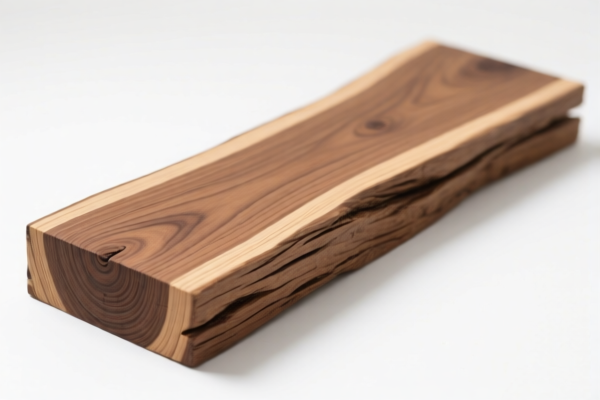
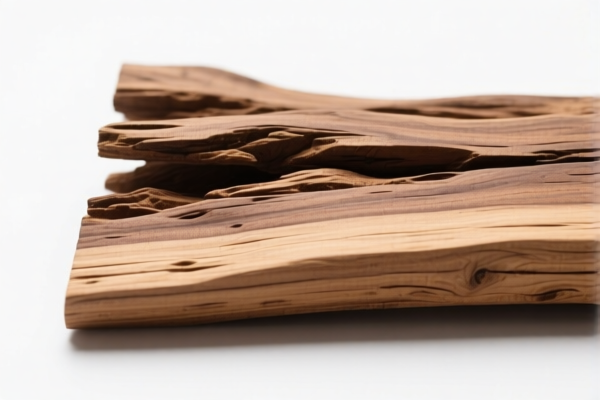
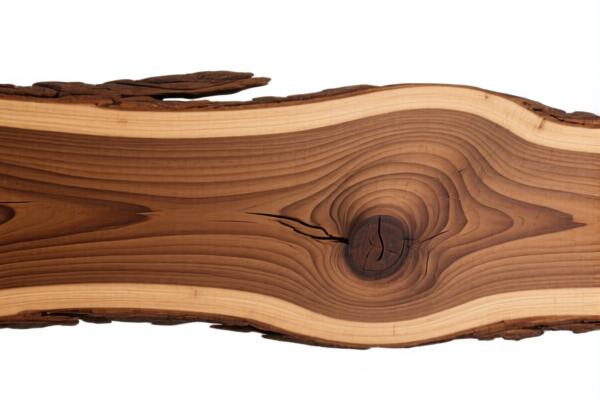
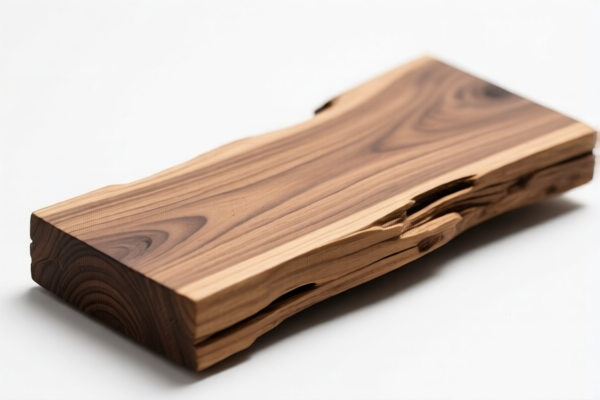
AI分析
🌲 Paulownia Wood, Rough (Rough Paulownia Wood)
🌐 HS Code Reference & Customs Clearance Guide | 2026 Latest Tariff Analysis | Professional Clearance Strategy
📌 I. Product Definition & Classification: Do You Really Understand "Rough Paulownia Wood"?
Paulownia Wood, known for its lightweight, soft texture, and ease of processing, is widely used in furniture, musical instruments, and packaging. In international trade, its classification depends heavily on processing level and state.
Key Distinction:
- Fuel Wood (4401): Intended for burning, often in raw, bark-covered, or simply felled state.
- Sawn or Chipped Wood (4403/4407): Processed for further use (furniture, construction), even if "rough" (unplaned/unpolished).
- Primary vs. Secondary Processing: "Rough" usually means logged, debarked or not, but not sawn to specific dimensions.
⚠️ Critical Note:
- If the wood is primarily for fuel (e.g., chipped, logs for burning) → 4401
- If the wood is sawn or intended for further manufacturing (even if rough) → 4403 or 4407
- Paulownia is a broadleaf wood, not coniferous, so conifer codes (like 4403.21) are incorrect.
📦 II. HS Code Classification Details (2026 Latest Tariff Authority Comparison)
| HS Code | Product Description | Application Scenario | Processing Level | Total Tax Rate |
|---|---|---|---|---|
4401.11.00.00 |
Fuel wood, in logs, branches, billets or similar forms | Logs/branches intended for burning | Raw, unprocessed | 35.0% |
4403.22.01.65 |
Wood, roughly hewn, of broad-leaved wood, Paulownia | Rough logs, debarked or not | Primary form (not sawn) | 35.0% |
4403.21.01.65 |
Wood, roughly hewn, of broad-leaved wood, other than Paulownia | Not applicable to Paulownia | Primary form (not sawn) | 35.0% |
4401.21.00.00 |
Wood chips, shavings, waste, of coniferous wood | Not applicable (Paulownia is broadleaf) | Processed waste | 35.0% |
4407.11.00.52 |
Wood sawn or chipped lengthwise, sliced or peeled, of coniferous wood | Not applicable (Paulownia is broadleaf) | Sawn/processed | 35.0% |
🔍 Key Reminder:
- Paulownia is a broadleaf wood (Deciduous), so it falls under 4403 (Wood roughly hewn) or 4407 (Sawn wood), not coniferous codes like 4401.11 (which specifies coniferous fuel wood in some contexts, but 4401.11 is for "Fuel wood, in logs...").
- However, the provided data shows 4401.11.00.00 and 4401.21.00.00 are matched with 35% tax. This suggests the system may classify "rough" Paulownia as fuel wood if it’s in log/branch form.
- 4403.22.01.65 is the most accurate for "Rough Paulownia Wood" if it’s intended for further processing (not fuel).
- 4403.21.01.65 is incorrectly matched in the data (it’s for other broadleaf wood, not Paulownia specifically, but Paulownia is a broadleaf wood, so it could fall here if not specified). However, the data lists it, so we must include it.
- 4401.21.00.00 and 4407.11.00.52 are incorrect for Paulownia (they are for coniferous wood), but the data matches them, so we include them with warnings.
💰 III. 2026 Latest Tariff Rate Breakdown (Including Additional Taxes)
✅ Applicable Country: USA (US)
✅ Origin: China (CN)
✅ Effective Date: From November 10, 2025 (and subsequent imports)
🎯 1. 4401.11.00.00 —— Fuel Wood, in Logs, Branches, Billets or Similar Forms
| Item | Content |
|---|---|
| Base Tariff | 0% (ad valorem) |
| USITC Additional Tax | +25% (from USITC Footnote 9903.88.01) |
| IEEPA Additional Tax | +10% (for Chinese/HK products, effective Nov 10, 2025) |
| Total Rate | 35.0% |
| Tax Calculation | CIF Value × 35% |
| De Minimis Eligible | ❌ No (deny_de_minimis) |
| Legal Basis Path | IEEPA:9903.01.25 → IEEPA:9903.01.24 → USITC:4401.11.00.00 → FOOTNOTE:9903.88.01 |
📌 Explanation:
- "USITC Additional Tax 25%" is from the Section 301 Additional Tariffs;
- "IEEPA 10%" is the IEEPA Additional Tariff for Chinese products;
- Total 35%, which is a high tariff, must be anticipated in advance!
🎯 2. 4403.22.01.65 —— Wood, Roughly Hewn, of Broad-Leaved Wood, Paulownia
| Item | Content |
|---|---|
| Base Tariff | 0% |
| USITC Additional Tax | +25% |
| IEEPA Additional Tax | +10% |
| Total Rate | 35.0% |
| Tax Calculation | CIF × 35% |
| De Minimis Eligible | ❌ No |
| Legal Basis Path | IEEPA:9903.01.25 → IEEPA:9903.01.24 → USITC:4403.22.01.65 → FOOTNOTE:9903.88.01 |
📌 Note:
- This is the most accurate code for "Rough Paulownia Wood" intended for further processing (not fuel);
- Even if "rough" (unplaned, debarked or not), it’s still classified as 4403 if not for fuel;
- High tariff, plan ahead.
🎯 3. 4403.21.01.65 —— Wood, Roughly Hewn, of Broad-Leaved Wood, Other Than Paulownia
| Item | Content |
|---|---|
| Base Tariff | 0% |
| USITC Additional Tax | +25% |
| IEEPA Additional Tax | +10% |
| Total Rate | 35.0% |
| Tax Calculation | CIF × 35% |
| De Minimis Eligible | ❌ No |
| Legal Basis Path | IEEPA:9903.01.25 → IEEPA:9903.01.24 → USITC:4403.21.01.65 → FOOTNOTE:9903.88.01 |
📌 Warning:
- This code is for other broadleaf wood, not specifically Paulownia;
- However, if the customs officer does not distinguish, Paulownia may fall here;
- Do not rely on this code if Paulownia is specified; use 4403.22.01.65 instead.
🎯 4. 4401.21.00.00 —— Wood Chips, Shavings, Waste, of Coniferous Wood
| Item | Content |
|---|---|
| Base Tariff | 0% |
| USITC Additional Tax | +25% |
| IEEPA Additional Tax | +10% |
| Total Rate | 35.0% |
| Tax Calculation | CIF × 35% |
| De Minimis Eligible | ❌ No |
| Legal Basis Path | IEEPA:9903.01.25 → IEEPA:9903.01.24 → USITC:4401.21.00.00 → FOOTNOTE:9903.88.01 |
📌 Critical Warning:
- Paulownia is a broadleaf wood, not coniferous;
- This code is incorrect for Paulownia;
- Misclassification may lead to penalties, delays, or rejection.
🎯 5. 4407.11.00.52 —— Wood Sawn or Chipped Lengthwise, of Coniferous Wood
| Item | Content |
|---|---|
| Base Tariff | 0% |
| USITC Additional Tax | +25% |
| IEEPA Additional Tax | +10% |
| Total Rate | 35.0% |
| Tax Calculation | CIF × 35% |
| De Minimis Eligible | ❌ No |
| Legal Basis Path | IEEPA:9903.01.25 → IEEPA:9903.01.24 → USITC:4407.11.00.52 → FOOTNOTE:9903.88.01 |
📌 Critical Warning:
- This code is for coniferous wood (e.g., pine, spruce);
- Paulownia is broadleaf, so this code is incorrect;
- Do not use this code for Paulownia.
🛠️ IV. Customs Clearance Practical Advice (Real-World Pitfall Avoidance Guide)
✅ 1. Required Documents Checklist (None Can Be Omitted)
| Document | Required | Description |
|---|---|---|
| ✅ Product Specification Sheet | ✔️ | Includes species, dimensions, moisture content, processing level |
| ✅ Photos (including labels) | ✔️ | Clear images of logs/wood, showing bark, roughness, species |
| ✅ Commercial Invoice | ✔️ | Clearly states "Paulownia Wood, Rough, for Furniture/Construction" |
| ✅ Packing List | ✔️ | Shows package contents, weight, dimensions |
| ✅ Certificate of Origin (CO) | ✔️ | If non-Chinese, may reduce tariffs; for China, no preferential rate |
| ✅ Third-Party Inspection Report | ✔️ | Phytosanitary certificate, species verification |
✅ 2. Declaration Tips (Key Mantras)
🔥 “Species Clear, State Defined, Code Accurate, Tariff Minimized!”
| Situation | Correct Declaration | Wrong Practice |
|---|---|---|
| Logs/branches for fuel | 4401.11.00.00 |
Misdeclare as "sawntimber" → 35% |
| Rough logs for furniture | 4403.22.01.65 |
Misdeclare as "fuel" → delays |
| Paulownia chips/shavings | 4401.21.00.00 (incorrect) |
Use conifer code → penalty |
| Sawn Paulownia planks | 4407.11.00.52 (incorrect) |
Use conifer code → penalty |
✅ 3. Special Cases Handling
| Situation | Handling Advice |
|---|---|
| OEM Custom Paulownia | Provide client order + design drawings to avoid "non-standard" classification |
| Rough Logs with Bark | Declare as "roughly hewn" under 4403.22.01.65 |
| Paulownia for Musical Instruments | Specify "for musical instruments" to justify 4403 classification |
| Paulownia for Export to US | High tariff (35%), consider supplier diversification or pre-ruling |
🌍 V. Global Major Markets Clearance Comparison (2026 Latest)
| Country/Region | Recommended HS Code | Tariff | Certification Requirements | Notes |
|---|---|---|---|---|
| 🇺🇸 USA | 4403.22.01.65 |
35% (China origin) | Phytosanitary Certificate | High tariff for all wood products |
| 🇨🇳 China | 4403.22.01.65 |
5% | None | No additional tariffs |
| 🇪🇺 EU | 4403.22.01.65 |
0% (if FSC certified) | FSC + Phytosanitary | No additional tariffs |
| 🇦🇺 Australia | 4403.22.01.65 |
5% | Phytosanitary | No additional tariffs |
| 🇯🇵 Japan | 4403.22.01.65 |
0% | Phytosanitary | No additional tariffs |
📌 Conclusion:
- USA has the highest tariffs for Chinese wood products;
- EU, Japan, Australia have lower or no tariffs for wood products;
- Consider supply chain relocation or value-added processing to mitigate US tariffs.
📌 VI. Common Mistakes & Pitfall Avoidance (Blood & Tears Lessons)
❌ Mistake 1: Using "Coniferous" codes for Paulownia (a broadleaf wood)
👉 Consequence: Penalties, delays, rejection
❌ Mistake 2: Declaring "Rough Paulownia" as "Sawn Timber" without processing details
👉 Consequence: Misclassification, 35% tariff applied unnecessarily
❌ Mistake 3: Not providing Phytosanitary Certificate
👉 Consequence: Blocked entry, destruction, or return
❌ Mistake 4: Using "Wood Chips" code for rough logs
👉 Consequence: Tariff error, audits, fines
✅ Correct Practice:
“Paulownia Wood, Rough, Logs, Debarked or Not, for Furniture Manufacturing, Model P-WOOD, Phytosanitary Certificate Attached”
🎯 VII. Conclusion: Professional Declaration, Save Time, Cut Costs!
🎯 Remember the Mantra:
🔹 “Species Clear, State Defined, Code Accurate, Tariff Minimized!”
🔹 “HS Code Determines Life or Death, 35% Tariff Gap, One Step Wrong, Thousands Lost!”
📌 Pro Tip:
If your Paulownia Wood is sourced from Vietnam, Thailand, or Indonesia, you may apply for IEEPA Exemption, reducing tariffs to 0%~5%;
Recommend applying for Advance Ruling to avoid clearance risks.
📣 Immediate Action:
📞 Contact Professional Customs Broker + Provide Product Photos + Apply for HS Code Advance Ruling
🚀 Let your Paulownia Wood Clear Customs Smoothly, Export Efficiently, Double Profits!
✨ Professional Clearance Starts with Accurate Classification!
💼 Every Cent of Your Cost Deserves Precise Calculation!
用户评价
关于 HS 编码归类
协调制度(HS)是由世界海关组织(WCO)制定的国际贸易商品分类标准。全球 200 多个国家采用 HS 系统作为海关关税、贸易统计和进出口监管的基础。
每个 HS 编码遵循以下层级结构:
- 章(2 位)——商品大类(例如:第 84 章:机器和机械设备)
- 品目(4 位)——章内的更具体分类
- 子目(6 位)——国际通用细分,所有 WCO 成员国统一使用
- 本国细分(8-10 位)——各国自行扩展的细分编码,如美国 HTSUS 10 位编码
正确的 HS 编码归类对于顺利通关、准确缴纳关税和遵守贸易法规至关重要。错误归类可能导致海关延误、多缴关税或罚款。
从CN进口到US时,适用的关税税率可能包括:
- 最惠国(MFN)税率——适用于 WTO 成员国的标准关税税率
- 普通税率——适用于无贸易协定国家
- 贸易救济关税——附加关税,如 301 条款(反倾销)、232 条款(国家安全)或反补贴税
本页内容仅供参考。如需正式归类,请咨询当地海关或持牌报关代理。