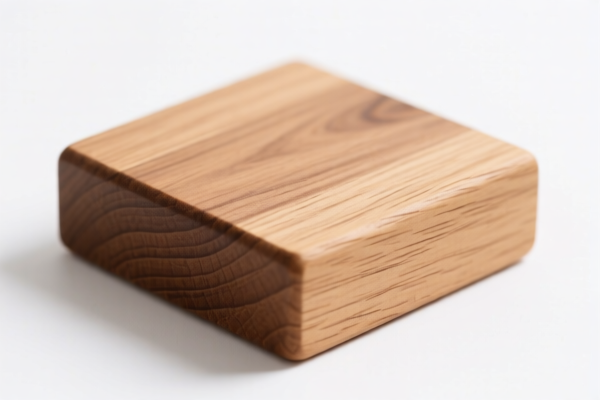
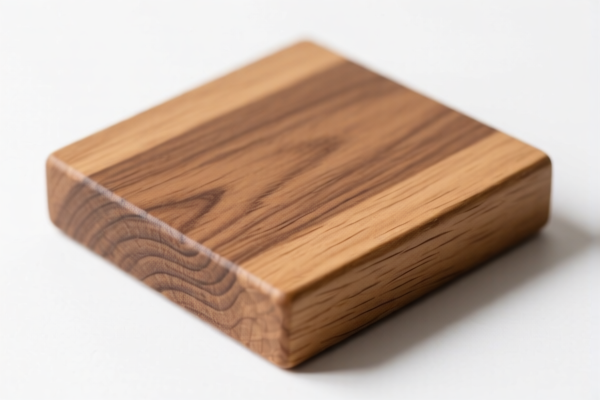
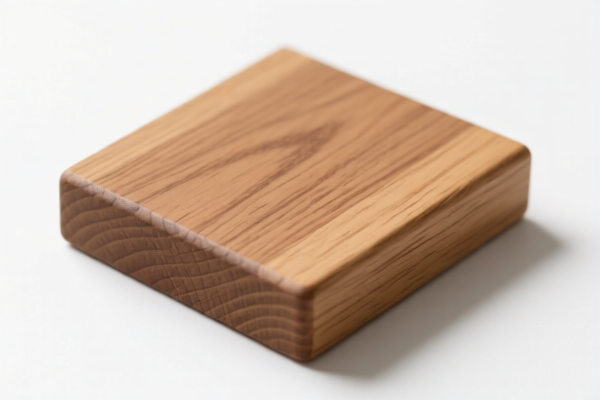
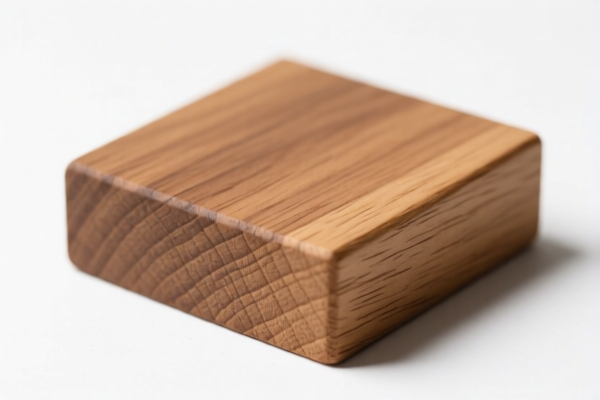
rough square oak unpeeled
CN → US| HS编码 | 关税税率 | 原产国 | 目的国 | 文档 |
|---|---|---|---|---|
| 4407910022 | 35.0% | CN | US | 官方文档 |
| 4407910063 | 35.0% | CN | US | 官方文档 |
商品图片
AI分析
🪵 Red Oak & Oak Lumber (Quercus spp.) – Unpeeled, Rough Square
🌐 HS Code Reference & Customs Clearance Guide | 2026 Latest Tariff Analysis | Professional Clearance Strategy
📌 I. Product Definition & Classification: Do You Really Understand "Unpeeled Oak"?
Wood sawn or chipped lengthwise, sliced or peeled, whether or not planed, sanded, or end-jointed, of a thickness exceeding 6 mm: Other: Of oak (Quercus spp.).
In international trade, oak lumber is strictly categorized by its processing level and species sub-type. The key distinctions are:
Red Oak (Quercus rubra and related species):
Characterized by a reddish-brown heartwood, prominent pores, and lower decay resistance. Often used for furniture, flooring, and cabinets.
Other Oak (Quercus spp. excluding Red Oak):
Includes White Oak (Quercus alba, Quercus montana, etc.), which has a tighter grain structure, tyloses in the pores, and higher water/rot resistance. Commonly used for barrel-making, marine applications, and heavy construction.
⚠️ Key Distinction Point:
- If the wood is Red Oak → It falls under 4407.91.00.22
- If the wood is White Oak or any other Oak species (not Red) → It falls under 4407.91.00.63
- "Unpeeled" implies the wood has been sawn or chipped but not processed into veneer sheets; it is considered "sawn wood."
📦 II. HS Code Classification Details (2026 Latest Tariff Authority Comparison)
| HS Code | Product Description | Application Scenario | Specific Type |
|---|---|---|---|
4407.91.00.22 |
Wood of oak (Quercus spp.), Red Oak, thickness > 6mm | Furniture making, flooring, cabinetry, interior finish | ✅ Red Oak |
4407.91.00.63 |
Wood of oak (Quercus spp.), Other Oak (e.g., White Oak), thickness > 6mm | Barrel staves, marine decking, outdoor furniture, heavy construction | ✅ White/Other Oak |
🔍 Critical Reminder:
- "Rough Square" typically means the wood has been sawn to a square cross-section but not planed or sanded smooth. This fits the description of "sawn wood... whether or not planed." - "Unpeeled" confirms it is not veneer (which would be under 4408). It is structural or semi-processed lumber. - Thickness > 6mm is a mandatory condition. If the wood is thinner, it may be classified differently (e.g., as veneer sheets).
💰 III. 2026 Latest Tariff Rate Breakdown (Including Surtaxes & Policy Additions)
✅ Applicable Country: United States (US)
✅ Origin: China (CN)
✅ Effective Date: Ongoing under Section 301 Tariffs
🎯 1. 4407.91.00.22 —— Red Oak Lumber (Unpeeled, Rough Square)
| Item | Content |
|---|---|
| Base Tariff Rate | 0.0% (ad valorem) |
| Section 301 Surtax | +25.0% |
| Total Tariff Rate | 25.0% |
| Tax Calculation | CIF Value × 25% |
| De Minimis Exemption | ❌ Not Applicable (High value goods subject to full duty) |
| Legal Basis Path | USITC:4407.91.00.22 → Section 301: Footnote 9903.88.01 |
📌 Explanation:
- The 25% surtax is applied under the U.S. Trade Representative’s Section 301 actions against Chinese goods. - No base tariff applies to most hardwood sawn wood, but the 25% penalty tax makes the landed cost significant. - This rate applies regardless of whether the wood is planed, sanded, or rough-cut, as long as it meets the "thickness > 6mm" criteria.
🎯 2. 4407.91.00.63 —— Other Oak Lumber (e.g., White Oak, Unpeeled, Rough Square)
| Item | Content |
|---|---|
| Base Tariff Rate | 0.0% (ad valorem) |
| Section 301 Surtax | +25.0% |
| Total Tariff Rate | 25.0% |
| Tax Calculation | CIF Value × 25% |
| De Minimis Exemption | ❌ Not Applicable |
| Legal Basis Path | USITC:4407.91.00.63 → Section 301: Footnote 9903.88.01 |
📌 Note:
- Identical tax treatment to Red Oak. Both fall under Chapter 44, Heading 4407, Subheading 91 (Oak). - Whether it is White Oak, Live Oak, or other Quercus species (excluding Red Oak), the 25% surtax applies uniformly.
🛠️ IV. Customs Clearance Practical Advice (Real-World Pitfall Avoidance)
✅ 1. Required Documentation Checklist (All Are Mandatory)
| Document | Must Provide | Description |
|---|---|---|
| ✅ Commercial Invoice | ✔️ | Must clearly state "Red Oak" or "White Oak" — Do not just say "Oak Lumber" |
| ✅ Packing List | ✔️ | Detail dimensions (LxWxH), quantity, gross/net weight |
| ✅ Species Declaration Letter | ✔️ | Signed statement confirming Quercus species and whether it is Red or Other Oak |
| ✅ Phytosanitary Certificate | ✔️ | Issued by origin country’s plant quarantine authority. Critical for wood products |
| ✅ ISPM 15 Marking | ✔️ | Wood packaging materials must bear the IPPC mark. The wood itself must be heat-treated or fumigated |
| ✅ Bill of Lading/Air Waybill | ✔️ | Proof of shipment and contract terms (FOB, CIF, etc.) |
✅ 2. Declaration Tips (Key Mnemonics)
🔥 "Species Specific, Thickness Clear, ISPM 15 Marked, Tax Will Be Clear!"
| Situation | Correct Declaration Method | Wrong Practice |
|---|---|---|
| Red Oak Lumber | 4407.91.00.22 + "Red Oak" |
Mislabeling as "White Oak" → Potential scrutiny |
| White Oak Lumber | 4407.91.00.63 + "White Oak" |
Mislabeling as "Red Oak" → No tax difference, but compliance risk |
| Thickness ≤ 6mm | Not 4407.91 → Likely 4408 (Veneer) | Reporting as 4407.91 → Rejection/Fine |
| Unprocessed Logs | Not 4407 → Likely 4403 (Wood in the rough) | Reporting as 4407.91 → Incorrect Classification |
| With Insect Treatment | Provide Phytosanitary Cert | Missing Phytosanitary Cert → Quarantine Hold |
✅ 3. Special Case Handling
| Scenario | Handling Advice |
|---|---|
| Mixed Shipment (Red + White Oak) | Declare each species separately. If mixed, customs may require full dissection or apply the higher risk profile. |
| End-Jointed Boards | Still classified under 4407.91 if thickness > 6mm. No change in HS Code. |
| Planed/Sanded Surface | Still 4407.91. The phrase "whether or not planed, sanded" is in the heading. No additional tariff or code change. |
| Wood Packaging Materials | Ensure ISPM 15 compliance. If packaging is untreated, the entire shipment may be refused or re-exported at shipper’s expense. |
| Fumigation Certificate | Required for coniferous and non-coniferous wood. Oak is non-coniferous, but cert is still standard practice. |
🌍 V. Global Market Comparison (2026 Latest)
| Country/Region | Recommended HS Code | Tariff Rate | Certification Requirement | Notes |
|---|---|---|---|---|
| 🇺🇸 USA | 4407.91.00.22 / .63 |
25.0% | ISPM 15 + Phytosanitary | High tariff due to Section 301 |
| 🇨🇳 China | 4407.91.00.22 / .63 |
0% - 5% (varies) | N/A | China exports wood, not just imports |
| 🇪🇺 EU | 4407.91.00 |
0% - 4.5% | FLEGT/Phytosanitary | Lower tariffs, strict deforestation regulations |
| 🇬🇧 UK | 4407.91.00 |
0% - 4.5% | Phytosanitary | Post-Brexit alignment with EU rules |
| 🇨🇦 Canada | 4407.91.00 |
0% | CFIA Compliance | Free trade under CUSMA, but phytosanitary rules apply |
📌 Conclusion:
- The USA imposes a significant 25% surtax on Chinese-origin oak lumber. - Other markets (EU, UK, Canada) have much lower or zero base tariffs, but enforce strict phytosanitary and environmental (deforestation) regulations. - Supply Chain Strategy: Consider sourcing oak from non-Chinese origins (e.g., North America, Europe, or Southeast Asia with different trade agreements) to avoid the 25% U.S. surtax.
📌 VI. Common Mistakes & Pitfall Guide (Lessons Learned)
❌ Mistake 1: Labeling all oak as "Hardwood" without specifying species
👉 Consequence: Customs cannot determine the correct 8-digit code → Delay or Audit
❌ Mistake 2: Ignoring ISPM 15 for pallets/ crates
👉 Consequence: Entire shipment held at port for fumigation or destroyed → Costly delays
❌ Mistake 3: Assuming "Rough Square" means logs
👉 Consequence: If thickness > 6mm, it is sawn wood (4407), not logs (4403). Misclassification leads to penalties
❌ Mistake 4: Omitting Phytosanitary Certificate
👉 Consequence: Rejection at border, re-export at shipper’s expense, or destruction
✅ Correct Practice:
"Red Oak Lumber, 1x4x8ft, Rough Sawn, Thickness 1 inch, Heat-Treated per ISPM 15, Phytosanitary Cert #12345"
🎯 VII. Conclusion: Precise Classification Saves Money and Time!
🎯 Remember These Mnemonics:
🔹 "Red vs. White, Species Matters in U.S. Customs"
🔹 "25% Tariff on Chinese Oak, Don’t Ignore the Surcharge"
🔹 "ISPM 15 on Pallets, Phytosanitary for Wood, Or Your Shipment Will Be Stuck!"
📌 Pro Tip:
If your oak lumber is originating from the USA, Canada, or Europe, it may be exempt from the 25% Section 301 surtax when importing into the U.S. under preferential trade terms (e.g., CUSMA for Canada).
Recommendation: Apply for a Pre-Ruling (Advance Ruling) with U.S. Customs and Border Protection (CBP) to confirm the correct HS Code and tax rate before shipment.
📣 Immediate Action:
📞 Contact a licensed customs broker + Provide detailed product specs + Verify ISPM 15 compliance
🚀 Ensure your oak lumber clears customs smoothly, avoids costly delays, and minimizes tax liability!
✨ Professional clearance starts with accurate classification!
💼 Every dollar of duty saved is pure profit!
用户评价
关于 HS 编码归类
协调制度(HS)是由世界海关组织(WCO)制定的国际贸易商品分类标准。全球 200 多个国家采用 HS 系统作为海关关税、贸易统计和进出口监管的基础。
每个 HS 编码遵循以下层级结构:
- 章(2 位)——商品大类(例如:第 84 章:机器和机械设备)
- 品目(4 位)——章内的更具体分类
- 子目(6 位)——国际通用细分,所有 WCO 成员国统一使用
- 本国细分(8-10 位)——各国自行扩展的细分编码,如美国 HTSUS 10 位编码
正确的 HS 编码归类对于顺利通关、准确缴纳关税和遵守贸易法规至关重要。错误归类可能导致海关延误、多缴关税或罚款。
从CN进口到US时,适用的关税税率可能包括:
- 最惠国(MFN)税率——适用于 WTO 成员国的标准关税税率
- 普通税率——适用于无贸易协定国家
- 贸易救济关税——附加关税,如 301 条款(反倾销)、232 条款(国家安全)或反补贴税
本页内容仅供参考。如需正式归类,请咨询当地海关或持牌报关代理。