rubber additive cp ointment
CN → US商品图片
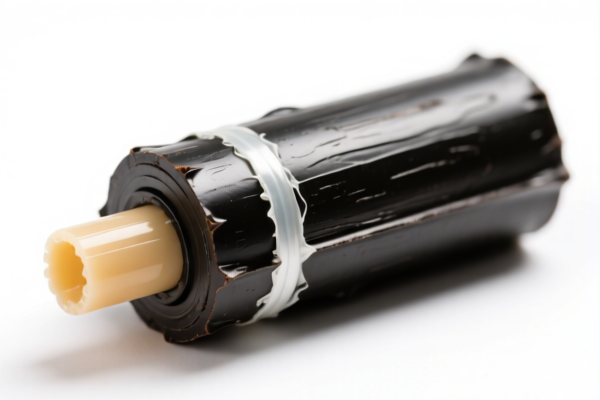

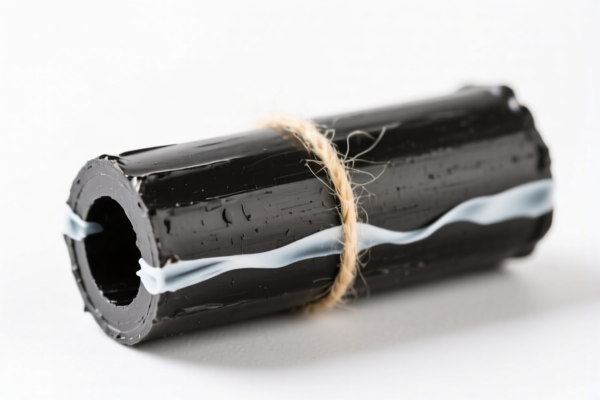
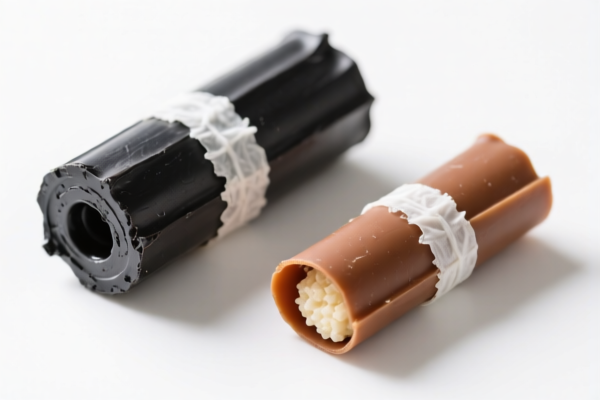
AI分析
⚠️ CRITICAL CLARIFICATION: "Rubber Additive CP Ointment" is a Misleading Term
🚨 Stop! Do not use "Rubber Additive CP Ointment" for Customs Clearance.
This phrase is a semantic conflict that will lead to customs rejection, delays, or penalties.
🔍 Why?
- "Rubber Additive": Refers to chemical compounds used in industrial rubber manufacturing (e.g., vulcanization agents, accelerators, antioxidants). These are industrial chemicals, not topical medical products.
- "CP Ointment": "CP" often stands for "Compound Preparation" or "Chinese Pharmacopoeia" in pharmaceutical contexts. "Ointment" is a topical pharmaceutical dosage form for human/animal use.
These two categories are mutually exclusive in customs classification. You cannot classify a product as both an "industrial rubber additive" and a "pharmaceutical ointment."
✅ Step 1: Identify the Actual Product Nature
Please determine which category your product falls into:
📌 Scenario A: It is a Pharmaceutical/Medicinal Ointment (e.g., for skin treatment, pain relief, etc.)
- If the product is intended for human or animal medical use, it is a pharmaceutical product, regardless of any "rubber" confusion in naming.
- "CP" likely refers to "Chinese Pharmacopoeia" or "Compound Preparation."
📌 Scenario B: It is an Industrial Rubber Chemical Additive (e.g., in liquid or paste form for rubber processing)
- If the product is used to modify rubber properties during manufacturing (e.g., curing, strengthening), it is an industrial chemical.
- It should not be called "Ointment" in commercial invoices or descriptions.
📦 Scenario A: Pharmaceutical Ointment (Most Likely for "CP Ointment")
If your product is a medicinal ointment (e.g., for pain relief, skin conditions, etc.), here is the correct classification:
🌐 HS Code Reference & Customs Clearance Guide | 2026 Latest Tariff Analysis
📌 1. Product Definition
- Pharmaceutical Ointments are topical preparations for human/animal use.
- Classified under Chapter 30: Pharmaceutical Products.
📦 2. HS Code Classification (2026)
| HS Code | Product Description | Applicable Scenario |
|---|---|---|
3004.90.00 |
Medicaments (including veterinary) consisting of mixed or unmixed products | General medicinal ointments, creams, gels |
3004.20.00 |
Antibiotics | Ointments containing antibiotics |
3004.31.00 |
Steroidal hormones | Ointments containing corticosteroids |
3004.90.90 |
Other medicaments | Specialized ointments not elsewhere specified |
⚠️ Key Distinction:
- If the ointment contains antibiotics, use3004.20.00.
- If it contains steroids, use3004.31.00.
- For general medicinal ointments (e.g., pain relief, anti-inflammatory), use3004.90.00.
💰 3. 2026 Tariff Rates (US Import from China)
✅ Applicable Country: United States (US)
✅ Origin: China (CN)
✅ Effective Date: 2025-11-10 onwards
🎯 HS Code 3004.90.00 – General Medicinal Ointments
| Item | Details |
|---|---|
| Base Duty Rate | 0% (ad valorem) |
| USITC Additional Duty | None |
| IEEPA Additional Duty | +10% (Section 301 / IEEPA for Chinese goods) |
| Total Duty Rate | 10% |
| Tax Calculation | CIF Value × 10% |
| De Minimis Exemption | ✅ Yes (if value ≤ $800) |
| Legal Basis | IEEPA:9903.01.24 → USITC:3004.90.00 |
📌 Explanation:
- Pharmaceutical products generally have low or zero base tariffs.
- However, Section 301/IEEPA additional duties apply to most Chinese-origin goods, including pharmaceuticals, unless specifically exempted.
- Small shipments (≤$800) may qualify for de minimis exemption (no duty).
🎯 HS Code 3004.20.00 – Antibiotic Ointments
| Item | Details |
|---|---|
| Base Duty Rate | 0% |
| USITC Additional Duty | None |
| IEEPA Additional Duty | +10% |
| Total Duty Rate | 10% |
| De Minimis Exemption | ✅ Yes (if ≤ $800) |
🎯 HS Code 3004.31.00 – Steroid Ointments
| Item | Details |
|---|---|
| Base Duty Rate | 0% |
| USITC Additional Duty | None |
| IEEPA Additional Duty | +10% |
| Total Duty Rate | 10% |
| De Minimis Exemption | ✅ Yes (if ≤ $800) |
📦 Scenario B: Industrial Rubber Additive (Liquid/Paste Form)
If your product is NOT a medicine but a chemical additive for rubber manufacturing, here is the correct classification:
🌐 HS Code Reference & Customs Clearance Guide
📌 1. Product Definition
- Rubber Additives are chemicals used to modify rubber properties (e.g., vulcanization accelerators, antioxidants, plasticizers).
- Classified under Chapter 38: Miscellaneous Chemical Products or Chapter 40: Rubber and Articles Thereof.
📦 2. HS Code Classification (2026)
| HS Code | Product Description | Applicable Scenario |
|---|---|---|
3824.99.92 |
Prepared binders for foundry molds/core preparations | Industrial chemical additives |
3819.00.00 |
Hydraulic brake fluids and other prepared liquids | Chemical additives for industrial use |
4016.93.00 |
Other vulcanized rubber articles | If the product is a semi-finished rubber additive |
3824.99.99 |
Other prepared chemical products | General industrial chemical additives |
⚠️ Key Distinction:
- If the additive is specifically for rubber vulcanization, it may fall under3824.99.92or3819.00.00.
- Do NOT use "Ointment" in descriptions; use "Chemical Additive," "Vulcanization Agent," etc.
💰 3. 2026 Tariff Rates (US Import from China)
✅ Applicable Country: United States (US)
✅ Origin: China (CN)
🎯 HS Code 3824.99.92 – Industrial Chemical Additives
| Item | Details |
|---|---|
| Base Duty Rate | 0–5% (varies by specific product) |
| USITC Additional Duty | +25% (Section 301) |
| IEEPA Additional Duty | +10% |
| Total Duty Rate | 35–40% |
| De Minimis Exemption | ❌ No (industrial chemicals often excluded) |
| Legal Basis | USITC:3824.99.92 → FOOTNOTE:9903.88.01 |
🎯 HS Code 3819.00.00 – Prepared Chemical Liquids
| Item | Details |
|---|---|
| Base Duty Rate | 0–2.5% |
| USITC Additional Duty | +25% |
| IEEPA Additional Duty | +10% |
| Total Duty Rate | 35–37.5% |
| De Minimis Exemption | ❌ No |
🛠️ 4. Customs Clearance Recommendations
✅ For Pharmaceutical Ointments (Scenario A)
📋 Required Documentation
| Document | Must Provide | Notes |
|---|---|---|
| ✅ Product Description | ✔️ | Use "Medicinal Ointment for [Indication]," NOT "Rubber Additive" |
| ✅ Ingredient List | ✔️ | Full INCI or chemical names, concentrations |
| ✅ FDA Registration | ✔️ | If for US market, must be FDA-listed |
| ✅ Certificate of Analysis (COA) | ✔️ | From manufacturer |
| ✅ Commercial Invoice | ✔️ | Clearly state "Pharmaceutical Ointment" |
| ✅ Country of Origin | ✔️ | Must be marked as China if applicable |
🔑 Customs Tips
🔥 "Call it what it is: Medicine, not Rubber!"
- Use HS Code3004.90.00for general ointments.
- Ensure FDA compliance before shipping.
- Small shipments (≤$800) can use de minimis for duty-free entry.
✅ For Industrial Rubber Additives (Scenario B)
📋 Required Documentation
| Document | Must Provide | Notes |
|---|---|---|
| ✅ Product Description | ✔️ | Use "Rubber Vulcanization Additive," NOT "Ointment" |
| ✅ MSDS/SDS | ✔️ | Safety Data Sheet required for chemicals |
| ✅ Technical Data Sheet | ✔️ | Composition, usage instructions |
| ✅ Commercial Invoice | ✔️ | Clearly state "Industrial Chemical Additive" |
| ✅ EPA Registration | ✔️ | If applicable (for certain chemicals) |
🔑 Customs Tips
🔥 "Industrial Chemicals = High Duty!"
- Use HS Code3824.99.92or3819.00.00.
- Expect 35–40% total duty (Base + 25% Section 301 + 10% IEEPA).
- No de minimis exemption for industrial chemicals.
- Ensure MSDS is provided to avoid EPA/customs delays.
🌍 5. Global Customs Comparison (2026)
| Country/Region | Product Type | HS Code | Duty Rate | Notes |
|---|---|---|---|---|
| 🇺🇸 USA | Pharmaceutical Ointment | 3004.90.00 |
10% | IEEPA +10% |
| 🇺🇸 USA | Rubber Additive | 3824.99.92 |
35–40% | Section 301 + IEEPA |
| 🇨🇳 China | Pharmaceutical Ointment | 3004.90.00 |
5% | No Section 301 |
| 🇪🇺 EU | Pharmaceutical Ointment | 3004.90.00 |
0% | CE/FDA compliance needed |
| 🇬🇧 UK | Pharmaceutical Ointment | 3004.90.00 |
0% | MHRA registration needed |
📌 6. Common Mistakes & Pitfalls
❌ Mistake 1: Using "Rubber Additive" for a medicinal ointment
👉 Result: Customs rejects shipment as misclassified.
✅ Fix: Use "Pharmaceutical Ointment" and HS Code 3004.90.00.
❌ Mistake 2: Using "Ointment" for an industrial chemical
👉 Result: Customs assumes it’s a pharmaceutical → delay for FDA review.
✅ Fix: Use "Chemical Additive" and HS Code 3824.99.92.
❌ Mistake 3: Ignoring IEEPA/Section 301 duties
👉 Result: Unexpected 35–40% duty on industrial chemicals.
✅ Fix: Budget for additional duties or consider transshipment from non-China origins.
🎯 7. Conclusion: Choose the Right Path
🎯 Remember:
🔹 If it’s for medical use → HS
3004.90.00, 10% duty (de minimis if ≤$800).
🔹 If it’s for industrial rubber use → HS3824.99.92, 35–40% duty (no de minimis).
🔹 NEVER mix "rubber" and "ointment" in one description.
📌 Pro Tip:
📞 Consult a customs broker before shipping.
📄 Provide clear product descriptions and MSDS/COA to avoid delays.
🚀 Accurate classification saves time, money, and headaches!
✨ Customs Clearance Starts with Correct Classification!
💼 Your product’s identity dictates its duty, documentation, and clearance path!
用户评价
关于 HS 编码归类
协调制度(HS)是由世界海关组织(WCO)制定的国际贸易商品分类标准。全球 200 多个国家采用 HS 系统作为海关关税、贸易统计和进出口监管的基础。
每个 HS 编码遵循以下层级结构:
- 章(2 位)——商品大类(例如:第 84 章:机器和机械设备)
- 品目(4 位)——章内的更具体分类
- 子目(6 位)——国际通用细分,所有 WCO 成员国统一使用
- 本国细分(8-10 位)——各国自行扩展的细分编码,如美国 HTSUS 10 位编码
正确的 HS 编码归类对于顺利通关、准确缴纳关税和遵守贸易法规至关重要。错误归类可能导致海关延误、多缴关税或罚款。
从CN进口到US时,适用的关税税率可能包括:
- 最惠国(MFN)税率——适用于 WTO 成员国的标准关税税率
- 普通税率——适用于无贸易协定国家
- 贸易救济关税——附加关税,如 301 条款(反倾销)、232 条款(国家安全)或反补贴税
本页内容仅供参考。如需正式归类,请咨询当地海关或持牌报关代理。