rubber anti aging sheets
CN → US| HS编码 | 关税税率 | 原产国 | 目的国 | 文档 |
|---|---|---|---|---|
| 3403990000 | 41.5% | CN | US | 官方文档 |
| 3403195000 | 40.8% | CN | US | 官方文档 |
| 4008111000 | 35.0% | CN | US | 官方文档 |
| 4016996050 | 37.5% | CN | US | 官方文档 |
| 4016990500 | 20.9% | CN | US | 官方文档 |
商品图片
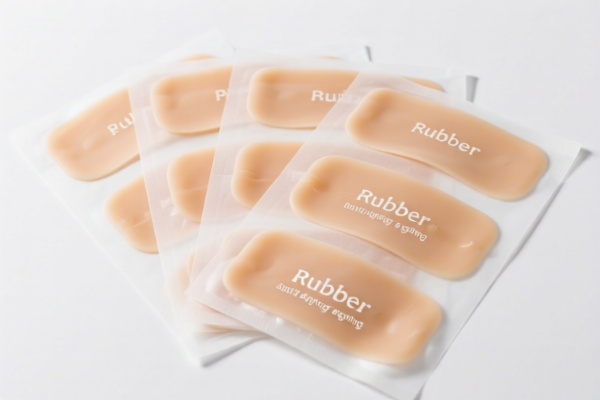
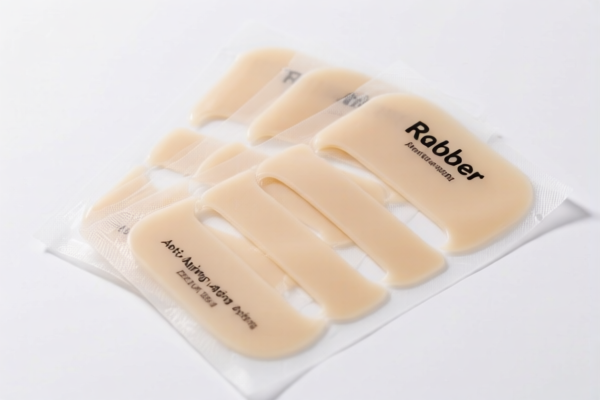
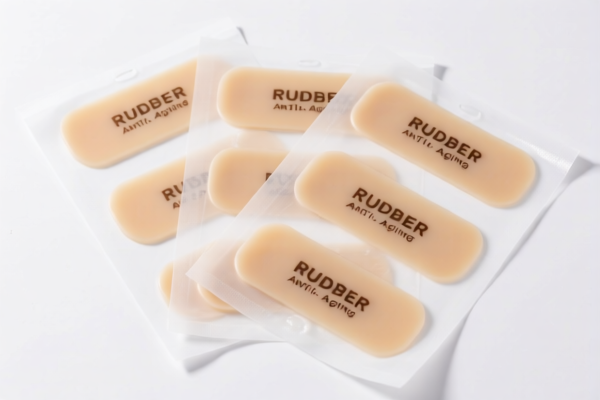
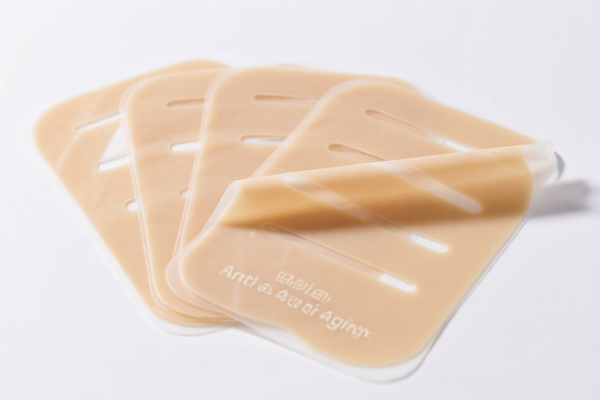
AI分析
🛡️ Rubber Anti-Aging Sheets (Protective Pads & Chemical Agents)
🌐 HS Code Reference & Customs Clearance Guide | 2026 Latest Tariff Analysis | Professional Clearance Strategy
📌 I. Product Definition & Classification: Do You Understand "Rubber Anti-Aging Sheets"?
The term "Rubber Anti-Aging Sheets" is ambiguous in international trade. It can refer to two distinct categories of goods: 1. Chemical Agents: Chemical preparations (additives) used to protect rubber from aging (oxidation/ozone). 2. Physical Products: Rubber pads/mats made from vulcanized rubber, designed for protection (anti-shock, anti-wear), which may contain anti-aging agents.
⚠️ Key Distinction Point: - If the product is a liquid/paste/powder chemical added during manufacturing → Classified under Chapter 34 (Chemical Preparations). - If the product is a solid vulcanized rubber pad/mat used for protection → Classified under Chapter 40 (Rubber and Articles Thereof).
📦 II. HS Code Classification Details (2026 Latest Tariff Authority Comparison)
Based on the provided data, here are the possible classifications depending on the physical form and chemical composition:
| HS Code | Product Description | Application Scenario | Key Characteristic |
|---|---|---|---|
3403.99.00.00 |
Rubber anti-aging agent, chemical preparation, for rubber protection | Additive in rubber manufacturing, maintenance chemicals | ✅ Chemical Preparation |
3403.19.50.00 |
Rubber anti-aging agent, chemical treatment preparation, for material protection | Surface treatment, industrial maintenance | ✅ Chemical Preparation |
4008.11.10.00 |
Rubber protection pad, made of rubber, pad-shaped form | Shock absorption, vibration isolation | ✅ Raw Rubber Sheet/Pad |
4016.99.60.50 |
Rubber protection pad, vulcanized rubber, pad-shaped article | Specific industrial use, vulcanized | ✅ Vulcanized Rubber |
4016.99.05.00 |
Rubber protection pad, vulcanized rubber, general pad-shaped item | General purpose protection, anti-slip | ✅ Vulcanized Rubber |
🔍 Key Reminder:
- Chemical Agents (HS 3403) are processed substances intended to prevent aging.
- Rubber Pads (HS 4016/4008) are finished articles made of rubber.
- Misclassification Risk: Declaring a chemical additive as a rubber pad (or vice versa) can lead to severe penalties and delays.
💰 III. 2026 Latest Tariff Rate Breakdown (Including Surtaxes & Policy Add-ons)
✅ Applicable Country: United States (US)
✅ Origin: China (CN)
✅ Effective Date: Ongoing (Based on current USITC/IEEPA rules)
🎯 1. 3403.99.00.00 —— Rubber Anti-Aging Agent (Chemical Preparation)
| Item | Content |
|---|---|
| Base Tariff | 6.5% (ad valorem) |
| Section 301 Surtax | +25.0% |
| Section 122 Tariff | +10.0% |
| Total Tax Rate | 41.5% |
| Tax Calculation | CIF Value × 41.5% |
| De Minimis Eligibility | ❌ Not Applicable (High duty rates) |
| Legal Basis Path | USITC:3403.99.00.00 → Section 301: 25% → Section 122: 10% |
📌 Explanation:
- "Base Tariff 6.5%" is the standard Most Favored Nation (MFN) rate for other chemical preparations.
- "Section 301 Surtax 25%" applies to most Chinese-origin chemical goods under US trade restrictions.
- "Section 122 Tariff 10%" is an additional national security surcharge.
- Total 41.5% is a high-cost item. Pre-calculation is mandatory.
🎯 2. 3403.19.50.00 —— Rubber Anti-Aging Agent (Chemical Treatment)
| Item | Content |
|---|---|
| Base Tariff | 5.8% |
| Section 301 Surtax | +25.0% |
| Section 122 Tariff | +10.0% |
| Total Tax Rate | 40.8% |
| Tax Calculation | CIF Value × 40.8% |
| De Minimis Eligibility | ❌ Not Applicable |
| Legal Basis Path | USITC:3403.19.50.00 → Section 301: 25% → Section 122: 10% |
📌 Note:
- Slightly lower base tariff (5.8%) compared to3403.99.00.00, but still subject to the same surcharges.
- Suitable for "chemical treatment preparations" rather than general rubber additives.
- Total 40.8% remains high; cost impact is significant.
🎯 3. 4008.11.10.00 —— Rubber Protection Pad (Raw Rubber)
| Item | Content |
|---|---|
| Base Tariff | 0.0% |
| Section 301 Surtax | +25.0% |
| Section 122 Tariff | +10.0% |
| Total Tax Rate | 35.0% |
| Tax Calculation | CIF Value × 35.0% |
| De Minimis Eligibility | ❌ Not Applicable |
| Legal Basis Path | USITC:4008.11.10.00 → Section 301: 25% → Section 122: 10% |
📌 Explanation:
- Base tariff is 0%, which is rare for rubber imports from China, but surcharges still apply.
- "Raw rubber" or "non-vulcanized" sheets may qualify for lower base rates.
- Total 35.0% is lower than chemical agents but still substantial.
🎯 4. 4016.99.60.50 —— Rubber Protection Pad (Vulcanized, Specific Use)
| Item | Content |
|---|---|
| Base Tariff | 2.5% |
| Section 301 Surtax | +25.0% |
| Section 122 Tariff | +10.0% |
| Total Tax Rate | 37.5% |
| Tax Calculation | CIF Value × 37.5% |
| De Minimis Eligibility | ❌ Not Applicable |
| Legal Basis Path | USITC:4016.99.60.50 → Section 301: 25% → Section 122: 10% |
📌 Note:
- "Vulcanized rubber" articles typically have higher base tariffs.
- Specific use classification (60.50) may have a lower base (2.5%) compared to general-purpose pads.
- Total 37.5% is moderate-high.
🎯 5. 4016.99.05.00 —— Rubber Protection Pad (Vulcanized, General Use)
| Item | Content |
|---|---|
| Base Tariff | 3.4% |
| Section 301 Surtax | +7.5% |
| Section 122 Tariff | +10.0% |
| Total Tax Rate | 20.9% |
| Tax Calculation | CIF Value × 20.9% |
| De Minimis Eligibility | ❌ Not Applicable |
| Legal Basis Path | USITC:4016.99.05.00 → Section 301: 7.5% → Section 122: 10% |
📌 Critical Insight:
- This is the MOST COST-EFFECTIVE option among the listed codes.
- Section 301 Surtax is only 7.5% (not 25%) for this specific subheading, likely due to trade policy adjustments for general rubber articles.
- Total 20.9% is significantly lower than chemical agents (40%+).
- Recommendation: If the product is a "general-purpose rubber pad," this is the optimal HS Code.
🛠️ IV. Customs Clearance Practical Advice (Real-World Pitfall Avoidance)
✅ 1. Document Checklist (Essential)
| Document | Required | Description |
|---|---|---|
| ✅ Product Specifications | ✔️ | Detailed composition: chemical formula (for 3403) or vulcanization status (for 4016). |
| ✅ Technical Data Sheet (TDS) | ✔️ | Must specify if it’s a "chemical agent" or "finished rubber product." |
| ✅ Photos (Clear Labeling) | ✔️ | Show packaging: liquid container (chemical) vs. solid pad (rubber). |
| ✅ Certificate of Origin (CO) | ✔️ | Crucial for determining Section 301/122 applicability. |
| ✅ Commercial Invoice | ✔️ | Accurate description: "Rubber Anti-Aging Chemical" vs. "Vulcanized Rubber Pad." |
| ✅ Packing List | ✔️ | Weight/volume details to support classification. |
✅ 2. Declaration Tips (Key Mnemonic)
🔥 "Chemical vs. Physical: Know Your Form! Pads Pay Less, Chemicals Cost More!"
| Scenario | Correct Declaration | Error to Avoid |
|---|---|---|
| Liquid/Powder Additive | 3403.99.00.00 or 3403.19.50.00 |
Declaring as "Rubber Pad" → Smuggling suspicion |
| Solid Rubber Pad (General) | 4016.99.05.00 |
Declaring as "Chemical" → 41.5% tax instead of 20.9% |
| Solid Rubber Pad (Specific) | 4016.99.60.50 |
Over-declaring specific use without proof |
| Raw Rubber Sheet | 4008.11.10.00 |
Confusing with vulcanized rubber |
✅ 3. Special Circumstances Handling
| Situation | Handling Advice |
|---|---|
| Mixed Package (Chemical + Pad) | Must Split Declaration. Chemicals go to 3403, Pads go to 4016. Do not mix in one HS code. |
| OEM Custom Pads | Provide design specs to justify 4016.99.60.50 if it has a specific industrial function. |
| Anti-Aging Treated Pads | If the pad is finished with anti-aging properties, it’s still a Rubber Article (Chapter 40), not a chemical preparation. |
| Section 122 Exemptions | Check if your product qualifies for any national security exemptions (rare for rubber/chemicals). |
🌍 V. Global Market Comparison (2026 Latest)
| Country/Region | Recommended HS Code | Tariff (China Origin) | Certification | Notes |
|---|---|---|---|---|
| 🇺🇸 USA | 4016.99.05.00 |
20.9% | No specific | Lowest US Duty |
| 🇺🇸 USA | 3403.99.00.00 |
41.5% | SDS Required | High Chemical Duty |
| 🇨🇳 China | 4016.99.05.00 |
5-8% | CCC (if applicable) | Lower Base Tariff |
| 🇪🇺 EU | 4016.99.05.00 |
0-3% | REACH Compliance | Low EU Duty |
| 🇯🇵 Japan | 4016.99.05.00 |
0% | JIS Standards | No Anti-Aging Specific Tax |
📌 Conclusion:
- USA is the most costly market due to Section 301/122 surcharges.
- Choosing4016.99.05.00for rubber pads saves ~20% in taxes compared to chemical classifications.
- Always clarify product form: Is it a chemical or a product?
📌 VI. Common Errors & Pitfall Guide (Lessons Learned)
❌ Error 1: Calling a rubber pad "Anti-Aging Chemical"
👉 Result: Pay 41.5% tax instead of 20.9%. Overpayment!
❌ Error 2: Declaring a liquid additive as "Rubber Sheet"
👉 Result: Customs rejects clearance, demands re-inspection, fines for misdeclaration. Delay!
❌ Error 3: Ignoring Section 122 Tariff
👉 Result: Underestimating total cost by 10%. Profit Loss!
❌ Error 4: Using vague terms like "Rubber Product"
👉 Result: Customs assigns arbitrary HS code, potentially higher duty. Uncertainty!
✅ Correct Practice:
"Vulcanized Rubber Protection Pad, General Purpose, Non-Slip, Model XYZ" →
4016.99.05.00(20.9%)
"Rubber Anti-Aging Agent, Chemical Preparation, Liquid" →3403.99.00.00(41.5%)
🎯 VII. Conclusion: Smart Classification, Cost Savings, Smooth Clearance!
🎯 Remember the Mantra:
🔹 "Chemicals are Heavy (41%), Pads are Light (20%)!"
🔹 "Form Determines Code, Code Determines Cost!"
🔹 "Don’t Mix Liquid and Solid, or Customs Will Stop!"
📌 Pro Tip:
If your product is a finished rubber pad with anti-aging properties, always choose Chapter 40 (Rubber Articles), specifically 4016.99.05.00 for the lowest US duty.
If you are exporting chemical additives, expect ~41% duty and factor this into your pricing strategy.
📣 Immediate Action:
📞 Contact Customs Broker + Provide Product Photos + Request HS Code Pre-Ruling
🚀 Ensure Smooth Customs Clearance, Optimize Costs, Boost Profits!
✨ Professional Customs Clearance Starts with Accurate Classification!
💼 Every Dollar Saved on Tariffs is a Dollar Added to Your Bottom Line!
用户评价
关于 HS 编码归类
协调制度(HS)是由世界海关组织(WCO)制定的国际贸易商品分类标准。全球 200 多个国家采用 HS 系统作为海关关税、贸易统计和进出口监管的基础。
每个 HS 编码遵循以下层级结构:
- 章(2 位)——商品大类(例如:第 84 章:机器和机械设备)
- 品目(4 位)——章内的更具体分类
- 子目(6 位)——国际通用细分,所有 WCO 成员国统一使用
- 本国细分(8-10 位)——各国自行扩展的细分编码,如美国 HTSUS 10 位编码
正确的 HS 编码归类对于顺利通关、准确缴纳关税和遵守贸易法规至关重要。错误归类可能导致海关延误、多缴关税或罚款。
从CN进口到US时,适用的关税税率可能包括:
- 最惠国(MFN)税率——适用于 WTO 成员国的标准关税税率
- 普通税率——适用于无贸易协定国家
- 贸易救济关税——附加关税,如 301 条款(反倾销)、232 条款(国家安全)或反补贴税
本页内容仅供参考。如需正式归类,请咨询当地海关或持牌报关代理。