rubber automotive bottle caps
CN → US| HS编码 | 关税税率 | 原产国 | 目的国 | 文档 |
|---|---|---|---|---|
| 4016990300 | 38.0% | CN | US | 官方文档 |
| 4016991500 | 20.2% | CN | US | 官方文档 |
| 3923900080 | 38.0% | CN | US | 官方文档 |
| 3926901000 | 20.9% | CN | US | 官方文档 |
| 3926902500 | 24.0% | CN | US | 官方文档 |
商品图片
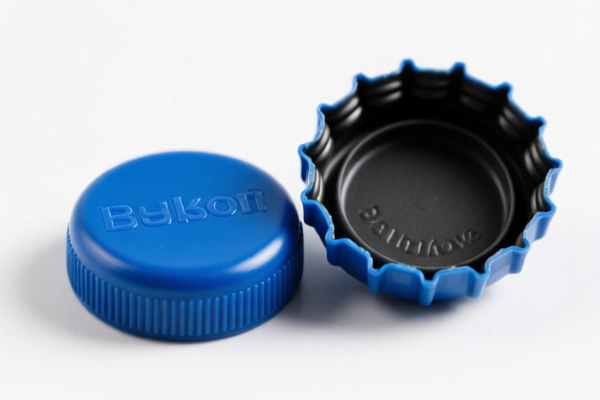
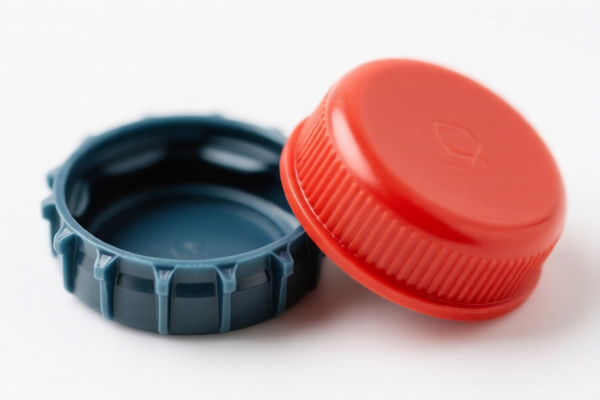
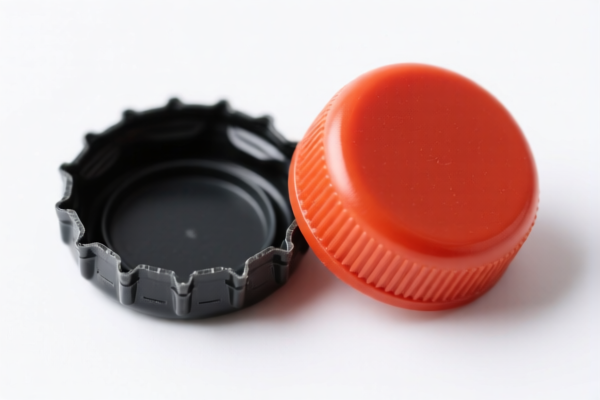
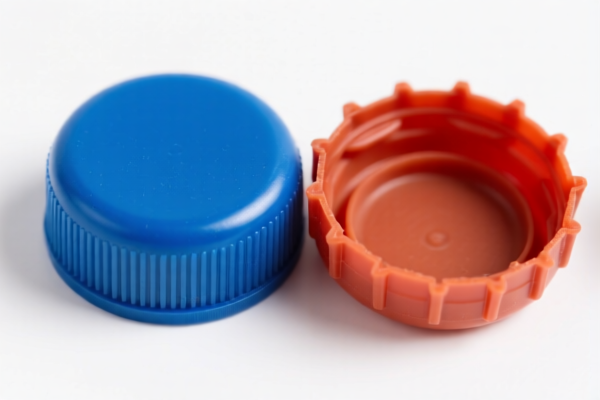
AI分析
🍾 Rubber Automotive Bottle Caps (Vials/Stoppers for Medical & Industrial Use)
🌐 HS Code Reference & Customs Clearance Guide | 2026 Latest Tariff Analysis | Professional Clearance Strategy
📌 I. Product Definition & Classification: What Exactly Are "Rubber Automotive Bottle Caps"?
In international trade, the term "Bottle Caps" or "Stoppers" for rubber products is not a standalone HS Code category. Instead, they are classified based on their material composition and specific function.
There are two primary interpretations for this product in the provided data: 1. Sulfurized Rubber Stoppers (Traditional Rubber): Classified under Chapter 40 (Rubber). 2. Silicone/Styrene-Butadiene Rubber Stoppers (Polymer/Plastic-like): Classified under Chapter 39 (Plastics/Synthetic Materials), as many modern "rubber" seals are technically synthetic polymers.
⚠️ Critical Distinction:
- If the product is natural/sulfurized rubber (e.g., standard pharmaceutical vial caps, industrial gaskets) → Chapter 40
- If the product is Silicone, Latex, or Synthetic Rubber treated as plastic articles → Chapter 39
- Misclassification Risk: Declaring a silicone stopper as "Rubber" (Ch. 40) or vice versa (Ch. 39) can lead to significant duty discrepancies and customs delays.
📦 II. HS Code Classification Matrix (Based on Provided Data)
| HS Code | Product Description | Material Nature | Key Application |
|---|---|---|---|
4016.99.03.00 |
Rubber corrosion-resistant bottle caps; Sulfurized Rubber | Natural/Sulfurized Rubber | Packaging container parts, industrial seals |
4016.99.15.00 |
Rubber articles: caps, lids, seals, plugs, and other stoppers | Synthetic/Natural Rubber Mix | General rubber sealing components |
3923.90.00.80 |
Silicone bottle caps; Plastic/Synthetic Material category (stoppers/lids/caps) | Silicone/Polymer | Pharmaceutical vials, chemical containers |
3926.90.10.00 |
Silicone bottle caps; Plastic/Rubber Class Other articles | Silicone/Composite | General plastic/rubber accessories |
3926.90.25.00 |
Silicone bottle caps; Organosilicon Material plastic handles/knobs | Organosilicon | Small plastic articles, specific synthetic components |
🔍 Key Insight:
- Chapter 40 (4016): Higher total tariffs (38%) due to stricter "Rubber" classification and higher additional duties.
- Chapter 39 (3923/3926): Lower total tariffs (20.2% - 24.0%) because Silicone is often treated as a "Plastic" or "Other Plastic Article," benefiting from lower base rates.
- Customs Strategy: If your "rubber" cap is actually Silicone, declaring it under HS 3923 or 3926 can save you ~14-17% in total duties compared to HS 4016.
💰 III. 2026 Latest Tariff Rate Breakdown (Detailed Tax Clauses)
✅ Applicable Country: United States (US)
✅ Origin: China (CN)
✅ Effective Date: Post-2025 (Current Trade Environment)
🎯 1. HS Code 4016.99.03.00 — Rubber Corrosion-Resistant Bottle Caps (Sulfurized Rubber)
| Item | Detail |
|---|---|
| Base Tariff | 3.0% |
| Section 301 Additional Duty | 25.0% |
| Section 122 Duty (IEEPA) | 10.0% |
| Total Effective Rate | 38.0% |
| Tax Calculation | CIF Value × 38% |
| De Minimis Exemption | ❌ NOT Eligible (deny_de_minimis) |
| Legal Basis Path | USITC:4016.99.03.00 → Section 301: 25% → IEEPA 122: 10% |
📌 Explanation:
- This classification treats the product as a pure rubber article.
- The 38% rate is high. It includes the base duty, the heavy Section 301 trade war tariff, and the additional 122 Section duty (often related to emergency economic powers).
- Note: "Section 122" typically refers to specific emergency tariffs; ensure your documentation clearly states "Sulfurized Rubber" to avoid being flagged for misdeclaration.
🎯 2. HS Code 4016.99.15.00 — Rubber Caps, Lids, Seals, Plugs
| Item | Detail |
|---|---|
| Base Tariff | 2.7% |
| Section 301 Additional Duty | 7.5% |
| Section 122 Duty (IEEPA) | 10.0% |
| Total Effective Rate | 20.2% |
| Tax Calculation | CIF Value × 20.2% |
| De Minimis Exemption | ❌ NOT Eligible (deny_de_minimis) |
| Legal Basis Path | USITC:4016.99.15.00 → Section 301: 7.5% → IEEPA 122: 10% |
📌 Explanation:
- This is a better rate within Chapter 40.
- The Section 301 duty is lower (7.5% vs 25%) because "caps and seals" may fall under a different subheading exemption or lower risk category.
- Recommendation: If the product is pure rubber, always aim for4016.99.15.00over4016.99.03.00to save 17.8% in duties.
🎯 3. HS Code 3923.90.00.80 — Silicone Bottle Caps (Plastic Category)
| Item | Detail |
|---|---|
| Base Tariff | 3.0% |
| Section 301 Additional Duty | 25.0% |
| Section 122 Duty (IEEPA) | 10.0% |
| Total Effective Rate | 38.0% |
| Tax Calculation | CIF Value × 38% |
| De Minimis Exemption | ❌ NOT Eligible (deny_de_minimis) |
| Legal Basis Path | USITC:3923.90.00.80 → Section 301: 25% → IEEPA 122: 10% |
📌 Explanation:
- Even though it's silicone (often treated as plastic), if classified under 3923.90 (Plastics articles for transport/packaging), it attracts the full 25% Section 301 tariff.
- Warning: Do not assume Silicone = Low Duty. If declared as 3923.90, the rate is identical to the high-risk Rubber code.
🎯 4. HS Code 3926.90.10.00 — Silicone Bottle Caps (Other Plastic/Rubber Articles)
| Item | Detail |
|---|---|
| Base Tariff | 3.4% |
| Section 301 Additional Duty | 7.5% |
| Section 122 Duty (IEEPA) | 10.0% |
| Total Effective Rate | 20.9% |
| Tax Calculation | CIF Value × 20.9% |
| De Minimis Exemption | ❌ NOT Eligible (deny_de_minimis) |
| Legal Basis Path | USITC:3926.90.10.00 → Section 301: 7.5% → IEEPA 122: 10% |
📌 Explanation:
- Best Value for Silicone: This code treats the item as an "Other Article of Plastic," which has a lower Section 301 rate (7.5%).
- Savings: 17.1% lower than4016.99.03.00.
- Requirement: Must prove material is Silicone/Synthetic and not traditional natural rubber.
🎯 5. HS Code 3926.90.25.00 — Silicone Bottle Caps (Organosilicon Small Articles)
| Item | Detail |
|---|---|
| Base Tariff | 6.5% |
| Section 301 Additional Duty | 7.5% |
| Section 122 Duty (IEEPA) | 10.0% |
| Total Effective Rate | 24.0% |
| Tax Calculation | CIF Value × 24.0% |
| De Minimis Exemption | ❌ NOT Eligible (deny_de_minimis) |
| Legal Basis Path | USITC:3926.90.25.00 → Section 301: 7.5% → IEEPA 122: 10% |
📌 Explanation:
- A middle-ground option for silicone. Higher base duty (6.5%) but still benefits from lower Section 301 (7.5%).
- Useful if the product is categorized as a "knob/handle" type small article rather than a pure seal.
🛠️ IV. Customs Clearance Practical Advice (Battle-Tested Tips)
✅ 1. Documentation Checklist (Non-Negotiable)
| Document | Required? | Purpose |
|---|---|---|
| ✅ Material Composition Report | ✔️ | Critical. Must state % of Sulfurized Rubber vs. Silicone. Customs will verify if it’s Ch. 40 or Ch. 39. |
| ✅ Product Photos (Close-up) | ✔️ | Show texture, mold marks, and any "Silicone" or "Rubber" stamping. |
| ✅ Technical Data Sheet (TDS) | ✔️ | Include durometer (hardness), temperature resistance, and chemical compatibility. |
| ✅ Commercial Invoice | ✔️ | Use precise terms: "Silicone Vial Stopper" or "Sulfurized Rubber Closure" — Never generic "Plastic Cap". |
| ✅ Certificate of Origin (CO) | ✔️ | To confirm Chinese origin for Section 301/122 calculations. |
✅ 2. Declaration Strategy (Key Mantras)
🔥 “Material Defines Code, Code Defines Duty, Accuracy Saves Millions!”
| Scenario | Correct HS Code | Wrong HS Code | Consequence |
|---|---|---|---|
| Pure Natural Rubber Cap | 4016.99.15.00 (20.2%) |
4016.99.03.00 (38%) |
Overpay 17.8% |
| Silicone Cap | 3926.90.10.00 (20.9%) |
4016.99.03.00 (38%) |
Overpay 17.1% |
| Silicone Cap (Packaging Type) | 3923.90.00.80 (38%) |
3926.90.10.00 (20.9%) |
Overpay 17.1% |
| Mixed Material (Rubber + Plastic) | Consult Specialist | Guesswork | Seizure/Fine Risk |
✅ 3. Special Handling Tips
| Situation | Recommendation |
|---|---|
| OEM Custom Caps | Provide mold design files to prove specific classification (e.g., "seal" vs. "container part"). |
| Pharmaceutical Vial Stoppers | Emphasize "Corrosion Resistant" and "Medical Grade" if using 4016.99.03.00. |
| Automotive Fluid Containers | Clarify if the cap is a "plug/seal" (4016.99.15.00) rather than a "packaging part" (4016.99.03.00). |
| Silicone vs. Rubber Dispute | Submit a Lab Test Report showing material structure (Organosilicon chains vs. Vulcanized rubber chains). |
🌍 V. Global Market Clearance Comparison (2026)
| Country/Region | Recommended HS Code | Est. Duty Rate | Key Certification | Remarks |
|---|---|---|---|---|
| 🇺🇸 USA | 4016.99.15.00 or 3926.90.10.00 |
20.2% - 20.9% | FDA (if medical), RoHS | Avoid 3923.90 or 4016.99.03 unless necessary due to 38% rate. |
| 🇨🇳 China | 4016.99.03.00 / 3926.90.10.00 |
2.5% - 5% | CCC (if applicable) | Low import duty, but check VAT. |
| 🇪🇺 EU | 4016.93 / 3926.90 |
0% - 4.2% | REACH, RoHS | Silicone often enjoys lower duties under "Other plastic articles". |
| 🇬🇧 UK | 4016.93 / 3926.90 |
0% - 5% | UKCA | Post-Brexit rules may require additional origin proof. |
| 🇯🇵 Japan | 4016.99 / 3926.90 |
0% - 3% | PSE (if electrical) | Generally favorable for rubber/plastic parts. |
📌 Conclusion:
- USA is the most complex market due to Section 301 and 122 duties.
- Silicone products declared under Ch. 39 (specifically 3926.90.10.00) offer the best duty savings (20.9%) compared to pure rubber (20.2-38%).
- Never use generic terms like "Bottle Cap" on invoices. Use "Silicone Vial Stopper" or "Sulfurized Rubber Seal".
📌 VI. Common Mistakes & Pitfalls (Lessons Learned)
❌ Mistake 1: Calling Silicone "Rubber" to avoid Plastic tariffs
👉 Result: Customs lab test identifies Silicone → Reclassified to Ch. 39 → Penalty for misdeclaration.
❌ Mistake 2: Using 3923.90.00.80 for Silicone Caps
👉 Result: High duty (38%) because it’s viewed as "Packaging Material" rather than "Other Article".
❌ Mistake 3: Ignoring Section 122 (10%)
👉 Result: Budgeting errors. Even with lower base rates, the 10% IEEPA duty is constant. Always include it in cost calculations.
❌ Mistake 4: Failing to provide Material Data Sheets
👉 Result: Customs holds shipment for 30+ days to request verification.
✅ Best Practice:
"Silicone Stopper, Medical Grade, Durometer 60A, for Vial Closure, Model XYZ, RoHS Compliant"
🎯 VII. Conclusion: Precision Classification, Maximum Savings!
🎯 Remember These Rules:
🔹 "Silicone under 3926 = 20.9% Duty (Best Value)"
🔹 "Rubber under 4016.99.15 = 20.2% Duty (Good for Pure Rubber)"
🔹 "Avoid 3923.90 and 4016.99.03 unless forced (38% Duty Trap)"
🔹 "Always declare material type explicitly!"
📌 Pro Tip:
If your product is originally from Vietnam, Mexico, or Thailand, you may qualify for IEEPA/Section 301 Exemptions, reducing the effective rate to 0%-5%.
Action:
1. Verify material composition (Silicone vs. Rubber).
2. Choose 3926.90.10.00 (20.9%) or 4016.99.15.00 (20.2%).
3. Apply for HS Code Advance Ruling if unsure.
📣 Immediate Action:
📞 Contact a customs broker with your Material Safety Data Sheet (MSDS).
🚀 Optimize your duty rate today. Save up to 17% on every container!
✨ Professional clearance starts with accurate HS Codes!
💼 Your profit margin depends on every percentage point!
用户评价
关于 HS 编码归类
协调制度(HS)是由世界海关组织(WCO)制定的国际贸易商品分类标准。全球 200 多个国家采用 HS 系统作为海关关税、贸易统计和进出口监管的基础。
每个 HS 编码遵循以下层级结构:
- 章(2 位)——商品大类(例如:第 84 章:机器和机械设备)
- 品目(4 位)——章内的更具体分类
- 子目(6 位)——国际通用细分,所有 WCO 成员国统一使用
- 本国细分(8-10 位)——各国自行扩展的细分编码,如美国 HTSUS 10 位编码
正确的 HS 编码归类对于顺利通关、准确缴纳关税和遵守贸易法规至关重要。错误归类可能导致海关延误、多缴关税或罚款。
从CN进口到US时,适用的关税税率可能包括:
- 最惠国(MFN)税率——适用于 WTO 成员国的标准关税税率
- 普通税率——适用于无贸易协定国家
- 贸易救济关税——附加关税,如 301 条款(反倾销)、232 条款(国家安全)或反补贴税
本页内容仅供参考。如需正式归类,请咨询当地海关或持牌报关代理。