rubber auxiliary agent liquid
CN → US| HS编码 | 关税税率 | 原产国 | 目的国 | 文档 |
|---|---|---|---|---|
| 3824405000 | 40.0% | CN | US | 官方文档 |
| 3824999330 | 40.0% | CN | US | 官方文档 |
| 3812105000 | 40.0% | CN | US | 官方文档 |
| 3403195000 | 40.8% | CN | US | 官方文档 |
| 3403990000 | 41.5% | CN | US | 官方文档 |
商品图片
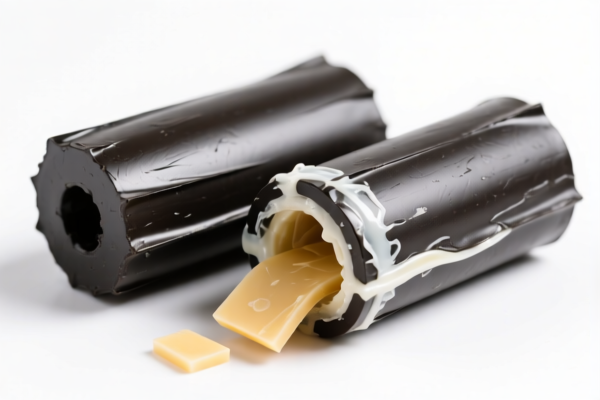
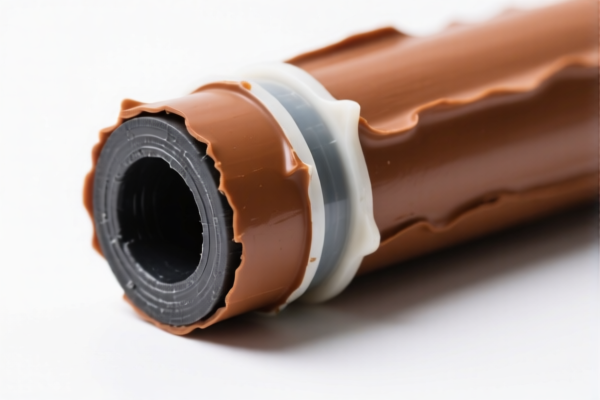

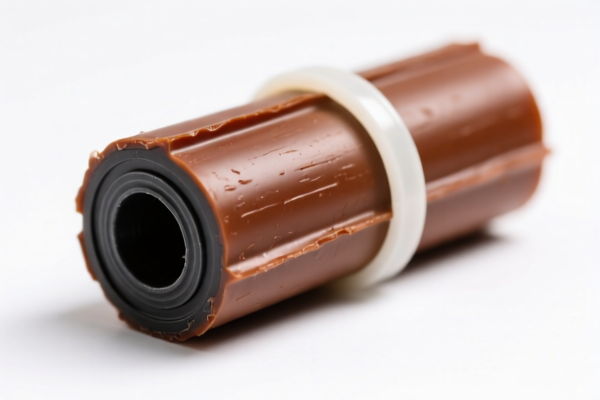
AI分析
🧪 Rubber Auxiliary Agent Liquid (Chemical Formulation)
🌐 HS Code Reference & Customs Clearance Guide | 2026 Latest Tariff Analysis | Professional Strategy for Chemical Mixtures
📌 Part 1: Product Definition & Classification Logic
Rubber Auxiliary Agents (often referred to as "Rubber Additives" or "Compounding Agents") are chemical substances added to rubber during processing to improve specific properties (e.g., vulcanization speed, anti-aging, plasticity) or to facilitate processing (e.g., lubrication, dispersion).
When these agents are in liquid form or are pre-mixed formulations (复配液), they fall under Chapter 38 ("Miscellaneous Chemical Products"). The key to classification lies in determining the primary function and chemical composition:
- Pre-mixed Chemical Preparations: If the liquid is a mixture of various active ingredients intended for direct use in rubber compounding, it is generally classified under 3824 (Prepared binders for foundry molds, prepared lubricants, chemical preparations not elsewhere specified).
- Specific Active Ingredients: If the liquid is dominated by a specific class of compounds (e.g., alcohols used as accelerators/promoters), it might be classified under 3812 (Prepared rubber accelerators) or 3403 (Lubricating preparations), depending on the primary ingredient and function.
⚠️ Key Distinction Point:
- General Multi-Component Mixtures → 3824 (Broadest category for prepared chemical formulations).
- Specific Accelerators/Promoters → 3812 (If the primary purpose is accelerating vulcanization).
- Lubricating/Processing Aids → 3403 (If the primary purpose is lubrication or surface treatment, often involving oil/alcohol bases).
📦 Part 2: HS Code Classification Details (Based on Provided Data)
| HS Code | Product Description & Logic | Tax Rate | Tax Breakdown |
|---|---|---|---|
| 3824.40.50.00 | General Prepared Chemical Preparation Classified as a "Prepared Additive" for general use. No specific single-chemical dominance; fits the "Other" category for chemical preparations. |
40.0% | Base: 5.0% + Section 301: 25.0% + Section 122 (Retaliatory): 10% |
| 3824.99.93.30 | Liquid/Chemical Mixture (Inferred) Inferred as a liquid mixture consistent with rubber auxiliary attributes. Falls under "Other chemical products and preparations" when specific sub-categories don't apply. |
40.0% | Base: 5.0% + Section 301: 25.0% + Section 122 (Retaliatory): 10% |
| 3812.10.50.00 | Prepared Rubber Accelerator (Alcohol-Based) Identified as an alcohol-based rubber auxiliary. The alcohol component does not conflict with the definition of a promoter/accelerator. Fits "Prepared rubber accelerators and promoters." |
40.0% | Base: 5.0% + Section 301: 25.0% + Section 122 (Retaliatory): 10% |
| 3403.19.50.00 | Lubricating/Processing Preparation (Alcohol-Based) Inferred as a chemical制剂 (preparation) for lubrication or rubber processing. Alcohols are compatible with lubricating preparations logic. |
40.8% | Base: 5.8% + Section 301: 25.0% + Section 122 (Retaliatory): 10% |
| 3403.99.00.00 | Other Lubricating/Chemical Treatment Preparation Judged as a chemical treatment制剂, inferred as non-petroleum-based. Falls under "Other oils or preparations for machinery/vehicle use or for other technical purposes." |
41.5% | Base: 6.5% + Section 301: 25.0% + Section 122 (Retaliatory): 10% |
🔍 Critical Note:
All listed codes carry significant Section 301 (25%) and Section 122 (10%) tariffs for goods originating from China. The Base Duty varies slightly (5.0% – 6.5%) depending on the specific functional definition (Accelerator vs. Lubricant vs. General Chemical).
💰 Part 3: Tariff Rate Detailed Explanation (US Market, 2026)
✅ Applicable Country: United States (US)
✅ Origin: China (CN)
✅ Effective Date: Ongoing (Includes subsequent imports as per 2025/2026 policies)
🎯 1. General Chemical Preparations (3824.40.50.00 & 3824.99.93.30)
| Item | Detail |
|---|---|
| Base Duty | 5.0% (Ad Valorem) |
| Section 301 Duty | +25.0% (Trade Remedy Tariff) |
| Section 122 Duty | +10.0% (Retaliatory Tariff) |
| Total Effective Rate | 40.0% |
| Calculation | CIF Value × 40.0% |
| De Minimis Exemption | ❌ Not Eligible (Section 301/122 duties apply regardless of value) |
| Legal Basis Path | HTSUS:3824.40.50.00 → 301: Footnote 9903.88.01 → 122: Retaliatory List |
📌 Explanation:
- These codes represent the broadest classification for rubber additives that are pre-mixed liquids.
- The 40% total tariff is high and must be factored into your FOB/EXW pricing immediately.
🎯 2. Prepared Accelerators (3812.10.50.00)
| Item | Detail |
|---|---|
| Base Duty | 5.0% |
| Section 301 Duty | +25.0% |
| Section 122 Duty | +10.0% |
| Total Effective Rate | 40.0% |
| Calculation | CIF Value × 40.0% |
| De Minimis Exemption | ❌ Not Eligible |
| Legal Basis Path | HTSUS:3812.10.50.00 → 301: Footnote 9903.88.01 → 122: Retaliatory List |
📌 Explanation:
- If your liquid is specifically marketed as a vulcanization accelerator (even if alcohol-based), this code is more precise than 3824.
- Same 40% rate, but legally more accurate if the primary function is acceleration.
🎯 3. Lubricating/Processing Aids (3403.19.50.00 & 3403.99.00.00)
| Item | Detail |
|---|---|
| Base Duty | 5.8% (3403.19.50.00) or 6.5% (3403.99.00.00) |
| Section 301 Duty | +25.0% |
| Section 122 Duty | +10.0% |
| Total Effective Rate | 40.8% or 41.5% |
| Calculation | CIF Value × Rate |
| De Minimis Exemption | ❌ Not Eligible |
| Legal Basis Path | HTSUS:3403.xxxx → 301: Footnote 9903.88.01 → 122: Retaliatory List |
📌 Explanation:
- These codes apply if the liquid acts primarily as a lubricant (for extrusion/calendering) or surface treatment agent.
- Slightly higher total tax (40.8%–41.5%) due to higher base duties. Use only if the chemical nature strongly supports "lubricating preparation."
🛠️ Part 4: Customs Clearance Practical Advice
✅ 1. Documentation Checklist (Must-Submit)
| Document | Required? | Description |
|---|---|---|
| ✅ Product Specification Sheet | ✔️ | Must detail chemical composition, concentration, pH, density, and primary function (e.g., "Accelerator," "Lubricant," "Dispersant"). |
| ✅ Safety Data Sheet (SDS) | ✔️ | Essential for chemical imports. Must match the HS Code's chemical nature. |
| ✅ Formula/Composition Breakdown | ✔️ | If claiming 3812 (Accelerator), provide evidence that accelerators are the primary active ingredient. |
| ✅ Commercial Invoice | ✔️ | Must clearly state "Rubber Auxiliary Agent Liquid" and avoid vague terms like "Chemical Mixture." |
| ✅ Certificate of Origin | ✔️ | To confirm Chinese origin (for tariff calculation). |
| ✅ Packing List | ✔️ | Details net/gross weight, volume, and hazard class (if applicable). |
✅ 2. Classification Strategy & Tips
🔥 Golden Rule: "Function Dictates Code, Composition Confirms It!"
| Scenario | Recommended HS Code | Reasoning |
|---|---|---|
| Multi-component mix for general rubber processing | 3824.40.50.00 | Safest, broadest category for "prepared additives." |
| Specific Vulcanization Accelerator (liquid) | 3812.10.50.00 | Most accurate if acceleration is the main goal. |
| Lubricant/Release Agent for rubber machinery | 3403.19.50.00 | Use if primarily for friction reduction. |
| Unknown/Complex Mixture | 3824.99.93.30 | Fallback for "other chemical products." |
⚠️ Common Mistakes:
- ❌ Misclassification as "Raw Chemical": Do not claim it's a pure chemical (e.g., pure alcohol) if it's a formulation. This leads to false declaration penalties.
- ❌ Ignoring SDS Consistency: If the SDS says "Accelerator" but you declare it as "Lubricant" (3403), customs may audit and reclassify, leading to back taxes.
- ❌ Splitting Shipments: Do not split a single liquid drum into separate HS codes to reduce tax. Consolidated shipment = Consolidated classification.
✅ 3. Special Considerations
| Situation | Advice |
|---|---|
| Hazardous Chemicals | Check if the liquid is classified as Hazardous (UN Number). If so, additional insurance and specialized freight are required. |
| Alcohol Content | High alcohol content may trigger additional environmental or safety regulations, though not always tariff-related. |
| Pre-Ruling Request | Given the high tariff (40%+), consider applying for an International Trade Commission (ITC) Ruling or CBP Pre-Ruling if the product is novel or complex. |
🌍 Part 5: Global Market Comparison (2026)
| Region | Recommended HS Code | Estimated Duty (China Origin) | Notes |
|---|---|---|---|
| 🇺🇸 USA | 3824.40.50.00 / 3812.10.50.00 |
40.0% | Includes Section 301 (25%) + Section 122 (10%). Very high cost. |
| 🇨🇳 China | 3824.40.50.00 |
5.0% | Standard MFN rate. No Section 301/122. |
| 🇪🇺 EU | 3824.99 |
6.5% | Standard EU duty for misc. chemicals. No US-style retaliatory tariffs. |
| 🇯🇵 Japan | 3824.90 |
6.0% | Standard duty. FTA benefits may apply if origin certified. |
📌 Conclusion:
- The US market is the most challenging due to the叠加 (stacking) of Section 301 and Section 122 tariffs.
- For US exports, accurate classification is critical to avoid underpayment penalties, but cost mitigation (e.g., supply chain adjustment) may be necessary due to the 40% total duty.
📌 Part 6: Common Pitfalls & Blood-Tears Lessons
❌ Mistake 1: Declaring "Rubber Liquid" without specifying function.
👉 Consequence: Customs assigns worst-case scenario (often higher base duty or audit delay).
👉 Fix: Always specify "Prepared Accelerator," "Lubricant," or "General Additive."
❌ Mistake 2: Using 3812 for a lubricant.
👉 Consequence: Customs rejects based on SDS/Composition mismatch.
👉 Fix: Match code to primary function. Accelerator → 3812; Lubricant → 3403.
❌ Mistake 3: Ignoring Section 122 Tariff.
👉 Consequence: Underpayment of 10% leading to fines and interest.
👉 Fix: Always include 122 tariff in Landed Cost calculations for US imports from China.
✅ Correct Practice:
"Liquid Rubber Accelerator Formulation, Alcohol-Based, Primary Function: Vulcanization Speed Improvement, HS Code: 3812.10.50.00, Total Duty: 40%."
🎯 Part 7: Conclusion: Precise Classification Saves Money!
🎯 Remember the Mantra:
🔹 "Function First, Code Second, Tariff Third."
🔹 "Liquid Chemicals = Chapter 38, 34, or 39."
🔹 "40% Total Duty in US = Plan Your Margin Now!"
📌 Pro Tip:
If your product is alcohol-based and you suspect it might be classified as a beverage or solvent (0% duty) by mistake, be aware that chemical composition and declared use override physical state. Do not attempt to misclassify industrial chemicals as consumables.
📣 Immediate Action:
📞 Consult a Certified Customs Broker before shipping.
📄 Provide SDS + Formula to your broker for pre-classification.
🚀 Secure your Landed Cost with the 40% duty factored in.
✨ Professional Clearance Starts with Accurate Classification!
💼 Every Percent of Duty Matters in Your Bottom Line!
用户评价
关于 HS 编码归类
协调制度(HS)是由世界海关组织(WCO)制定的国际贸易商品分类标准。全球 200 多个国家采用 HS 系统作为海关关税、贸易统计和进出口监管的基础。
每个 HS 编码遵循以下层级结构:
- 章(2 位)——商品大类(例如:第 84 章:机器和机械设备)
- 品目(4 位)——章内的更具体分类
- 子目(6 位)——国际通用细分,所有 WCO 成员国统一使用
- 本国细分(8-10 位)——各国自行扩展的细分编码,如美国 HTSUS 10 位编码
正确的 HS 编码归类对于顺利通关、准确缴纳关税和遵守贸易法规至关重要。错误归类可能导致海关延误、多缴关税或罚款。
从CN进口到US时,适用的关税税率可能包括:
- 最惠国(MFN)税率——适用于 WTO 成员国的标准关税税率
- 普通税率——适用于无贸易协定国家
- 贸易救济关税——附加关税,如 301 条款(反倾销)、232 条款(国家安全)或反补贴税
本页内容仅供参考。如需正式归类,请咨询当地海关或持牌报关代理。