rubber gasket sheet
CN → US| HS编码 | 关税税率 | 原产国 | 目的国 | 文档 |
|---|---|---|---|---|
| 4016935010 | 37.5% | CN | US | 官方文档 |
| 8484900000 | 37.5% | CN | US | 官方文档 |
| 3926904510 | 38.5% | CN | US | 官方文档 |
| 4016931010 | 37.5% | CN | US | 官方文档 |
商品图片
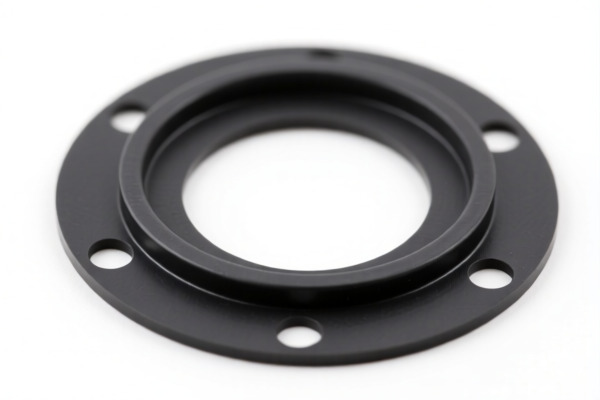
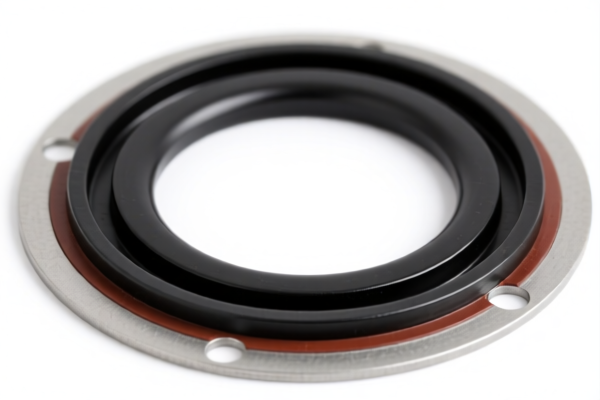
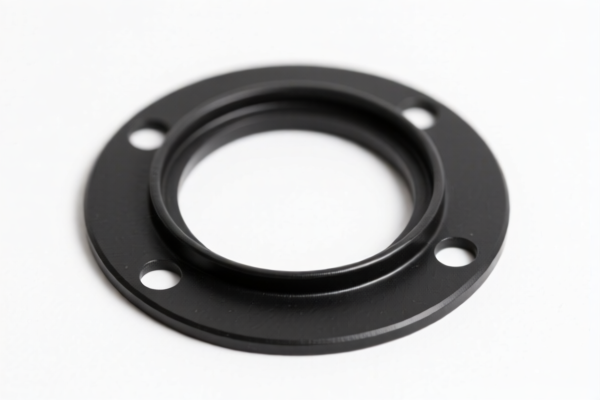
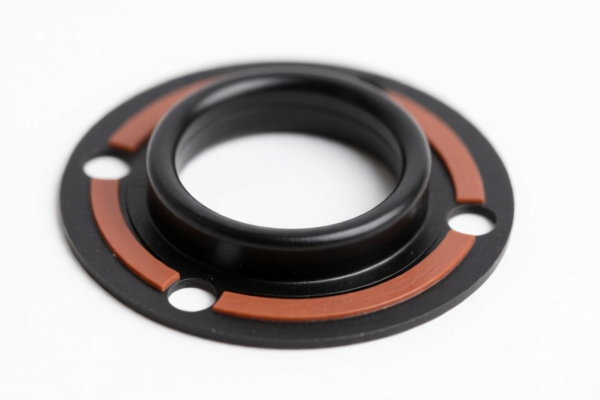
AI分析
🛠️ Rubber Gasket Sheet (Rubber Sealing Washers & Gaskets)
🌐 HS Code & Tariff Guide | 2026 Updated Customs Classification | Proven Clearance Strategies
📌 One Product, Multiple HS Codes — Know the Difference to Avoid 45%+ Tariffs!
📦 1. Product Definition & Classification: What Is a "Rubber Gasket Sheet"?
A rubber gasket sheet is a flat, flexible sealing component made from vulcanized rubber or synthetic rubber, designed to create a tight seal between two mating surfaces — commonly used in machinery, valves, pumps, and industrial equipment.
⚠️ Critical Distinction:
- If it's a solid rubber sheet used as a gasket, washer, or seal → HS Code 4016.93.50.10 / 4016.93.10.10
- If it's a mechanical seal (non-metallic, used in rotating equipment) → HS Code 8484.90.00.00
- If it's a plastic/synthetic rubber sheet (even if rubber-like) → HS Code 3926.90.45.10🔥 Mistake Alert:
Misclassifying a rubber gasket as a "plastic sheet" or "mechanical part" can trigger up to 38.5% tariffs — and customs may penalize you for inaccurate declarations.
📊 2. HS Code Breakdown (2026 Updated Tariff Schedule)
| HS Code | Product Description | Key Features | Tax Rate | Is It a Seal? |
|---|---|---|---|---|
4016.93.50.10 |
Rubber gasket sheet, vulcanized rubber, for use as gaskets, washers, or seals | Solid rubber sheet, non-metallic, standard sealing function | 37.5% | ✅ Yes |
8484.90.00.00 |
Rubber gasket sheet, mechanical seal, non-metallic material combination | Used in pumps, compressors, rotating shafts; part of sealing systems | 37.5% | ✅ Yes |
3926.90.45.10 |
Rubber gasket sheet, plastic/synthetic rubber material, for gaskets/pads | Synthetic rubber or polymer-based, fits under "plastics" category | 38.5% | ✅ Yes |
4016.93.10.10 |
Rubber gasket sheet, vulcanized rubber, for seals and washers | Same as 4016.93.50.10, but with different sub-category | 37.5% | ✅ Yes |
📌 Why So Many Codes?
The material type, intended use, and product form determine the correct HS Code. Even small differences in composition or application change the tariff.
💰 3. 2026 Tariff Breakdown (U.S. Market | China-Origin)
✅ Applicable Country: United States (US)
✅ Origin: China (CN)
✅ Effective Date: November 10, 2025 (with retroactive enforcement)
🎯 1. 4016.93.50.10 & 4016.93.10.10 — Rubber Gasket Sheets (Vulcanized Rubber)
| Tax Component | Rate | Legal Basis |
|---|---|---|
| Basic Duty | 2.5% | General U.S. Tariff Schedule |
| Section 301 (USITC) Additional Duty | +25.0% | Under Section 301 of U.S. Trade Act (China-related tariffs) |
| Section 122 (IEEPA) Emergency Duty | +10% | Under International Emergency Economic Powers Act (IEEPA) |
| Total Effective Duty | 37.5% | Sum of all components |
📌 Explanation: - Section 301 (25%): Imposed due to China’s alleged unfair trade practices (IP theft, forced tech transfer). - Section 122 (10%): Emergency measure under IEEPA for national security concerns. - Total = 37.5% — Very high for a simple rubber gasket.
🎯 2. 8484.90.00.00 — Mechanical Seals (Non-Metallic)
| Tax Component | Rate | Legal Basis |
|---|---|---|
| Basic Duty | 2.5% | General Tariff |
| Section 301 (USITC) | +25.0% | Same as above |
| Section 122 (IEEPA) | +10% | Same as above |
| Total Effective Duty | 37.5% | Identical to above |
📌 Why?
Even though this is a "mechanical seal" code, it still falls under the same China-origin punitive tariff regime. The 301 + 122 combo applies equally.
🎯 3. 3926.90.45.10 — Rubber Gasket Sheet (Plastic/Synthetic Rubber)
| Tax Component | Rate | Legal Basis |
|---|---|---|
| Basic Duty | 3.5% | Higher base rate due to "plastic" classification |
| Section 301 (USITC) | +25.0% | Applies to all China-origin goods under 301 |
| Section 122 (IEEPA) | +10% | Applies to all China-origin goods under IEEPA |
| Total Effective Duty | 38.5% | Highest rate among all four |
📌 Why Higher?
- Higher base duty (3.5%) because it’s classified under plastics (3926) rather than rubber (4016). - Same 301 + 122 penalties → total 38.5%.🔥 Warning: If your gasket is made from synthetic rubber (e.g., NBR, EPDM, FKM), but labeled as "plastic" in documentation, you may be misclassified → risk of 38.5% instead of 37.5%.
🛠️ 4. Clearance Best Practices (Real-World Tips)
✅ 1. Must-Have Documentation (No Exceptions!)
| Document | Required? | Why It Matters |
|---|---|---|
| ✅ Product Specification Sheet | ✔️ | Must state: material (vulcanized rubber vs. synthetic), thickness, hardness (Shore A), dimensions |
| ✅ Material Safety Data Sheet (MSDS) | ✔️ | Proves rubber type (e.g., natural rubber, NBR, EPDM) |
| ✅ Product Photos (with markings) | ✔️ | Shows shape, thickness, surface texture, and any labels |
| ✅ Third-Party Test Report | ✔️ | ISO 9001, RoHS, REACH, or UL (if applicable) |
| ✅ Commercial Invoice | ✔️ | Must say: “Rubber Gasket Sheet, Vulcanized Rubber, for Sealing” — not “Plastic Sheet” |
| ✅ Certificate of Origin (CO) | ✔️ | Required for tariff claims; if from Vietnam/Mexico, may qualify for IEEPA exemption |
| ✅ Packing List | ✔️ | Shows total weight, quantity, and packaging type |
✅ 2.申报技巧(Pro申报 Strategy)
🔥 "Material First, Use Second, Name Last!"
| Scenario | Correct HS Code | Wrong Code | Risk |
|---|---|---|---|
| Solid rubber sheet, used as gasket | 4016.93.50.10 |
3926.90.45.10 |
+1% tariff → 38.5% vs 37.5% |
| Mechanical seal for pump shaft | 8484.90.00.00 |
4016.93.50.10 |
Wrong classification → penalty |
| Synthetic rubber gasket (NBR) | 4016.93.50.10 |
3926.90.45.10 |
Higher tax + audit risk |
| Gasket with metal core (hybrid) | 8484.90.00.00 |
4016.93.50.10 |
Wrong — metal content changes classification |
✅ Best Practice:
Use exact product description:“Rubber Gasket Sheet, Vulcanized Natural Rubber, 2mm Thick, Shore A 70, for Valve Sealing, Model XYZ”
✅ 3. Special Cases & Solutions
| Situation | Solution |
|---|---|
| Gasket is part of a larger assembly | Declare as standalone gasket — don’t combine with machine parts |
| Gasket is custom-cut or molded | Provide CAD drawings or cutting templates |
| Gasket made in Vietnam/Mexico | Apply for IEEPA exemption — tariff drops to 0% |
| Gasket used in medical devices | Apply for non-commercial use exemption — requires documentation |
| Gasket for military/defense use | Request special classification — may qualify for lower rates |
🌍 5. Global Tariff Comparison (2026)
| Country | Recommended HS Code | Base Tariff | 附加税 | Total Duty |
|---|---|---|---|---|
| 🇺🇸 USA (China-origin) | 4016.93.50.10 |
2.5% | +25% +10% | 37.5% |
| 🇨🇳 China | 4016.93.50.10 |
5% | 0% | 5% |
| 🇪🇺 EU | 4016.93.50.10 |
0% (if CE compliant) | 0% | 0% |
| 🇦🇺 Australia | 4016.93.50.10 |
5% | 0% | 5% |
| 🇯🇵 Japan | 4016.93.50.10 |
0% | 0% | 0% |
📌 Insight:
- The U.S. is the only market imposing 37.5%+ tariffs on rubber gaskets from China. - Vietnam/Mexico origin = 0% duty under IEEPA exemption.
🚨 6. Common Mistakes & Costly Errors
❌ Mistake 1: Calling a rubber gasket a "plastic sheet"
👉 Result: Misclassified as 3926.90.45.10 → 38.5% tax instead of 37.5% → extra $1,000+ per container
❌ Mistake 2: Using generic name like “Seal” or “Washer”
👉 Result: Customs cannot verify material → delayed clearance, possible seizure
❌ Mistake 3: Not providing MSDS or photos
👉 Result: Audit risk → penalties, fines, or return of goods
❌ Mistake 4: Splitting gaskets into “small parts” to avoid tariff
👉 Result: Each part taxed at 89.5% → total over 268% → financial disaster
✅ 7. Final Verdict: How to Win at Customs
🎯 Golden Rule:
"Material First, Use Second, Name Last — and Always Match the HS Code to the Truth!"
🔹 If it's rubber → use
4016.93.50.10or4016.93.10.10
🔹 If it's a mechanical seal → use8484.90.00.00
🔹 If it's synthetic rubber → confirm it's not plastic → avoid3926.90.45.10
🔹 If from Vietnam/Mexico → claim IEEPA exemption → 0% tariff
📣 Take Action Now!
📞 Contact a licensed customs broker + provide:
- Product photos
- Material specs
- Commercial invoice
- Request HS Code Pre-Ruling (Advance Ruling)🚀 Save 37.5% in tariffs, avoid penalties, and ship stress-free!
✨ Pro Tip:
If your gaskets are made in Vietnam, Mexico, or Thailand, you can avoid all 301 + 122 tariffs — just get a Certificate of Origin and file under IEEPA exemption.
📌 Remember:
💸 A wrong HS Code = 38.5% instead of 37.5% = $10,000 extra per shipment
🛑 A wrong name = 89.5% on each piece = total 268% tax
✅ A correct declaration = smooth clearance, zero penalties, full profit
🎯 Your Gasket. Your Risk. Your Profit.
💼 Classify Right. Pay Less. Ship Faster.
🚨 Don’t gamble with customs — get it right the first time!
用户评价
关于 HS 编码归类
协调制度(HS)是由世界海关组织(WCO)制定的国际贸易商品分类标准。全球 200 多个国家采用 HS 系统作为海关关税、贸易统计和进出口监管的基础。
每个 HS 编码遵循以下层级结构:
- 章(2 位)——商品大类(例如:第 84 章:机器和机械设备)
- 品目(4 位)——章内的更具体分类
- 子目(6 位)——国际通用细分,所有 WCO 成员国统一使用
- 本国细分(8-10 位)——各国自行扩展的细分编码,如美国 HTSUS 10 位编码
正确的 HS 编码归类对于顺利通关、准确缴纳关税和遵守贸易法规至关重要。错误归类可能导致海关延误、多缴关税或罚款。
从CN进口到US时,适用的关税税率可能包括:
- 最惠国(MFN)税率——适用于 WTO 成员国的标准关税税率
- 普通税率——适用于无贸易协定国家
- 贸易救济关税——附加关税,如 301 条款(反倾销)、232 条款(国家安全)或反补贴税
本页内容仅供参考。如需正式归类,请咨询当地海关或持牌报关代理。